
Resources
Explore a wide range of valuable resources on GCED to deepen your understanding and enhance your research, advocacy, teaching, and learning.
11 Results found
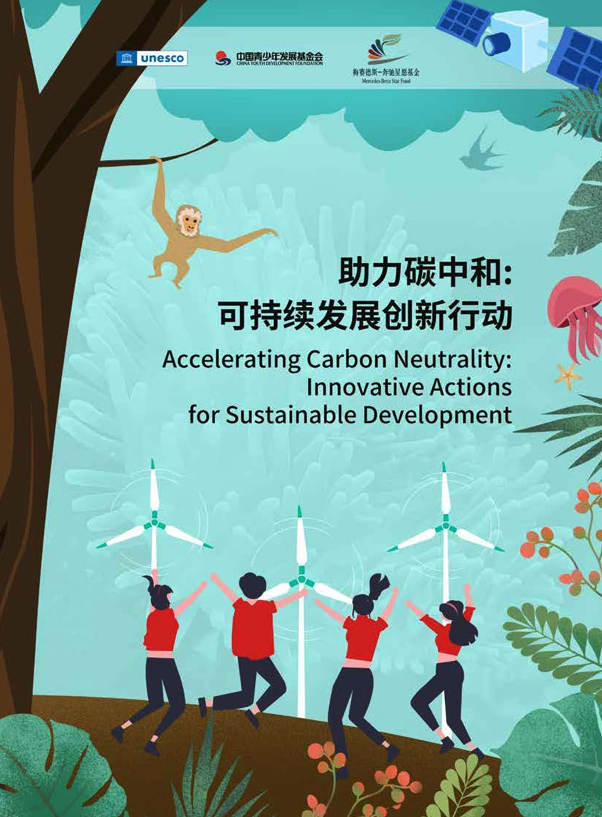 Accelerating Carbon Neutrality: Innovative Actions for Sustainable Development Year of publication: 2024 Author: UNESCO Beijing Climate change is a global challenge that respects no national borders. To achieve the 2030 Sustainable Development Agenda, all nations need to take actions to address climate change and its impacts now. The Chinese government attaches great importance to addressing climate change by setting it as a strategic goal concerning economic and social development while considering green and low-carbon development as an essential aspect of ecological civilization. China pledges to achieve carbon peak before 2030 and carbon neutrality before 2060.Education for Sustainable Development (ESD) is essential to promote climate action. As the creators and builders of the future world, youth play a significant role. Youth are the future. In the spirit of “Changing the minds, not the climate”, UNESCO has been committed to empowering the young generation to tackle climate change, supported by its robust networks in education, sciences, culture, communication and information.In June 2022, the first phase (2022-2025) of the “Accelerating Carbon Neutrality: Innovative Actions for Sustainable Development” project was officially launched under the sponsorship of the China Youth Development Foundation-MercedesBenz Star Fund. This project will fill the gap of China’s carbon neutrality action through activities such as “Accelerating youth climate action”, “Forest Protection Action” and “ Tropical Rainforest biodiversity conservation action” and make a pilot for climate change education and sustainable development education in China and the world by empowering institutions and community residents, including women, children and youth, and contribute to the realization of the UN 2030 Sustainable Development Goals (SDGs) in a bottom-up manner, including SDG 1 (No Poverty), SDG 4 (Quality Education), SDG 5 (Gender Equality), SDG 10 (Reduced Inequalities), SDG 11 (Sustainable Cities and Communities), SDG 13 (Climate Action), SDG 14 (Life below Water), SDG 15 (Life on Land) and SDG 17 (Partnerships for the Goals). The project aims to promote youth capacity in innovation and communication skills. Moreover, it seeks to increase young people’s awareness on how to reduce carbon footprint, protecting the environment, conserving biodiversity and promoting man-nature harmony through education for sustainable development, climate change, environmental protection and global citizenship education. Additionally, the project aims to explore best practices that can be shared and applied internationally. 助力碳中和:可持续发展创新行动 Year of publication: 2024 Author: UNESCO Beijing 气候变化是跨越国界的全球性挑战。为了实现2030议程,各国必须采取紧急行动来 应对气候变化及其影响。中国政府高度重视气候变化问题,将应对气候变化纳入国 家经济社会发展的重大战略,把绿色低碳发展作为生态文明建设的重要内容,并承 诺将在2030年前实现碳达峰,在2060年前实现碳中和。可持续发展教育对于促进气候行动至关重要。 青少年是未来世界的创造者与建设者,秉承着“改变思维,而非气候”的理念,联合国教科文组织教借助其在教育、 科学、文化、传播和信息领域的强大网络,一直致力于加强青少年在气候变化方面 的能力建设。2022年6月, 在中国青少年发展基金会-梅赛德斯-奔驰星愿基金资助下 “助力碳中和:可持续发展创新行动”项目第一期(2022-2025年)正 式启动。 本项目将通过基于可持续发展教育开展的“助力青少年气候行 动”“森林保护行动”和“保护热带雨林生物多样性行动”等活动内容, 填补中国碳中和行动的重要空白,在切实推进气候变化教育和为师生气候 变化赋能的同时,为中国和世界的气候变化教育以及可持续发展教育做出 示范,以自下而上的方式助力联合国2030可持续发展目标,包括SDG13 (气候变化),SDG4(优质教育),SDG11(可持续的城市与社区), SDG14(水下生态保护),SDG15 (陆地生态保护)和SDG17(伙伴 关系)等一系列目标的实现。项目 旨在促进青少年的能力建设、 知识交 流和技能创新, 通过可持续发展教 育、 气候变化教育、 环境教育和全 球公民教育, 提高青少年对减少碳 足迹、生态环境保护、生物多样性保 护、人与自然和谐共生的认知,并开 展可以在国际范围内共享和适用的良 好实践案例。
 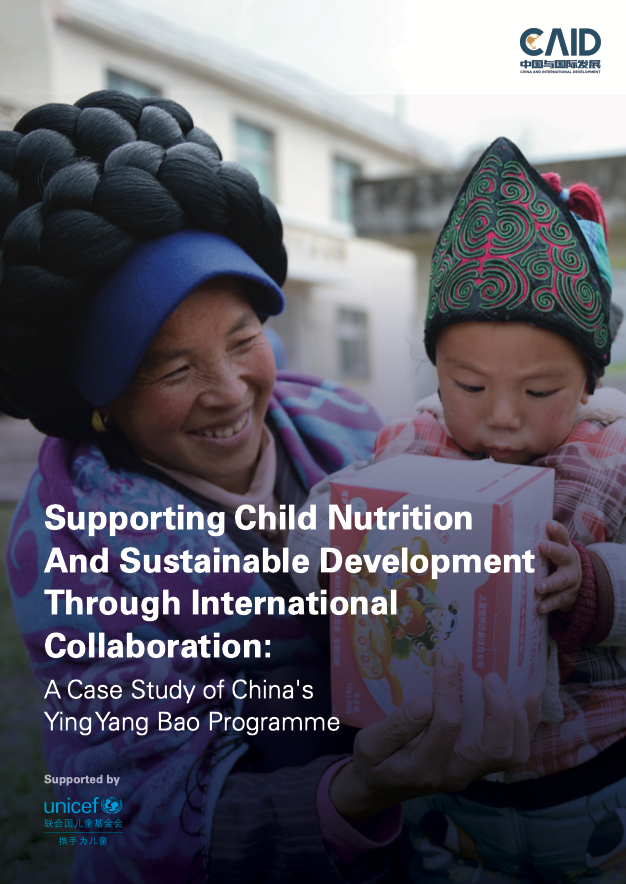 Supporting Child Nutrition and Sustainable Development through International Collaboration Year of publication: 2023 Author: Wang Luo | Chen Xiaoning | Huang Yangmu Corporate author: Chinese Academy of International Trade and Economic Cooperation(CAID) | United Nations Children's Fund (UNICEF) Child health and nutrition are key goals under the 2030 Sustainable Development Agenda. Currently, around 45% of deaths among children under five years of age are linked to undernutrition. These mostly occur in low- and middle-income countries. In June 2023, the Chinese Academy of International Trade and Economic Cooperation (CAITEC) and the UNICEF China Office convened a forum on “Supporting Child Nutrition and Sustainable Development Through International Co-operation”. Participating experts discussed China’s experience, and the potential presented, and challenges faced by Chinese product, in boosting the improvement of child nutrition in impoverished regions of Africa and Asia. The case study is a summary of the views presented at the forum. The content covers global needs and challenges in child nutrition, the importance of complementary food supplements in improving child nutrition, effective practices implemented by the international community to promote the use of complementary food supplements, advantages and on-the-ground results of China’s YYB, challenges to taking the YYB international and recommendations for driving product internationalization of the YYB. 国际合作支持儿童营养和可持续发展: 以营养包走出去为例 Year of publication: 2023 Author: Wang Luo | Chen Xiaoning | Huang Yangmu Corporate author: Chinese Academy of International Trade and Economic Cooperation(CAID) | United Nations Children's Fund (UNICEF) 儿童健康和营养是2030年可持续发展议程的重要目标。当前,5岁以下儿童死亡人数中约45%与营养不良有关,主要发生在中低收入国家。2023年6月,中国商务部国际贸易经济合作研究院与联合国儿童基金会驻华办事处开展 “国际合作支持儿童营养和可持续发展” 的研讨会。与会专家探讨了中国经验和产品在助力改善亚非贫困地区儿童营养问题的潜能和面临的挑战。本案例分析内容为研讨会的观点总结。内容包括:全球儿童面临的营养发展挑战和需求、辅食营养补充品对于促进儿童营养的重要性、国际社会推广辅食营养补充品的有效做法、中国营养包的优势与实践效果、营养包走出去面临的挑战、推进营养包走出去的政策建议。
  基于可持续发展观的高中地理课堂教学 (社会科学前沿 第12卷 第12期) Year of publication: 2023 Author: 王婧 | 余光辉 在当前全球环境问题日益严峻的背景下,将可持续发展教育与地理教学相结合,能够帮助学生从地理角度深入了解和认识环境问题的本质及其发展趋势,理解经济、社会和环境之间的紧密联系,通过培养学生人地协调观来提高学生的可持续发展思维和能力。教师采用多种教学策略,包括课前知识预热、情境教学设计和实践活动等,以提升学生的学习效果。从实践的效果可以看出,将地理教育与可持续发展教育相结合需要运用多种教学手段,才使学生能够深入了解可持续发展相关知识,并通过实践不断提升解决问题的能力和环保意识。
  Campus Planning Based on Concept of Sustainable Development and Environmental Adaptability: Taking Beibu Gulf University as an Example (Urbanization and Land Use; Vol.11, No.2) Year of publication: 2023 Author: 邓绍云 | 邱清华 Based on the concept of sustainable development and environmental protection, this paper ex-pounds and demonstrates the sustainable development of colleges and universities, and points out that colleges and universities must follow the concept of sustainable development to develop and grow, colleges and universities must expand the scale of enrollment, improve the benefits of education economy, the campus planning and design must be beautiful and spectacular, and adapt to the local culture and environment is very important and necessary. Taking Beibu Gulf University as an example, this paper expounds that only in this way can the university develop and grow continuously for a long time, enhance the attraction of students, improve the teaching quality and education reputation. 基于可持续发展及环境适应性理念的校园规划: 以北部湾大学为例 (城镇化与集约用地; Vol.11, No.2) Year of publication: 2023 Author: 邓绍云 | 邱清华 文章基于可持续发展的理念和环境保护观念,对高校的可持续发展进行了阐述与论证,并指出高校要发展要壮大则必须遵循可持续发展的理念,高校要扩大招生规模,提高教育经济受益,则必须将校园规划设计美观漂亮和壮观等,而适应当地文化和环境非常重要和必要。并以北部湾大学为例,阐述了唯有如此,才能使该高校长久发展和持续壮大,提升生源吸引力,提高教学质量和教育声誉。
  Making Lifelong Learning a Reality: A Handbook Year of publication: 2023 Corporate author: UNESCO Institute for Lifelong Learning (UIL) This handbook provides education stakeholders with practical guidance on lifelong learning. With an overview of key concepts, policy issues, technical knowledge and practical approaches, it demonstrates how lifelong learning can be strengthened in policy-making and implemented at national, regional, local and institutional levels. The handbook supports those experts and professionals in the field of education who wish to develop their understanding of lifelong learning, and offers tips, information and examples targeted at learners, facilitators, institutional leaders, policy-makers and legislators. More broadly, it illustrates how lifelong learning can address complex political, social, economic and environmental issues affecting people around the world. 让终身学习成为现实:手册 Year of publication: 2023 Corporate author: UNESCO Institute for Lifelong Learning (UIL) 这本关于终身学习的手册试图描绘一个全面立体、包罗万象的终身学习愿景, 并将其塑造成教育利益攸关者的实用指南。本手册并未详尽无遗地介绍所有的终 身学习形式,而是阐明了终身学习的本质,通过制定国家政策和实施战略,使之 得到广泛的了解、认可、推广和具体应用。本手册第一章明确了终身学习的概念,介绍了联合国教科文组织对终身学习及 其关键维度的理解。之后解释了提倡终身学习的原因,为读者提供了一系列循证观 点,说明终身学习将如何应对世界面临的大规模严峻挑战。因此,第一章为政策制 定者、政府官员、机构负责人、相关从业者或研究人员提供了一个起点,以推进终 身学习,将其作为一种政策措施,来应对学习系统当前的挑战和长期的问题。要使终身学习从一个抽象的概念转变成为可以实际增加学习机会和改善学习 体验的行动,政策层面需要有所作为。因此,第二章明确了终身学习政策的定义 和政策制定过程, 并提出了制定有效终身学习政策的多个因素。 这些因素表明, 终身学习政策在根本上应符合国情和地方实际情况、打造全面终身学习愿景、制 定治理方案、具有财政可行性、以实证作为监测和评估的基础,并通过磋商实现 多方参与的终身学习政策制定。第三章侧重于终身学习的实施,并通过国家终身学习实施战略的视角讨论了 不同的实施方式。此外,这一章还展示了实施战略如何在正规、非正规和非正式 学习方面融入终身学习理念并增加终身学习机会。在学习形式之间建立联系,第 三章还提供了有关灵活学习途径的建议,并指导如何使用国家资历框架和学习成 果认证机制等相关政策来创建灵活学习途径。随后,第三章论述了信息通信技术 对于终身学习的重要价值,以及多层级治理在终身学习实施过程中的关键作用。第四章则关注地方层面,首先概述了城市地区的终身学习情况,并重点介绍 了联合国教科文组织全球学习型城市网络的学习型城市模式。之后,通过贝塔市 的研究案例具体展示了终身学习的政策制定过程,并揭示了那些与设计终身学习 实施战略有关的考虑因素如何应用于具体的终身学习政策。立足全球视角,基于实践经验,本手册的最终目标是为读者提供全面、可行 的指导意见,让全民终身学习成为现实。
  Institutional practices of implementing lifelong learning in higher education: research report Year of publication: 2023 Corporate author: UNESCO Institute for Lifelong Learning (UIL) | Shanghai Open University In many countries, higher education is gaining prominence as a means for the general population to engage in lifelong learning (LLL), whether for personal or professional development, or to participate in broader societal change. In some cases, national governments have introduced policies or funding instruments that create incentives for higher education institutions (HEIs) to align their offerings more closely with changing labour market demands and societal needs, and to expand access for groups previously underrepresented in higher education. Key trends in the higher education sector and the associated global socio-economic transformations were discussed in detail in the international survey report, which was published as part of the research project on the contribution of higher education institutions to LLL (UIL and SOU, 2023). This case study report moves from an international overview of the policies, structures and mechanisms that support LLL in higher education to the close study of institutional practices. It explores the interrelations between national policy environments and institutional strategies. It examines different approaches taken by universities to develop, implement and monitor LLL activities, and further provides practical examples of how universities engage with diverse groups of learners through their LLL mission. As such, this report’s value lies in offering both general insights into the implementation of LLL in HEIs, and case-specific descriptions and analyses of institutional policies and practices.