
Resources
Explore a wide range of valuable resources on GCED to deepen your understanding and enhance your research, advocacy, teaching, and learning.
36 Results found
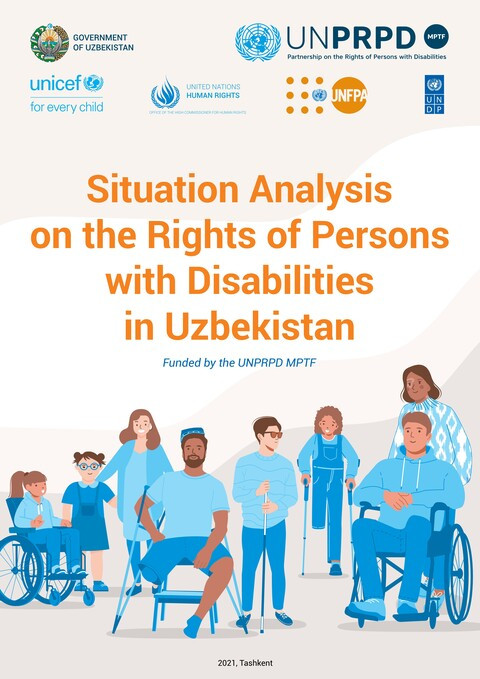 Анализ ситуации по обеспечению прав лиц с инвалидностью в Узбекистане Year of publication: 2021 Corporate author: UNICEF Uzbekistan | United Nations Population Fund (UNFPA) | United Nations Development Programme (UNDP) | UN. Office of the United Nations High Commissioner for Human Rights (UN. OHCHR) Данное исследование основывается на результатах ситуационного анализа детей и взрослых с инвалидностью, проведенного в 2019 г. Цель данного анализа – не в том, чтобы указать на проблемы, а в том, чтобы заложить основу для их решения путем выявления возможностей и сил содействия, возникающих сегодня. В отчете рассматриваются необходимые предпосылки для реализации прав человека людей с инвалидностью, особенно женщин, девочек и мальчиков с инвалидностью, такие как надежная система обеспечения равенства и недискриминации, наличие инклюзивных и доступных услуг в сообществе, финансовые и координационные механизмы, учитывающие интересы людей с инвалидностью, прозрачные системы мониторинга и отчетности, а также значимое участие людей с инвалидностью.
  الإرشاد النفسي لذوي الاحتياجات الخاصة : التحديات والآفاق (كتاب أبحاث المؤتمر الدولي للنمو والتطوير التكاملي في التربية الخاصة : تكوين المعرفة للمستقبليات) Year of publication: 2022 Author: Abdulaziz Ali Alghamdi Corporate author: Umm Al-Qura University | Saudi Arabia. Ministry of Education تهدف الدراسة إلى التعرف على أهمية الإرشاد النفسي لذوي الاحتياجات الخاصة وأسرهم والتحديات التي تواجههم ودور المرشد النفسي في إرشادهم من خلال الأدبيات والدراسات في هذا المجال ما بين (2015 - 2022). وقد تم استخدام المنهج الوصفي التحليلي لدراسة موضوع البحث. وخلصت الدراسة إلى أن ذوي الاحتياجات الخاصة تختلف حاجاتهم الإرشادية من حيث تقبل الإعاقة والاضطرابات التي تنشأ بسبب الإعاقة ودمجهم مع المجتمع وما ينشأ عن ذلك من تحديات تحتاج للتدخل الإرشادي مما يزيد من أهمية الإرشاد النفسي لعينة الدراسة ودور المرشد النفسي لهذه الفئة الإلمام بالمعلومات المتعلقة بالإعاقة، ومساعدتهم على التعرف على طبيعة إعاقته وعلاجها ومآلها، والمساعدة في حل مشكلاته النفسية والاجتماعية والأسرية والدراسية سواء على مستوى الفرد أو أسرته. كما تمّ تقديم توصيات مرتبطة بنتائج الدراسة. Psychological Counseling for People with Special Needs: Challenges and Prospects (Conference on Integrative Growth and Development in Special Education: Creating Knowledge for the Futures) Year of publication: 2022 Author: Abdulaziz Ali Alghamdi Corporate author: Umm Al-Qura University | Saudi Arabia. Ministry of Education The study aims to identify the importance of psychological counseling for people with special needs and their families and the challenges facing them and the role of the psychological counselor in guiding them, through literature and studies in this field between (2015–2022). The study concluded that people with special needs have different guiding needs in terms of accepting disability and disorders that arise due to disability and integrating them with society and the resulting challenges that require guidance intervention, which increases the importance of psychological guidance for the study sample and the role of the psychological guide for this group to be familiar with information related to disability, help them to identify the nature of his disability, treatment and fate, and help solve his psychological, social, family and study problems, whether at the level of the individual or his family. Recommendations related to the results of the study were also made.
  Mirages and Harsh Reality of Inclusive Education in Kyrgyzstan Year of publication: 2022 Author: Kalys Meymanbekova Corporate author: Central Asian Bureau for Analytical Reporting (CABAR) The purpose of the article is to analyze the current state of accessibility of inclusive education for persons with disabilities in Kyrgyzstan. Inclusive education is understood as an activity to increase diversity and develop a sense of belonging, based on the fact that each person is valuable and has the potential for development. Миражи и суровая реальность инклюзивного образования в Кыргызстане Year of publication: 2022 Author: Kalys Meymanbekova Corporate author: Central Asian Bureau for Analytical Reporting (CABAR) Целью статьи является анализ текущего положения доступности инклюзивного образования для ЛОВЗ Кыргызстана. Инклюзивное образование понимается как деятельность по расширению разнообразия и развитию чувства сопричастности, основанная на том, что каждый человек ценен, и у него есть потенциал развития.
 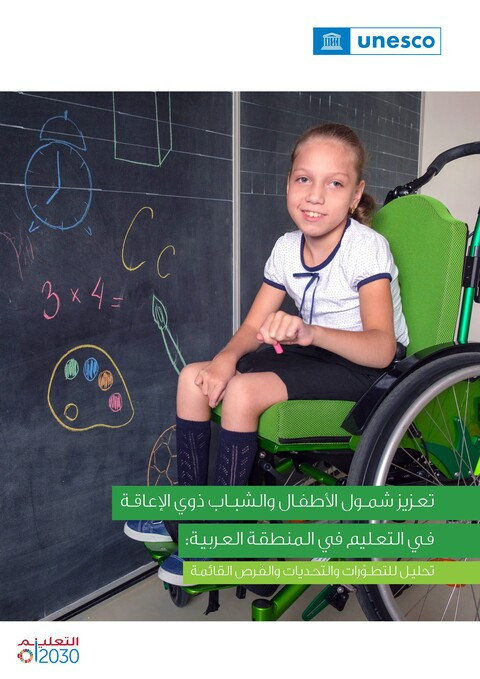 تعزيز شمول الأطفال والشباب ذوي الإعاقة في التعليم في المنطقة العربية: تحليل للتطوّرات والتحديات والفرص القائمة Year of publication: 2022 Author: Maha Khochen-Bagshaw Corporate author: UNESCO Beirut أعد هذا التقرير مكتب اليونسكو الإقليمي للتربية في الدول العربية في إطار برنامج الأمير سلطان بن عبد العزيز آل سعود لتعزيز اللغة العربية. ويقدم التقرير تحليلاً للتعليم الشامل في البلدان العربية بهدف صياغة توصيات مستقبلية.ورغم أنّ التقرير يركز تحديدًا على الأشخاص ذوي الإعاقة، فهو يقرّ أنّ فئات أخرى من المتعلمين تعاني من التهميش ولا تستطيع الانتفاع من الفرص التعليمية. ويتناول العوائق والتحديات التي تحول دون الشمول، ويتطرق إلى التقدم المحرز والتقدم اللازم تحقيقه ليصبح التعليم الجيد الشامل واقعًا في المنطقة العربية. ويؤكد التقرير ضرورة التعاون المنظم والمنهجي بين المعلمين والمدارس والمجتمع التعليمي. ويدعو الحكومات إلى تنفيذ تدابير فورية لإسناد المسؤوليات المرتبطة بالمتعلمين ذوي الإعاقة إلى وزارة التربية والتعليم، ويحثها على تخصيص التمويل الكافي لوضع خطط فعالة وقابلة للتنفيذ وحشد الالتزام الوطني بالتعليم الشامل للجميع. Promoting the Inclusion of Children and Young People with Disabilities in Education in the Arab Region: An Analysis of Existing Developments, Challenges and Opportunities Year of publication: 2022 Author: Maha Khochen-Bagshaw Corporate author: UNESCO Beirut This report was prepared by the UNESCO Regional Office for Education in the Arab Countries within the framework of the Prince Sultan bin Abdulaziz Al Saud Program to Promote the Arabic Language. The report provides an analysis of inclusive education in Arab countries with the aim of formulating future recommendations, although the report focuses specifically on persons with disability. It acknowledges that other categories of learners suffer from marginalization and are unable to benefit from educational opportunities. It addresses the obstacles and challenges that prevent inclusion, and addresses the progress made and the progress needed to make comprehensive quality education a reality in the Arab region. The report stresses the need for organized and systematic cooperation between teachers, schools and the educational community. It calls on governments to implement immediate measures to assign responsibilities related to learners with disabilities to the Ministry of Education, and urges them to allocate adequate funding to develop effective and implementable plans and mobilize national commitment to inclusive education for all. Promouvoir l’inclusion des enfants et des jeunes handicapés dans l’éducation dans la région arabe: une analyse des développements, défis et opportunités actuels Year of publication: 2022 Author: Maha Khochen-Bagshaw Corporate author: UNESCO Beirut Ce rapport a été préparé par le Bureau régional de l'UNESCO pour l'éducation dans les pays arabes dans le cadre du programme du Prince Sultan ben Abdulaziz Al Saud pour promouvoir la langue arabe. Le rapport fournit une analyse de l'éducation inclusive dans les pays arabes dans le but de formuler des recommandations futures, bien qu'il se concentre spécifiquement sur les personnes en situation de handicap. Il reconnaît que d'autres catégories d'apprenants souffrent de marginalisation et ne peuvent pas bénéficier des opportunités éducatives. Il aborde les obstacles et défis qui empêchent l'inclusion, ainsi que les progrès réalisés et ceux nécessaires pour faire de l'éducation de qualité une réalité dans la région arabe. Le rapport souligne la nécessité d'une coopération organisée et systématique entre les enseignants, les écoles et la communauté éducative. Il appelle les gouvernements à mettre en œuvre des mesures immédiates pour assigner les responsabilités liées aux apprenants en situation de handicap au ministère de l'Éducation, et les exhorte à allouer un financement adéquat pour développer des plans efficaces et réalisables et mobiliser l'engagement national en faveur de l'éducation inclusive pour tous.
  大数据视角下残疾人高等教育现状分析 Year of publication: 2022 Author: 刘晓征 本文以不同高等学校的调研数据为基础对高等学校内部招生对象、专业设置和分布层次等不同的方面进行分析,以便更好地了解我国残疾人高等教育目前的教育现状,并主张在大数据视角下分析残疾人高等教育的现状,旨在找出更多的优化措施。
 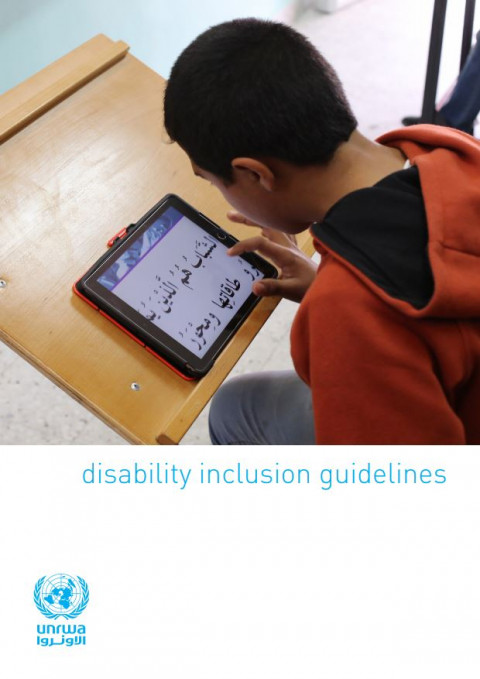 دليل دمج الإعاقة Year of publication: 2017 Corporate author: United Nations Relief and Works Agency for Palestine Refugees in the Near East (UNRWA) يوفر هذا الدليل الارشادي معلومات عن النهج الذي يوصى باتباعه في دمج الإعاقة داخل األونروا. والغرض من هذا الدليل هو: بناء فهم ثابت على نطاق الوكالة ككل لأهم مبادئ وممارسات دمج الاعاقة، وإسداء المشورة بشأن كيفية تعميم دمج الاعاقة في برامج األونروا وخدماتها.