
Resources
Explore a wide range of valuable resources on GCED to deepen your understanding and enhance your research, advocacy, teaching, and learning.
28 Results found
 Spreading a Culture of Peace and Tolerance in the World: What Should We Do? Year of publication: 2021 Corporate author: TRENDS Research & Advisory The video is a symposium, moderated by Emirati researcher and writer Mohammed Khalfan Al Sawafi. The symposium focuses on six main axes: “Religious discourse and the importance of confronting hate speech and extremism, the Human Fraternity Document as a framework for promoting the values of peace and tolerance around the world, and human rights as an entry point for promoting a culture of tolerance and peace, making it an entry point to confront the conflicts of the world and the region, and ways to strengthen it in the region and the world, and toward a vision common for a more peaceful and tolerant world. The video interviews a group of specialists. نشر ثقافة السلام والتسامح في العالم: ما الذي ينبغي علينا فعله؟ Year of publication: 2021 Corporate author: TRENDS Research & Advisory الفيديو عبارة عن ندوة أدراها الباحث والكاتب الإماراتي محمد خلفان الصوافي. تركز الندوة على ستة محاور رئيسية هي "الخطاب الديني وأهمية مواجهة خطابات الكراهية والتطرف، ووثيقة الأخُوَّة الإنسانية كإطار لتعزيز قيم السلام والتسامح حول العالم، وحقوق الإنسان كمدخل لتعزيز ثقافة التسامح والسلام، وجعلها مدخلاً لمواجهة صراعات العالم والمنطقة، وسبل تعزيزها في المنطقة والعالم، ونحو رؤية مشتركة لعالم أكثر سلاماً وتسامحاً". الفيديو يتحاور فيه مجموعة من المختصين.
 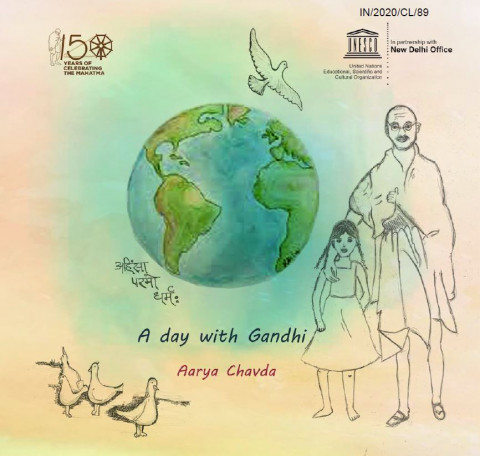 A Day with Gandhi Year of publication: 2020 Author: Aarya Chavda At an age of 10, author and illustrator of her 2 books, Aarya Chavda extends her support by donating her art proceeds to fundraise for the welfare of underpriviledge Cancer patients.Through her campaign on 'Preservation of Cultural Heritage', She also demonstrates her commitment and contributes in spreading awareness through her programs at government and private institutions.In this series of narrative illustrations, she pays her tributes to commemorate 150th birth anniversary of Gandhi. This shows her inclination to portray ideologies of 'The Mahatma' on the pursuit of liberation and tranquility.
 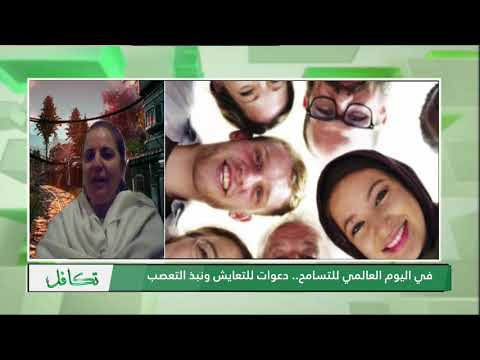 في اليوم العالمي للتسامح.. دعوات للتعايش ونبذ التعصب Year of publication: 2020 Author: Wijdan Alrubai Corporate author: Awraas TV في اليوم العالمي للتسامح، تستضيف المذيعة عبر البرنامج التلفزيوني بعض المتخصصين للتحدث عن التسامح ونبذ التعصب في الوطن العربي. من خلال البرنامج يظهر اختلاف مفهوم التسامح بين المتحدثين واثارته كقضية في الوطن العربي. On the International Day for Tolerance: Calls for Coexistence and the Rejection of Intolerance Year of publication: 2020 Author: Wijdan Alrubai Corporate author: Awraas TV On the International Day for Tolerance, the broadcaster on the TV program hosts some specialists to speak about tolerance and reject intolerance in the Arab world. Through the program, the difference in the concept of tolerance among the speakers is shown and raised as an issue in the Arab world.
  التعليم ودوره في تفعيل التربية التسامحية لتحقيق التعايش السلمي (مجلة حمورابي للدراسات; Vol. 1, No. 46) Year of publication: 2023 Author: Marwan Kadhim Wajar Al-Saedl Corporate author: Hammurabi Centre for Research and Strategic Studies إن تحقيق ثقافة التسامح ونشرها أصبح ضرورة للمجتمعات لسيادة قيم السلام، والإحسان، والتعايش مع الآخر، واحترام التنوع الفكري والثقافي داخل المجتمع الواحد، تعدُ التربية التسامحية وقيمها إطاراً مرجعياً وموجهاً للسلوك الطلابي، فنظام القيم لدى الأفراد يمثل معتقداتهم وسلوكياتهم وعواطفهم، فضلاً عن مواقفهم الاجتماعية والتفاعلية، أيضاً تشكل جزءاً من مفهوم الذات لديهم، يحاول البحث الحالي الاجابة عن السؤال الأتي" ما دور التعليم في تفعيل التربية التسامحية لتحقيق التعايش السلمي، كما يستهدف البحث إلى التعرف على الأطار الفكري والنظري للتسامح، ايضاً معرفة الآثار التربوية المترتبة على تفعيل التربية التسامحية، وصولاً إلى تقديم رؤية عن دور التعليم في تفعيل التربية التسامحية لتحقيق التعايش السلمي، واعتمد البحث الحالي المنهج الوصفي باعتباره الأنسب والأكثر ملاءمة لطبيعة البحث. Education and Its Role in Activating Tolerance Education to Achieve Peaceful Coexistence (Hammurabi Journal for Studies; Vol.1, No.46) Year of publication: 2023 Author: Marwan Kadhim Wajar Al-Saedl Corporate author: Hammurabi Centre for Research and Strategic Studies Achieving and spreading a culture of tolerance has become a necessity for societies to prevail the values of peace, benevolence, coexistence with others, and respect for intellectual and cultural diversity within the same society. Tolerant education and its values are a frame of reference and guide for students' behavior. The value system of individuals represents their beliefs, behaviors, and emotions, as well as their social and interactive attitudes; they also form part of their self-concept. The current research attempts to answer the following question: "What is the role of education in activating tolerance education to achieve peaceful coexistence?" The research also aims to identify the intellectual and theoretical framework of tolerance, and knowing the educational effects of activating tolerance education in order to provide a vision of the role of education in activating tolerance education to achieve peaceful coexistence. The current research adopts the descriptive approach as the most appropriate to the nature of this research.
  دور رياض الأطفال في تعزيز ثقافة التعايش السلمي لدى طفل الروضة من وجهة نظر المعلمات (مجلة العميد; Vol. 12, No. 47) Year of publication: 2023 Author: Insaf Kamal Mansour Corporate author: Department of Cultural and Intellectual Affairs in the Holy Al-Abbas Shrine يهدف البحث الحالي إلى تعرف دور رياض الأطفال في تعزيز ثقافة التعايش السلمي لدى طفل الروضة من وجهة نظر معلمات رياض الأطفال، وقد اعتمد البحث المنهج الوصفي، وتكون مجتمع البحث من (273) معلمة في رياض الأطفال الحكومية في المديرية العامة لتربية بغداد الكرخ الثانية للعام الدراسي(2019-2020) اما عينة البحث فتكونت من (160) معلمة، ولتحقيق هدف البحث قامت الباحثة ببناء استبانة تضم (47) فقرة موزعة على ثلاثة مجالات (منهج وحدة الخبرة التفاعلي، الأنشطة التربوية، والمعلمة) وبخمسة بدائل إجابة هي (كبير جدا وكبير ومتوسط ومنخفض ومنخفض جدا) وبأوزان (5،4،3،2،1) على التوالي، وقد توصل البحث الى أن لرياض الأطفال دوراً كبيراً في تعزيز ثقافة التعايش السلمي لدى طفل الروضة من وجهة نظر معلمات رياض الأطفال، تتصل بمجالات دور المعلمة ودور الأنشطة التربوية ودور منهج وحدة الخبرة التفاعلي، إذ حصل كل من مجالات (دور المعلمة والأنشطة التربوية) على درجة تقدير كبير مع وجود ضعف في مفردات منهج وحدة الخبرة التفاعلي جعل من دوره (متوسطا). Role of Kindergarten in Solidifying Peaceful Coexistence for Children from the Perspectives of Teachers (Al-Ameed Journal; Vol.12, No.47) Year of publication: 2023 Author: Insaf Kamal Mansour Corporate author: Department of Cultural and Intellectual Affairs in the Holy Al-Abbas Shrine The current research aims to identify the role of kindergartens in promoting the culture of peaceful coexistence among kindergarten children from the point of view of kindergarten teachers. The research adopted the descriptive methodology, and the research community consists of (273) teachers in government kindergartens in the Directorate General of Education Baghdad Karkh II for the academic year (2019-2020), while the research was appointed by (160) teachers, To achieve the goal of the research, the researcher built a questionnaire comprising (47) paragraphs spread over three areas (interactive experience unit curriculum, educational activities, and teacher) and five alternatives to the answer are (very large, large, medium, low, very low) and weights (1, 2,3,4,5) respectively, the research found that kindergartens play a major role in promoting the culture of peaceful coexistence of kindergarten children from the point of view of kindergarten teachers, related to the areas of the role of the teacher, the role of educational activities and the role of the interactive experience unit curriculum, If each of the areas (the role of the teacher and educational activities) was highly appreciated with a weakness in the vocabulary of the interactive experience unit curriculum made its role (average)
 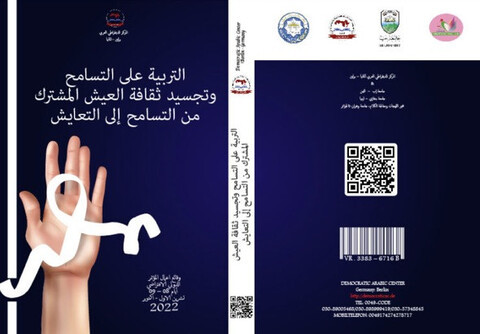 التربية على التسامح وتجسيد ثقافة العيش المشترك من التسامح إلى التعايش Year of publication: 2022 Corporate author: Democratic Arab Center حظى مفهوم التسامح باهتمام كبير في ضوء المتغيرات المجتمعية المعاصرة من أجل ضمان استقرار المجتمع، وتعايش أفراده في وئام وسلام بالإضافة إلى أهميته على مستوى العلاقات بين الدول وبعضها. التسامح قيمة إنسانية ذات طابع عالمي، ولقد ظهر مفهوم التسامح من حاجة المجتمعات الغارقة في الحروب والاقتتال الأهلي، وهو أعطى تقدما باهرا للمجتمعات والمؤسسات في الغرب، وحرّر الإنسـان من قيود الخوف، لقد أرسى مفهوم التسامح قوانين أكثر إنسانية، وفرض على الـدول أنماطا جديدة مـن التفكير وإعمال العقل لاستنباط مخارج تجنب البشرية العنف والتعصب، وقـد التزمت الأمـم المتحدة بتدعيم التسامح من خلال تعزيز التفاهم المتبادل بين الثقافات والشعوب . وقد تنبهت منظمة اليونسكو للتربية والثقافة والعلـوم التابعة للأمم المتحدة، إلى موضوع ثقافة التسامح فأصدرت في السادس عشر من تشرين الثاني لعام 1995، إعلاناً يتضمـن الـمبـادئ الأساسية للتسامح كثقافة تربوية ونفسية و اجتماعية. وقـد أصبح هذا اليوم ومنذ المؤتمر العام لليونسكو في دورته الثامنة والعشرين، يوماً عالمياً للتسامح