
Resources
Explore a wide range of valuable resources on GCED to deepen your understanding and enhance your research, advocacy, teaching, and learning.
1,951 Results found
 Features of Countering Violent Extremism and Terrorism in Kazakhstan Year of publication: 2019 Author: Anna Gusarova Corporate author: Central Asian Bureau for Analytical Reporting (CABAR) | Institute for War and Peace Reporting (IWPR) «In Kazakhstan there is no term as “violent extremism” in the conceptual construct, and as a result at the legislative level. Too vague definition of the terms extremism and terrorism significantly complicates the work on prevention and counteraction», – said Anna Gusarova, an expert in international security, director of the Central Asian Institute for Strategic Studies, in her article written specifically for CABAR.asia. Особенности противодействия насильственному экстремизму и терроризму в Казахстане Year of publication: 2019 Author: Anna Gusarova Corporate author: Central Asian Bureau for Analytical Reporting (CABAR) | Institute for War and Peace Reporting (IWPR) «В Казахстане отсутствует термин «насильственный экстремизм» в понятийном аппарате и, как следствие, на законодательном уровне. Слишком размытое определение терминов экстремизм и терроризм заметно осложняет работу по предупреждению и противодействию», – отмечает Анна Гусарова, эксперт в области международной безопасности, директор Центральноазиатского института стратегических исследований, в статье написанной специально для CABAR.asia.
  Advantages and Risks of Introducing the “Multilingual and Multicultural Education” Program in Kyrgyzstan Year of publication: 2019 Author: Kanzada Zayirbekova Corporate author: Central Asian Bureau for Analytical Reporting (CABAR) | Institute for War and Peace Reporting (IWPR) «Multilingual education makes it possible to simultaneously master the state and official languages, along with one of the foreign ones. It also creates social cohesion, enhances the culture of interethnic communication, and all this in total strengthens interethnic relations,» notes Kanzada Zayirbekova, a participant of the CABAR.asia School of Analytics, in her article. Преимущества и риски внедрения программы «Многоязычного и поликультурного образования» в Кыргызстане Year of publication: 2019 Author: Kanzada Zayirbekova Corporate author: Central Asian Bureau for Analytical Reporting (CABAR) | Institute for War and Peace Reporting (IWPR) «Многоязычное образование дает возможность одновременно овладеть государственным, официальным и одним из иностранным языком. Также создает сплоченность в обществе и повышение культуры межнационального общения и все это укрепляет межнациональные отношения», – отмечает участница Школы аналитики CABAR.asia Канзада Зайырбекова в своей статье.
 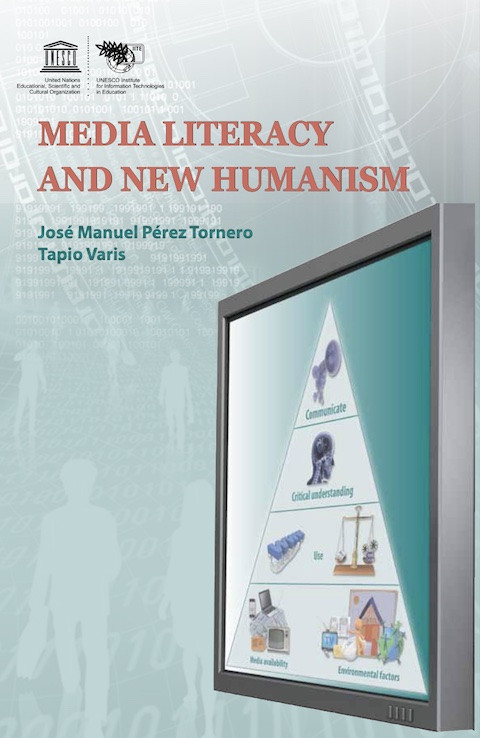 Media Literacy and New Humanism Year of publication: 2010 Author: José Manuel Pérez Tornero | Tapio Varis Corporate author: UNESCO Institute for Information Technologies in Education (IITE) The authors consider the opportunities that media literacy opens in the world of global education and communication in the context of new humanism.Being applied to education, the concept of new humanism, a new UNESCO credo, suggests the creation of a more inclusive society in which all humans have a chance to access knowledge and quality education and every word being heard in the universal dialogue. In the authors’ opinion, the new humanism in the global society must prioritize a new sense of respect for multiplicity and cultural diversity and must support media development with the goal of consolidating the new culture of peace.The book is aimed at educators, researchers, policy-makers, the media and civil society.
  Achieving SDG4 Through a Human Rights Based Approach to Education: World Development Report 2018 Background Paper Year of publication: 2018 Author: Kate Moriarty Corporate author: World Bank Quality education is a critical dimension for the achievement of sustainable development. The renewed political commitment set out in sustainable development goal 4 (SDG4) is an opportunity to ensure strong coherence between education policy and the right to education first articulated more than 70 years ago. This paper presents the results of a desk-based study on a human rights-based approach to education (HRBAE) in the context of SDG4. It explores the ways in which such an approach can guide policy, planning, and the delivery of education in observance with agreed international frameworks providing for the right to education. The paper argues that the human rights conventions on the right to education are not passive instruments designed to remain only at the level of discourse but, as legal obligations, require action from the state and should be central in the development of education services, including in the context of large scale displacement and crisis. This paper outlines the legally binding commitments of the right to education. It considers how these can be applied practically through a HRBA-E to address the continuing barriers to access and completion of quality education and learning.
 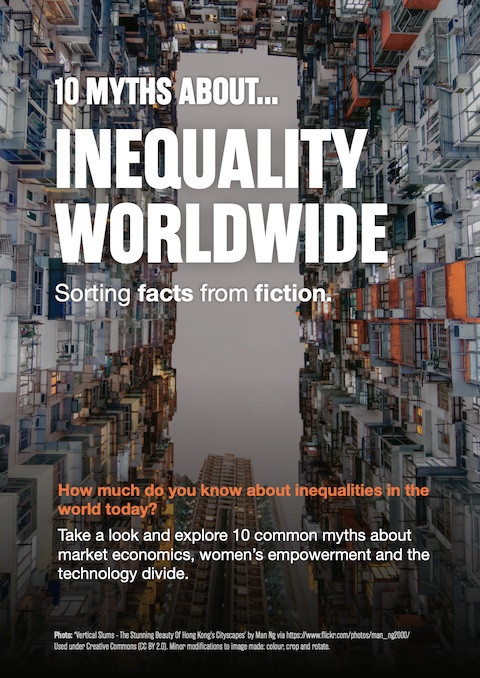 10 Myths About... Inequality Worldwide: Sorting Facts From Fiction Year of publication: 2021 Author: Colm Regan Corporate author: Irish Aid | DevelopmentEducation.ie This material explores 10 common myths about market economics, women’s empowerment and the technology divide. This pocket-size booklet includes: Why does thinking about inequality matters 10 short myths about the economics, gender equality and the role of technological solutions to inequalities Links to the Sustainable Development Goals References per each myth following a fact/fiction and explainer approach
 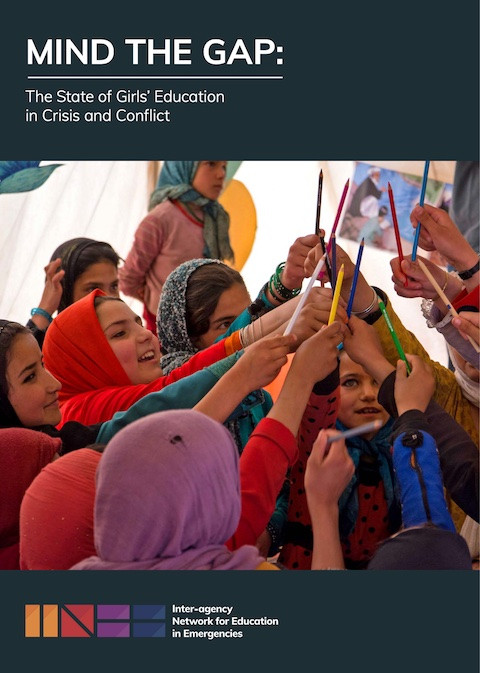 Mind the Gap: The State of Girls’ Education in Crisis and Conflict Year of publication: 2021 Corporate author: Inter-agency Network for Education in Emergencies (INEE) This report summarizes progress, gaps, challenges and opportunities in improving education and training for girls and women affected by conflict and crisis. The report aims to support the Charlevoix Declaration on Quality Education’s commitment to enhance the evidence base and monitor progress toward gender-equitable education in crises. The report draws from data on 44 crisis-affected countries, from recent research, and from a set of case studies of interventions in a range of crisis-affected contexts.
 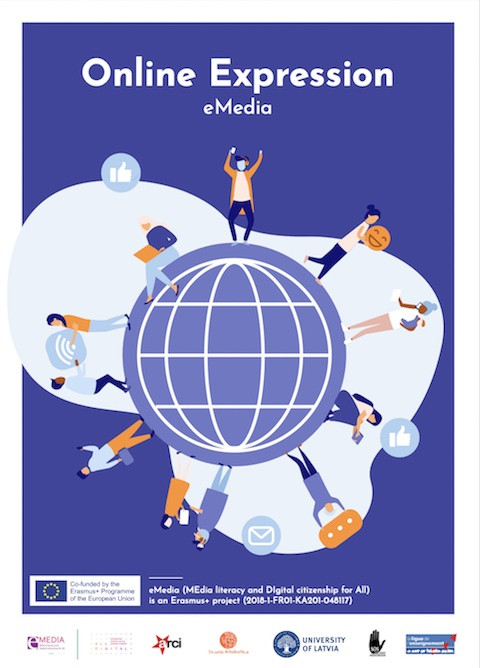 Online Expression: eMedia Year of publication: 2021 Corporate author: e-Media project Consortium | Erasmus+ The handbook on Online Expression gives an insight on what is online expression, and intends to promote a more creative, active and wise use of the web, exploring the opportunities given not only by social media and blogs. The aim of the handbook is to help teachers guide young people to hone their online expression skills by explaining how to be proactive in their online expressions and less reactive, to become a digital prosumer and not a consumer. The hanbook focuses on the following elements that characterizes online active participation: The creation of relationships; The building of a community or the fact of representing a community; The collective interest; The intention to produce a change, to influence society.
 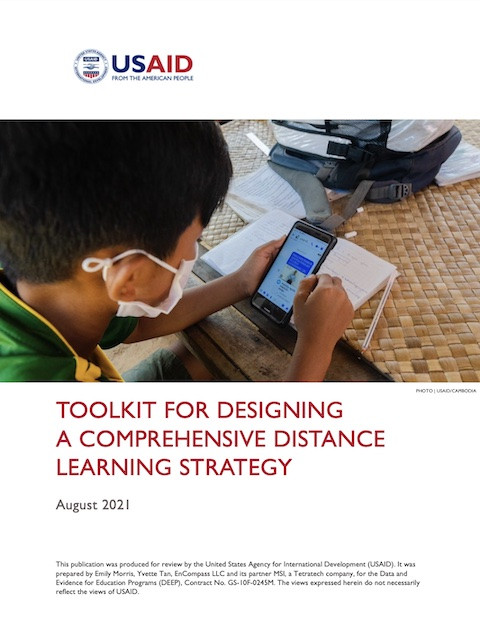 Toolkit for Designing a Comprehensive Distance Learning Strategy Year of publication: 2021 Author: Emily Morris | Yvette Tan Corporate author: United States Agency for International Development (USAID) The purpose of this toolkit is to provide practical guidance (tools, examples, and resources) for designing a comprehensive distance learning strategy that covers an entire education sector or system.