
Resources
Explore a wide range of valuable resources on GCED to deepen your understanding and enhance your research, advocacy, teaching, and learning.
948 Results found
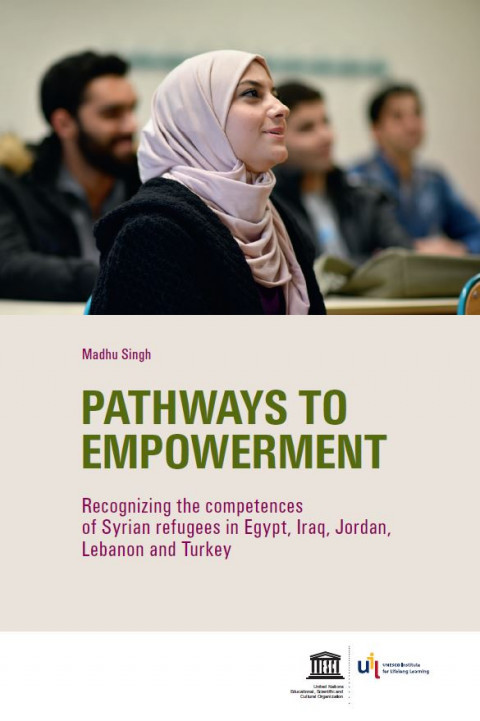 Pathways to Empowerment: Recognizing the Competences of Syrian Refugees in Egypt, Iraq, Jordan, Lebanon and Turkey Year of publication: 2018 Author: Madhu Singh Corporate author: UNESCO Institute for Lifelong Learning (UIL) For Syrian refugees living in Egypt, Iraq, Jordan, Lebanon and Turkey, recognition is a transformative mechanism that can help them enter or re-enter education, integrate into the world of work and participate fully in their host communities. However, while policy-makers in the region have prioritized the recognition, validation and accreditation of non-formal and informal learning, it remains a major challenge to develop systems that do this effectively. Pathways to Empowerment lays the essential groundwork for such a system, urging governments to develop comprehensive national strategies rather than ad hoc projects to recognize the competences of Syrian refugees. Its recommendations will contribute to dialogue between national authorities and social partners, and guide policy actions and RVA practices both in the region and in other parts of the world where recognition of refugees’ learning is a critical issue.
  CONFINTEA VI Mid-Term Review: Report of the Conference Year of publication: 2017 Author: Clinton Robinson Corporate author: UNESCO Institute for Lifelong Learning (UIL) The Sixth International Conference on Adult Education (CONFINTEA VI), held in Brazil in 2009, closed with the adoption of the Belem Framework for Action (BFA), which recorded the commitments of Member States and presented a strategic guide for the global development of adult learning and education. The third Global Report on Adult Learning and Education (GRALE 3), published in 2016, drew on survey data to evaluate progress made by countries in fulfilling the commitments made in Brazil.The CONFINTEA VI Mid-Term Review, held in Suwon, Republic of Korea, in October 2017, took stock of progress made by Member States in the past eight years, looking ahead to GRALE 4 in 2019 and CONFINTEA VII in 2021.This report summarizes the discussions that animated the Mid-Term Review conference and gives readers a brief survey of the key issues concerning progress against the BFA, across all world regions.
 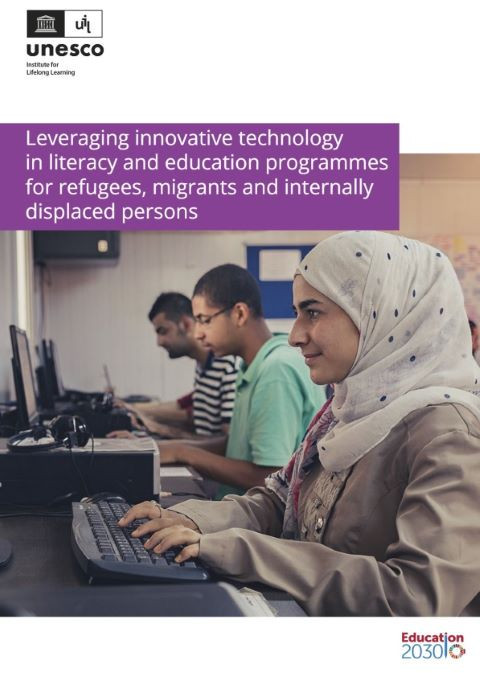 Leveraging Innovative Technology in Literacy and Education Programmes for Refugees, Migrants and Internally Displaced Persons Year of publication: 2022 Corporate author: UNESCO Institute for Lifelong Learning (UIL) The publication Leveraging innovative technology in literacy and education programmes for refugees, migrants and internally displaced persons brings together a selection of 21 case studies showcasing how ICTs can be integrated both innovatively and effectively into literacy and education programmes for refugees, migrants and IDPs. The case studies in this compilation demonstrate the potential of technology to support learners’ acquisition of literacy skills through arts-based learning, integrated literacy programmes, entrepreneurship training or in combination with tertiary education opportunities. They highlight the multitude of stakeholders that have come together across sectors to shape innovative responses that can make a real difference to learners’ lives. At the same time, the compilation shows the various modalities through which technology can be harnessed to deliver effective literacy and educational opportunities in diverse and challenging environments while recognizing and remaining sensitive to the needs of learners, be they refugees, IDPs or migrants.
 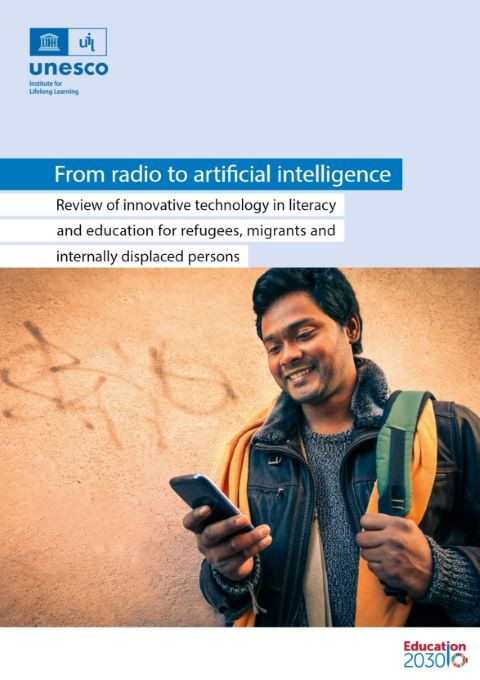 From Radio to Artificial Intelligence: Review of Innovative Technology in Literacy and Education for Refugees, Migrants and Internally Displaced Persons Year of publication: 2022 Corporate author: UNESCO Institute for Lifelong Learning (UIL) The publication From radio to artificial intelligence: Review of innovative technology in literacy and education for refugees, migrants and internally displaced persons presents a review of relevant literature and an analysis of 25 programmes from across the world that have used innovative ICTs in literacy and education for refugees, migrants and IDPs. It identifies a lack of data on the state of literacy for youth and adults globally, and limited literature on the effectiveness of ICTs in supporting literacy and education programmes for refugees, migrants and IDPs. The 25 analysed programmes reveal that ICTs play an important role in overcoming barriers to learning for these target groups, however. The strategies followed by these innovative ICT-supported programmes are elaborated across six thematic areas: (1) access and inclusion, (2) capacity-building of teachers and educators, (3) relevant content and innovative andragogy, (4) monitoring and evaluation, (5) strategic partnerships and (6) recognition, validation and accreditation of learning. De la radio à l’intelligence artificielle: Examen des technologies innovantes en matière d’alphabétisation et d’éducation pour les réfugiés, les migrants et et les personnes déplacées à l’intérieur de leur propre pays Year of publication: 2022 Corporate author: UNESCO Institute for Lifelong Learning (UIL) La publication De la radio à l'intelligence artificielle : Examen des technologies innovantes en matière d'alphabétisation et d'éducation pour les réfugiés, les migrants et les personnes déplacées à l'intérieur de leur propre pays présente une revue de la littérature pertinente et une analyse de 25 programmes du monde entier qui ont utilisé les TIC innovantes pour l'alphabétisation et l'éducation des réfugiés, migrants et personnes déplacées. Il identifie un manque de données sur l'état de l'alphabétisation des jeunes et des adultes dans le monde, et une littérature limitée sur l'efficacité des TIC à soutenir les programmes d'alphabétisation et d'éducation pour les réfugiés, les migrants et les personnes déplacées. Les 25 programmes analysés révèlent cependant que les TIC jouent un rôle important pour surmonter les obstacles à l'apprentissage pour ces groupes cibles. Les stratégies suivies par ces programmes innovants soutenus par les TIC sont élaborées à travers six domaines thématiques : (1) accès et inclusion, (2) renforcement des capacités des enseignants et des éducateurs, (3) contenu pertinent et andragogie innovante, (4) suivi et évaluation , (5) partenariats stratégiques et (6) reconnaissance, validation et accréditation des apprentissages. من الراديو إلى الذكاء الاصطناعي مراجعة التكنولوجيا المبتكرة في محو الأمية والتعليم للاجئين والمهاجرين والنازحين داخليًا Year of publication: 2022 Corporate author: UNESCO Institute for Lifelong Learning (UIL) تعتبر الحركة العالمية للأشخاص، سواء داخل الحدود الوطنية أو عبر لون لأسباب عديدة، فمنهم ّا. الناس يتنقًا راسخًالحدود الدولية، حدثمن يخشى الاضطهاد أو الحرب أو الكوارث، ومنهم من يبحث عن فرص حياة أفضل. في العقد الأخير، ارتفع عدد اللاجئين والنازحين داخليا والمهاجرين بشكل كبير بسبب الصراعات والكوارث الطبيعية رت مفوضية الأمم المتحدة السامية ّوالاصطناعية والعولمة. وقد مليون شخص قد نزحوا 82.4ّأن (UNHCRلشؤون اللاجئين )ون ّ، ومنهم النازحون واللاجئون الفلسطيني2020 في نهاية عام ًقسرا عن خمس ّون، والذين سيبقى معظمهم في المنفى لمدة لا تقلّوالفنزويلي سنوات )المفوضية السامية للأمم المتحدة لشؤون اللاجئين، 10إلى د للاجئين والنازحين من ّ(. في هذا النزوح المطول، لا ب2021الوصول إلى فرص محو الأمية والتعليم الشاملة وعالية الجودة، فهذا لون أكثر من ثلثي ّة للشباب والبالغين الذين يشكّأمر بالغ الأهمية، بخاصهذه المجموعة. على عكس البيانات الخاصة بالأطفال في سن المدرسة، تندر البيانات حول محو الأمية والاحتياجات والخبرات التعليمية للشباب والبالغين ل خبرات ما يناهز ّا. تتشكًمن اللاجئين والمهاجرين والنازحين داخلي( ، بحسب 2019ا )المنظمة الدولية للهجرة، ً مليون مهاجر272المنظار الذي يراهم فيه بلد المقصد سواء كانوا من الأشخاص الذين عتبرون من ذوي المهارات ُا - أي أنه قد يًانتقلوا طواعية أو قسرالعالية أو ذوي المهارات المنخفضة، أو حاملي الأوراق الثبوتية أو فاقديها، أو قيمة مضافة للاقتصاد أو عبء على المجتمع المضيف. ا ًا حيويًية بلغة بلد المقصد وفرص التعليم المستمر أمرّ محو الأمّعدُويال المهاجرين وتمكينهم من المشاركة في مجتمعاتهم ّلمنع استغلال العمكمواطنين فاعلين.( اللاجئين يمكن أن تساعد تكنولوجيا المعلومات والاتصالات )ICTب على التحديات ّا على التغلًوالمهاجرين والمتعلمين النازحين داخليا ما يواجهونها، مثل تلك المتعلقة بإمكانية الحصول على ًالتي غالبف مع ّة للتكيّالتعليم واللغة. فيمكنهم العثور على موارد التعلم المعدمون في وقتهم الخاص ّحاجات الفرد واستخدامها بلغتهم وبذلك يتعلى ولو كان النفاذ إلى تكنولوجيا ّوبحسب وتيرتهم. في الواقع، حت تحسين تصميم برامج محو ّا، فإنًالمعلومات والاتصالات محدودقة الاتصال أو معدومة ّة للعمل في سياقات ضيّالأمية والبرامج التعليميم إلى الأماكن النائية. في الوقت نفسه، ّبالإنترنت يمكن أن يصل التعلّ إدراك حدود تكنولوجيا المعلومات والاتصالات وفهمها، لأنّمن المهمتصميمها واستخدامها يكمن في سياقات تكنولوجية واجتماعية وثقافية ا عند ًدون داخليّوسياسية مختلفة يواجهها اللاجئون والمهاجرون والمشرالانتقال من مكان إلى آخر. استجابة لهذه المشاكل، بدأ معهد اليونسكو للتعلم مدى الحياة ، بدعم ،(SIDAمالي من الوكالة السويدية للتعاون الإنمائي الدولي )م ّباستعراض الأدبيات والممارسات الخاصة بالتقنيات المبتكرة لتعلالقراءة والكتابة والتعليم للشباب واللاجئين الكبار والمهاجرين ث عن ّات التي تتحدّا. ويجمع هذا الاستعراض الأدبيًوالنازحين داخلييات التي تواجهها تلك الفئات الضعيفة وعن احتياجاتها. كما يراجع ّالتحد تنفيذها ّا لمحو الأمية والتعليم تمًا مختارً برنامج25ة قيام ّالاستعراض كيفيفي أصقاع العالم المختلفة، بوضع تكنولوجيا المعلومات والاتصالات ة. ّموضع التنفيذ لمساعدة هذه المجموعات في مساعيها التعليميتؤكد الرؤى المستمدة من البرامج على قيمة استخدام مجموعة واسعة ات ّ إلى التقنيًا من الراديو وصولاًات، بدءّمن التقنيات والتكنولوجيمة، مثل الذكاء الاصطناعي، لتحسين محو الأمية والتعليم ّالرقمية المتقدات ضمن ّ استخدام هذه التقنيّه لهذه الفئات الضعيفة. وقد تمّالموجمين ّيات تزويد المتعلّتركيبات مبتكرة لتمكين البرامج من مواجهة تحدمين بإمكانية الوصول إلى تكنولوجيا المعلومات والاتصالات ّوالمعل التعليم ّا أنًظهر الاستعراض أيضُم. كما يّال للتعلّواستخدامها الفعد المنصف والشامل والفرص مدى الحياة للاجئين والمهاجرين ّالجيا تتحقق بشكل أفضل عندما يعمل أصحاب المصلحة ًوالنازحين داخليا لتلبية احتياجات هؤلاء المتعلمين المستهدفين.ًمعنعتقد أن هذا التقرير فريد من نوعه في محاولته لمعالجة التجارب المتنوعة للسكان الشباب والبالغين من اللاجئين والمهاجرين والنازحين البحث بشأنهم بما يكفي، وفي كيفية مراجعته ِداخليا، الذين لم يجرللفرص والتحديات المتعلقة بالوصول إلى برامج محو الأمية المدعومة بالتكنولوجيا والمشاركة فيها وفي البرامج التعليمية. م الذي يحدث في السياق ّل النموذجي للتعلّا لأننا نشارك في التحوًنظرونساهم به، فإننا ندعوكم لقراءة هذا التقرير -19الحالي لأزمة كوفيدمين كافة.ّ للمتعلًل التعليمي أكثر شمولاّوالتفكير في كيفية جعل هذا التحوديفيد أتشواريناالمديرمعهد اليونسكو للتعلم مدى الحياة
  Futures of Education: learning to become - Report on the future of education in the Arab region - Building the future 2020-2050 Year of publication: 2020 Corporate author: UNESCO Institute for Lifelong Learning (UIL) A report that monitors the most important results of the regional and national consultations in the Arab region, which were conducted by the Arab Campaign for Education for All - IKEA and its partners and members in the Arab educational coalitions on the future of education. It comes as part of their contribution to the global Future of Education initiative launched by UNESCO. مستقبل التربية والتعليم : تعلّم لتصبح الإنسان الذي تريد - تقرير توجهات مستقبل التعليم في المنطقة العربية – بناء المستقبل 2020 -2050 Year of publication: 2020 Corporate author: UNESCO Institute for Lifelong Learning (UIL) تقرير يرصد أهم نتائج المشاورات الإقليمية والوطنية في المنطقة العربية، والتي أجرتها الحملة العربية للتعليم للجميع -آكيا وشركائها وأعضائها في الإئتلافات التربوية العربية حول في مستقبل التعليم، وهو يأتي كجزء من مساهمتهم جميعا في مبادرة مستقبل التربية والتعليم العالمية التي أطلقتها اليونيسكو.
  사회경제 변화에 대응하는 평생교육 확대 방안 (KEDI Brief, 2020년 제7호) Year of publication: 2020 Author: 박병영 | 이정우 Corporate author: 한국교육개발원 2019년 한국교육개발원 기본연구로 수행된 「사회적 형평성 제고를 위한 평생교육 확대 방안」 (박병영 외, 2019)의 일부 내용을 발췌하여 재구성한 자료로서 한국 사회에서 평생교육의 필요성을 짚어보고 그에 따른 평생학습 확대를 위한 정책 과제를 제시한다.
  2030 지속가능개발목표(SDGs)실천 방안 연구: 교육 분야를 중심으로 Year of publication: 2016 Author: 안혜정 | 서예원 | 윤종혁 | 김은영 | 염후남 | 박환보 | 최동주 | 김명진 | 이정화 Corporate author: 한국교육개발원 이 연구는 새천년개발목표(MDGs)의 이행종료와 더불어 향후 2030년까지 국제사회가 함께 성취해야 할 개발목표로 채택된 지속가능개발목표(SDGs) 중 네 번째 목표인 교육 목표(SDG 4)의 전략적 실천방안을 마련하기 위하여 수행되었다. 현 정부는 “ODA 지속 확대 및 모범적・통합적 개발협력 추진”을 국정과제로 삼고, 개도국 소녀교육 및 아프리카 직업/ICT 교육을 포함한 4대 구상을 선정하는 등 교육 분야 개발협력의 중요성과 필요성을 강조한 바 있다. 이에 본 연구에서는 우리나라 교육개발협력 사업의 현황과 수행주체별 참여 실태 및 인식 조사를 토대로 실효성 있는 정책방안을 도출하고 SDG 4의 실천 방안을 제시하였다.