
Resources
Explore a wide range of valuable resources on GCED to deepen your understanding and enhance your research, advocacy, teaching, and learning.
3,229 Results found
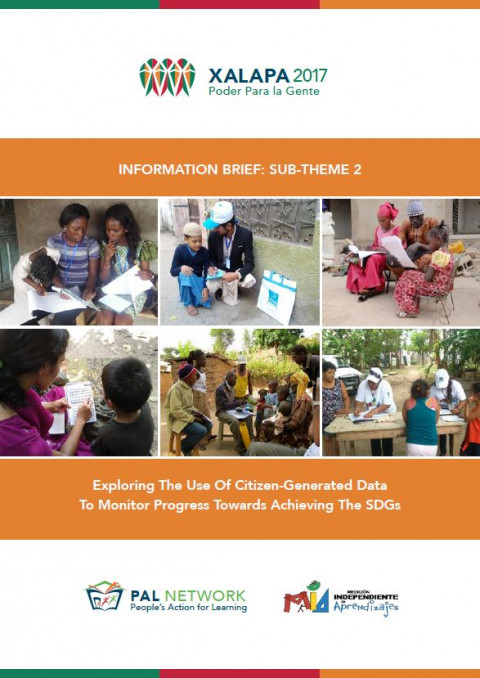 Exploring the Use of Citizen-generated Data to Monitor Progress Towards Achieving the SDGs Year of publication: 2017 Corporate author: People's Action for Learning Network The 5th Annual PAL Network meeting was held in Xalapa, Mexico from 13th to 16th March 2017. The meeting was jointly hosted by Medición Independiente de Aprendizajes (MIA) and the PAL Network. The meeting provided structured opportunities for deep exploration of this year’ theme: ‘Power to the People’. The theme was critically explored by over 80 participants from more than 19 Global South countries in four different sub‑theme groups. Each sub-theme focused on a different aspect of citizen participation in conducting household-based learning assessments with a focus on value, potential and next steps.
 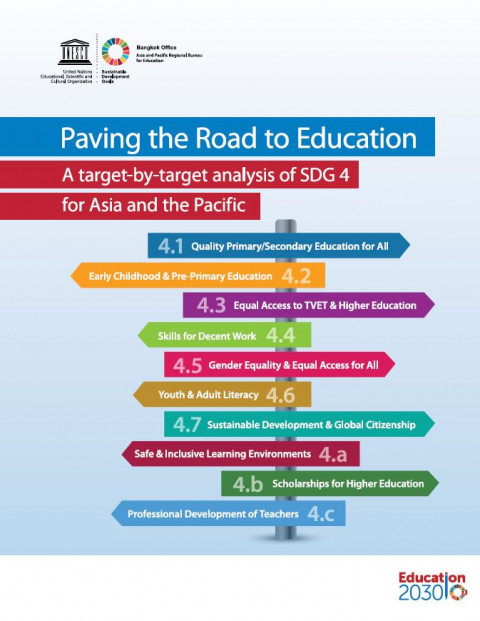 Paving the Road to Education: A Target-by-Target Analysis of SDG 4 for Asia and the Pacific Year of publication: 2018 Corporate author: UNESCO Bangkok The globally adopted development agenda “Transforming our World: the 2030 Agenda for Sustainable Development” has established ambitious intentions that build on the past Millennium Development Goals but also expand on their achievements.The Sustainable Development Goal 4 on education propels forward the vision of ensuring inclusive and equitable quality education and to promote lifelong learning opportunities for all through a holistic, aspirational and systematic education agenda. Education monitoring is an integral part in this process.This publication delivers a data-rich snapshot of Sustainable Development Goal 4, its targets and their monitoring indicators while analyzing available data through a lens of inequality.Assessing the progress which countries have made in the recent past as well as where countries currently stand, this publication sets a baseline against which Member States from Asia and the Pacic are able to monitor progress in achieving the Goal 4 over time but at latest by 2030.Finally, after discussing emerging opportunities and remaining challenges in the region, this publication seeks to assist Member States in identifying what steps can be taken to ensure that the region will achieve the new education agenda.
 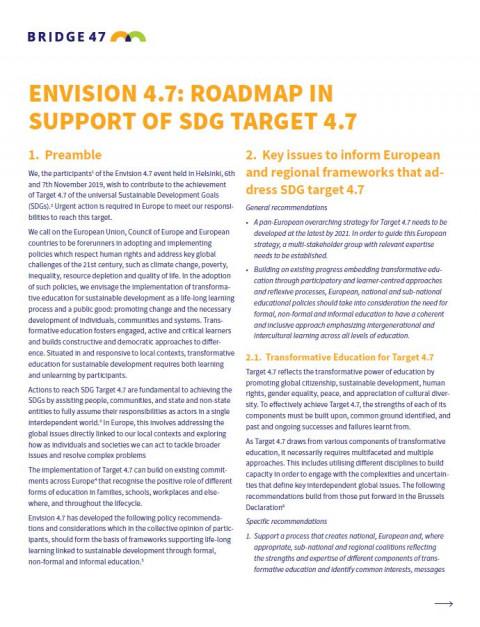 ENVISION 4.7: ROADMAP IN SUPPORT OF SDG TARGET 4.7 Year of publication: 2019 Corporate author: Bridge 47 In November 2019, 200 policy makers, civil society members and researchers from all over the world got together in Helsinki to make a roadmap for the future implementation of SDG Target 4.7 in Europe. The participants of the Envision 4.7 event held in Helsinki, 6th and 7th November 2019, made this document to contribute to the achievement of Target 4.7 of the universal Sustainable Development Goals (SDGs). This document was shaped and influenced by the expertise and insight of everyone who came to the conference. Bridge 47 is calling on this collective knowledge and community of experts to continue moving these recommendations forward as we all aim to achieve SDG Target 4.7 and use transformative education as a mechanism for achieving all of the Sustainable Development Goals.
 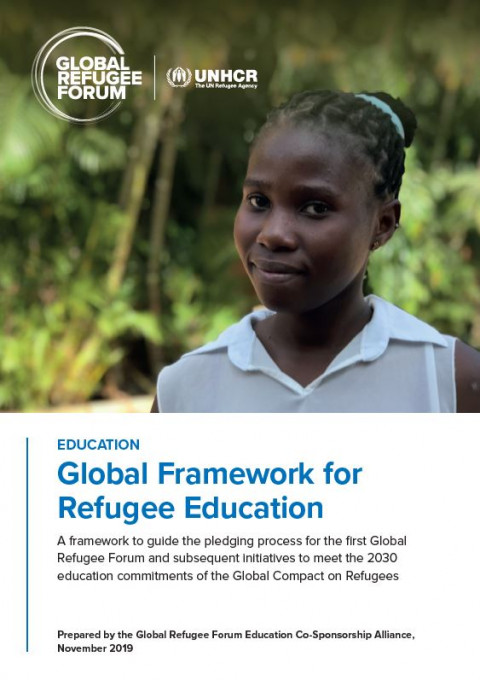 Global Framework for Refugee Education Year of publication: 2019 Corporate author: Global Refugee Forum Education Co-Sponsorship Alliance | UN. Office of the United Nations High Commissioner for Refugees (UNHCR) This Global Framework for Refugee Education has been produced by the Global Refugee Forum’s Education Co-Sponsorship Alliance, comprising more than 60 partners. It aims to help partners to translate the Global Compact on Refugees and the Refugee Education 2030: A Strategy for Refugee Inclusion into pledges for concrete action to help achieve inclusive and equitable quality education for all by 2030.
 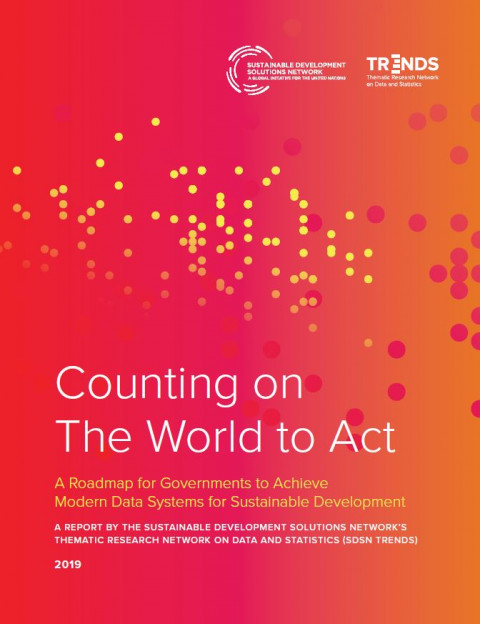 Counting on the World to Act: A Roadmap for Governments to Achieve Modern Data Systems for Sustainable Development Year of publication: 2019 Corporate author: Sustainable Development Solutions Network Thematic Research Network on Data and Statistics (SDSN TReNDS) Eradicating poverty and hunger, ensuring quality education, instituting affordable and clean energy, and more – the Sustainable Development Goals (SDGs) lay out a broad, ambitious vision for our world. But there is one common denominator that cuts across this agenda: data. Without timely, relevant, and disaggregated data, policymakers and their development partners will be unprepared to turn their promises into reality for communities worldwide. With only eleven years left to meet the goals, it is imperative that we focus on building robust, inclusive, and relevant national data systems to support the curation and promotion of better data for sustainable development. In Counting on the World to Act, TReNDS details an action plan for governments and their development partners that will enable them to help deliver the SDGs globally by 2030. Our recommendations specifically aim to empower government actors – whether they be national statisticians, chief data scientists, chief data officers, ministers of planning, or others concerned with evidence in support of sustainable development – to advocate for, build, and lead a new data ecosystem.
 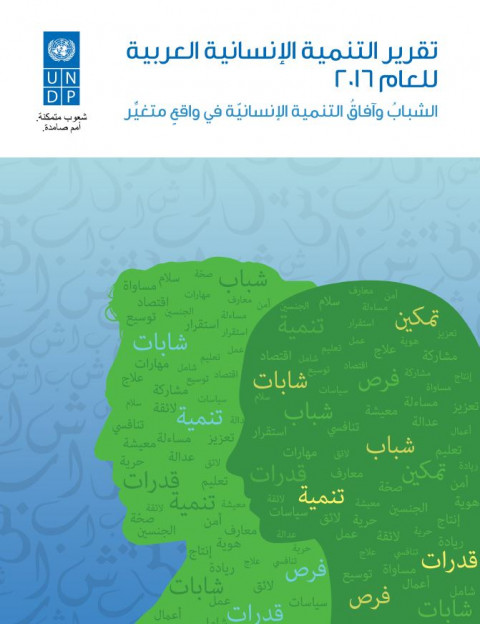 تقرير التنمية الإنسانية العربية للعام 2016: الشباب وآفاق التنمية واقع متغير Year of publication: 2016 Corporate author: UNDP Arab States يتناول تقرير "التنمية الإنسانية العربية للعام 2016: الشباب وآفاق التنمية واقع متغير" بالدراسة التحديات والفرص التي تواجه الشباب في المنطقة العربية، وخاصة منذ عام 2011، ويسعى لتقديم لمحة عامة عن الشباب في المنطقة، ولتحفيز نقاش جاد يشارك فيه الشباب أنفسهم مع أهم الأطراف الأخرى في المجتمع حول حول مستقبل التنمية في المنطقة بالنظر إلى وضع الشباب ودورهم باعتبارهم قضية محورية في هذا الوقت بالذات.ينطلق التقرير من حقيقة أن جيلُ الشباب الحالي يمثل أكبرُ كتلة شبابيّة تشهدها المنطقة على مدى السنوات الخمسين الماضية، إذ يكون 30 في المئة من سكّانها الذين يبلغ عددُهم 370 مليونَ نسمة. وينبِّه التقرير إلى أن البلدان العربية تستطيع تحقيقَ طفرة حقيقية ومكاسب كبيرة في مجالي التنمية، وتعزيزَ الاستقرار، وتأمينَ هذه المكاسب على نحوٍ مستدام إذا تبنَّت سياساتٍ تُعطي الشبابَ حصةً يستحقونها في تشكيل مجتمعاتِهم وتَجعلهم محطَّ الاهتمام - سياسيًّا واجتماعيًّا واقتصاديًّا.ويدعو تقرير التنمية الإنسانية العربية 2016 دول المنطقة إلى الاستثمار في شبابها وتمكينهم من الانخراط في عمليات التنمية، كأولوية حاسمة وملحة في حد ذاتها وكشرط أساسي لتحقيق التنمية المستدامة. وتكتسب هذه الدعوة أهمية خاصة اليوم إذ تشرع كافة البلدان زمنها الدول العربية في إعداد خططها الوطنية لتنفيذ خطة 2030 للتنمية المستدامة. كما يدعو التقرير إلى تبني نموذجِ تنميةٍ ذي تَوجُّهٍ شبابي، يُركِّز في آن واحد على بناء قدرات الشباب وتوسيعِ الفرص المتاحةِ لهم، ويعتبر أن تحقيقَ السلام والأمن على الصعيدَين الوطنيِّ والإقليمي شرطًا أساسيًّا لمستقبلٍ جدير بالشباب. Arab Human Development Report 2016: Youth and Development Prospects Year of publication: 2016 Corporate author: UNDP Arab States AHDR 2016 examines challenges and opportunities facing youth in the Arab region, especially since 2011, and seeks to provide an overview on youth in the region and stimulate a broad dialogue between youth and key stakeholders on the future of development in the region, focusing on the role of youth as critical partners at this very point in time.The point of departure of the report is the demographic fact that the current youth generation is the largest youth cohort this region has had over the past 50 years, making up 30% of its population of 370 million. The report argues that Arab countries can achieve a great leap forward in development, reinforce stability and secure such gains in a sustainable manner, if they adopt policies that give youth a stake in shaping their societies and put them at the centre—politically, socially and economically.The AHDR 2016 calls upon Arab countries to invest in their young people and empower them to engage in the development process as an urgent and critical priority in its own right and prerequisite to achieving sustainable development –a call that is particularly timely as Arab countries embark on formulating their plans to meet the goals of the Sustainable Development Agenda 2030. The report also calls for a youth-oriented development model that focuses simultaneously on building young people’s capabilities and expanding opportunities available to them, considering the achievement of peace and security at national and regional levels as a prerequisite for a future fit for youth.
  مؤتمر العولمة ومناهج البحث العلمي: التوصيات Year of publication: 2014 Corporate author: Generation of Scientific Research Center يعيش العالم اليوم تحت مضلة العولمة والتي لم تبقى مقتصرة على الجانب الاقتصادي والاجتماعي فحسب بل تعدت ذلك لتمس بمناهج الفكر والبحث العلمي، ومن منطلق حرص مركز جيل البحث العلمي على مواكبة كل جديد على مستوى البحث العلمي نظم مؤتمره الدولي الثالث تحت عنوان: “العولمة ومناهج البحث العلمي” ببيروت أيام 25-26- 27 أبريل 2014. توزعت أوراق عمل المؤتمر على عشر جلسات علمية تناولت موضوع العولمة من كل جوانبه ودارت حول ستة محاور، استهل المحور الأول بـ” الإطار المفاهيمي” من خلال التوقف عند العولمة والبحث العلمي الرؤى والمفاهيم وتناول المحور الثاني مظاهر تأثر المؤسسات الأكاديمية بالعولمة وخصص المحور الثالث للعولمة والبحث العلمي في مجال الدراسات القانونية والسياسية أما المحور الرابع فلقد تطرق فيه الباحثون للعولمة والبحث العلمي في مجال الدراسات الإجتماعية والإنسانية ليضيء المحور الخامس على العولمة والبحث العلمي في مجال الدراسات الأدبية والفكرية، وأخيرا تناول المحور السادس والأخير العولمة والبحث العلمي في مجال الدراسات الإسلامية. أجمع الباحثون في نهاية المؤتمر على مجموعة من التوصيات تضمنها البيان الختامي الصادر عن اللجنة العلمية للمؤتمر المشكلة من: د. سرور طالبي لبنان/ الجزائر؛ رئيسة المؤتمر. أ. د طارق السعدي – لبنان؛ أ.د. عبد الله العساف (سوريا/ السعودية) أ. د نور الهدى حماد – مصر. أ.د. مصطفى رحومة – ليبيا. أ.د. ميلاد مفتاح – ليبيا. د. سالم بن خلفان بن حميد الخايفي- سلطنة عمان. د. فرج محمد نصر لاما – ليبيا. د. سالم أحمد العجيل – ليبيا. د. جهاد الغرام – فلسطين. أ. غزلان هاشمي – الجزائر. د. بومدين بلخثير- الجزائر. أ. عمر عبد الله الكروش – العراق. أ. اميمة الزين – لبنان. وفيما يلي توصيات المؤتمر: Conference on Globalization and Scientific Research Methods: Recommendations Year of publication: 2014 Corporate author: Generation of Scientific Research Center The world today lives under the misleading of globalization, which has not only been confined to the economic and social aspect, but has gone beyond that to affect the methods of thought and scientific research. Scientific papers ”in Beirut on 25-26-27 April 2014. The working papers of the conference were distributed on ten scientific sessions dealing with the subject of globalization in all its aspects and it revolved around six axes. The first axis started with the“ conceptual framework ”through stopping at globalization and scientific research. The second manifestations of the institutional impact The third axis focused on globalization and scientific research in the field of social and human studies. The fifth axis sheds light on globalization and scientific research in the field of literary and intellectual studies. Finally, the sixth and final axis dealt with globalization and scientific research. In the field of Islamic studies. At the end of the conference, the researchers unanimously agreed on a set of recommendations contained in the final statement issued by the scientific committee of the conference.Sorour Talbi Lebanon / Algeria; President of the Conference. a. Dr. Tariq Al-Saadi - Lebanon; Abdullah Al-Assaf (Syria / Saudi Arabia) Dr. Nour El Hoda Hammad - Egypt. Prof.Dr. Mustafa Rahouma - Libya. Prof.Dr. Milad Moftah - Libya. Dr.. Salem bin Khalfan bin Humaid Al-Khaifi - Sultanate of Oman. Dr.. Farag Mohamed Nasr Lama - Libya. Dr.. Salem Ahmed Al - Ajeel - Libya. Dr.. Jihad Al - Gharam - Palestine. a. Ghazlan Hashemi - Algeria. Dr.. Boumediene Belkhther - Algeria. a. Omar Abdullah Al Krouche - Iraq. a. Omaima Zein - Lebanon. The Conference's recommendations are as follows:
  التجربة الليبية في محو الأمية وتعليم الكبار Year of publication: 2017 Corporate author: Masouda Ali Al Aswad عانت ليبيا شأنها كغيرها من دول العالم الثالث من مشكلة األمية كأحد أهم التحديات التي واجهت والتزال تواجه مسيرة التقدم التي تسعى اليها. وقد مرت البالد بمراحل تخلف واستعمار وانتداب كان لها األثر السيء على المستوى الفردي والمجتمعي أدى الى تأخر التنمية البشرية وإضعاف خطى التطور والبناء. ونظرا ألهمية التعليم في بناء األمم سعت ليبيا منذ فترات بعيدة الى نشر العلم والتعلم بين شرائح المجتمع المختلفة صغارا وكبارا وكان الطموحات كبيرة فيما يخص برنامج محو األمية منذ الخمسينات وحتى يومنا هذا. وقد تنوعت األساليب والطرق التي حوربت بها األمية، فمن األمية األبجدية التي استهدفت شرائح المجتمع التي فقدت فرصتها في التعلم القرائي والكتابي في الوقت المناسب، الى محاولة القضاء على األمية المهنية، والتدريب المهني، واإلعداد الحرفي، والتدريب المنزلي والتثقيف الصحي، من خالل اكساب هذه الفئات المهارات الكافية لتحقيق االستقالل الذاتي، الى محاربة األمية الحضارية والوظيفية والتقنية والتدريبية والتي تستهدف تكوين الكوادر القادرة على سد االحتياجات في سوق العمل. وقد اتبعت الدولة الليبية كل الوسائل والطرق الممكنة للقضاء على األمية من مدارس تعليم الكبار الى المدارس المسائية الى الفصول االستثنائية في أوقات الفراغ، الى المساجد والمنارات والزوايا التي ساهمت في نشر ثقافة حفظ ودراسة القرآن الكريم مما انعكس إيجابا على مستوى التعلم لدى فئات كبيرة ممن لم يتمكنوا من دخول المدارس. هذا باإلضافة الى برنامج الجامعة المفتوحة الذي يعد إنجازا وفر فرصا ذهبية لمن فاتته فرصة التعليم الجامعي كما حققت الدولة من خالله نوعا من التوازن بين القوى العاملة والمستويات العالية للتعليم لهذه القوى. وقد حققت ليبيا مراتب عالية من حيث قدرتها على مواجهة األمية ونشر الوعي والثقافة األبجدية باإلضافة الي تحقيق مراحل ملموسة من ناحية األمية التقنية. وقد أثبتت التقارير أنها تبوأت مراتب متقدمة في سلم الدول التي نجحت في محاربة شبح األمية بأنواعها. غير أنها في الوقت ذاته التزال تواجه تحديات كبيرة ومشاكل جمة تحتاج الى دراسات مستوفية وجهود جبارة للقضاء عليها.