
Resources
Explore a wide range of valuable resources on GCED to deepen your understanding and enhance your research, advocacy, teaching, and learning.
2,781 Results found
 Preventive Education for Educational Institutions in Confronting Ideological Extremism Year of publication: 2015 Author: Muhammad Hassan Corporate author: Ain Shams University The problem in this study is summarized by the following question: How do educational institutions face the problem of ideological extremism through preventive education? Hence, the study aims to achieve some benefits for those interested in education and confronting extremism, such as: 1) Identifying the concepts of extremism and preventive education in facing it. 2) Identify the dangers of the phenomenon of intellectual extremism and its effects among members of society. 3) Identifying the most prominent regional challenges that have a direct impact on spreading deviant thought. 4) Standing on the educational role in confronting this phenomenon, as represented by some educational institutions. 5) Highlighting some educational requirements in preventing the dangers of intellectual extremism.This study relies on the analytical descriptive approach. After the study procedures, which included the following: Preventive education and the challenges of the times, where the concept of education, its importance, objectives and fields, and contemporary intellectual challenges affecting the subject of study were presented, and then intellectual extremism: its concept of its causes and dangers, moving to the requirements of the preventive role of education in facing intellectual extremism. The study concluded the following: Intellectual extremism does not express a situation isolated from the general social and cultural context, but rather the necessity of one of its direct or implicit results. Hence, any treatment of intellectual extremism must be aware of the reality of the family, school, university, mosque, and cultural and media production. The more treatments are directed horizontally, noting the different dimensions and elements, the more feasible and beneficial the results will be.
  Effects and Limits of Core Schools for Multicultural Education (The Journal of Curriculum and Evaluation; Vol. 19, No. 1) Year of publication: 2016 Author: Hyosun Kim | Wonpyo Hong Corporate author: Korea Institute for Curriculum and Evaluation (KICE) This study investigates curriculum programs of core schools for multicultural education and teachers’ responses to their effects and limits. To address these topics, this study analyzes curricular documents collected from 18 elementary and secondary schools selected as exemplary cases in 2014. It also conducted in-depth interviews with 14 teachers who are in charge of planing and implementing multicultural programs in core schools. Major results support that multicultural core schools expand the targets of multicultural education to mainstream students, their parents and local residents beyond minority students and their parents. It turned out, however, that multicultural core schools still tend to untouch structural biases and discriminations, while focusing on extending students’ awareness of cultural and racial diversities. This study also reveals that participating teachers face such difficulties as heavy workloads, lack of collaboration from local schools, and lack of relevant experiences and instructional materials. Based on these results, this study suggests the sharing of successful programs, enhancing teachers awareness of the significance of multicultural education, and further supports for teachers in charge of multicultural education to achieve the targeted goals of multicultural core schools. 다문화교육 중점학교 교육 프로그램 운영 현황 및 발전 방향에 대한 연구 (교육과정평가연구; Vol. 19, No. 1) Year of publication: 2016 Author: 김혜선 | 홍원표 Corporate author: 한국교육과정평가원 본 연구는 다문화교육 중점학교의 프로그램 운영 현황을 파악하고, 이에 대한 교사들의 인식과 운영상의 어려움을 살펴보기 위해 수행되었다. 이를 위해 2014년도 다문화교육 중점학교 가운데 우수 사례로 선정된 18개 학교의 문헌자료를 분석하였고, 그 중 14개 학교의 담당 교사와 면담을 수행하였다. 연구 결과, 모두를 위한 다문화교육을 지향하는 도입 취지에 맞게, 다문화교육 중점학교들에서는 다문화교육의 대상을 일반 학생이나 학부모들로 확대하고 있었다. 반면 다문화교육의 내용 측면에서는 여전히 문화 다양성이나 문화이해 교육이 다수를 차지하고 있는 데 비해 반편견·반차별은 주변화되어 있는 것으로 나타났다. 한편, 학교 현장의 담당 교사들은 이전의 시범학교들보다 중점학교의 접근 방식이 다문화교육의 취지와 좀 더 부합한다는 의견을 보이고 있는 반면, 업무과중, 인근 학교의 협조 부족, 관련 정보 부족 등과 같은 어려움을 지적하고 있었다. 이러한 결과를 토대로 본 연구는 다문화교육 중점학교의 발전 방안으로 다문화교육에 대한 학교 구성원들의 인식 강화, 반차별·반편견 관련 내용 요소 확대, 우수 프로그램의 확산과 공유 등을 제시하고 있다.
  Reviews of National Policies for Education: Kazakhstan, Kyrgyz Republic and Tajikistan 2009; Students With Special Needs and Disabilities Year of publication: 2009 Corporate author: Organisation for Economic Co-operation and Development (OECD) This OECD publication provides an overview of current education policies for children with special educational needs and disabilities in Kazakhstan, the Kyrgyz Republic and Tajikistan. Provides an idea of the socio-historical context, education systems and the corresponding legislation, critically analyzes the adopted views on access to education for the most vulnerable group of children in these countries. Particular attention is paid to political measures, aimed at ensuring inclusive education, procedures identification and assessment, overall coordination of educational service delivery, integration into the general education system, as well as best practices and the role of NGOs and community donors. Oбзор национальной политики в области образования: Казахстан, Кыргызская Pеспублика и Таджикистан 2009; Учащиеся с особыми потребностями и ограниченными возможностями Year of publication: 2009 Corporate author: Organisation for Economic Co-operation and Development (OECD) В данной публикации ОЭСР предлагается обзор текущей образовательной политики в отношении детей с с особыми образовательными потребностями и ограниченными возможностями в Казахстане, Кыргызской Республике и Таджикистане. Дается представление о социальноисторическом контексте, системах образования и соответствующего законодательства, критически анализируются принятые взгляды на доступ к образованию для самой уязвимой группы детского населения в данных странах. Особое внимание уделяется политическим мерам, направленным на обеспечения инклюзивности образования, процедурам идентификации и оценки, общей координации предоставления образовательных услуг, интеграции в общеобразовательную систему, а также наиболее успешным практикам и роли НПO и общественных доноров.
 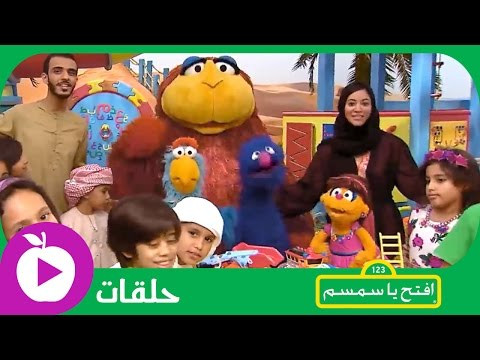 افتح يا سمسم: الجيران Year of publication: 2015 Corporate author: Ahlan Simsim مقطع فيديو رائع يجسد أهمية المحبة بين الجيران، وأن الصحبة بينهم هي الأساس لحياة سعيدة مستدامة. Open Sesame: The Neighbors Year of publication: 2015 Corporate author: Ahlan Simsim A wonderful video clip that captures the importance of love between neighbors, and that companionship between them is the basis for a happy, sustainable life.
  문화다양성 기반 문화예술 교육프로그램 분석 및 방향에 관한 연구: 국립현대미술관 사례를 중심으로 Year of publication: 2019 Author: 황지영 | 홍해지 Corporate author: 한국예술경영학회 | 한국문화교육학회 본 자료는 2019 문화예술교육 유관학회 연계 '작은 연구’에서 발췌한 '문화다양성 기반 문화예술 교육프로그램 분석 및 방향에 관한 연구:국립현대미술관 사례를 중심으로' 연구자료이다.본 연구는 서울어젠다를 기반으로 한 문화예술교육의 사회적 가치 확산의 흐름을 파악하고 앞으로의 방향성을 제시하는 것을 목적으로, 문화다양성의 개념과 방향에 대한 논의가 확장됨에 따라 이를 반영한 문화다양성 관점의 문화예술교육프로그램의 운영 실태를 파악하고 앞으로의 방향성을 모색하고자 한다.
 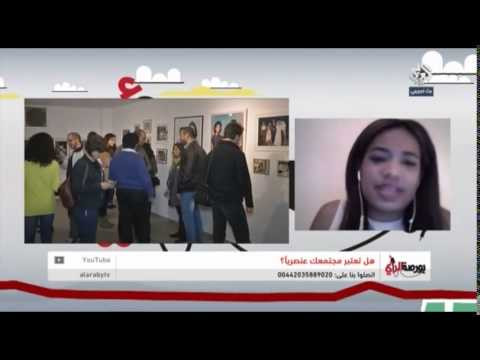 العنصرية ضد السود في الدول العربية - حلقة خاصة من برنامج بورصة الرأى Year of publication: 2015 Corporate author: Alaraby TV يعرض هذا البرنامج التلفزيوني قضية العنصرية ضد السود في العالم العربي. يقوم البرنامج بمقابلة الناس حول هذه الحالة ومعرفة كيف ينظرون إلى القضية. Racism against Black People in Arab Countries: A Special Episode of the Stock Exchange Programme Year of publication: 2015 Corporate author: Alaraby TV This TV program presents the issue of racism against black people in the Arab world. The program interviews people about this case and see how they look at the issue.