
Resources
Explore a wide range of valuable resources on GCED to deepen your understanding and enhance your research, advocacy, teaching, and learning.
3,797 Results found
 Development Strategy of Uzbekistan: Civil Society; Training and Methodology Complex Year of publication: 2019 Author: M.N. Primov | T. Norboev Corporate author: Uzbekistan. Ministry of Higher and Secondary-Specialized Education | Tashkent Institute of Finance The document is a collection of training materials on the conditions and prospects for the development of civil society in Uzbekistan, as well as the implementation of the main directions of the Action Strategy. The document also the role of local governments of citizens, non-governmental non-profit organizations in improving institutions civil society.A major role in this is played by new socio-political disciplines, which include the “Development Strategy of Uzbekistan. Civil society". This course reveals the basic scientific principles of the formation of civil society and the development strategy of Uzbekistan, analyzes the main stages of transformation, shows the irreversibility of the reforms carried out in the country, and helps to build the civic position of each member of the society. It is organically woven into the humanities system, forming a common logical chain with it; It helps to answer questions of modern policy of our state and to determine the place and role of each person in the grandiose transformations carried out in the country. Стратегия развития Узбекистана. Гражданское общество: Учебно-методический комплекс Year of publication: 2019 Author: M.N. Primov | T. Norboev Corporate author: Uzbekistan. Ministry of Higher and Secondary-Specialized Education | Tashkent Institute of Finance Документ является сборником учебных материалов, посвященных условиям и перспективам развития гражданского общества в Узбекистане, а также реализации основных направлений Стратегии действий. В документе также рассматривается роль органов местного самоуправления граждан, негосударственных некоммерческих организаций в совершенствовании институтов гражданского общества.Большую роль в этом играют новые социально-политические дисциплины, в число которых входит и «Стратегия развития Узбекистана. Гражданское общество». Данный курс раскрывает основные научные принципы формирования гражданского общества и стратегию развития Узбекистана, анализирует основные этапы преобразований, показывает необратимость проводимых в стране реформ, помогает формированию гражданской позиции каждого члена общества. Он органично вплетается в систему гуманитарных наук, образуя общую логическую цепь с ней; помогает ответить на вопросы современной политики нашего государства и определить место и роль каждого человека в грандиозных преобразованиях, проводимых в стране.
  How to Engage Citizens with the Sustainable Development Goals Year of publication: 2020 Corporate author: Finnish Development NGOs Fingo The purpose of this booklet is to share reflections, successes and learning outcomes from the FRAME, VOICE, REPORT! (FVR) project.It can be used to find inspiration from other civil society organisations (CSOs) working on the same topics and themes you do, but also as a source for ideas for new ways of looking at old issues.This booklet covers both the more theoretical approaches and concrete cases from CSOs across Europe. These cases are examples of the many projects funded by the FVR.The project had its roots in the previous successes and tried and tested approaches of the partner organisations. The aim of FVR! was to secure resources and develop the value-based, high quality work of civil society organisations. The second aim was to enable smaller organisations to learn about EU project funding and to build capacity on how to conduct high quality global citizenship education and development communications. Finally, the overarching aim of the project was to engage EU citizens with the SDGs.
  关于我国公共政策制定过程中公众参与机制的研究综述 Year of publication: 2013 Author: Li Ling 本文探讨中国公共政策制定过程中的公共参与机制,并分析了存在的问题以及改进措施。
  On This Journey, No One Cares If You Live or Die: Abuse, Protection, and Justice Along Routes Between East and West Africa and Africa’s Mediterranean Coast Year of publication: 2020 Corporate author: UN. Office of the United Nations High Commissioner for Refugees (UNHCR) | Mixed Migration Centre This report draws on data collected by the Mixed Migration Centre’s 4Mi monitors along the route to map the places where refugees interviewed in 2018 and 2019 most frequently reported deaths, sexual and gender-based violence (SGBV), physical violence, and kidnappings occurred. It illustrates how refugees and migrants using the route face a series of risks including as they cross into eastern Sudan, and when crossing the Sahara Desert, and then again in multiple places in Libya. Similarly, those traveling through West Africa reported multiple incidents of physical violence, SGBV, as well as deaths at various points. Refugees and migrants have reported being subjected to brutal violence, including being burnt with hot oil, melted plastic, or heated metal objects, being electrocuted, tied in stress positions, and experiencing and witnessing repeated sexual violence, often in the context of ransom demands. UNHCR staff and partners continue to witness the severe impact these abuses have had on the mental health of many men, women, and children.
  다문화수용성이 청소년의 난민 태도에 미치는 영향 (시민교육연구; Vol. 56, No. 2) Year of publication: 2024 Author: 홍승표 Corporate author: 한국사회과교육학회 본 연구의 목적은 다문화수용성이 청소년의 난민에 대한 태도에 미치는 차별적 영향력을 규명하고 교육적 시사점을 도출하는 것이다. 이를 위해 여성가족부가 수행한 ‘2021년 국민 다문화수용성 조사’의 청소년 자료를 활용하여 다중회귀분석을 실시하였다. 분석 결과는 다음과 같다. 첫째, 다문화수용성의 하위요인 가운데 다양성 차원에서 문화 개방성은 정적인 효과를 나타낸 반면, 고정관념 및 차별은 부적인 효과를 확인할 수 있었다. 둘째, 관계성 차원에서는 일방적 동화기대 요인이 청소년의 난민에 대한 태도에 부적인 효과를 나타냈다. 셋째, 보편성 차원에서 세계시민 행동의지는 정적인 효과를 나타냈지만 이중적 평가는 부적인 효과를 확인하였다. 본 연구는 이러한 연구 결과를 토대로 청소년의 난민 태도 개선을 위한 교육적 시사점을 도출하였다. 첫째, 이주민과 구별되는 난민의 특성에 대한 교육의 필요성을 제안하였다. 둘째, 수업에서 난민 문제를 다룰 때는 난민의 다양한 상황과 목소리를 학생들이 심층적으로 이해하고 공감할 수 있는 환경 조성이 필요하다. 셋째, 시민교육과 사회과교육에서는 난민 문제와 관련한 윤리적, 사회적 쟁점을 토론하고 이를 통해 학생들이 비판적 사고와 사회적 공감 능력을 육성할 수 있도록 지도해야 한다. 이는 시민교육과 사회과에서 적극적으로 수행할 수 있을 것이다.
 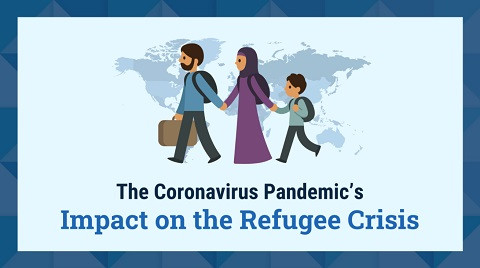 The Coronavirus Pandemic and the Refugee Crisis Year of publication: 2020 Author: Alice Corner Corporate author: Venngage Inc. One group of people most impacted by the Coronavirus Pandemic is the world’s population of refugees and displaced people. There are approximately 25 million refugees in the world, facing unique struggles in access to healthcare, government assistance, and sanitation. Venngage analyzed the data and created this collection of infographics to help paint a fuller picture of COVID-19’s impact on the refugee crisis. This resource includes clear infographics detailing how the conronavirus crisis and refugee crisis relate to each other globally
 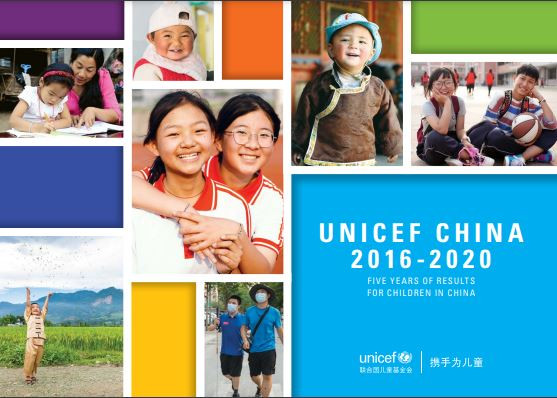 UNICEF CHINA 2016 - 2020: FIVE YEARS OF RESULTS FOR CHILDREN IN CHINA Year of publication: 2021 Corporate author: United Nations Children's Fund (UNICEF) This report introduces the work of UNICEF in China during 2016-2020, including children protection, education and social policies. 携手共进 造福儿童:联合国儿童基金会在华工作成果 (2016-2020年) Year of publication: 2021 Corporate author: United Nations Children's Fund (UNICEF) 该报告介绍了联合国儿童基金会2016-2020期间在中国所进行的工作,包含儿童保护、教育、社会政策等方面内容。
  Training for Citizenship in Gender Equality at Elementary Education(Sinéctica, Revista electrónica de educación; no. 60) Year of publication: 2023 Author: Denys Serrano Arenas | Azucena de la Concepción Ochoa Cervantes Corporate author: Sinéctica, Revista Electrónica de Educación Gender equality is a purpose from educational policies aimed to eliminating sociocultu-ral inequalities that limit the exercise of children's rights. At present, gender stereotypes that legitimize the roles exercised by girls and boys that limit the forms of participation persist, promoting different levels of exclusion in school life. The objective of this work is to analyze the perceptions of a group of sixth grade students, about how they consider they should participate in school dynamics due to their gender condition, to detect tho-se stereotypes that influence the practice of their participation. A descriptive study was carried out using a Likert-type questionnaire to 64 students. The results show that gen-der stereotypes are reproduced that provide children with greater ease and freedom to express themselves, as well as to make decisions. Modifications in the care roles were also identified, within which, they begin to have greater interference. In parallel, it was found that these stereotypes represent structural difficulties for the self-recognition of the par-ticipatory capacities of girls. It is recommended to take participation as a fundamental element for the exercise of citizenship in gender equality.