
Resources
Explore a wide range of valuable resources on GCED to deepen your understanding and enhance your research, advocacy, teaching, and learning.
3,797 Results found
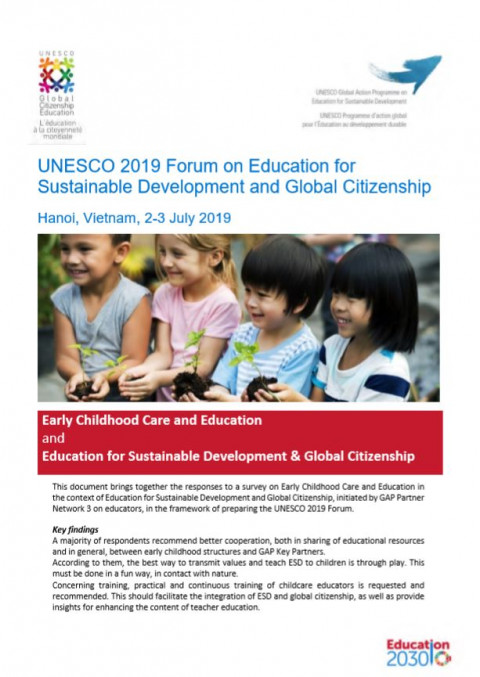 Early childhood care and education and education for sustainable development & global citizenship Year of publication: 2019 Corporate author: UNESCO This document brings together the responses to a survey on Early Childhood Care and Education in the context of Education for Sustainable Development and Global Citizenship, initiated by GAP Partner Network 3 on educators, in the framework of preparing the UNESCO 2019 Forum. Key findings A majority of respondents recommend better cooperation, both in sharing of educational resources and in general, between early childhood structures and GAP Key Partners. According to them, the best way to transmit values and teach ESD to children is through play. This must be done in a fun way, in contact with nature. Concerning training, practical and continuous training of childcare educators is requested and recommended. This should facilitate the integration of ESD and global citizenship, as well as provide insights for enhancing the content of teacher education.
 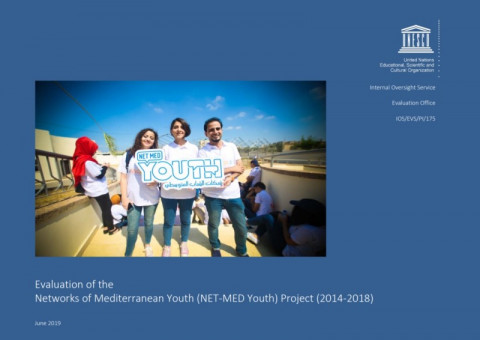 Evaluation of the Networks of Mediterranean Youth (NET-MED Youth) Project (2014-2018) Year of publication: 2019 Author: Maksymilian Fras | Yael Ohana | Kimiko Hibri Pedersen | Christophe Dietrich | Mamoun Besaiso Corporate author: UNESCO The Networks of Mediterranean Youth (NET-MED Youth) Project is a regional project funded by the European Union and implemented by UNESCO from 2014 until 2018. It followed a comprehensive approach through interdisciplinary activities in different thematic areas aimed at advancing youth legal and policy frameworks, enhancing youth representation in media, and reinforcing youth employability and skills in response to the challenges experienced by young women and men in the region regarding their transition to full autonomous citizenship in the civic, political, economic, social and cultural spheres. NET-MED Youth contributed to the creation of an enabling environment for young women and men from nine of the Southern countries of the European Neighbourhood Policy (i.e. Algeria, Israel, Jordan, Lebanon, Libya, Morocco, Palestine, Syria and Tunisia) to develop their competencies, to exercise their rights and meaningfully engage as active citizens in the development and implementation of national strategies on youth. The evaluation found that, overall, the NET-MED Youth Project was a successful initiative and created a momentum for Youth empowerment in the respective beneficiary countries. Its high relevance in the context of the Agenda 2030 resulted not least from UNESCO’s longstanding experience and good practices in working with youth organizations and youth-related stakeholders through youth engagement as partners and beneficiaries. The Project thus constituted a significant contribution to the UNESCO Operational Strategy on Youth 2014-2021. Gender equality was a central concern of NET-MED Youth, and systematically embedded throughout all activities as a transversal feature. In line with the Agenda 2030 commitment of leaving no one behind, several activities focused on issues of disadvantaged or traditionally underserved groups, such as youth with disabilities. Challenges identified are mainly related to the often difficult and in some countries unstable political environments. Together with the needs-based and rather context-specific approach in each country, this also affected to some extent the full implementation of the regional perspective. Furthermore, in the absence of a coherent and explicit longer-term exit strategy, the structures and results achieved risk not to be maintained, or scaled up over time, despite the strong local commitment and ownership created over the project duration. Through successfully incorporating youth aspirations in its design and implementation, the NET-MED Youth Project represented a new and innovative approach to youth engagement and empowerment in an interdisciplinary fashion, and should thus be considered as a basis for new thinking on which to build in the future. The high potential for replication of the NET-MED Youth Project, as a continuation or as an example of good practice for a comprehensive and interdisciplinary approach is thus to be further explored.
  Teaching and Learning Transformative Engagement Year of publication: 2019 Corporate author: UNESCO While there is a large body of literature on citizenship and civic education, there is less clarity about the meaning of ‘responsible transformative engagement’ for young learners in relation to GCED and ESD – notably, the types of transformative engagement and the meaning of ‘responsible’. Understanding better the connection between learners’ engagement and education can clarify the knowledge, skills and competencies that schools may provide, as well as how the role of education can vary depending on context. In this light, this paper explores the meaning of ‘responsible transformative engagement’ with a view to clarifying the role of education in ways that may be reflected by UNESCO and other education stakeholders. Enseigner et apprendre l'engagement transformatif Year of publication: 2019 Corporate author: Organisation des Nations Unies pour l'éducation, la science et la culture (UNESCO) Si les ouvrages consacrés à la citoyenneté et à l’éducation civique foisonnent, le sens d’un « engagement transformatif responsable » pour de jeunes apprenants dans le contexte de l’ECM et de l’EDD est moins clairement défini, notamment les types d’engagement transformatif et la notion de « responsabilité ». Mieux comprendre le lien entre l’engagement des apprenants et l’éducation permet de clarifier les connaissances, aptitudes et compétences que l’école peut enseigner, ainsi que le rôle variable que peut jouer l’éducation selon le contexte. Dans cette optique, le présent document s’interroge sur le sens d’un « engagement transformatif responsable » en vue d’apporter des éclaircissements sur le rôle de l’éducation qui peuvent être pris en compte par l’UNESCO et d’autres acteurs de l’éducation. Enseñando y aprendiendo para una participación transformadora Year of publication: 2019 Corporate author: Organización de las Naciones Unidas para la Educación, la Ciencia y la Cultura (UNESCO) Si bien existe una extensa bibliografía sobre educación cívica y ciudadana, hay menos claridad acerca del significado del concepto de una "participación transformadora responsable" de jóvenes estudiantes en relación con la ECM y la EDS, en particular, los tipos de participación transformadora y la definición del término "responsable". Comprender mejor la relación entre la participación de los estudiantes y la educación puede contribuir a mejorar la definición de los conocimientos, aptitudes y competencias que las escuelas pueden enseñar, así como las maneras en que el papel de la educación puede variar según el contexto. En este sentido, el presente documento explora el significado de una "participación transformadora responsable", con miras a explicar el papel de la educación de formas que puedan reflejar la UNESCO y otros actores de la educación
 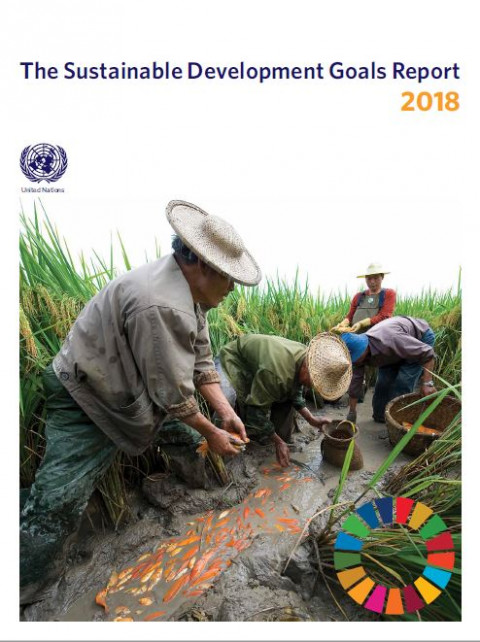 The Sustainable Development Goals Report 2018 Year of publication: 2018 Corporate author: United Nations (UN) The 2030 Agenda for Sustainable Development provides a global blueprint for dignity, peace and prosperity for people and the planet, now and in the future. Three years into the implementation of the Agenda, countries are translating this shared vision into national development plans and strategies. تقرير أهداف التنمية المستدامة 2018 Year of publication: 2018 Author: United Nations (UN) Corporate author: United Nations (UN) يستعرض التقرير التقدم المحرز في تحقيق أهداف التنمية 2030 المستدامة في عامها الثالث من التطبيق. وهذا التقرير يمثل نظرة عامة على التقدم المحرز والفجوات التي تواجه الدول في الاهداف السبعة عشر، وهذا التحليل المعروض في التقرير مبني استنادا على أحدث البيانات المتاحة من إدارة الشؤون الاجتماعية والاقتصادية بالأمانة العامة للأمم المتحدة، وشارك ايضا في توفير البيانات خبراء إجصائيون من دول كثيرة. عموما يعتبر هذا التقرير مرجعا للمهتمين بمتابعة تحقيق العالم لأهداف التنمية المستدامة.
  تحويل عالمنا: خطة التنمية المستدامة لعام ٢٠٣٠ - الجمعية العامة للامم المتحدة Year of publication: 2015 Corporate author: United Nations (UN) تمثل هذه الخطة برنـامج عمـل لأجـل النـاس والأرض ولأجـل الازدهـار. وهـي ـدف أيضا إلى تعزيز السـلام العـالمي في جـو مـن الحريـة أفسـح. ونحـن نـدرك أن القضـاء علـى الفقـر بجميع صوره وأبعاده، بما في ذلك الفقر المدقع، هو أكبر تحد يواجه العالم، وهـو شـرط لا غـنى عنه لتحقيق التنمية المستدامة. وستعمل جميع البلدان والجهات صاحبة المصلحة على تنفيـذ هـذه الخطـة في إطـار مـن الشراكة التعاونية. ونحن عاقدون العـزم علـى تحريـر الجـنس الب شـري مـن طغيـان الفقـر والعـوز وعلى تضميد جـراح كوكبنـا وحفظـه. ومصـممون علـى اتخـاذ الخطـوات الجريئـة المفضـية إلى التحـول الـتي تلـزم بصـورة ملحـة للانتقـال بالعـالم نحـو مسـار قوامـه الاسـتدامة والقـدرة علـى الصمود. ونتعهد، ونحن مقبلون على هذه الرحلة الجماعية، بألا يخلف الركب أحد ا وراءه. وتبرهن أهداف التنمية المستدامة، البالغ عددها ١٧ هدفا، وغاياا، البالغ عددها ١٦٩ غاية، التي سنعلن عنها اليوم على اتساع نطاق هذه الخطة العالمية ومدى طموحها. فالمنشود من هذه الأهداف والغايـات هـو مواصـلة مسـيرة الأهـداف الإنمائيـة للألفيـة وإنجـاز مـا يت لم حقـق في إطارها. كذلك يقصد ا إعمال حقوق الإنسان الواجبة للجميع وتحقيق المسـاواة بـين الجنسـين وتمكين النساء والفتيات كافة. وهي أهداف وغايات متكاملـة غـير قابلـة للتجزئـة تحقـق التـوازن بين الأبعاد الثلاثة للتنمية المستدامة: البعد الاقتصادي والبعد الاجتماعي والب عد البيئي. Transforming our world: the 2030 Agenda for Sustainable Development - United Nations General Assembly Year of publication: 2015 Corporate author: United Nations (UN) This plan represents a program of action for people and land and for prosperity. It is also aimed at promoting world peace in a more free atmosphere. We recognize that the eradication of poverty in all its forms and dimensions, including extreme poverty, is the world's greatest challenge and an indispensable condition for sustainable development. All countries and stakeholders will implement this plan within the framework of the cooperative partnership. We are determined to free mankind from the tyranny of poverty and want and to heal and preserve the wounds of our planet. We are determined to take the bold steps leading to the transformation that are urgently needed to move the world towards a path of sustainability and resilience. As we embark on this collective journey, we pledge that no one will be left behind. The 17 Sustainable Development Goals and the 169 targets that we will announce today demonstrate the breadth and ambition of this global agenda. The aim of these goals and objectives is to continue the process of the Millennium Development Goals and achieve what has not been achieved within the framework. They are also intended to realize human rights for all, achieve gender equality and empower all women and girls. These are integral and indivisible goals and objectives that balance the three dimensions of sustainable development: the economic, social and environmental dimensions.
  Youth and changing realities: rethinking secondary education in Latin America Year of publication: 2017 Author: López.Néstor, Opertti.Renato, Vargas Tamez.Carlos Corporate author: UNESCO International Bureau of Education (IBE) | UNESCO IIEP Office for Latin America and the Caribbean Youth are central to UNESCO’s mandate. The more than one billion youth and adolescents in the world today hold the key to our shared future and to global sustainable development. With a focus on Latin America, this publication addresses the need to regain young learners’ trust in education and to arrive at more positive social constructions of youth among educators, parents and education authorities. In so doing, this study looks at educational experiences as meaning makers that shape youth cultures and identities as well as their attitudes toward education and its potential to improve individual and collective well-being.