
Resources
Explore a wide range of valuable resources on GCED to deepen your understanding and enhance your research, advocacy, teaching, and learning.
46 Results found
 展望并构筑教育的未来: 2020年2月 Year of publication: 2020 Corporate author: 联合国教科文组织 (UNESCO) 以下是关于教育的未来国际委员会第一次会议(2020年1月28–29日,巴黎)成果的声明。该委员会由教科文组织创设,其任务是展望2050年及以后,在2021年发布一份报告,重新思考知识、学习和教育可如何应对挑战、把握机遇,包括未来可预见的以及当前存在的挑战和机遇。
  Youth and Violent Extremism on Social Media: Mapping the Research Year of publication: 2017 Author: Séraphin Alava | Divina Frau-Meigs | Ghayda Hassan Corporate author: UNESCO Does social media lead vulnerable individuals to resort to violence? Many people believe it does. And they respond with online censorship, surveillance and counter-speech. But what do we really know about the Internet as a cause, and what do we know about the impact of these reactions? All over the world, governments and Internet companies are making decisions on the basis of assumptions about the causes and remedies to violent attacks. The challenge is to have analysis and responses firmly grounded. The need is for a policy that is constructed on the basis of facts and evidence, and not founded on hunches or driven by panic and fearmongering. It is in this context that UNESCO has commissioned the study titled Youth and Violent Extremism on Social Media: Mapping the Research. This work provides a global mapping of research (mainly during 2012-16) about the assumed roles played by social media in violent radicalization processes, especially when they affect youth and women. The research responds to the belief that the Internet at large is an active vector for violent radicalization that facilitates the proliferation of violent extremist ideologies. Les jeunes et l’extrémisme violent dans les médias sociaux inventaire des recherches: Inventaire des recherches Year of publication: 2017 Author: Séraphin Alava | Divina Frau-Meigs | Ghayda Hassan Corporate author: UNESCO Les médias sociaux incitent-ils des personnes vulnérables à recourir à la violence? Beaucoup le pensent et cherchent à y remédier par la censure, la surveillance des échanges en ligne et la diffusion de contre-discours. Mais que savons-nous réellement des effets de l’Internet et de l’impact de ces contre-mesures ? Partout dans le monde, les gouvernements et les opérateurs d’Internet prennent des décisions en s’appuyant sur de simples hypothèses en ce qui concerne les causes des actes de violence et les remèdes possibles. La question est de savoir si ces analyses et ces réponses reposent bien sur des bases solides. Il est essentiel que les politiques soient ancrées dans les faits et les données d’observation, et non fondées sur des intuitions ou dictées par la panique ou les efforts pour semer la peur. C’est dans ce contexte que l’UNESCO a commandé la présente étude intitulée Les jeunes et l’extrémisme violent dans les médias sociaux – Inventaire des recherches, qui propose un tour d’horizon mondial des recherches menées (principalement entre 2012 et 2016) sur les rôles que les médias sociaux sont supposés jouer dans les processus de radicalisation violente, en particulier ceux qui touchent les jeunes et les femmes. L’étude examine d’un oeil critique l’idée selon laquelle l’Internet en général serait un vecteur actif de radicalisation violente qui faciliterait la prolifération d’idéologies extrémistes violentes.
  [ملخص] وضع تصورات جديدة لمستقبلنا معاً: عقد اجتماعي جديد للتربية والتعليم Year of publication: 2021 Corporate author: International Commission on the Futures of Education | منظمة الأمم المتحدة للتربية والعلم والثقافة (UNESCO) إن إنسان ّيتُنا وكوكبُنا الأرض في خطر. مما يستدعي حاجة ما ّسة إلى وضع إجراءات عاجلة، لتُتخذ معاً، من أجل تغيير المسار وإعادة تخيل مستقبلنا. وأضحى للتعليم، الذي لطالما أُ ِقر بدوره كقو ًة ُّ ّفاعل ًة لإحداث تغيير إيجابي، مه ّم ًة جديد ًة وعاجلة وها ّمة يتع ّين عليه النهوض بها. وبنا ًء على عملية تشاور عالمية شارك فيها حوالي مليون شخص، يدعو هذا التقرير الصادر عن اللجنة الدولية المعنية بمستقبل التربية والتعليم الحكومات والمؤسسات والمنظمات والمواطنين في جميع أنحاء العالم إلى ً صياغة عقد اجتماعي جديد للتعليم يساعدنا على بناء مستقبل ي ّتسم بال ِّسلم والعدالة والاستدامة معا ومن أجل الجميع. يلقي التقرير نظر ًة متعمق ًة على التكنولوجيات الرقمية، وتغير المناخ، والتدهور الديمقراطي، ُ ّ ُّ والاستقطاب المجتمعي، وحالة عدم اليقين التي تكتنف مستقبل فرص العمل. ولا يتوَّ ّخى التقرير مج ّرد فتح باب الحوار ّحول اًلتعليم للجميع وتحفيز الأفكار ذات الصلة، وإنما يح ُّث كل واحد م ّنا على العمل. ويرى التقرير أنه، أولا وقبل كل شيء، يمكننا من خلال الملايين من الأعمال الفردية والجماعية التي ت ّتسمّبالشجاعة والقيادة والمقاومة والإبداع والرعاية تغيير المسار وإحداث تح ّول جذري في التعليم يمكننا من بناء مستقبل عادل و ُمنصف ومستدام. [Summary] Reimagining Our Futures Together: A New Social Contract for Education Year of publication: 2021 Corporate author: International Commission on the Futures of Education | UNESCO Our humanity and planet Earth are under threat. Urgent action, taken together, is needed to change course and reimagine our futures. Education, long acknowledged as a powerful force for positive change, has new, urgent and important work to do. Informed by a global consultation process engaging about one million people, this report of the International Commission on the Futures of Education invites governments, institutions, organizations, and citizens around the world to forge a new social contract for education that will help us build peaceful, just, and sustainable futures together and for all.The report features in-depth looks at digital technologies, climate change, democratic slippage and societal polarization and the uncertain future of work. It aims not only to open the conversation about education to everyone and provoke thought, but to spur each of us on to action. It argues, above all, that it is through millions of individual and collective acts of courage, leadership, resistance, creativity and care that we will change course and transform education to build just, equitable and sustainable futures. [Resumen] Reimaginar juntos nuestros futuros: Un nuevo contrato social para la educación Year of publication: 2021 Corporate author: International Commission on the Futures of Education | UNESCO La humanidad y el planeta Tierra se encuentran en peligro. Tenemos que adoptar medidas consensuadas de forma urgente para cambiar de rumbo y replantearnos nuestros futuros. En el plano educativo, que desde antaño se reconoce como un importante motor que propicia cambios positivos, se nos plantean desafíos nuevos, urgentes e importantes. Este informe de la Comisión Internacional sobre Los futuros de la educación, que se ha nutrido de un proceso mundial de consultas en el que han participado aproximadamente 1 millón de personas, insta a los gobiernos, las instituciones, las organizaciones y los ciudadanos de todo el mundo a preparar un nuevo contrato social en materia educativa que nos permita colaborar con el objetivo de forjar futuros pacíficos, justos y sostenibles para todas las personas. En el informe se abordan de forma detallada las tecnologías digitales, el cambio climático, el retroceso democrático y la polarización social, y el incierto futuro de la esfera laboral. Mediante este documento, no solo se pretende contribuir a que todas las personas participen en la conversación sobre la educación y promover la reflexión, sino también instar a todos los individuos a actuar. Según la tesis fundamental del informe, a través de millones de actos individuales y colectivos caracterizados por su valentía, liderazgo, resistencia, creatividad y atención, cambiaremos de rumbo y transformaremos el ámbito educativo a fin de forjar futuros justos, equitativos y sostenibles.
  Медийно и информационно грамотные граждане: мыслите критически, кликайте с умом! Year of publication: 2021 Author: Alton Grizzle | Carolyn Wilson | Ramon Tuazon | C.K. Cheung | Jesus Lau | Rachel Fischer | Dorothy Gordon | Kwame Akyempong | Jagtar Singh | Paul R. Carr | Kristine Stewart | Samy Tayie | Olunifesi Suraj | Maarit Jaakkola | Gina Thésée | Curmira Gulston Corporate author: UNESCO Можем ли мы улучшить общество, в котором живем, кликая с умом?Поставщики информации, такие как библиотеки, архивы, музеи, медиа и компании, занимающиеся цифровой коммуникацией, могут содействовать инклюзивному и устойчивому развитию. Однако они не всегда соответствуют этому идеалу, что создает определенные трудности для их пользователей. Поставщики информации всех типов располагают широким спектром возможностей для реализации непрерывного обучения, но, в то же время, оказываются связаны с такими проблемными явлениями, как распространение дезинформации и некорректной информации, пропаганда ненависти, нарушение неприкосновенности частной жизни и др.Медийная и информационная грамотность представляет собой набор компетенций, которые помогают людям максимально использовать указанные преимущества и минимизировать возможный вред. Компетенции, составляющие МИГ, позволяют критически и эффективно взаимодействовать с разнообразным контентом, теми акторами и структурами, которые этот контент создают и распространяют, с цифровыми технологиями. Такие возможности необходимы всем людям, вне зависимости от их возраста или рода занятий.Данная Учебная программа содержит структурированную модель компетенций в области медийной и информационной грамотности и учебные модули для преподавателей и учащихся, охватывающие широкий диапазон компетенций, которые необходимы для того, чтобы ориентироваться в современной коммуникационной экосистеме. В программе также показано, как медийная и информационная грамотность связана с рядом актуальных вопросов и проблем, таких как искусственный интеллект, образование в области цифрового гражданства, образование в интересах устойчивого развития, формирование культурной грамотности, экспоненциальный рост дезинформации и некорректной информации. Эффективное использование Программы может помочь каждому значительно повысить свой уровень медийной и информационной грамотности, а также стать преподавателем этого вида грамотности.
  Policy Review Report: Early Childhood Care and Education in Kazakhstan Year of publication: 2005 Corporate author: UNESCO UNESCO launched a joint UNESCO/OECD Early Childhood Policy Review Project as a component of the 2004-2005 plan. The purpose is to provide selected countries with an opportunity to review their early childhood policies and identify concrete options and strategies for improvement. Four countries were chosen based on their expressed interest - Brazil, Indonesia, Kazakhstan and Kenya. This review was conducted as part of Kazakhstan's participation in the project, which is being implemented in collaboration with the OECD. Отчет по обзору политики: дошкольное воспитание и обучение в Казахстане Year of publication: 2005 Corporate author: Организация Объединенных Наций по вопросам образования, науки и культуры (UNESCO) ЮНЕСКО, в качестве составного компонента плана на 2004-2005 годы, запустило совместный Проект ЮНЕСКО/ОЭСР по обзору политики в области дошкольного воспитания и обучения. Целью является предоставить выбранным странам возможность провести обзор своей политики в области дошкольного воспитания и обучения и определить конкретные варианты и стратегии по его совершенствованию. Четыре страны были выбраны на основе выраженного ими интереса – Бразилия, Индонезия, Казахстан и Кения. Настоящий обзор был проведен в рамках участия Казахстана в проекте, который реализуется в сотрудничестве с ОЭСР.
 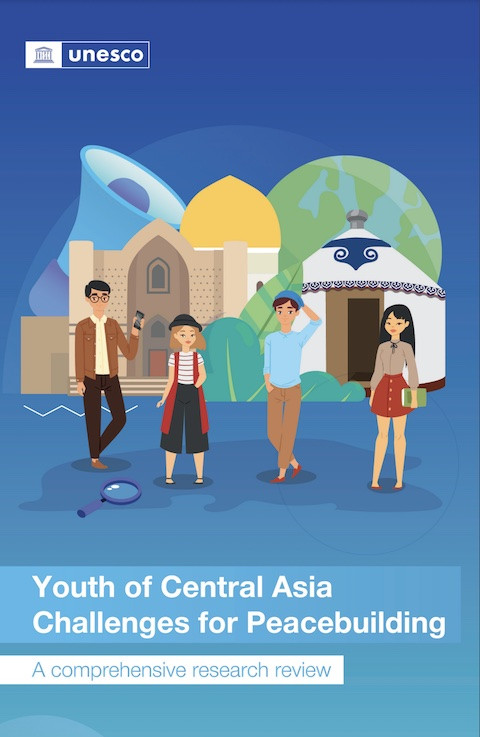 Youth of Central Asia, Challenges for Peacebuilding: A Comprehensive Research Review Year of publication: 2021 Author: Laura Yerekesheva Corporate author: UNESCO The estimations are that by 2030, the world will be home to 1.3 billion young people. This speaks about the importance of the youth for development in various parts of the globe, particularly in developing countries which constitute 90% of the global youth population. From comprehensive holistic perspective peace, peacebuilding and dialogue embrace all aspects and dimensions of life – inter-generational, social, economic, political, ethnic, religious, civic, ideological, cultural, and natural. The youth related issues are directly linked with the SDGs agenda. Central Asian states are also on the list of developing countries, with an increasing demographic share of the youth in the general population, meaning that the countries of the region are “young.” As of 2020, the total population of the four countries of Central Asia (Kazakhstan, Kyrgyzstan, Tajikistan and Uzbekistan) was 68.46 million, of which youth comprised 16.55 million or 24,1%. What Challenges for Peacebuilding the Youth of Central Asia Face? This highlights the urgency required for elaborating and implementing special policies on youth development. For Central Asia, the peace and peacebuilding agenda is the development agenda, and vice versa, as neither is possible without the other, and these in turn are intrinsically linked with youth-related issues. This report provides a detailed overview of the existing challenges to the youth of the 4 countries of the region – Kazakhstan, Kyrgyzstan Tajikistan, Uzbekistan – structured around three main themes of peacebuilding: (1) an education and learning environment; (2) economic and social participation; and (3) civic engagement. Governments, international organizations, professionals and policymakers in the youth, peacebuilding and development sectors, academia and NGOs are invited to join forces to accelerate the achievement of youth development for a more just, sustainable and peaceful future.