
Resources
Explore a wide range of valuable resources on GCED to deepen your understanding and enhance your research, advocacy, teaching, and learning.
2,161 Results found
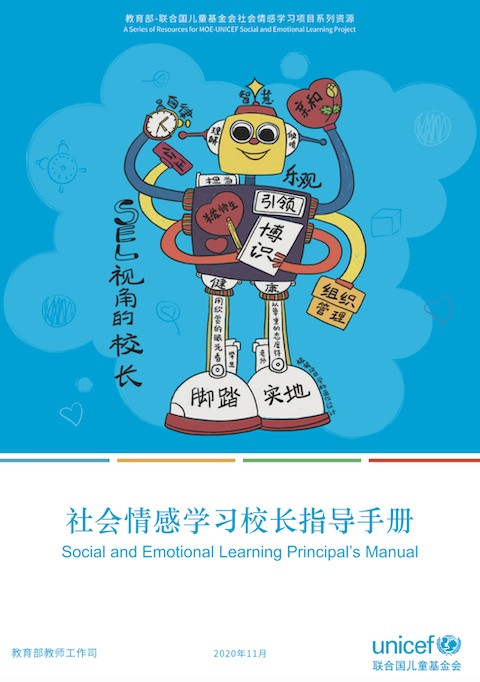 社会情感学习校长指导手册 Year of publication: 2020 Corporate author: China. Ministry of Education | United Nations Children's Fund (UNICEF) 该手册专门为校长开发,为校长推进社会情感学习提供指导建议,包括学校发展规划、管理制度建设、教师教学改进、家校社区合作等方面。旨提升校长管理能力。
 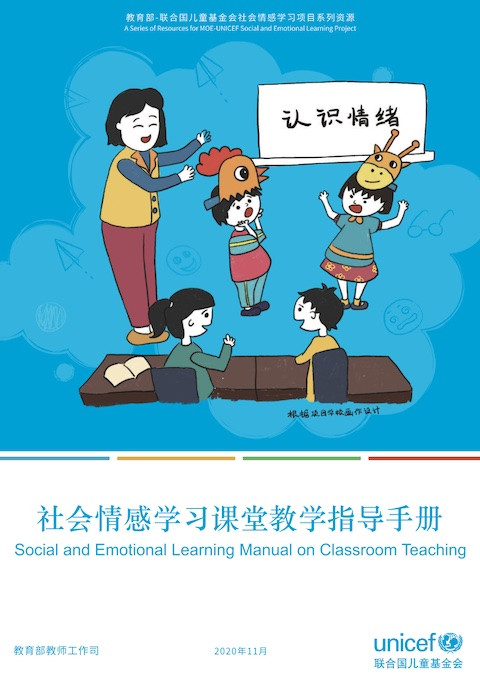 Social and Emotional Learning Manual for Classroom Teaching Year of publication: 2020 Corporate author: China. Ministry of Education | United Nations Children's Fund (UNICEF) This manual provides specific suggestions for teachers for classroom teaching. It aims to resolve teachers' confusion and challenge during teaching practice of social and emotional learning, such as how to effectively achieve the expected learning outcome, promote students' participation and improve student-teacher interaction etc. 社会情感学习课堂教学指导手册 Year of publication: 2020 Corporate author: China. Ministry of Education | United Nations Children's Fund (UNICEF) 该手册是用于为教师开展社会情感学习的课堂教学提供指导,包括如何达到教学目标、如何组织教学环节、如何改进师生互动、如何提升学生学习体验等,旨在帮助教师解决教学中的困惑与挑战。
  How to Help Kids Spot Fake News and Misinformation Year of publication: 2020 Corporate author: Internet Matters This video gives practical tips on how to help children spot fake news and avoid being misled into believing something that might impact their wellbeing.
  Climate Science Resource Pack: Silver Level Corporate author: British Science Association This is a project-based resource which can lead to a CREST award. Participants receive research and design briefs on topics such as ‘greener cities’ and ‘water scarcity’ and have to design climate- friendly sustainable solutions. 30+ hours of work is required for a Silver Award.
 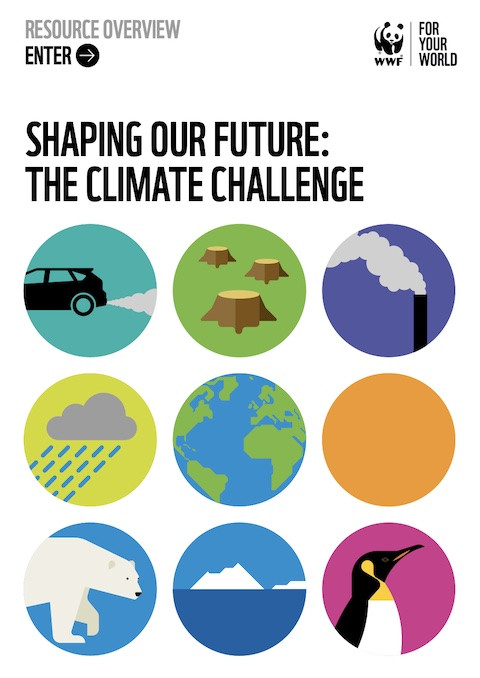 Shaping Our Future: The Climate Challenge Corporate author: World Wide Fund for Nature (WWF) These lesson plans and supporting resources have been developed for both primary and secondary to inspire and empower teachers and educators to tackle climate change. Resources include presentations, teacher notes and worksheets. For more details, please click the link below.
  School-Related Gender-Based Violence Measurement Toolkit Year of publication: 2020 Author: Dexis Consulting Group Corporate author: United States Agency for International Development (USAID) This toolkit delivers practical guidance and resources for measuring the prevalence and extent of students’ experiences of school-related gender-based violence (SRGBV), and provides methods for assessing key risk factors and drivers of SRGBV. This toolkit contains a conceptual framework for measuring SRGBV, a school- based survey for measuring experiences of SRGBV, risk factors, and drivers, as well as practical guidance for implementing the survey.
  Youth Activist Toolkit: A Digital Guide Year of publication: 2021 Corporate author: Scotdec | European Union (EU) This toolkit is designed to empower young people to campaign for positive change around local and global issues and to use the learning to form social media actions for change.
  SDG 4 Data Digest 2020: Using Household Survey Data to Monitor SDG 4 Year of publication: 2020 Corporate author: UNESCO Institute for Statistics (UIS) The 2020 edition of the SDG 4 Data Digest by the UNESCO Institute for Statistics focuses on household surveys as an important and underutilized tool to collect the data needed to track progress towards Sustainable Development Goal 4 and to ensure that no one is left behind. The Digest describes existing survey programmes and offers advice on the design and implementation of new surveys. The Digest identifies a number of advantages to using household surveys and describes the categories of indicators best suited for monitoring with survey data. Data from household surveys complement administrative data collected in schools and can be disaggregated to a greater extent than administrative data to facilitate the monitoring of exclusion in education. The definitions and calculation methods of selected indicators are laid out and the combination of household survey data with data from other sources is explained. This issue of the Digest is aimed at government officials, national planners, donors and others who make decisions about the implementation of nationally representative household surveys. It describes the requirements for conducting a household survey and the steps that must be followed from questionnaire design to data collection and analysis, and it gives advice on presentation of the findings. A section on COVID-19 summarizes the impact of the current pandemic on data collection. Additional resources, with suggested survey questions for the collection of education data through household surveys, are also included. Compendio de Datos sobre el ODS 4: Cómo utilizar datos de encuestas de hogares para monitorear el ODS 4 Year of publication: 2020 Corporate author: UNESCO Institute for Statistics (UIS) La edición 2020 del Compendio de Datos sobre el ODS 4 del Instituto de Estadística de la UNESCO se centra en las encuestas de hogares como una importante e infrautilizada herramienta para la recolección de los datos necesarios para rastrear el progreso hacia el Objetivo de Desarrollo Sustentable 4 y para garantizar que nadie quede en el camino. El Compendio describe los programas de encuestas existentes y brinda consejos para el diseño y la implementación de nuevas encuestas. El Compendio identi ca una serie de ventajas en el uso de las encuestas de hogares y describe las categorías de indicadores más adecuados para el monitoreo con datos de encuestas. Los datos de encuestas de hogares complementan los datos administrativos recolectados en las escuelas y pueden ser desglosados a un grado mayor que los datos administrativos, facilitando el monitoreo de la exclusión en la educación. Se han expuesto las de niciones y métodos de cálculo de los indicadores seleccionados y se ha explicado cómo se combinan los datos de encuestas de hogares con los datos de otras fuentes. Esta edición del Compendio está dirigida a los funcionarios de gobierno, plani cadores nacionales, contribuyentes y quienes tomen decisiones sobre la implementación de las encuestas de hogares nacionalmente representativas. Describe los requisitos para la ejecución de una encuesta de hogares y los pasos que deben seguirse desde el diseño del cuestionario hasta la recolección y análisis de datos, además de dar consejos sobre cómo presentar los hallazgos. Una sección sobre el COVID-19 resume el impacto que tiene la actual pandemia sobre la recolección de datos. También se han incluido recursos adicionales, con preguntas de encuestas sugeridas para la recolección de datos educativos mediante las encuestas de hogares.