
Resources
Explore a wide range of valuable resources on GCED to deepen your understanding and enhance your research, advocacy, teaching, and learning.
684 Results found
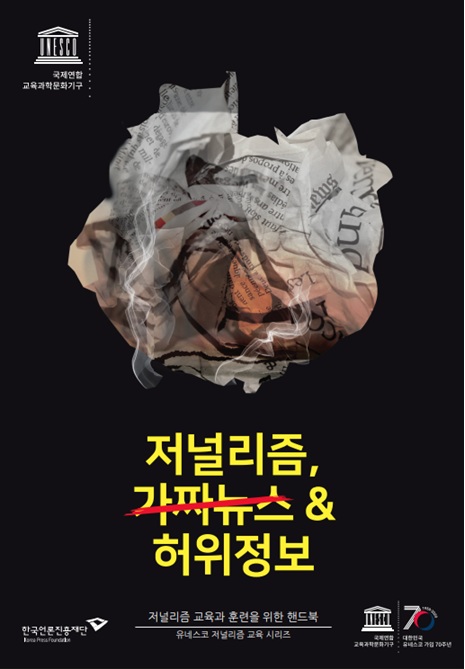 저널리즘, 가짜뉴스 & 허위정보 : 저널리즘 교육과 훈련을 위한 핸드북 Year of publication: 2020 Author: Julie Posetti | Cherilyn Ireton | Claire Wardle | Hossein Derakhshan | Alice Matthews | Magda Abu-Fadil | Tom Trewinnard | Fergus Bell | Alexios Mantzarlis Corporate author: 유네스코 | 유네스코한국위원회 | 한국언론진흥재단 이 핸드북은 여러 나라에서 적절하게 활용할 수 있는 모델 커리큘럼을 제공하기 위해 만들어졌다. 그대로 채택하거나 상황에 맞게 수정해서 활용할 수 있다. 이를 통해 사회 문제로 떠오른, 특히 저널리즘 영역의 문제로 떠오른 전 세계적인 허위정보에 대응하고자 한다.모델 커리큘럼 역할을 할 이 책은 저널리즘 학생과 수행자들의 ‘가짜뉴스’와 관련된 이슈 탐구에 도움을 줄 수 있도록, 저널리즘 교육자와 훈련자들에게 적절한 프레임워크와 교과를 제공하도록 설계됐다. 우리는 또 이 자료가 저널리스트들의 실천에도 유용한 안내자가 되기를 바란다.이 콘텐츠들은 세계 최고 저널리즘 교육자, 연구자, 사상가들의 작업을 한데 모은 것이다. 이들은 잘못된 정보와 허위정보의 도전을 다루는 저널리즘 기법과 실천과 관련된 최신 정보를 제공하고 있다.이 교과들은 맥락적이며 이론적인 정보를 담고 있다. 하지만 온라인 검증은 굉장히 실질적인 내용들로 구성돼 있다. 이 자료들을 한 교과로 한꺼번에 사용할 수도 있고, 개별 모듈을 별도로 활용해도 된다. 이러한 자료들은 기존 교육 모델을 새롭게 하거나 새로운 교과를 만드는 데 도움이 될 것이다.이 책은 유네스코 국제 커뮤니케이션 개발 사업이 주력하고 있는 ‘탁월한 저널리즘 교육을 위한 글로벌 이니셔티브’의 일환이다. 이 이니셔티브는 국제적인 모범 실천 사례를 공유하고, 국제적 관점에서 저널리즘을 가르치고 실천하며 연구하는 작업에 참여하기 위해 노력한다.
 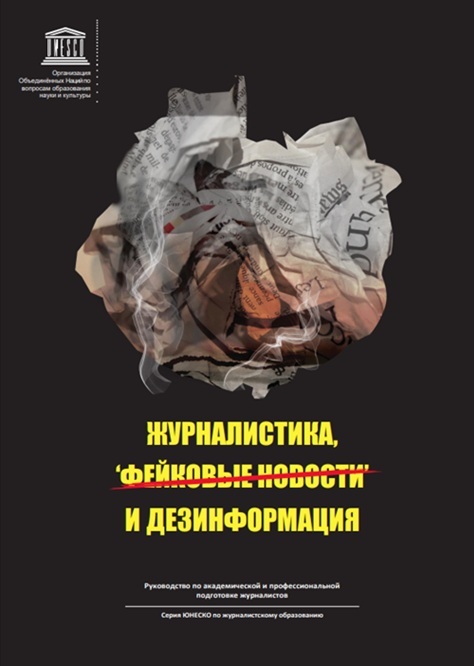 Журналистика, «фейковые новости» и дезинформация : Руководство для академической и профессиональной подготовки журналистов Year of publication: 2019 Author: Julie Posetti | Cherilyn Ireton | Claire Wardle | Hossein Derakhshan | Alice Matthews | Magda Abu-Fadil | Tom Trewinnard | Fergus Bell | Alexios Mantzarlis Corporate author: Организация Объединенных Наций по вопросам образования, науки и культуры (UNESCO) Данное руководство призвано служить образцом международной учебной программы, открытой для адаптации и внедрения. Это значимая попытка осмыслить глобальную проблему дезинформации, с которой сталкивается общество в целом и журналистика в частности. Типовая учебная программа предназначена для того, чтобы ознакомить преподавателей журналистики и студентов-журналистов с вопросами, связанными с "фейковыми новостями", и представить образец учебного плана.Оно объединяет вклад ведущих международных преподавателей журналистики и исследователей, которые помогают обновлять методы и практику журналистики для решения проблем дезинформации и некорректной информации. Занятия являются комплексными: теоретическими, а в случае онлайн-верификации в высшей степени практическими. Используемые вместе в качестве курса или независимо друг от друга, они могут помочь обновить существующие учебные модули или создать новые. Это руководство является частью глобальной инициативы по повышению качества журналистского образования, которая находится в центре внимания международной программы ЮНЕСКО по развитию коммуникации (МПРК) и направлена на привлечение внимания к преподаванию, практике и исследованию журналистики с глобальной точки зрения, включая обмен передовым международным опытом.
 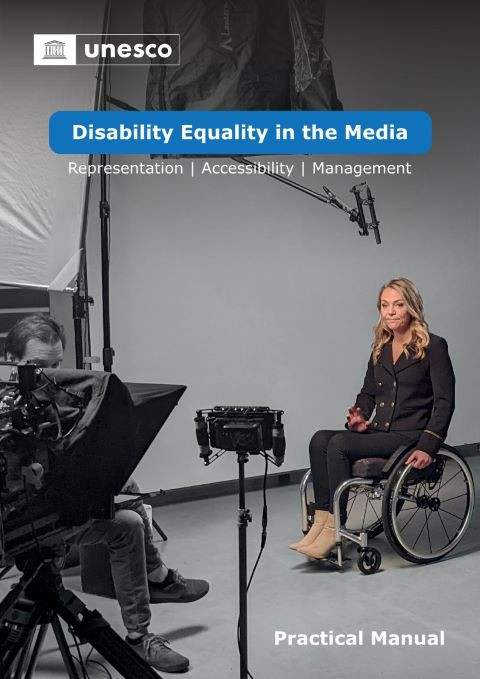 L’égalité des personnes handicapées dans les médias : représentation, accessibilité, gestion; manuel pratique Year of publication: 2025 Corporate author: Organisation des Nations Unies pour l'éducation, la science et la culture (UNESCO) Promouvoir l’égalité des personnes handicapées dans les médias Malgré tous les changements positifs qui se produisent dans les salles de rédaction et les postes de direction, la diversité dans les médias reste un défi. Lorsque certains groupes sont laissés de côté, les médias ne présentent pas tous les aspects d'une histoire, manquent de perspectives diverses et d'idées novatrices. Par conséquent, le public ne reçoit pas une image complète, et les promesses de représentation juste et précise ne sont souvent pas tenues, ce qui affecte la perception que nous avons les uns des autres dans la société. C'est le cas des personnes handicapées, qui représentent 16 % de la population mondiale mais demeurent l'un des groupes les plus marginalisés. La couverture médiatique les néglige souvent, et lorsque leurs histoires sont racontées, elles sont souvent encadrées par des stéréotypes. Cela crée non seulement des obstacles, mais les prive également de leurs droits. Pour remédier à cette situation, les organisations médiatiques devraient renforcer les politiques éditoriales et la représentation, améliorer les conditions d'emploi et favoriser un environnement plus inclusif pour les professionnels handicapés.Le manuel pratique et la master classe fournissent des conseils concrets aux équipes éditoriales sur la manière d’assurer un traitement équitable et impartial du handicap. Pour les producteurs de contenus, ils décrivent comment rendre les contenus et les services médiatiques accessibles. Pour les responsables et les décideurs, ils incitent au changement, en démontrant comment l’égalité des personnes handicapées peut contribuer à la croissance du secteur des médias et créer de nouvelles sources de revenus.Le présent travail contribue à la mise en œuvre de la Convention des Nations Unies relative aux droits des personnes handicapées (2006) et promeut la liberté d’expression, le développement des médias et l’accès à l’information pour une participation véritable des personnes handicapées au débat public. Igualdad para las personas con discapacidad en los medios: representación, accesibilidad, gestión : manual práctico Year of publication: 2025 Corporate author: Organización de las Naciones Unidas para la Educación, la Ciencia y la Cultura (UNESCO) Promover la igualdad para las personas con discapacidad en los mediosA pesar de todos los cambios positivos que suceden en las salas de prensa y con los roles de liderazgo, la diversidad en los medios continúa presentando un desafío. Cuando se excluyen ciertos grupos, los medios omiten mostrar todos los ángulos de una historia, las distintas perspectivas y las ideas innovadoras. Por lo tanto, la audiencia no recibe la información completa y las promesas de una representación certera, generalmente, no son suficientes, lo que afecta nuestra percepción del otro en la sociedad. Es el caso de las personas con discapacidad, que constituyen un dieciséis por ciento de la población global, pero aún es uno de los grupos más marginados. La cobertura de los medios con frecuencia los ignora y cuando se cuentan sus historias, por lo general, se enmarcan en un estereotipo. Esto no solo crea obstáculos, sino que además les niega el ejercicio de sus derechos. A fin de abordar esta situación, los medios deben ampliar las políticas editoriales y aumentar la representación, mejorar las condiciones de empleo y promover un entorno más inclusivo para profesionales con discapacidad.El Manual Práctico y la Master Class brindan consejos útiles para los equipos editoriales sobre el modo de asegurar que la cobertura de las personas con discapacidad sea justa y no esté sesgada. Para los generadores de contenido, se detalla de qué manera hacer que el contenido y los servicios mediáticos sean accesibles. Para gerentes y quienes estén a cargo de tomar decisiones, este material alienta a realizar cambios, demostrando cómo la igualdad de las personas con discapacidad puede contribuir al crecimiento de la industriaz mediática y generar nuevas fuentes de ingreso.Este trabajo contribuye a implementar la Convención Internacional de las Naciones Unidas sobre los Derechos de las Personas con Discapacidad de 2006 y promueve la libertad de expresión, el desarrollo de los medios y el acceso a la información, a fin de que las personas con discapacidad participen significativamente en el debate público.
 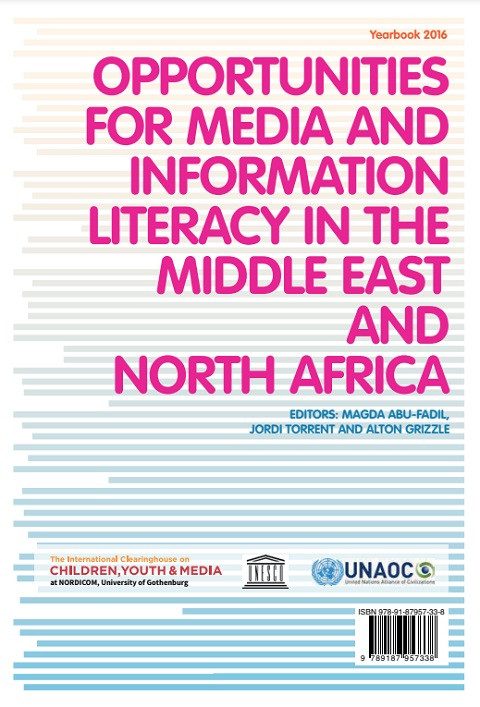 Opportunities for Media and Information Literacy in the Middle East and North Africa: Yearbook 2016 Year of publication: 2016 Author: Magda Abu-Fadil | Jordi Torrent | Alton Grizzle Corporate author: International Clearinghouse on Children, Youth and Media (Sweden) Opportunities for Media and Information Literacy in the Middle East and North Africa is the seventeenth Yearbook published by the Clearinghouse and fills a gap in the existing body of literature about the progress of media and information literacy work in different parts of the world. This book also helps educators in the Middle East and North Africa region looking for opportunities to bring to their classrooms elements of MIL education. Disability Equality in the Media: Representation, Accessibility, Management; Practical Manual Year of publication: 2025 Corporate author: UNESCO Promoting Disability Equality in the Media Despite all the positive changes happening in newsrooms and leadership roles, diversity in the media remains a challenge.When certain groups are left out, the media fails to present all angles of a story, missing diverse perspectives and innovative ideas. Consequently, audiences do not receive the full picture, and promises of fair and accurate representation often fall short, affecting our perceptions of each other in society. It is the case of persons with disabilities, who make up 16 percent of the global population but remain one of the most marginalized groups. Media coverage frequently overlooks them, and when their stories are told, they are often framed through stereotypes. This not only creates barriers but also denies them their rights. To address this, media organizations should enhance editorial policies and representation, improve employment conditions, and foster a more inclusive environment for professionals with disabilities.The Practical Manual and Master Class provide hands-on advice to editorial teams on how to ensure fair and unbiased coverage of disability. For content producers, it details how to make media content and services accessible. To managers and decision makers, the material inspires change, demonstrating how disability equality can contribute to media industry growth and create new revenue streams.This work contributes to the implementation of the United Nations Convention on the Rights of Persons with Disabilities (2006) and promotes freedom of expression, media development, and access to information for the meaningful participation of persons with disabilities in public debate.
  Seoul Declaration on Media and Information Literacy for Everyone and by Everyone: A Defence Against Disinfodemics Year of publication: 2020 Corporate author: UNESCO On the 10th anniversary of Global Media and Information Literacy Week, stakeholders from all over the world gave a resounding affirmation as to the urgency to strengthen people’s media and information literacy competencies. The number of celebratory events increased from one hundred events in 2019 to over three hundred events in 2020.The outcomes of the deliberations in the Feature Conference and Youth Agenda Forum have been immortalized in the Seoul Declaration on Media and Information Literacy for Everyone and by Everyone: A Defence against Disinfodemics. This Seoul Declaration benefited from a consultation with close to one thousand registered participants.Through the Seoul Declaration, partners and participants called for media and information literacy for all. They:Emphasized that “media and information literacy (MIL) is a core competency for addressing the disinfodemic, and that MIL also contributes to access to information, freedom of expression, protection of privacy, prevention of violent extremism, promotion of digital security and combating hate speech and inequality”.Recognized “UNESCO’s effort to promote a Global MIL Cities Framework to stimulate creative learning about MIL in city spaces and the involvement of non-traditional actors in promoting MIL”.Called on duty bearers at the national to city levels to “commit to advancing ‘Media and Information Literacy for Everyone and by Everyone’ through policy and resource allocation across all relevant areas, including education, health, elections, child protection, climate, gender equality, governance and regulation, to mention some examples”.Urged technological intermediaries to “play an accountable role, through institutionalized multi-stakeholder systems, as part of the social endeavor to tackle disinformation and to build communities that are media and information literate”.Requested UNESCO, in cooperation with other UN Agencies, to “maintain a focus on inclusion of disadvantaged groups in MIL engagements, and to continue to foster gender equality in relation to MIL.” 모두를 위한, 모두에 의한 미디어·정보 리터러시에 관한 서울 선언문: 디스인포데믹에 대한 저항 Year of publication: 2020 Corporate author: 유네스코 2020년 글로벌 미디어·정보리터러시(MIL) 주간 대표회의 및 청년포럼의 결과문서로 채택된 서울선언문이다. 본 선언문에서는 MIL의 중요성을 강조하고, 각각의 이해관계자가 MIL 역량 증진을 위해 실천할 수 있는 구체적인 행동을 담고 있다.
  Mapping of Media Information Literacy in Jordan Year of publication: 2018 Corporate author: UNESCO Amman This study has come out as results of conducting a regional mapping exercise in Jordan to identify organizations that operate in the field of MIL to:understand the general landscape of MIL in Jordan to pinpoint areas in which UNESCO should intervene,identify different stakeholders that operate in the field of MIL and understand the scope of their work in terms of activities, region and target,determine the areas of MIL that are considered priorities by organizations,identify the key skills covered by the different initiatives and the nature of these activities,determine the challenges organizations are facing in implementing MILThe results of the study revealed that organizations exhibit considerable enthusiasm for the field of MIL and consider the competencies that fall within its scope as paramount in building a society that is empowered to successfully navigate the increasingly complex media sphere and use this knowledge to further contribute to the societal, cultural, educational and scientific development.
  Hate Speech, Propaganda and Disinformation in Albanian Media Year of publication: 2020 Author: Ilda Londo Corporate author: South East European Network for Professionalization of Media (SEENPM) | Peace Institute | Albanian Media Institute The purpose of this paper is to highlight the main models and elements that media in Albania manifest regarding hate speech, propaganda and disinformation and also to identify ways of countering these narratives. The research focuses mainly on online media, as they are identified as the main carriers of disinformation and hate speech, with a few exceptions, but traditional media are also present.This publication was produced within project Resilience: Civil Society for Media Free of Hate and Disinformation,run by South East European Network for Professionalization of Media (SEENPM).Reasearch is available in English and Albanian.