
Resources
Explore a wide range of valuable resources on GCED to deepen your understanding and enhance your research, advocacy, teaching, and learning.
2,162 Results found
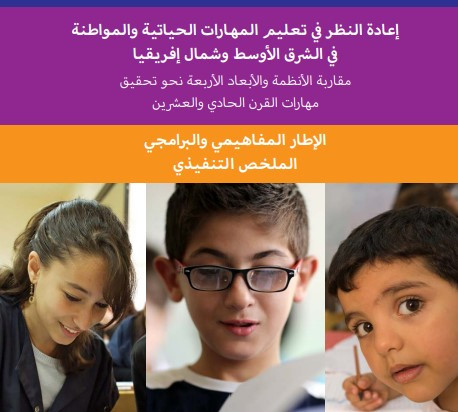 تعليم المهارات الحياتية والمواطنة في الشرق الأوسط وشمال أفريقيا Year of publication: 2016 Corporate author: UNICEF Middle East and North Africa يستدعي وضع التعلم في منطقة الشرق الأوسط وشمال إفريقيا رؤية تعليم شاملة ومستمرة مدى الحياة وقائمة على الحقوق، ومن شأنها أن تزيد من قدرات جميع الأطفال والشباب في المنطقة. يهدف إطار العمل إلى تزويدهم بشكل أفضل لإنتاج معنى من المعرفة ولمواجهة التحولات من مرحلة الطفولة للبلوغ، ومن مرحلة التعليم للعمل، ومن التنمية غير المدروسة للمواطنة المسؤولة والفعالة.الأمر الذي يدفع مبادرة تعليم المهارات الحياتية والمواطنة (LSCE) في منطقة الشرق الأوسط وشمال إفريقيا ، التي انطلقت خلال عام 2015 بهدف دعم بلدان المنطقة - من الناحية المفاهيمية والبرنامجية والفنية - لتحسين التعلم واستثمار هذا التعلم بشكل أفضل في الفرد والمجتمع والتنمية الاقتصادية.وقد تم تحديد مجموعة تتكون من اثنتي عشر مهارة حياتية رئيسة - وهي الأكثر أهمية في السياق الإقليمي- باستخدام نموذج التعلم رباعي الأبعاد: “التعلم أن تعرف” (البعد المعرفي) و”التعلم أن تفعل” (البعد الأدواتي)، و”التعلم أن تكون” (البعد الفردي)و”التعلم من أجل العيش معًا” (بُعد التعلم الاجتماعي والمواطنة).تدوم المهارات الحياتية الاثني عشر الأساسية مدى الحياة وتعتمد على الأدلة التي تؤكد أهمية اكتساب المهارات في سن مبكرة. علاوة على ذلك، يتم اكتساب المهارات الحياتية الأساسية الاثني عشر واستدامتها من خلال جميع أشكال التعلم في النظم التي تعترف بمسارات متعددة للتعلم، رسمية وغير رسمية. Teaching Life Skills and Citizenship in the Middle East and North Africa Year of publication: 2016 Corporate author: UNICEF Middle East and North Africa The situation of learning in MENA calls for a holistic, lifelong and rights-based vision of education that maximizes the potential of all children and youth in the region and better equips them to create meaning out of knowledge and to face the transitions from childhood to adulthood, from education to work, and from unreflective development to responsible and active citizenship. This is what drives the MENA Life Skills and Citizenship Education (LSCE) Initiative, kicked off in 2015 with the aim of supporting the countries of the region – conceptually, programmatically and technically – to improve learning and to better invest such learning in individual, social and economic development.A set of twelve core life skills for MENA has been identified using the four-dimensional learning model: ‘Learning to Know’ (Cognitive Dimension), ‘Learning to Do’ (Instrumental Dimension), ‘Learning to Be’ (Individual Dimension), and ‘Learning to Live Together’ (Social Dimension). The twelve core life skills are life-long and build on evidence that underlines the importance of skills acquisition from an early age. Furthermore, the twelve core life skills are acquired and sustained through all forms of learning in a systems approach that recognizes multiple pathways of learning, formal, non-formal and informal.
  "التعليم من أجل المستقبل: التجربة العالمية لتطوير مهارات وكفاءات القرن الحادي والعشرين " Year of publication: 2015 Author: Liu Jian Corporate author: Qater Foundation يهدف هذا التقرير إلى تزويد واضعي السياسات وقادة التعليم والباحثين بفهم شامل لمعنى كفاءات القرن الحادي والعشرين وتكوينها وتنفيذها بشتى أنحاء العالم. وقد جرى التحقيق في أطر عمل الكفاءات لخمس منظمات دولية و 24 كيانًا اقتصاديًا، وتتوفر المراجع الرسمية بأكثر من ثماني لغات. لهذا البحث أهداف خمسة مهمة، هي:1. تحديد القوى الدافعة وراء هذه الكفاءات،2. تحليل عناصر أطر العمل هذه وهيكلها،3. البحث في تنفيذ هذه الأطر في التعليم،4. مناقشة الدعم اللازم من القطاعات الحكومية والاجتماعية،5. اقتراح استراتيجيات وأفكار لتعزيز هذه الكفاءات وتطويرهاوتطبيقها. Education for The Future: The Global Experience of Developing 21st Century Skills and Competencies Year of publication: 2015 Author: Liu Jian Corporate author: Qater Foundation This report aims to provide policy makers, education leaders, and researchers with a comprehensive understanding of the meaning, formation, and implementation of twenty-first century competencies around the world. The competency frameworks of five international organizations and 24 economic entities have been investigated, and official references are available in more than eight languages. This research has five important objectives:1. Identify the driving forces behind these competencies,2. Analysis of the elements and structure of these frameworks,3. Research the implementation of these frameworks in education,4. Discussing the necessary support from the governmental and social sectors,5. Suggesting strategies and ideas to enhance, develop and apply these competencies.
 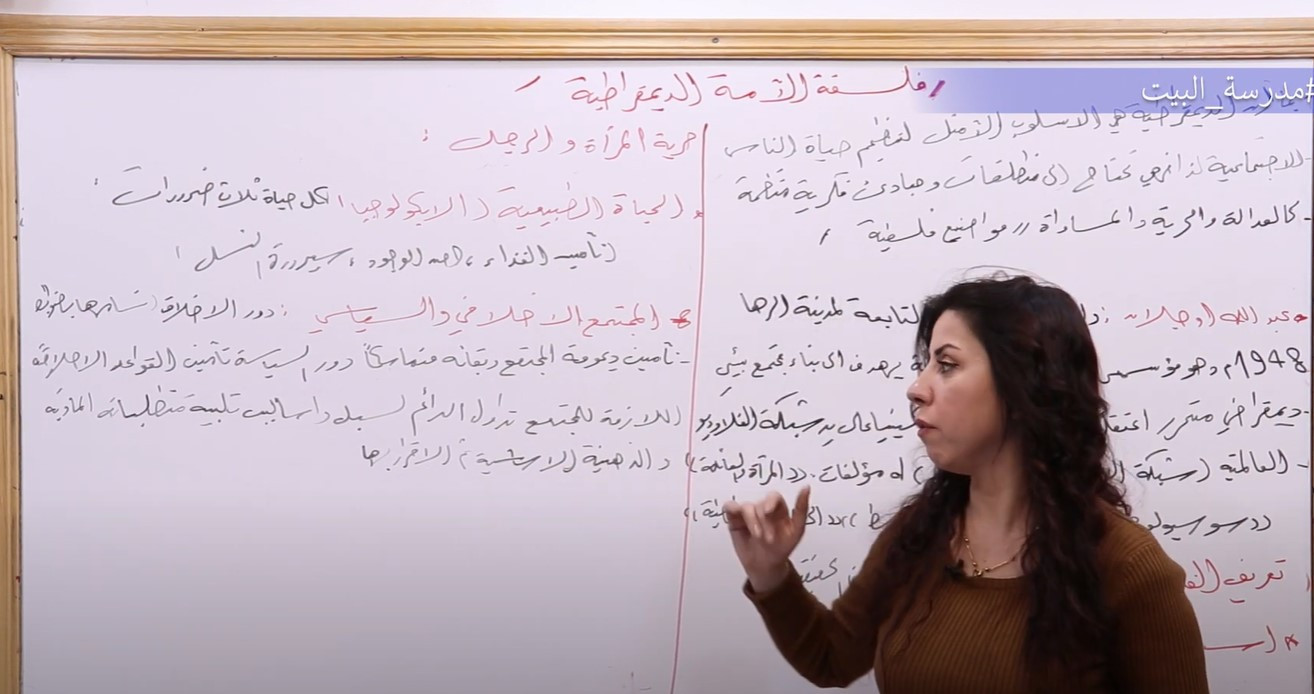 فلسفة الأمة الديمقراطية Year of publication: 2021 Author: Roken Darweesh Corporate author: Dibistana Malê تستعرض المعلمة في هذا الفيديو درس بعنوان "فلسفة الأمة الديمقراطية". وهذا الدرس هو للصف 12 في شمال وشرق سوريا. الفيديو من انتاج قناة تعليمية تابعة لهيئة التربية والتعليم في شمال وشرق سوريا
 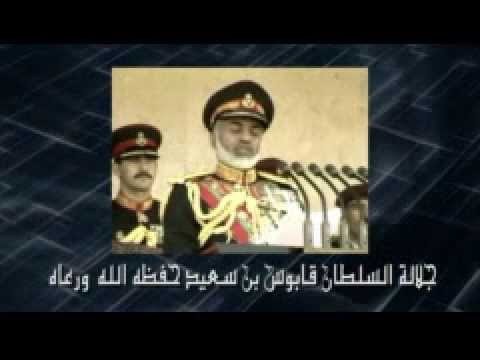 Citizenship Education in the Curriculum Year of publication: 2013 Corporate author: Oman. Ministry of Education The video talks about citizenship education in the school curricula in the Sultanate of Oman. The video describes the development of citizenship education in the Omani curricula since 1970, when the Omani Renaissance began. The video indicates that citizenship education is constantly changing during the past stage based on national, regional and global changes. The video mentions the stages of curriculum development and its review of citizenship education.
 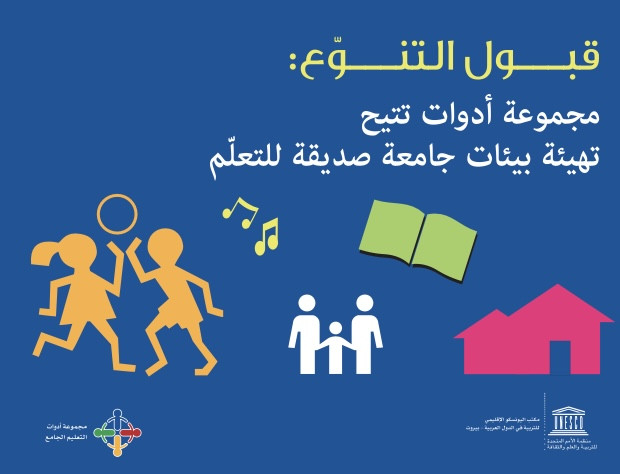 قبول التنوع: مجموعة أدوات تتيح تهيئة بيئات جامعة صديقة للتعلم Year of publication: 2014 Corporate author: UNESCO Beirut قام مكتب اليونسكو الإقليمي – بيروت بترجمة وتعريب مجموعة الأدلة التي أنتجها مكتب اليونسكو الإقليمي للتربية في آسيا والمحيط الهادي- بانكوك. وتقدم الأدلة المعنونة " قبول التنوع: مجموعة أدلة تتيح تهيئة بيئات جامعة صديقة للتعلم" أدوات عملية وارشادات لجعل المدارس والصفوف الدراسية جامعة وصديقة للتعلم ومراعية للفروق الاجتماعية والجندرية والجسمية بين الأطفال.وهذا الدليل هو واحد من الأدلة التسعة التي أُنتجت، والتي تهدف في مجموعها، إلى مساعدة المعلمين ومدراء المدارس والمسؤولين التربويين، لتهيئة بيئة تعليمية جامعة وصديقة للتعلم، من خلال تقديم مجموعة متنوعة من الطرق والأمثلة والأدوات والنصائح والإرشادات التي تعين المعلم على أداء مهامه وإدارة الصف وتهيئة بيئة تعليمية ملائمة للجميع. Embracing Diversity: Toolkit for Creating Inclusive, Learning-Friendly Environments Year of publication: 2014 Corporate author: UNESCO Beirut The UNESCO Regional Office - Beirut has translated and localized the collection of manuals produced by the UNESCO Regional Office for Education in Asia and the Pacific - Bangkok. The guides, “Accepting Diversity: A Guidebook for Creating Learning-Friendly University Environments,” provides practical tools and guidance for making schools and classrooms inclusive, learning-friendly, and social, gender- and physical-sensitive among children.This guide is one of the nine guides that have been produced, which, in total, aim to assist teachers, school principals and educational officials to create an inclusive and learning-friendly learning environment, by providing a variety of methods, examples, tools, tips and instructions that help the teacher to perform his duties, manage the classroom and prepare A suitable learning environment for all.
 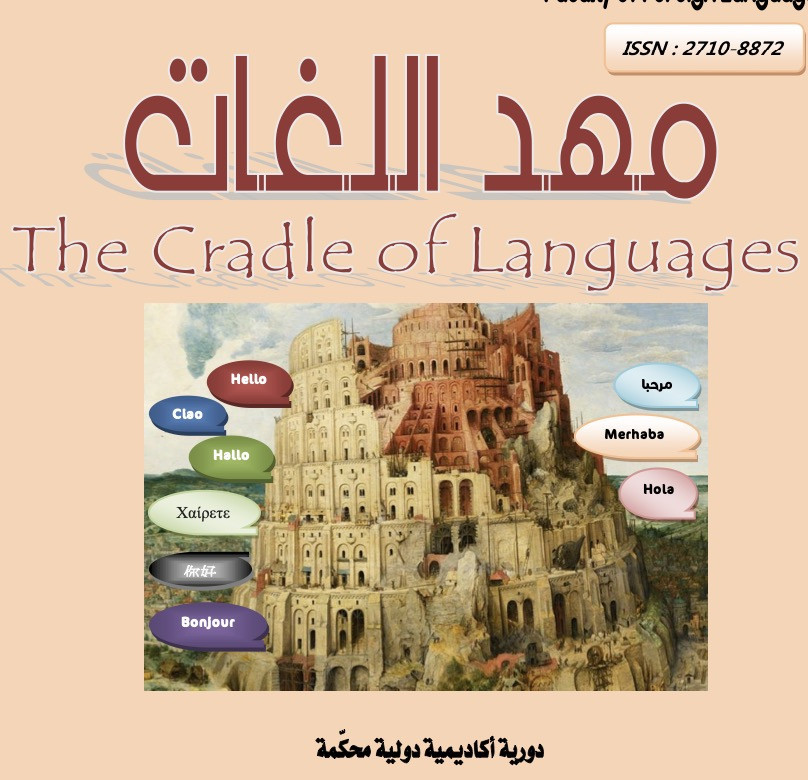 استخدام بعض تطبيقات الهاتف الذكي في تعليم اللغة العربية للناطقين باللغة الإنجليزية بين الواقع الملموس والمستقبل المأمول Year of publication: 2022 Corporate author: University of Chlef يتناول هذا البحث ظاهرةً علميةً انتشرتْ في السنوات القليلة الماضية في تعليم اللغة العربية للمتحدثين الأصليين باللغة الإنجليزية، ألا وهي تعليم اللغة العربية باستخدام تطبيقات الهواتف الذكية، وهي ظاهرةٌ جديرةٌ بالاهتمام، مما لفت نظر الباحث إلى ضرورة دراسة هذه الظاهرة بشيءٍ من التفصيل، وقد لاحظَ الباحثُ انتشارَ عددٍ كبيرٍ من تطبيقات الهواتفِ الذكية في تعليم اللغة العربية للناطقين باللغة الإنجليزية، فاتجه الباحثُ إلى بيانِ وتوضيح عددٍ من هذه التطبيقات، واصفًا لها مبيِّنًا خصائصَها ومميزاتِها، كما حرص على بيان وتوضيح بعض عيوبِها التي ظهرتْ له، حتى يكون ذلك عونًا للطلابِ عند انتقاء التطبيقات المناسبة لهم إذا أرادوا أن يتعلموا العربية عن طريق مثل هذه التطبيقات. ولقد تحدَّثَ الباحث عن منهجه في الدراسة، ووضَّح أنه استخدم المنهج الوصفيَّ في بيان هذه التطبيقات، كما قام بتعريفِ بعضِ المصطلحات المستخدمة في البحث، كالهاتف الذكي، وتطبيقات تعليم اللغة العربية للناطقين بالإنجليزية، كما تحدث عن أهم خصائص تعليم اللغة العربية من خلال تطبيقات الهواتف الذكية، كما ذكر عناصرَ تطبيقات الهواتف الذكية في تعليم اللغة العربية للناطقين بالإنجليزية، ثم ذكر الباحثُ أربعةً من تطبيقات الهواتف الذكية، واصفًا لها؛ مبيِّنًا مميزاته وعيوبِ كلٍّ منها، ثم أنهى الباحث تلك الورقة بالحديث عن المستقبل المأمول في خصائص مثل هذه التطبيقات التي يجب أن تتسم بها إذا أردنا الحصول على تطبيقٍ مثاليٍّ في تعليم اللغة العربية للناطقين بالإنجليزية. Use of Smartphone Applications to Teach Arabic to English Language Speakers Between the Tangible Reality and the Hoped-for Future Year of publication: 2022 Corporate author: University of Chlef This research examines a scientific phenomenon that hat has spread in the past few years on teaching Arabic to native English speakers using smartphone applications. Smartphone usage proved to be a stimulating phenomenon that drew the researcher's attention to studying it in great detail. The researcher observed several smartphone applications in teaching Arabic to English speakers. However, this led to the writer's description, clarification, and categorization of these applications based on their features and characteristics, just as he was keen to explain and clarify some demerits of these applications. The main goal was to help students when selecting the rightful applications for them should they resort to learning Arabic through such applications. In his attempt to explain more about these applications, the researcher used a descriptive method where he also defined some of the terminologies used in this research, for example, smartphone and Arabic language applications for English speakers. He also spoke about the most vital characteristics of Arabic language learning through smartphone applications. He then mentioned a range of smartphone applications, such as the famous Duolingo app used to teach Arabic and other languages to English speakers, as well as the Arabic unlocked application. In summation, the researcher concluded his research paper by looking into the future characteristics of such applications and what an ideal application in teaching Arabic to English speakers should be.