
Resources
Explore a wide range of valuable resources on GCED to deepen your understanding and enhance your research, advocacy, teaching, and learning.
3,790 Results found
 청년과 청소년을 위한 평화세우기 툴킷 Year of publication: 2018 Author: Romeral Ortiz Quintilla Corporate author: United Network of Young Peacebuilders (UNOY Peacebuilders) 본 자료는 갈등전환과 평화세우기, 평화로운 서사를 새롭게 만들어내는 데 효과적인 여러 배움 활동지침과 개념을 담고 있다. 이 툴킷은 평화교육을 이제 막 시작하거나 그동안 진행해 왔던 청년 활동가와 배움 진행자가 활용할 수 있도록 구성되었다.
 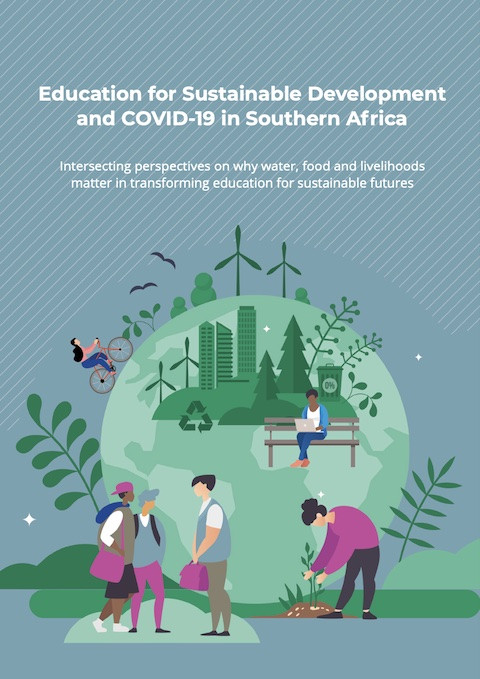 Education for Sustainable Development and COVID-19 in Southern Africa: Intersecting Perspectives on Why Water, Food and Livelihoods Matter in Transforming Education for Sustainable Futures Year of publication: 2021 Author: Heila Lotz-Sisitka | Injairu Kulundu | Rachel Neville | Anna James | Ayanda Buhlebenkosi Moyo | Esthery Kunkwenzu | Domingos Carlos Mirione | Gibson Mphepo | Kgosietsile Velempini | Lwanda Maqwelane | Phila Dyantyi | Rutendo Mushishi | Selemani Abdul Makwita | Yeukai Musariri | Zenani Mhlanga Corporate author: JET Education Services | Rhodes University The main question of this book is ‘What can we learn from this intersecting crisis for transforming education for sustainable futures in southern African countries’.The research process will generate a few additional questions including, but not limited to:Can stronger school-community-government partnerships help to reduce risks and challenges such as those being faced now under the COVID-19 crisis?What can our governments do better?What can communities and parents do?What can educators and learners do?What systems need to be generated to ensure an alternative, transformed future and what is the role of education in this story?
  Digital Citizenship: Guide for Parents Year of publication: 2017 Corporate author: Gouvernement of Canada | MediaSmarts The Digital Citizenship Guide for Parents is designed to prepare parents and guardians for the conversations they should have with their children when they first start using digital devices. Guide de civilité en ligne à l’intention des parents Year of publication: 2017 Corporate author: Gouvernement of Canada | MediaSmarts Le Guide de civilité en ligne à l’intention des parents vise à préparer les parents et les gardiens aux conversations qu’ils devraient avoir avec leurs enfants lorsque ces derniers commencent à utiliser des appareils numériques.
  Helping Our Kids Deal With Cyberbullying: A TELUS Wise Parent’s Guide Year of publication: 2018 Corporate author: TELUS Wise | MediaSmarts This parent guide provides information about cyberbullying, and includes practical tips on how to help prevent or reduce the impact of cyberbullying, what you should do if your child is targeted or if your child is cyberbullying someone, and how you can help your child stand up to cyberbullying. Aider nos enfants à composer avec la cyberintimidation: Guide à l’intention des parents Year of publication: 2018 Corporate author: TELUS Wise | MediaSmarts Ce guide contient de l’information sur la cyberintimidation et comment puis-je aider à prévenir ou à réduire l’impact de la cyberintimidation, que faire si votre enfant est victime de cyberintimidation ou est un cyberintimidateur, et comment aider votre enfant à résister à la cyberintimidation?
 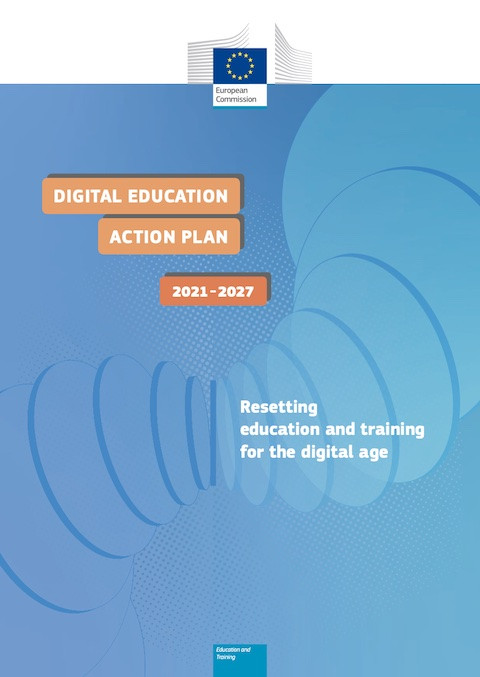 Digital Education Action Plan 2021-2027: Resetting Education and Training for the Digital Age Year of publication: 2020 Corporate author: European Union (EU) The Digital Education Action Plan (2021-2027) outlines the European Commission’s vision for high quality, inclusive and accessible digital education in Europe.It is a call to action for stronger cooperation at European level to learn from the COVID-19 crisis during which technology is being used at a scale never seen before in education and training make education and training systems fit for the digital age
  دراسة تحليلية لقيم المواطنة المتضمنة في كتاب المواطنة وحقوق الانسان للصف الثاني الثانوي Year of publication: 2016 Author: Maisaa Hamza Corporate author: Association of Arab Educators استهدفت الدراسة التعرف على قيم المواطنة السياسية والاجتماعية والإقتصادية المتضمنة بکتاب المواطنة وحقوق الإنسان للصف الثانى الثانوى 2014/2015 ، وکذلک وضع تصور مقترح لتضمين قيم المواطنة اللازمة لطلاب المرحلة الثانوية، وقد أعدت الباحثة استمارة تحليل لمحتوى الکتاب فى ضوء أبعاد المواطنة الثلاثة، وتوصلت الدراسة إلى اهتمام وترکيز الکتاب على القيم السياسية والإجتماعية للمواطنة، وإهمال القيم الإقتصادية، حيث بلغت نسبة انتشار القيم السياسية (54.7%) من إجمالى قيم المواطنة بالکتاب ، بينما بلغت نسبة انتشار القيم الإجتماعية (40.8%)، أما القيم الإقتصادية فقد بلغت نسبة انتشارها (4.39%). و تعد قيمة الإنتماء أکثر القيم انتشاراً بالنسبة للبعد السياسى للمواطنة ،حيث بلغت نسبتها (23.69%) يليها قيمة الإعتزاز بالهوية الوطنية بنسبة(23.29%)، کما تعد قيمة التسامح أکثر القيم انتشاراً بالنسبة للبعد الإجتماعى للمواطنة، حيث بلغت نسبتها (32.79%) يليها العمل التطوعى بنسبة (30.10%)،أما قيمة احترام العمل فکانت أکثر القيم انتشاراً بالنسبة للبعد الإقتصادى للمواطنة، حيث بلغت نسبتها (50 %) يليها المحافظة على الممتلکات العامة والخاصة بنسبة(35 %) ، ثم استغلال الوقت بنسبة (15 %) ، بينما أغفل الکتاب قيمة ترشيد الاستهلاک. An Analytical Study of the Values of Citizenship Involved in the Book of Citizenship and Human Rights for Second Year Secondary Year of publication: 2016 Author: Maisaa Hamza Corporate author: Association of Arab Educators The study aimed to identify the political, social and economic citizenship values included in the book of citizenship and human rights for second year secondary 2014/2015.It also aimed at suggesting a proposal to include the citizenship values required for secondary school students, The researcher conducted content analysis of the book in the light of the three dimensions of citizenship. the study revealed that. The focus and attention of the book is mainly on the political values (54.7%) and social values(40.8%) of citizenship.However It extremely ignored economic values(4.39%), The value of “belonging “is the most common value in The Dimension of the political citizenship, which represented (23.69%), followed by the value of “Being Proud at national identity” (23.29%), It also revealed that The value of “Tolerance” is the most common value in The Dimension of the social citizenship, which represented(32.79%), followed by the value of “Voluntary work”(30.10%), finally The value of “Respect Work “is the most common value in The Dimension of the economic citizenship, which represented(50%), followed by the value of “Province on Public and Private Property”(35%), and then the value of “Use The Time”(15%), while the book ignored the value of “Rationalize Consumption”.
  دور المرأة في المواطنة والانتماء Year of publication: 2020 Author: Tahany AL-Qaseem Corporate author: Majmaah University تعد المواطنة والانتماء من القضايا القديمة المتجددة التي ما تلبث أن تفرض نفسها عند معالجة أي بعد من أبعاد التنمية الخاص بمشروعات التطوير والإصلاح. تستعرض المحاضرة في هذا العرض دور المرأة في تعزيز قيم المواطنة والانتماء.