
Resources
Explore a wide range of valuable resources on GCED to deepen your understanding and enhance your research, advocacy, teaching, and learning.
1,300 Results found
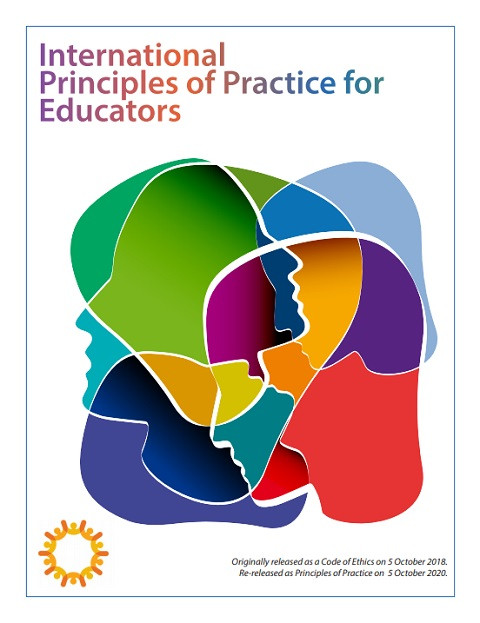 International Principles of Practice for Educators Year of publication: 2020 Corporate author: Childhood Education International This document is a unique tool for educators that outlines how universally accepted beliefs about education can guide them in their work to help young people reach their full potential. By emphasizing the responsibilities and challenges that educators around the world share, it also helps to inspire them as members of a professional community that has inestimable value for promoting positive transformation.
 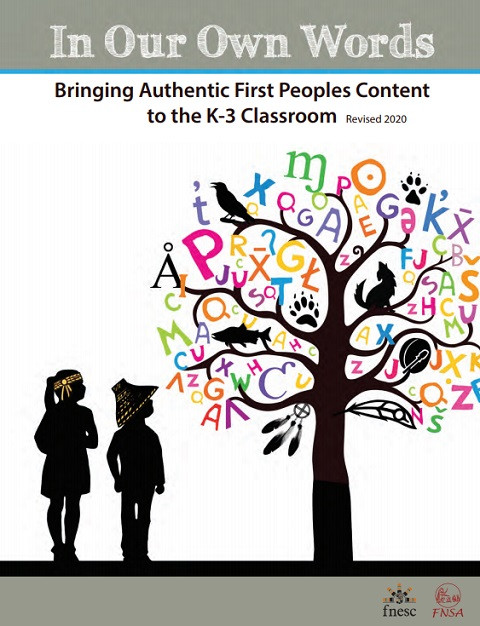 In Our Own Words: Bringing Authentic First Peoples Content to the K-3 Classroom Year of publication: 2020 Author: Jo Chrona | Heather Froste | Nadine McSpadden | Trena Lynn Sutton | Heidi Wood Corporate author: First Nations Education Steering Committee (FNESC) | First Nations Schools Association (FNSA) This teacher resource guide has been developed to offer teachers information and guidance about how to incorporate authentic First Peoples materials into their instruction and assessment practices. Inside, you will find lesson plans, curriculum connections, assessment resources and suggested texts.
  Référentiel de compétences harmonisé: Deuxième phase de la recherche-action sur la mesure des apprentissages des bénéfi ciaires des programmes d'alphabétisation Year of publication: 2020 Author: Madina Bolly | Hakima Megherbi Corporate author: Institut de l’UNESCO pour l’apprentissage tout au long de la vie (UIL) Le Référentiel de compétences harmonisé constitue un guide pour l’élaboration des programmes d’alphabétisation et un outil formatif novateur destiné aux 12 pays de la Recherche-action sur la mesure des apprentissages des bénéficiaires des programmes d’alphabétisation (RAMAA). Résultant d’une mise en commun des compétences (littératie et numératie), des connaissances, et de leurs niveaux de maitrise, éléments pris en compte dans les différents programmes d’alphabétisation, il a été développé et validé par l’ensemble des pays de la RAMAA et est aujourd’hui utilisé dans ces derniers par les directions chargées de l’alphabétisation des ministères de l’Éducation et par les organisations de la société civile. Moyennant des adaptations, le référentiel de la RAMAA peut servir de point de départ pour d’autres pays qui ne sont pas encore dotés d’un tel instrument mais souhaitent cependant standardiser leurs offres de formation et en améliorer la qualité.
 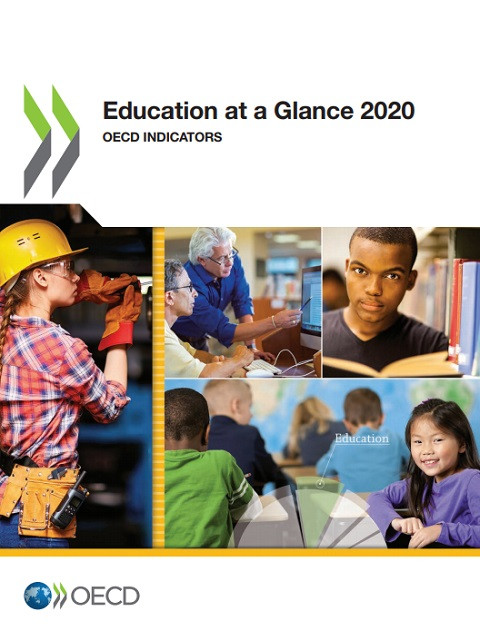 Education at a Glance 2020: OECD Indicators Year of publication: 2020 Corporate author: Organisation for Economic Co-operation and Development (OECD) Education at a Glance is the authoritative source for information on the state of education around the world. It provides data on the structure, finances and performance of education systems across OECD countries and a number of partner economies. More than 100 charts and tables in this publication – as well as links to much more available on the educational database – provide key information on the output of educational institutions; the impact of learning across countries; access, participation and progression in education; the financial resources invested in education; and teachers, the learning environment and the organisation of schools.The 2020 edition includes a focus on vocational education and training, investigating participation in vocational education and training at various levels of education, the labour market and social outcomes of vocational graduates as well as the human and financial resources invested in vocational institutions. Two new indicators on how vocational education and training systems differ around the world and on upper secondary completion rate complement this topic. A specific chapter is dedicated to the Sustainable Development Goal 4, and investigates the quality and participation in secondary education.
 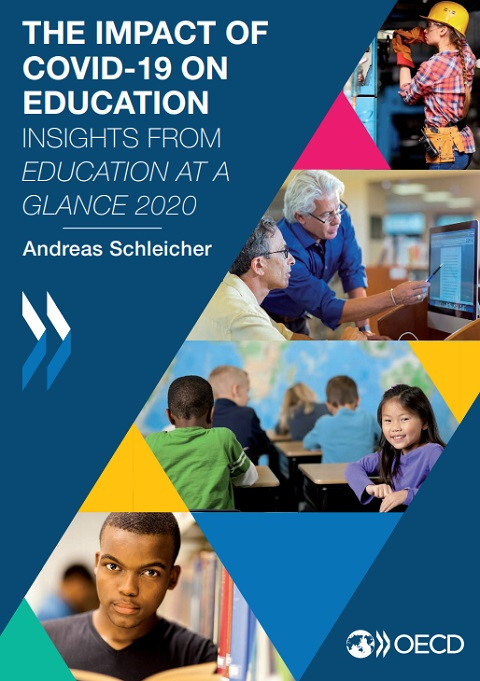 The Impact of COVID-19 on Education: Insights From Education at a Glance 2020 Year of publication: 2020 Author: Andreas Schleicher Corporate author: Organisation for Economic Co-operation and Development (OECD) OECD Director for Education and Skills Andreas Schleicher gives his insights and interpretations from the OECD’s Education at a Glance 2020 report – the go-to source for information on the state of education around the world. This brochure focuses on a selection of indicators from Education at a Glance, selected for their particular relevance in the current context. Their analysis enables the understanding of countries’ response and potential impact from the COVID-19 containment measures.
 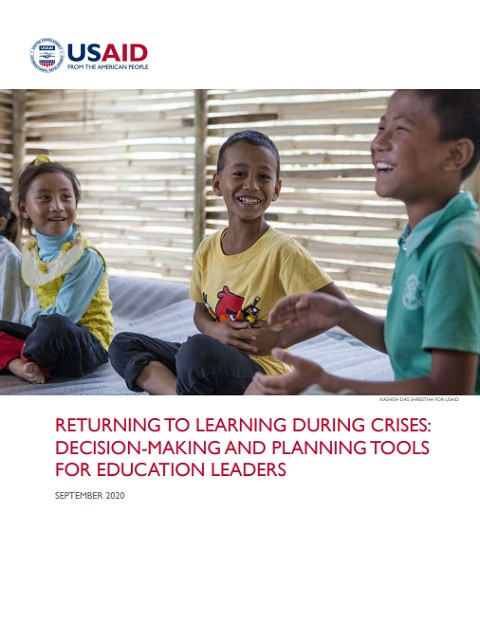 Returning to Learning During Crises: Decision-Making and Planning Tools for Education Leaders Year of publication: 2020 Corporate author: United States Agency for International Development (USAID) This toolkit is for USAID Mission staff and their partner national and local education officials, implementing partners, and administrators and educators of education institutions. It helps education planners plan and make key decisions on the return to learning during and after education disruptions caused by crises, such as COVID-19, in a way that is equitable, inclusive, and builds the resilience of education systems. To provide timely support to the field, this toolkit includes a first set of tools and identifies several tools that are forthcoming. The toolkit is expected to be updated with the full set of tools in late 2020.
 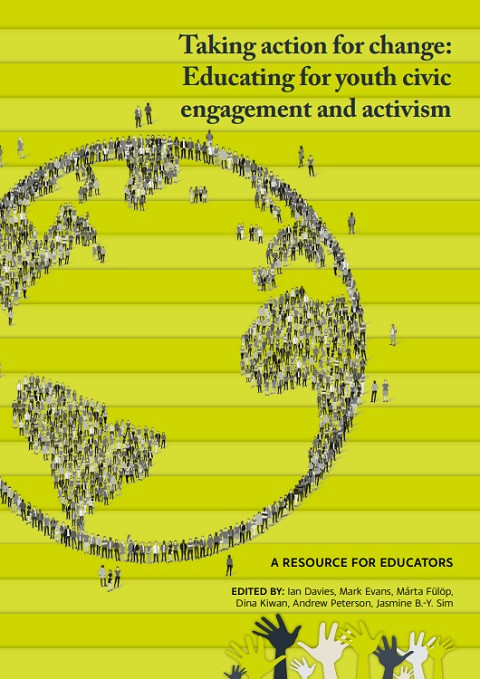 Taking Action for Change: Youth Civic Engagement and Activism; A Resource for Educators Year of publication: 2019 Author: Ian Davies | Mark Evans | Márta Fülöp | Dina Kiwan | Andrew Peterson | Jasmine B.-Y. Sim Corporate author: University of York ‘Youth activism, engagement and the development of new civic learning spaces’ was a project funded by the Leverhulme Trust and developed by an international network of researchers. The project took place between 2016 and 2019.In this resource for education, each member of the project team discusses developments in their own country and identifies key ideas and issues about how young people participate in society and what implications have for education. This book gives several examples that have already been done in different geographical areas and educational perspectives and includes promising practices that begin to illustrate ways in which educators may act.
 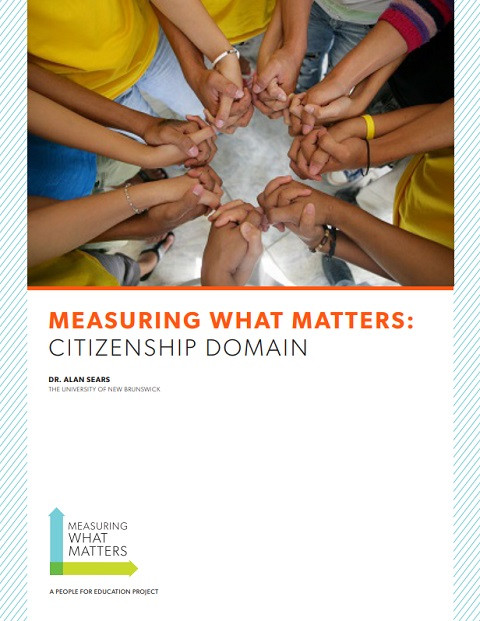 Measuring What Matters: Citizenship Domain Year of publication: 2014 Author: Alan Sears Corporate author: People for Education This report examines why citizenship is a core value for long term success for students and a cohesive, democratic society.
  Attempts in and Experiences of the Cultivation of Civic Literacy in Modern China (Contemporary Education and Culture; Vol. 11, No. 2) Year of publication: 2019 Author: Zhai Nan Corporate author: Northwest Normal University The educational reform in modern China takes place in a special context of strong impact of foreign ideas and deep-rooted local culture where the importance is attached to the cultivation of Chinese citizens’ civic literacy. The concept of the citizen and its educational form reflect the influence of western educational thought, while the contents of education stick to the features of the Chinese nationality and modern times. Through an analysis of the publications in the Republic China period, it is found that the scheme was permeated with a strong local awareness, and reflected the combination of the native moral consciousness and the modern western civic concept. This not only reflects the particularity of the cultivation of civic literacy in the period of social transformation in modern China, but also is of methodological significance to the localization of citizen education. 近代中国公民素养培育的本土化尝试及经验 (当代教育与文化; Vol. 11, No. 2) Year of publication: 2019 Author: Zhai Nan Corporate author: Northwest Normal University 近代中国的教育变革处在一个外来思想强烈冲击、而本土文化根深蒂固的特殊背景之下,对公民素养的重 视和培育就产生在这一背景下。在对公民的概念理解及其教育形式上体现了西方教育思想的影响,但在内容上并没有 放弃本国教育所背负的民族性和时代性。通过对民国时期相关文本的分析发现,当时提出的公民培养方案渗透着强烈 的本土意识,体现了本土道德意识与现代西方公民观念的交织。这既反映出了近代中国社会转型时期公民素养培育的 特殊性,又对公民教育的本土化提供了方法论上的意义。