
Resources
Explore a wide range of valuable resources on GCED to deepen your understanding and enhance your research, advocacy, teaching, and learning.
1,300 Results found
 Development Strategy of Uzbekistan: Civil Society; Training and Methodology Complex Year of publication: 2019 Author: M.N. Primov | T. Norboev Corporate author: Uzbekistan. Ministry of Higher and Secondary-Specialized Education | Tashkent Institute of Finance The document is a collection of training materials on the conditions and prospects for the development of civil society in Uzbekistan, as well as the implementation of the main directions of the Action Strategy. The document also the role of local governments of citizens, non-governmental non-profit organizations in improving institutions civil society.A major role in this is played by new socio-political disciplines, which include the “Development Strategy of Uzbekistan. Civil society". This course reveals the basic scientific principles of the formation of civil society and the development strategy of Uzbekistan, analyzes the main stages of transformation, shows the irreversibility of the reforms carried out in the country, and helps to build the civic position of each member of the society. It is organically woven into the humanities system, forming a common logical chain with it; It helps to answer questions of modern policy of our state and to determine the place and role of each person in the grandiose transformations carried out in the country. Стратегия развития Узбекистана. Гражданское общество: Учебно-методический комплекс Year of publication: 2019 Author: M.N. Primov | T. Norboev Corporate author: Uzbekistan. Ministry of Higher and Secondary-Specialized Education | Tashkent Institute of Finance Документ является сборником учебных материалов, посвященных условиям и перспективам развития гражданского общества в Узбекистане, а также реализации основных направлений Стратегии действий. В документе также рассматривается роль органов местного самоуправления граждан, негосударственных некоммерческих организаций в совершенствовании институтов гражданского общества.Большую роль в этом играют новые социально-политические дисциплины, в число которых входит и «Стратегия развития Узбекистана. Гражданское общество». Данный курс раскрывает основные научные принципы формирования гражданского общества и стратегию развития Узбекистана, анализирует основные этапы преобразований, показывает необратимость проводимых в стране реформ, помогает формированию гражданской позиции каждого члена общества. Он органично вплетается в систему гуманитарных наук, образуя общую логическую цепь с ней; помогает ответить на вопросы современной политики нашего государства и определить место и роль каждого человека в грандиозных преобразованиях, проводимых в стране.
 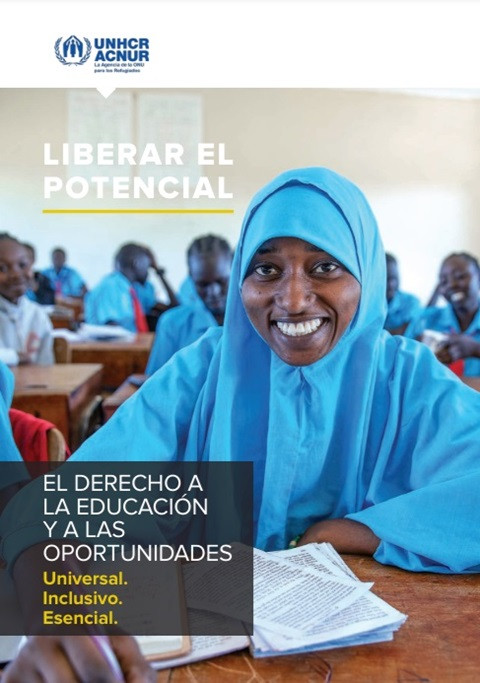 Unleashing Potential: The Right to Education and Opportunity Year of publication: 2023 Corporate author: UN. Office of the United Nations High Commissioner for Refugees (UNHCR) The UNHCR Refugee Education Report 2023 presents the challenges faced by almost 15 million school-aged refugee girls and boys under UNHCR mandate, including others in need of international protection. It also highlights the achievements and aspirations of young refugees who, with the right support, achieved the highest educational goals through perseverance, resilience, determination and enormous effort. Liberar el potencial: El derecho a la educación y a las oportunidades Year of publication: 2023 Corporate author: UN. Office of the United Nations High Commissioner for Refugees (UNHCR) El Informe de Educación de Personas Refugiadas de ACNUR de 2023 presenta los desafíos que enfrentan casi 15 millones de niñas y niños refugiados en edad escolar bajo el mandato de ACNUR, que incluyen a otras personas que necesitan protección internacional. También destaca los logros y las aspiraciones de personas jóvenes refugiadas que, con el apoyo adecuado, lograron los objetivos educativos más altos gracias a la perseverancia, la resiliencia, la determinación y un enorme esfuerzo.
  The Media and Its Role in Raising Security Awareness in Society Year of publication: 2018 Author: Abdul Basit Howaidi | Iman Drake Corporate author: Hamma Lakhdar Eloued University The aim of this study was to reveal the role of the media in the security awareness within the society. The media was one of the means of mass influence that played an important role in the life of human societies. The analytical descriptive method was used to suit the nature of the subject. A professor of the Faculty of Social Sciences and Humanity, which was randomly selected. The questionnaire was also used as an important tool for collecting data from the field. The study reached the following results: The media, the coverage, the nature of the programs presented, and the attempt to open channels of communication between the security institutions and the media have a great role in spreading and achieving security awareness within the community. الإعلام و دوره في التوعية الأمنية داخل المجتمع Year of publication: 2018 Author: Abdul Basit Howaidi | Iman Drake Corporate author: Hamma Lakhdar Eloued University هدفت هذه الدراسة إلى ال كشف عن "دور الإعلام في التوعية الأمنية داخل المجتمع"، و ذلك أن الإعلام وسيلة من وسائل التأثير الجماهيري التي لعبت دورا مهما في حياة المجتمعات الإنسانية ، تم توظيف المنهج الوصفي التحليلي و الذي يناسب طبيعة الموضوع، وقدرت عينة الدراسة ب66 أستاذا جامعيا من كلية العلوم الاجتماعية و الانسانية و التي تم اختيارها بطريقة عشوائية، كما تم الاعتماد على أداة الاستبيان كأداة مهمة لجمع البيانات من الميدان و قد توصلت الدراسة إلى النتائج التالية : ان للإعلام و طريقة التغطية و طبيعة البرامج المقدمة ومحاولة فتح قنوات الاتصال بين المؤسسات الأمنية و الإعلام له دور كبير في نشر و تحقيق التوعية الأمنية داخل المجتمع.
 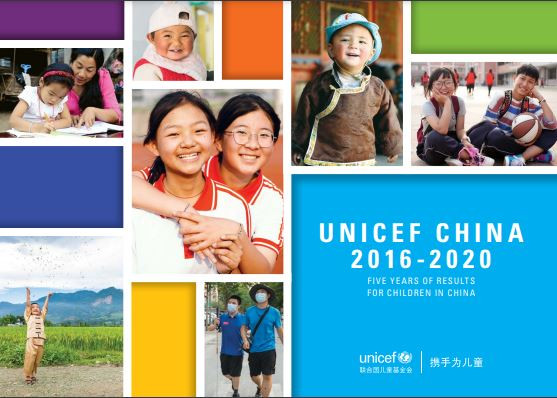 UNICEF CHINA 2016 - 2020: FIVE YEARS OF RESULTS FOR CHILDREN IN CHINA Year of publication: 2021 Corporate author: United Nations Children's Fund (UNICEF) This report introduces the work of UNICEF in China during 2016-2020, including children protection, education and social policies. 携手共进 造福儿童:联合国儿童基金会在华工作成果 (2016-2020年) Year of publication: 2021 Corporate author: United Nations Children's Fund (UNICEF) 该报告介绍了联合国儿童基金会2016-2020期间在中国所进行的工作,包含儿童保护、教育、社会政策等方面内容。
  Global Education (International) and Teaching Social Subjects: Applications and Models from Previous Research and Studies Year of publication: 2018 Author: Asmaa Al-Ahdal | Iman Eida Corporate author: King Abdulaziz University A lecture from a Saudi university, dealing with what is international education as a science, and its applications in social studies curricula. The two lectures discuss the concept of international education, its characteristics and the history of its inception as a science. التربية العالمية (الدولية) وتدريس المواد الاجتماعية: تطبيقات ونماذج من أبحاث ودراسات سابقة Year of publication: 2018 Author: Asmaa Al-Ahdal | Iman Eida Corporate author: King Abdulaziz University محاضرة من أحد الجامعات السعودية، تتطرق لماهية التربية الدولية كعلم، وتطبيقاتها في مناهج الدراسات الاجتماعية. يناقش الماحضران مفهوم التربية الدولية وخصائصها وتأريخ نشأتها كعلم.