
Toward a More Inclusive Post-COVID Recovery: A Tool to Further the Caribbean Policy Agenda
- Autor Corporativo
- UNESCO KingstonUniversity of the West Indies
- Colección
- 14 p.
- Idioma del recurso
- inglés
- Año de publicación
- 2022
- Palabra Clave
- PandemicsSocial inequalitySocial policy
- Tema
- Diversidad / Alfabetización cultural / InclusiónGlobalización y justicia social / Comprensión internacionalDesarrollo sostenible / Sostenibilidad
- Tipo de Recurso
- Informes de conferencia y programa
- Nivel de Educación
- Otros
- Región
- América Latina y el Caribe
- Lugar de publicación
- Kingston
The Caribbean is a grouping of islands and low-lying coastal countries of sovereign nations and dependent territories that share a history of colonialism and coloniality,1 which has shaped and continues to shape their “complex mix of political and administrative structures”. Indeed, Caribbean nations experience a “paradoxical, type of political sovereignty and experience of development”. All Caribbean nations have been classified by the United Nations as Small Island Developing States (SIDS), taking account of “the peculiar social, economic and environmental vulnerabilities” they experience. Caribbean SIDS are highly indebted and vulnerable to climate change, hurricanes and other natural hazards. At the same time, theirs is a paradoxical existence as their vulnerabilities place them alongside least developed countries, in spite of some being designated by the World Bank as high or middle-income countries. Such classification limits access to the international financing needed towards achieving the Sustainable Development Goals.
Recursos Relacionados
-
 IIEP-UNESCO 12th Medium-Term Strategy: 2026–2029
 -
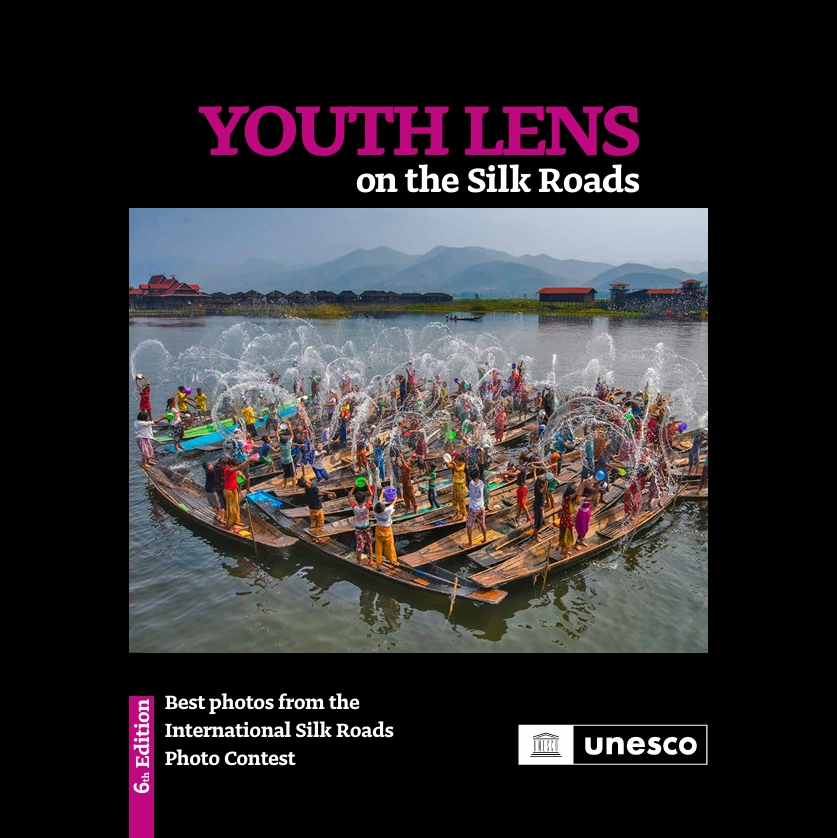 Youth Lens on the Silk Roads: Best Photos from the International Silk Roads Photo Contest; 6th Edition
 -
 Advancing Intergenerational Learning: Identifying Challenges and Opportunities for Older Adults; Integrated Case Study Report
 -
 Digital Empowerment for Lifelong Learning and Transformative Andragogy (DELTA) for Adult Educators: Introduction to the DELTA Framework and Resources