

How Does Education About the Holocaust Advance Global Citizenship Education?
- Autor
- E. Doyle Stevick
- Autor Corporativo
- Organización de las Naciones Unidas para la Educación, la Ciencia y la Cultura (UNESCO)
- Colección
- 25 p.
- Idioma del recurso
- inglés
- Año de publicación
- 2018
- Tema
- Civiles / Ciudadanía / DemocraciaDerechos humanosPrevención de extremismo violento y genocidioOtros
- Tipo de Recurso
- Research papers / journal articles
- Nivel de Educación
- Educación primariaEducación secundariaEducación superiorEducación permanenteEducación no formal
- Región
- Global
- Lugar de publicación
- Paris
Can education about past genocides shape our understanding of how violence occur in today’s world? Can it foster a sense of belonging to a common humanity and empower young people to become active citizens who work globally for peace and human rights? How does learning about such crimes, which profoundly affect the core dignity of human beings, support the objectives of Global Citizenship Education (GCED), a priority of the 2030 Education Agenda?
This paper, commissioned by UNESCO, offers an overview of empirical research on teaching and learning about the Holocaust and how such education may impact leaners’ cognitive, socio-emotional and behavioural skills and competencies. It provides insights for educators on how effective lessons about the Holocaust can meet some of the key expected outcomes of Global Citizenship Education (GCED), such as critical thinking skills, attitudes of empathy and solidarity, and motivation to take action to prevent human rights abuses.
Recursos Relacionados
-
 IIEP-UNESCO 12th Medium-Term Strategy: 2026–2029
 -
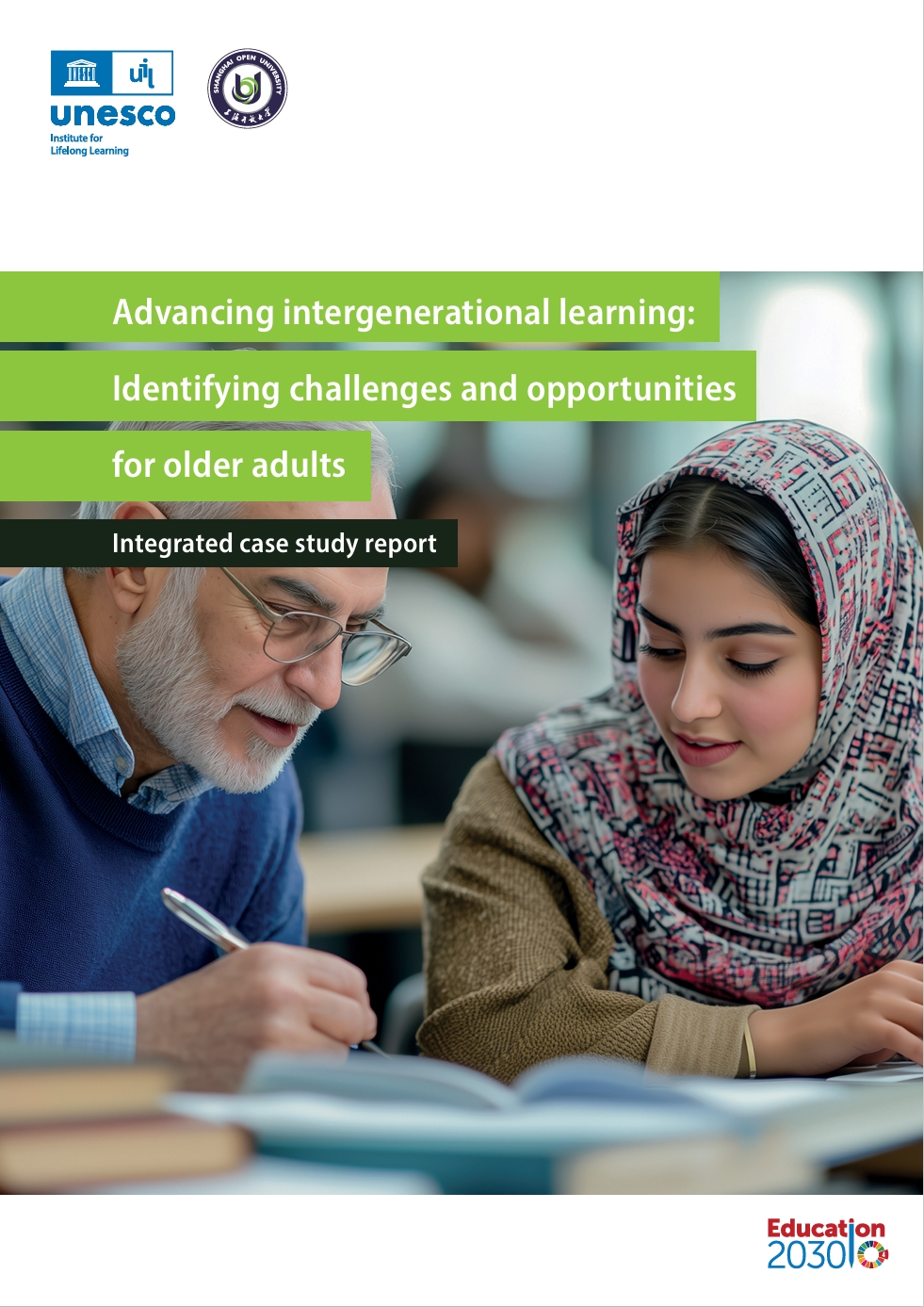 Advancing Intergenerational Learning: Identifying Challenges and Opportunities for Older Adults; Integrated Case Study Report
 -
 Digital Empowerment for Lifelong Learning and Transformative Andragogy (DELTA) for Adult Educators: Introduction to the DELTA Framework and Resources
 -
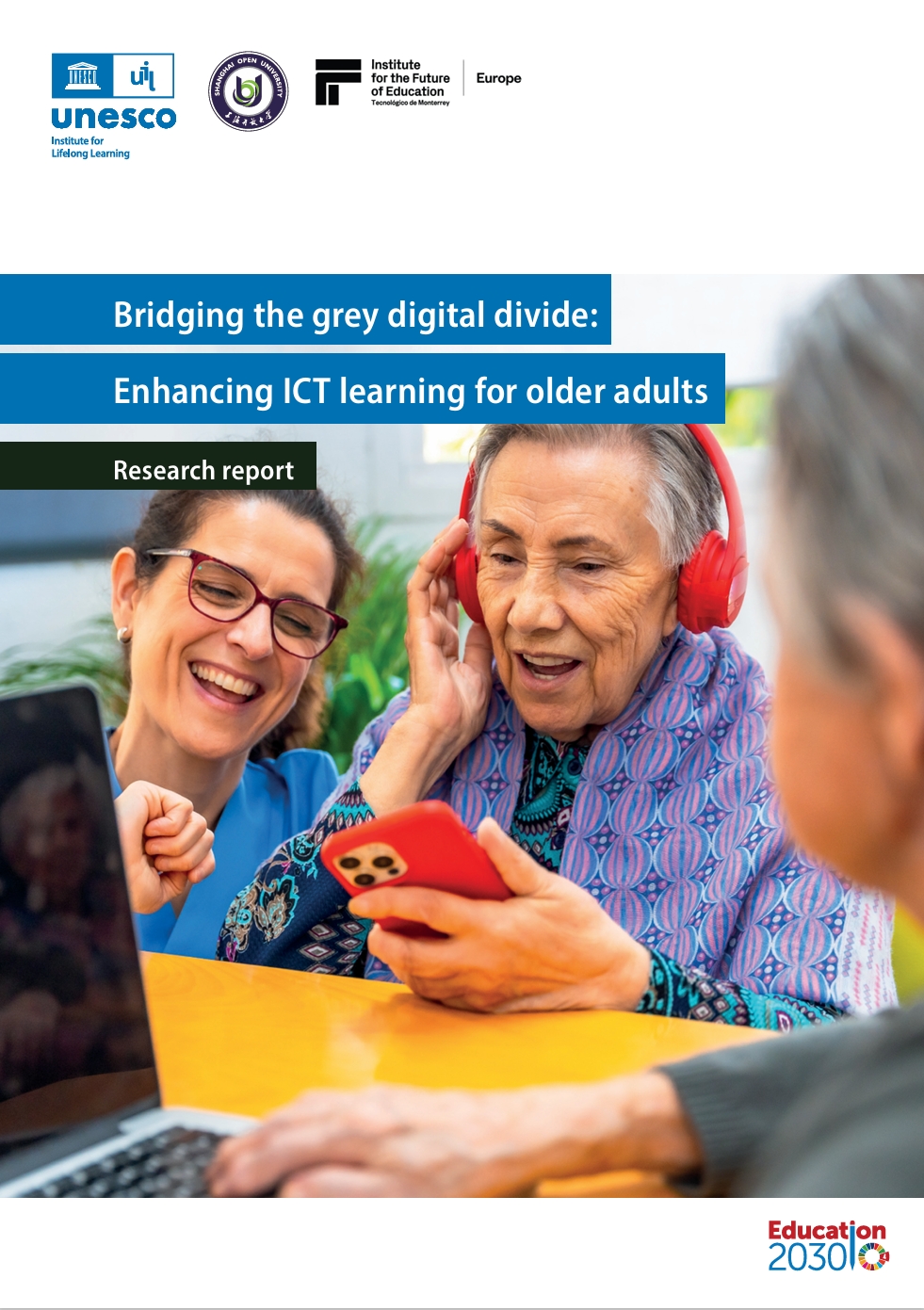 Bridging the Grey Digital Divide: Enhancing ICT Learning for Older Adults; Research Report