
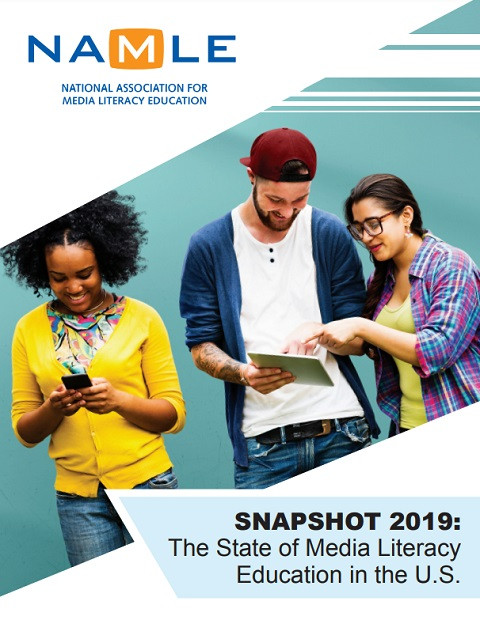
© NAMLE 2019
Snapshot 2019: The State of Media Literacy Education in the U.S.
- Autor Corporativo
- National Association for Media Literacy Education (NAMLE)
- Colección
- 12 p.
- Idioma del recurso
- inglés
- Año de publicación
- 2019
- Palabra Clave
- Media literacyMedia and information literacyMedia literacy educationDigital citizenship
- Tipo de Recurso
- Research papers / journal articles
- Nivel de Educación
- Educación primariaEducación secundariaEducación superiorEducación no formal
- Región
- Europa y América del Norte
- Lugar de publicación
- New York
Since 2015, NAMLE’s membership has grown from about 300 members to over 5,000 members, signifying a remarkable expansion of interest in and demand for media literacy education. Despite general awareness of the persuasive nature and pervasive inclusion of media in our lives, media literacy education has not been formerly prioritized in U.S. education efforts. Yet, several recent trends indicating progress and development are important to mention:
– Growth
– Inclusion in Standards
– Legislative Involvement
– Awareness
Despite broad agreement about the need to ensure that people of all ages are equipped to understand and negotiate the influence of media in their lives, the United States does not devote any significant government effort, nor funding, for media literacy education research, training, or implementation. While funding initiatives have benefits and drawbacks, decades of grassroots advocacy has not been enough to establish media literacy education as a foundational or core dimension of schooling.
This SNAPSHOT is a step towards that goal.
Recursos Relacionados
-
 IIEP-UNESCO 12th Medium-Term Strategy: 2026–2029
 -
 Advancing Intergenerational Learning: Identifying Challenges and Opportunities for Older Adults; Integrated Case Study Report
 -
 Digital Empowerment for Lifelong Learning and Transformative Andragogy (DELTA) for Adult Educators: Introduction to the DELTA Framework and Resources
 -
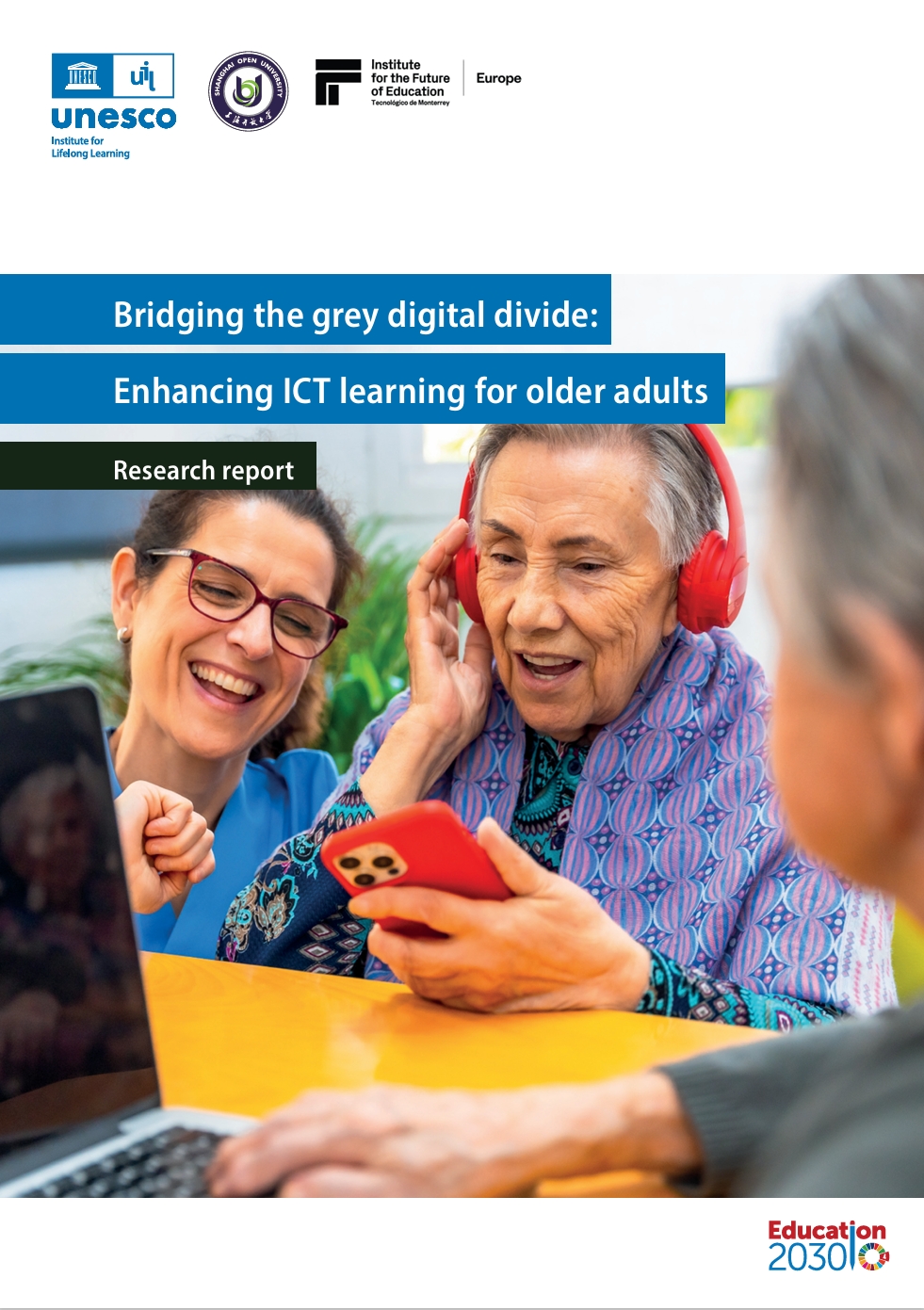 Bridging the Grey Digital Divide: Enhancing ICT Learning for Older Adults; Research Report