
Recursos
Exploren una amplia gama de recursos valiosos en GCED para profundizar su comprensión y promover su búsqueda, incidencia, enseñanza y aprendizaje.
2,668 resultados encontrados
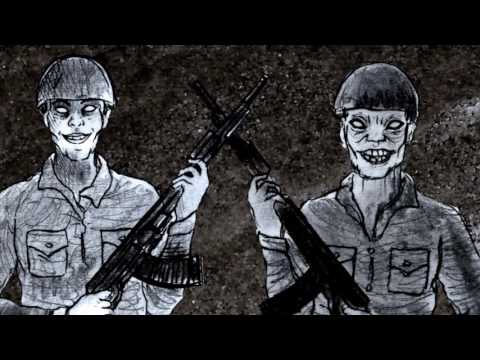 Trazos de memoria 2: Cortometraje Año de publicación: 2017 Autor corporativo: Londres 38 Segunda parte del cortometraje basado en historias vinculadas a Londres 38, un inmueble utilizado como lugar de detención y tortura de opositores a la dictadura de Augusto Pinochet. Las voces de los protagonistas fueron entregados a dibujantes e ilustradores jívenes, para la realización de esta película.
  My Migrant Object Autor corporativo: Museo de la Memoria y los Derechos Humanos Educational material developed by the Museum of Memory and Human Rights from objects associated with stories of exile during the dictatorship of Augusto Pinochet in Chile.
 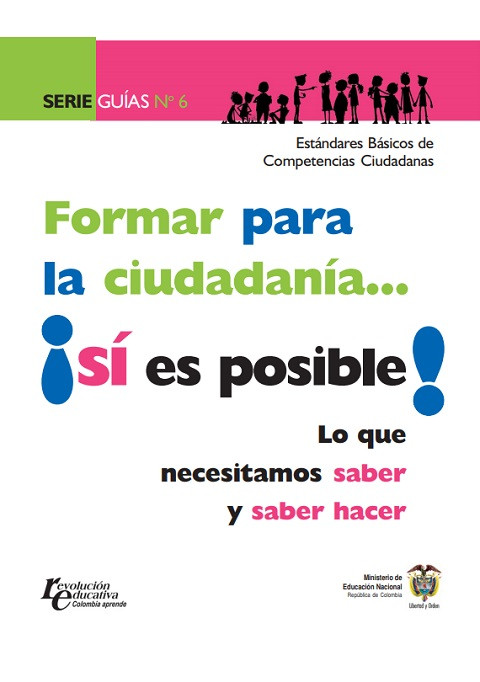 Training for Citizenship, Yes it Is Possible !: What We Need to Know and Know How to Do; Standards Basic Citizenship Skills Año de publicación: 2004 Autor corporativo: Colombia. Ministerio de Educación Nacional This document presents the national standards of education for citizenship in Colombia, from a competency development approach. It includes the learning standards to be promoted in all grades, from basic to secondary education. Which are organized into three groups: Peaceful coexistence, identity and respect of differences, and democratic participation and responsibility. Formar para la Ciudadanía, ¡ Sí es posible !: Lo que necesitamos saber y saber hacer ; Estándares básicos de competencias ciudadanas Año de publicación: 2004 Autor corporativo: Colombia. Ministerio de Educación Nacional Este documento presenta los estándares nacionales de educación para la ciudadanía en Colombia, desde un enfoque de desarrollo de competencias. Incluye los aprendizajes que se quieren promover en todos los grados de la educación básica y media, organizados en tres grupos: Convivencia pacífica, identidad y respeto por las diferencias y participación y responsabilidad democrática.
 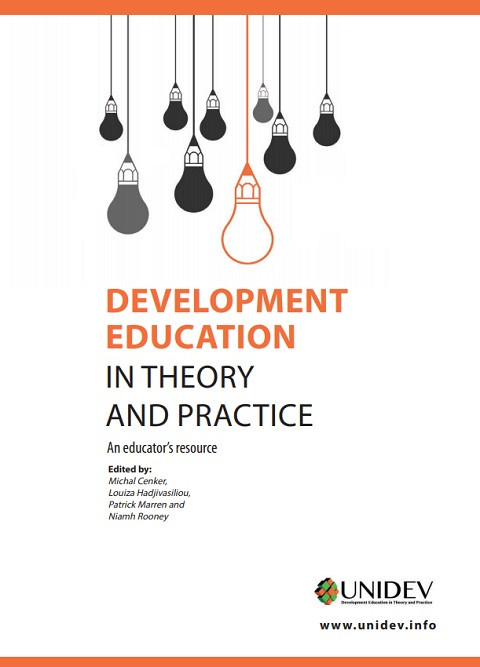 Development Education in Theory and Practice: An Educator’s Resource Año de publicación: 2016 Autor: Michal Cenker | Louiza Hadjivasiliou | Patrick Marren | Niamh Rooney Autor corporativo: UNIDEV | NGO Support Centre (Cyprus) | Pontis Foundation (Slovakia) | Kimmage Development Studies Centre (Ireland) This publication has been produced to provide a new teaching resource for academics and educators active in the field of Development Education and related disciplines. It covers twelve themes, each chapter includes both a conceptual overview and a teaching methodology section. The conceptual overview introduces the topic, explores the key concepts, theories and current debates. The teaching methodology section gives educators a set of tools that could help them introduce the topic in both formal and non-formal settings.
 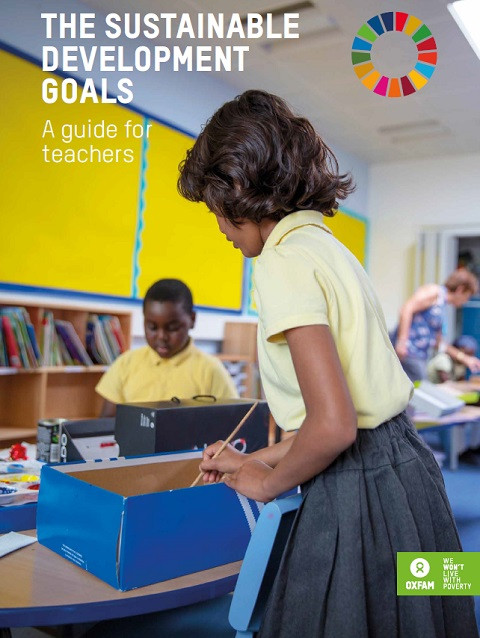 The Sustainable Development Goals: A Guide for Teachers Año de publicación: 2019 Autor corporativo: Oxfam GB This guide supports teachers and educators working with young people to deepen their understanding of education about and for the SDGs and to see how global citizenship education (GCE) approaches and methodologies can underpin good practice. The guide also explores the benefits and challenges of using the SDG framework with learners in schools.
 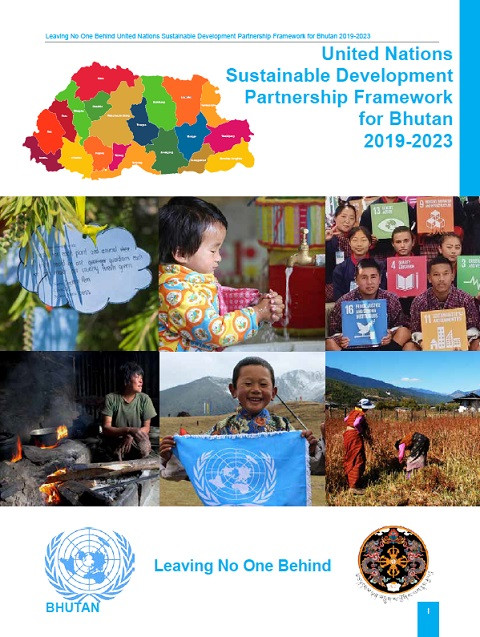 United Nations Sustainable Development Partnership Framework for Bhutan 2019-2023: Leaving No One Behind Año de publicación: 2019 Autor corporativo: UN Bhutan This Partnership Framework 2019-2023 is the common strategic framework for UN activities in Bhutan, working closely with the different agencies to effectively meet the needs of the current stage of development in the country. Strongly committed to the promotion of “A Just, harmonious and sustainable Bhutan where no one is left behind”, this document highlights strategic priorities, integrated programming, and continued partnership between the Royal Government of Bhutan, its development partners, key stakeholders, as well as between UN agencies to overcome the many inequalities still present in Bhutan.
  한반도 세계시민성 담론 연구 Año de publicación: 2019 Autor: 강순원 | 박명림 | 이우영 | 한경구 Autor corporativo: 유네스코한국위원회 유네스코한국위원회는 폭력과 갈등을 조장하는 이분법적 구도를 벗어나 서로의 다름을 이해하고 평화의 문화를 확산하는 새로운 포용 담론으로써 ‘한반도 세계시민성’의 가능성을 모색해보고자 합니다. 세계시민성은 지역의 문화적 맥락 속에서 추진될 때 그 사회 사람들에게 보다 쉽게 수용될 수 있습니다. 특히, 한반도처럼 분단이라는 특수한 환경을 가지고 있는 사회는 인류 보편적인 세계시민성을 어떻게 지역의 현실에 반영하고 지구적 현안을 어떻게 지역화 하느냐가 더욱 중요한 문제일 것입니다.한국은 분단 상황 속에서 점차 다문화사회로 변화하고 있습니다. 민족 동질성의 회복과 이질적 문화 수용이라는 이중적 과제를 안고 있는 것입니다. 분단은 한반도의 특수한 환경으로부터 비롯되었지만 오늘날 우리가 살아가는 세계의 상호의존적 맥락을 이해한다면 세계의 보편적 틀 안에서 한반도의 특수성을 담아낼 수 있는 새로운 포용 담론이 필요하다고 할 수 있습니다. ‘한반도 세계시민성 담론 연구’는 이런 배경에서 기획되었습니다.
  한국사회와 지속가능발전목표 16: 우리의 지속가능한 평화 Año de publicación: 2019 Autor: 김성경 | 이성훈 | 이재영 | 이향규 | 정성헌 | 김명신 Autor corporativo: 유네스코한국위원회 유네스코한국위원회는 좀더 많은 사람들이 SDGs를 쉽게 이해하도록 돕기 위해 ‘한국사회와 지속기능발전목표’ 라는 이름 아래 SDGs 해설서를 발간하고 있습니다.16번 해설서인 『한국사회와 지속가능발전목표 16: 우리의 지속가능한 평화』 는 남북 분단 상황 속에서 점차 다문화사회로 변화해가는 오늘날 우리의 일상이 어떻게 하면 더욱 포용적으로 발전할 수 있을지에 대한 이야기로 독자 여러분의 이해를 돕기 위해 각 분야의 전문가들을 인터뷰한 내용으로 구성돼 있습니다.
 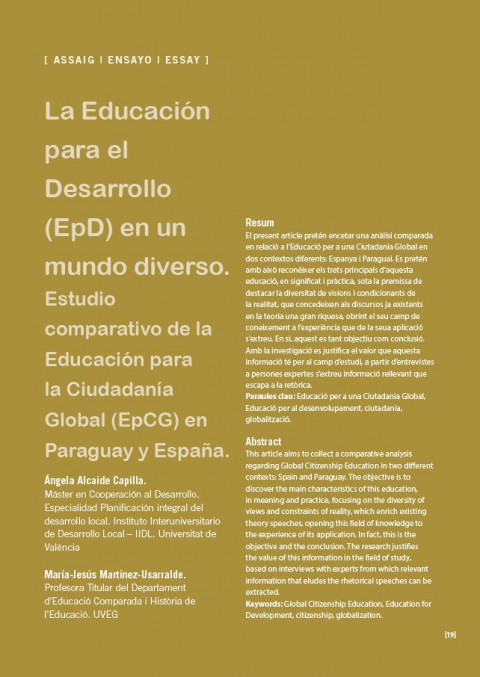 Education for Develpment (EdD) in a Diverse World: Comparative Study of Education for Global Citizenship (EdGC) in Paraguay and Spain Año de publicación: 2017 Autor: Ángela Alcaide Capilla | María Jesús Martínez Usarralde Autor corporativo: University of Valencia According to the summary of the author: "This article aims to collect a comparative analysis regarding Global Citizenship Education in two different contexts: Spain and Paraguay. The objective is to discover the main characteristics of this education, in meaning and practice, focusing on the diversity of views and constraints of reality, which enrich existing theory speeches, opening this field of knowledge to the experience of its application. In fact, this is the objective and the conclusion. The research justifies the value of this information in the field of study, based on interviews with experts from which relevant information that eludes the rhetorical speeches can be extracted."