
Recursos
Exploren una amplia gama de recursos valiosos en GCED para profundizar su comprensión y promover su búsqueda, incidencia, enseñanza y aprendizaje.
1,447 resultados encontrados
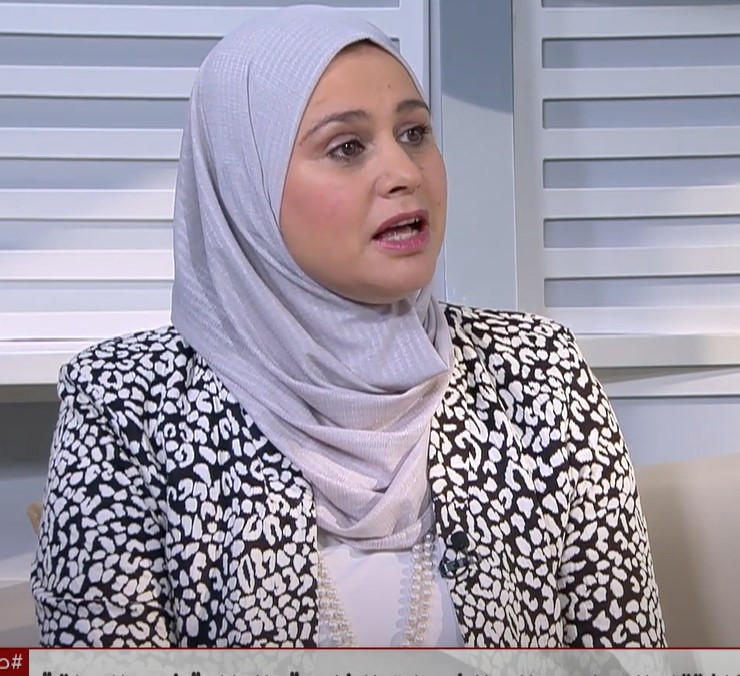 Challenges Facing the Inclusive Education Plan, such as Schools' Lack of Special Services for Students with Disabilities Año de publicación: 2019 Autor corporativo: Almamlaka TV The video reviews the challenges facing the inclusion of students with disabilities in public schools in Jordan. The video discusses the issue of inclusive education through interviews with some parents, teachers and officials.
  مدى انتشار الصعوبات النمائية للأطفال العمانيين وفقا لمتغيري الجنس والبرنامج التعليمي Año de publicación: 2022 Autor: Ali Mahdi Kazem | Sahar Al-Shorbagy | Thuraya S هـدفت الدراسـة الحاليّـة إلـى الكشـف المب ّكـر عـن الصـعوبات النمائيّـة، لـدى أطفـال مـا قبـل المدرسة في محافظة مسقط. وت ّم استخدام قائمة الصـعوبات النمائيّـة للكشـف عـن هـؤلاء الأطفـال، والتي تضمنت ثلاثة محاور: الصعوبات المعرفيّة، والصعوبات اللغويّة، والصعوبات البصريّة الحركيّة. طبقت الدراسة على عيّنة بلغت 365 طفل وطفلة من رياض الأطفال الحكوميّـة والخاّصـة والعالميّـة في محافظة مسقط. وتو ّصلت الدراسة إلى أ ّن مع ّدل انتشار الصعوبات النمائيّة لدى أطفـال الروضـة ف ي م ح ا ف ظ ة م س ق ط ي ب ل غ ح و ا ل ي 6 % ، و أ ّن م ع ّد ل ا لأ ط ف ا ل ا ل م ع ّر ض ي ن ل ص ـ ع و ب ا ت ا ل ـ ت ع لّ م ف ـ ي م ح ا ف ظ ـ ة مسقط بلغ حوالي 13.2%، وأشارت النتائج أيضاً إلى وجود فروق ذات دلالة إحصائيّة في معدل انتشار الصعوبات النمائيّة، تُعزى لمتغيّر النوع لصـالح الـذكور، وفـي متغيّـر البرنـامج التعليمـي لصـالح المدارس العالميّة. Prevalence Rate of the Developmental Disabilities among Omani Children according to Gender and Educational Program Año de publicación: 2022 Autor: Ali Mahdi Kazem | Sahar Al-Shorbagy | Thuraya S The present study aimed to early identify the developmental isabilities among kindergarten kids in Muscat. To achieve the aim of the study, the researchers used the developmental disabilities Inventory which has three axes: cognitive disabilities, linguistic disabilities and visual motor disabilities. The sample of the study was 365 children from kindergarten in Muscat. Findings indicated that the rate of spreading developmental disabilities of the sample reaches 6% and the rate of children who has risk of learning disabilities reaches 13.2%.The results also mentioned that there were statistically significant differences in the rate of spreading evelopmental disabilities due to the type variable in favour of the males. Also, there were significant differences in the educational program variable in favour of international schools.
  تحليل واقع التعليم الإلكتروني في الجامعات الفلسطينية: دراسة حالة جامعة فلسطين التقنية– خضوري/ طولكرم Año de publicación: 2021 Autor: Hiba Khalil Almbayed هدفت الدراسة إلى تحليل واقع التعليم الإلكتروني في جامعة فلسطين التقنية –خضوري/طولكرم،والوقوف على أهم التحديات التي تواجه الطلبة عند استخدام نظام التعليم، وكذلك تحليل مدى تفاعل طلبة الجامعةمع نظام التعليم الإلكتروني، وبيان الفروقات بين متوسطات آراء عينة الدراسة حول التعليم الإلكتروني وفقا لمتغيراتالدراسة. ونظرا لطبيعة الدراسة، تم استخدام المنهج الوصفي التحليلي، من أجل الوصول إلى نتائج عملية، ولتحقيقذلك تم تصميم استبانة تكونت من(34) فقرة لتحليل واقع التعليم الإلكتروني،حيث تكّون مجتمع الدراسة من(6559)طالبا، وقد أخذت عينة عشوائية بسيطة تكونت من (522) طالبا، وقد تم توزيع الاستبانة الكترونيا لعدم إمكانيةتوزيعها يدويا نظرا للظروف السائدة _انتشار جائحة كورونا_ وقت إعداد الدراسة. وقد أظهرت نتائج الدراسة أن(%63.136) من المبحوثين يرون أن واقع التعليم الالكتروني في الجامعة يعاني من مشاكل مختلفة. فيما أشارت الدراسةإلى أن (87.97%) من المبحوثين يرون أنه زادت الشكاوى على نظام التعليم الإلكتروني بعد "جائحة كورونا" وأن(%81.36) من المبحوثين يرون أن البنية التحتية كانت من أكثر المعيقات في التعليم الالكتروني. بينما يرى (63.934%)من المبحوثين أن التعليم الإلكتروني له دور في تحقيق التفاعل لدى الطلبة، كما بينت نتائج الدراسة عدم وجود فروقذات دلالة إحصائية لواقع التعليم الالكتروني تبعا لمتغير الجنس، كما لا توجد فروق تبعا لمتغير المؤهل العلمي باستثناءمجال واقع التعليم الإلكتروني، أيضا لا توجد فروق إحصائية تبعا لمتغير المستوى الدراس ي باستثناء مجال تحقيقالتفاعل لدى الطلبة. وفي ضوء نتائج الدراسة قدمت مجموعة من التوصيات أبرزها: 1. العمل على تضمين بند خاصبنظام التعليم الإلكتروني ضمن مساق الحاسوب المخصص كمتطلب جامعي لطلبة السنة الأولى. 2. توفير فرص أكبرلتدريب وتنمية قدرات أطراف العملية كافة التعليمية على استخدام وتطبيق التعليم الإلكتروني. Analysis E-Learning Status in Palestinian Universities, A Case Study of Palestine Technical University- Kadoorie Tulkarm Año de publicación: 2021 Autor: Hiba Khalil Almbayed The study aimed to analyze the reality of e-learning at Palestine Technical University- Khudouri/Tulkarem, and to identify the most important challenges facing students when using the education system, as well as to analyze the extent to which university students interact with the e- learning system, and to show the differences between the average opinions of the study sample on e- learning according to the study variables due to the nature of the study, the descriptive analytical approach was used, in order to reach practical results, and to achieve and analyze the reality of e-learning a questionnaire consisting of (34) paragraphs was designed, where the study community consisted of (6,559) students, and a simple random sample of (522) students was taken, and the questionnaire was distributed electronically because it was not able to be distributed manually due to the prevailing conditions _ the spread of the Corona pandemic- at the time of the preparation of the study. The results of the study showed that (63.136%) of the researched believe that the reality of e-learning at the university suffers from different problems. The study indicated that (87.97%) among respondents, complaints have increased in the e-learning system after the Corona pandemic and that (81.36%) among the researchers, the infrastructure was one of the most barriers in e-learning. While (63.934%)of the researched that e-learning has a role to play in achieving Interaction among students, as the results of the study showed no differences Statistically significant to the reality of e-learning according to the gender variable, and there are no differences depending on the variable of the scientific qualification except in the field of e-learning reality, there are also no differences Statistics according to the variable of the academic level ,except for the field of Interaction with students. In the light of the results of the study, a series of recommendations were made, the most prominent of which were: 1. Include an e-learning system item in the computer course assigned as a university requirement for first-year students 2. Provide opportunities to train and develop the capabilities of all educational parties to use and apply E-learning.
  دور العوامل الأسرية في تصور التلميذ لمشروعه المهني Año de publicación: 2023 Autor: Abish Samir | Boukhalfa Rafiqa يمثل المشروع المهني أو مهنة المستقبل التحدي الأبرز الذي يشغل تصور الطالب الجامعي اليوم وذلك مند أن كان تلميذا، حيث نجد أن تخصصه الجامعي في الغالب ليس إلاّ نتاجا للتصور الذي قام بوضعه خلال السنوات التي سبقت الجامعة وخاصة أثناء مرحلة التوجيه المدرسي، ويتعزز هذا الهم المهني لدى الطالب الجامعي أكثر خلال السنوات الأخيرة التي بات الحصول فيها على فرصة مناسبة للعمل أمرا يتطلب تخطيطا كبيرا وتوجيها سليما، غير أن هذا التصور الذي يضعه التلميذ لمستقبله المهني يساهم في تشكيله العديد من العوامل لعل أبرزها العوامل الأسرية التي تلعب دورا مهما إن لم نقل حاسما في بعض الأحيان، أين نجد أن التصور المهني الذي يضعه التلميذ على مشروعه المهني المستقبلي ليس إلاّ انعكاسا صريحا لدور هذه العوامل ويتضح ذلك الدور في شكل تأثير مباشر أثناء عملية توجيه التلاميذ واختيارهم للشعب المدرسية التي سيواصلون دراستهم من خلالها والتي في الغالب هي من تحدد المسار العام للتوجه المهني الذي سيسلكه التلميذ ويتوقف عليه مشروعه المهني. The Role of Family Factors in the Student's Perception of His Professional Project Año de publicación: 2023 Autor: Abish Samir | Boukhalfa Rafiqa The professional project or career of the future represents the main challenge that occupies the perception of the university student today, since he was a student, since his university specialization is mostly a product of the perception that he developed during the years preceding the university, especially during the school guidance stage. The student is more educated in recent years in which a suitable opportunity for work is required, which requires great planning and direction. However, this perception of the student's future for his career contributes to the formation of many factors, perhaps the most important family factors that play an important role if not critical Sometimes, in some cases, where the professional perception that the student puts on his or her future career project is only an explicit reflection of the role of these factors. This role is evident in the form of direct influence during the process of directing the students and their selection to the school people they will continue their studies through. Which determines the general course of the student's professional orientation and depends on his professional project.
  برامج الأطفال التليفزيونية بين راهن المتعة وعامل التثقيف Año de publicación: 2022 Autor: Issa Abdi Nouria تطرقنا في هذه الدراسة التحليلية إلى التعرف على العلاقة التي تجمع فئة الأطفال بجهاز التليفزيون، فحاولنا من خلالها الوقوف على مدى اعتماد برامج الأطفال التلفزيونية على بعد المتعة على حساب المواد التثقيفية والكشف عن التأثيرات الناتجة لتعرض الأطفال لبرامج تعتمد على بعد المتعة أكثر من بعد التثقيف، وتوصلنا في الأخير إلى أن برامج أطفال التلفزيونية تعتمد أكثر على المتعة لاستمالة جمهور الأطفال، كما تأثر برامج الأطفال التليفزيونية التي تعتمد على بعد المتعة أكثر من بعد التثقيف على سلوكيات الأطفال ،حيث تمس هذه السلوكيات الجانب النفسي، القيمي، الاجتماعي، التعليمي للأطفال. Children's Television Programs are between Entertainment and Education Año de publicación: 2022 Autor: Issa Abdi Nouria In this analytical study, we explored the relationship between children and television; we tried to determine the extent of the adoption of television programs by children where entertainment is superior to educational use, revealing the effects of children's exposure to programs that rely on having more entertainment than educational aspect we concluded that television programs directed to children rely more on entertainment aspect to attract children’s audience. Children's television programs that rely on the entertainment dimension have been affected more than educational programs on their behaviors and effects more their psychological, social and educational aspects.
  SDG Good Practices: A Compilation of Success Stories and Lessons Learned in SDG Implementation (2nd Edition) Año de publicación: 2022 Autor corporativo: UN. Department of Economic and Social Affairs (UN. DESA) In 2021, building on the success of the first open call in 2018-2019, the United Nations Department of Economic and Social Affairs (UNDESA) launched a second open call for SDG Good Practices, Success Stories and Lessons Learned by governments, the UN system entities and other stakeholders. More than 700 submissions were received and reviewed by an inter-agency team of UN experts and over 460 have been made publicly available in a dedicated online platform.This publication has been curated to highlight a sample of selected initiatives during the second open call. The 21 SDG Good Practices contained in the publication shared their lessons learned and identify how the practices can be scaled and replicated worldwide. Bringing this global expertise to scale will be critical to support recovery efforts from the COVID-19 pandemic and to accelerate progress towards the Decade of Action to deliver the SDGs. Through this publications, global readers from all sectors could find out how different stakeholders are building partnerships to find innovative solutions to achieve a better and more sustainable future for all.