
Recursos
Exploren una amplia gama de recursos valiosos en GCED para profundizar su comprensión y promover su búsqueda, incidencia, enseñanza y aprendizaje.
730 resultados encontrados
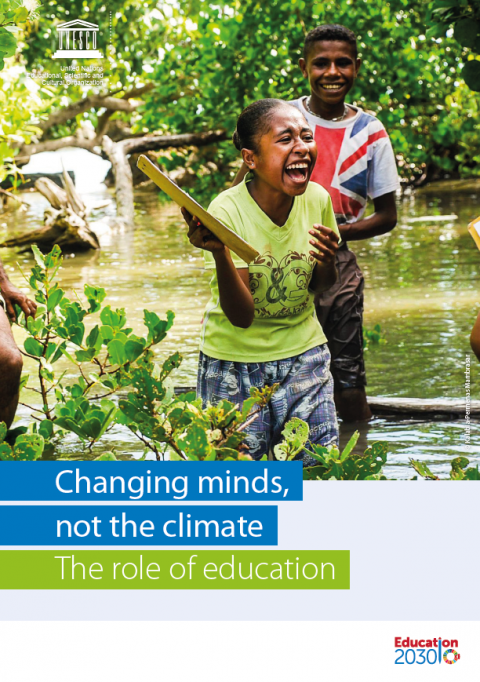 Changing minds, not the climate: the role of education Año de publicación: 2017 Autor corporativo: UNESCO Education is the most powerful element in preparing societies for the global challenges that climate change brings. It equips individuals, communities and the wider world with the understanding, skills and attitudes to engage in shaping green, low emission and climate-resilient societies. Education for Sustainable Development (ESD) is not an ‘extra’ but rather an integral part of any strategy to combat the effects of climate change, put into practice a global agreement and achieve the Sustainable Development Goals (SDGs). It acts to raise awareness and change behaviours and attitudes and enables people to make informed decisions about their lives. The heads of UNESCO and UNFCCC agree that “education provides the skills people need to thrive in the new sustainable economy, working in areas such as renewable energy, smart agriculture, forest rehabilitation, the design of resource-efficient cities, and sound management of healthy ecosystems. Perhaps most important, education can bring about a fundamental shift in how we think, act, and discharge our responsibilities toward one another and the planet.” ESD is increasingly recognized around the world as a key enabler for a more sustainable future. Changeons les esprits, pas le climat: le rôle de l’éducation Año de publicación: 2017 Autor corporativo: UNESCO L’éducation est fondamentale afin de préparer les sociétés aux défis mondiaux que pose le changement climatique. Elle offre aux individus, aux communautés et au monde en général la compréhension, les compétences et les attitudes nécessaires pour construire des sociétés à faibles émissions, plus vertes et résilientes. L’éducation au développement durable (EDD) n’est pas un « supplément » mais plutôt une partie intégrante de toute stratégie visant à lutter contre les effets du changement climatique, à mettre en pratique un accord mondial et à atteindre les objectifs de développement durable (ODD). Elle permet de sensibiliser les personnes, favorise une prise de décision éclairée et donc le changement des comportements des individus. Cambiemos las mentalidades, no el clima: la función de la educación Año de publicación: 2017 Autor corporativo: UNESCO La educación es la herramienta más eficaz para preparar a las sociedades para los desafíos globales que plantea el cambio climático, ya que proporciona a las personas, a las comunidades y al mundo en general los conocimientos, las competencias y las actitudes que se necesitan para construir unas sociedades sostenibles, de bajas emisiones y resilientes al cambio climático.La educación para el desarrollo sostenible (EDS) no es un “extra”, sino un componente esencial de cualquier estrategia para combatir los efectos del cambio climático, poner en práctica un acuerdo mundial y alcanzar los Objetivos de Desarrollo Sostenible (ODS). La EDS contribuye a concienciar y cambiar comportamientos y actitudes y permite a las personas tomar decisiones informadas sobre su vida.
 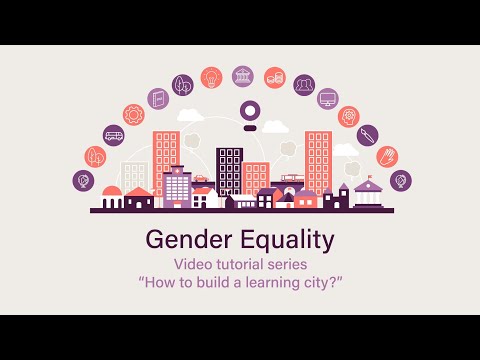 How to Build a Learning City? Make Gender Equality a Priority Año de publicación: 2020 Autor corporativo: UNESCO Institute for Lifelong Learning (UIL) This video tutorial explains how gender equality must be prioritized in learning cities to empower women through learning, eliminate gender-based discrimination and foster equitable, inclusive, resilient and sustainable cities. Comment créer une ville apprenante: Égalité des genres Año de publicación: 2020 Autor corporativo: Institut de l’UNESCO pour l’apprentissage tout au long de la vie (UIL) Ce tutoriel vidéo explique comment développer une compréhension commune de l’égalité des genres dans l'éducation et l'apprentissage, identifier les défis que rencontre la ville apprenante, impliquer les parties prenantes concernées, renforcer les capacités et encourager une programmation inclusive, consolider les politiques d'éducation et d'apprentissage, mener des recherches et sensibiliser.
 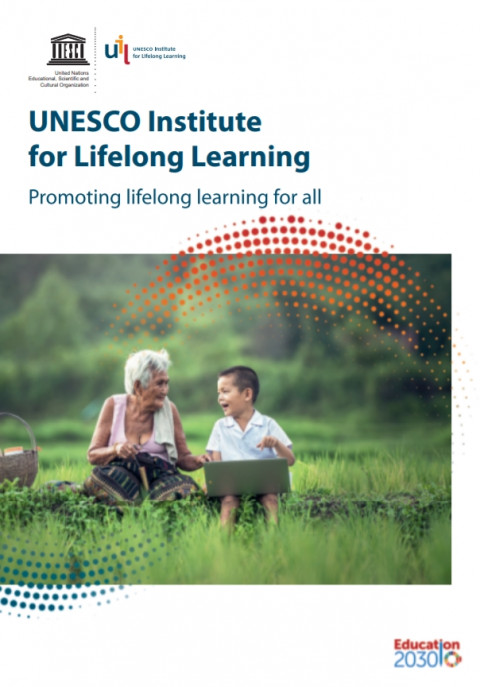 UNESCO Institute for Lifelong Learning: promoting lifelong learning for all Año de publicación: 2019 Autor corporativo: UNESCO Institute for Lifelong Learning (UIL) The UN’s 2030 Agenda for Sustainable Development is our guide to action. Leaving no one behind is at the centre of this global planof action for people, planet and prosperity. The 2030 Agenda for Sustainable Development consists of 17 Sustainable Development Goals (SDGs). UIL has a special responsibility for supporting countries to ‘ensure inclusive and equitable quality education and promote lifelong learning opportunities for all’ (SDG 4). But we are also charged with realizing the potential contribution of lifelong learning to the other 16 SDGs. In today’s fast-changing world, where social, economic and political contexts are being constantly reshaped, learning must be continuous and lifelong, for everyone.
 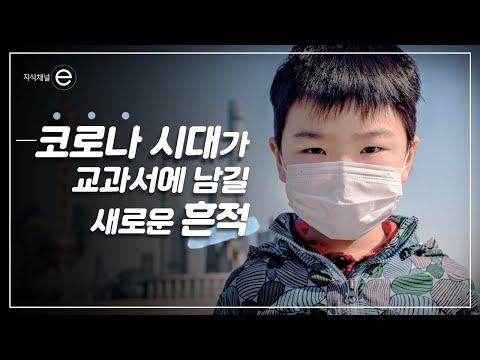 교과서 너머의 이야기: 코로나 시대가 교과서에 남길 새로운 흔적 Año de publicación: 2020 Autor corporativo: 한국교육방송공사 | 서울특별시교육청 본 자료는 코로나19이후 대안교육으로서 중요성이 부각되고 있는 세계시민성 함양 교육을 위해 학교 및 기관에서 적극 활용할 수 있도록 서울시교육청과 EBS가 공동으로 제작하고 방영한 지식채널e 세계시민교육 영상이다.
 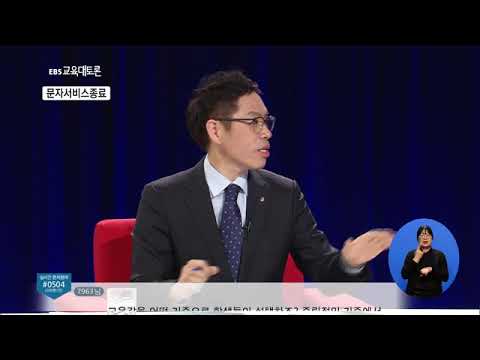 EBS 교육대토론: 세계시민교육이란 무엇인가? Año de publicación: 2018 Autor corporativo: 한국교육방송공사 본 자료는 2018년 방영된 EBS 대토론(부제: 선거 연령 만 18세 하향, 어떻게 생각하십니까)에서 소개된 세계시민교육에 대한 영상이다.
 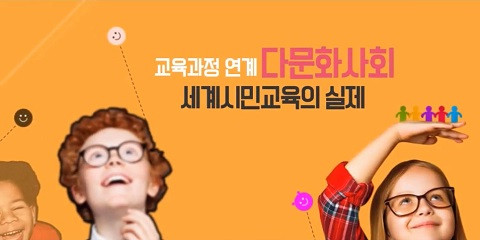 교육과정연계 다문화사회 세계시민교육의 실제 Año de publicación: 2020 Autor corporativo: 한국교육학술정보원 본 영상자료는 교육과정과 연계한 실제 사례 중심의 교육 콘텐츠로, 모든 학생대상으로 효과적인 다문화사회 세계시민교육 방안을 모색할 수 있다.
 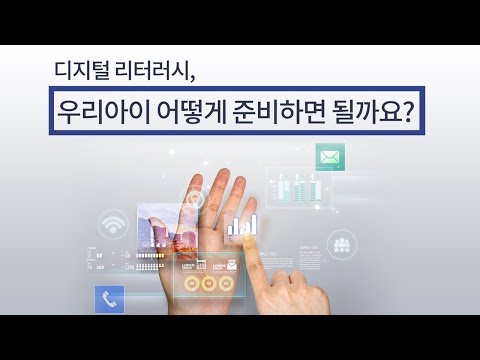 디지털 리터러시, 우리 아이 어떻게 준비하면 될까요? Año de publicación: 2018 Autor corporativo: 한국교육학술정보원 본 영상은 지능정보사회 자녀 지도를 위한 학부모 교육용 콘텐츠이다. 21세기 미래 역량인 디지털 리터러시, 기술로 급변하는 사회에 맞는 자녀교육을 위한 전문가 조언을 제공한다.