
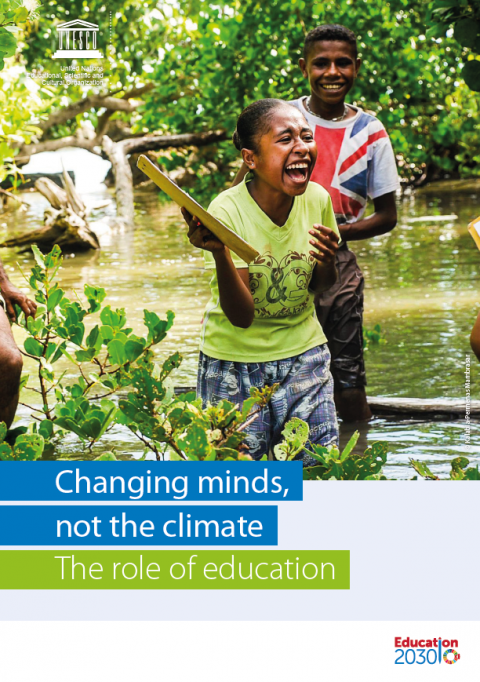
Changing minds, not the climate: the role of education
- Corporate Author
- UNESCO
- Collation
- 4 p.
- Resource Language
- EnglishFrench
- Year of publication
- 2017
- Resource Type
- Multimedia materials
- Level of education
- Early childhood care and educationPrimary educationSecondary educationHigher educationLifelong learningOthers
- Region
- Global
- Place of publication
- Paris
Education is the most powerful element in preparing societies for the global challenges that climate change brings. It equips individuals, communities and the wider world with the understanding, skills and attitudes to engage in shaping green, low emission and climate-resilient societies. Education for Sustainable Development (ESD) is not an ‘extra’ but rather an integral part of any strategy to combat the effects of climate change, put into practice a global agreement and achieve the Sustainable Development Goals (SDGs). It acts to raise awareness and change behaviours and attitudes and enables people to make informed decisions about their lives. The heads of UNESCO and UNFCCC agree that “education provides the skills people need to thrive in the new sustainable economy, working in areas such as renewable energy, smart agriculture, forest rehabilitation, the design of resource-efficient cities, and sound management of healthy ecosystems. Perhaps most important, education can bring about a fundamental shift in how we think, act, and discharge our responsibilities toward one another and the planet.” ESD is increasingly recognized around the world as a key enabler for a more sustainable future.
Related Resources
-
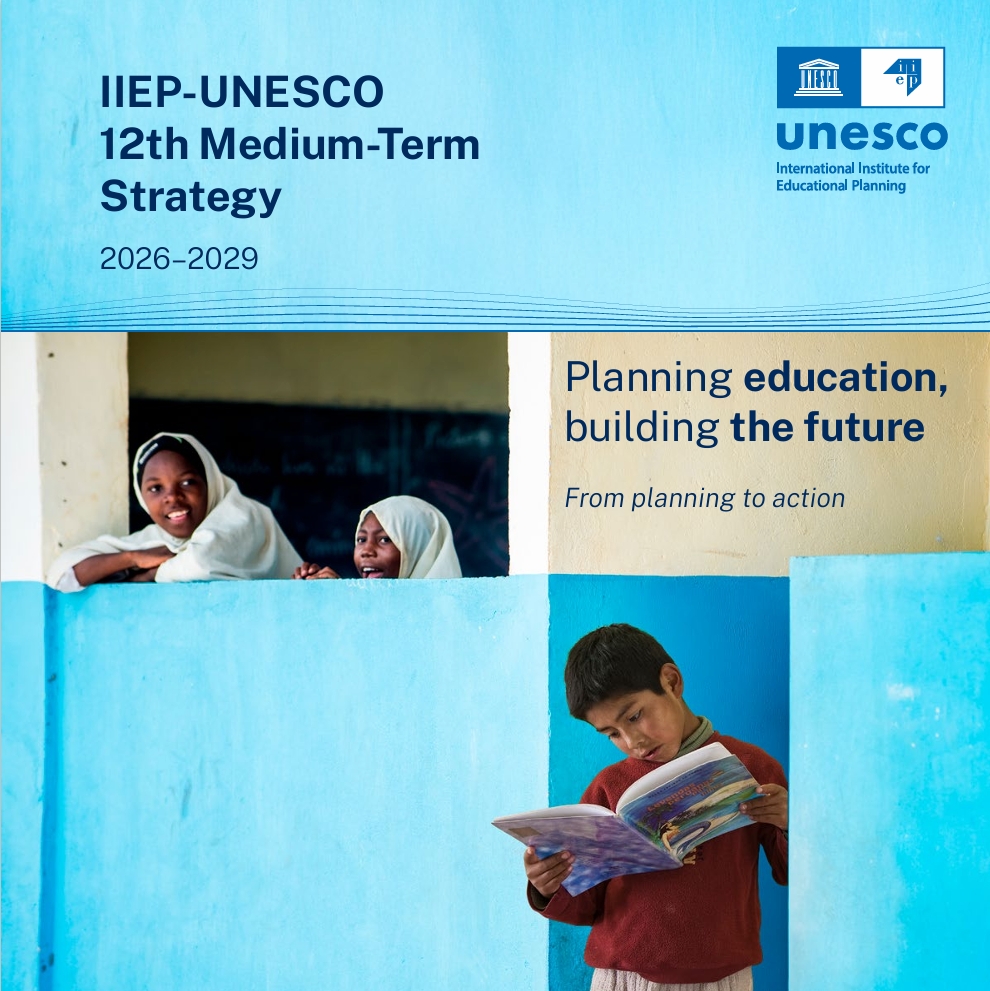 IIEP-UNESCO 12th Medium-Term Strategy: 2026–2029
 -
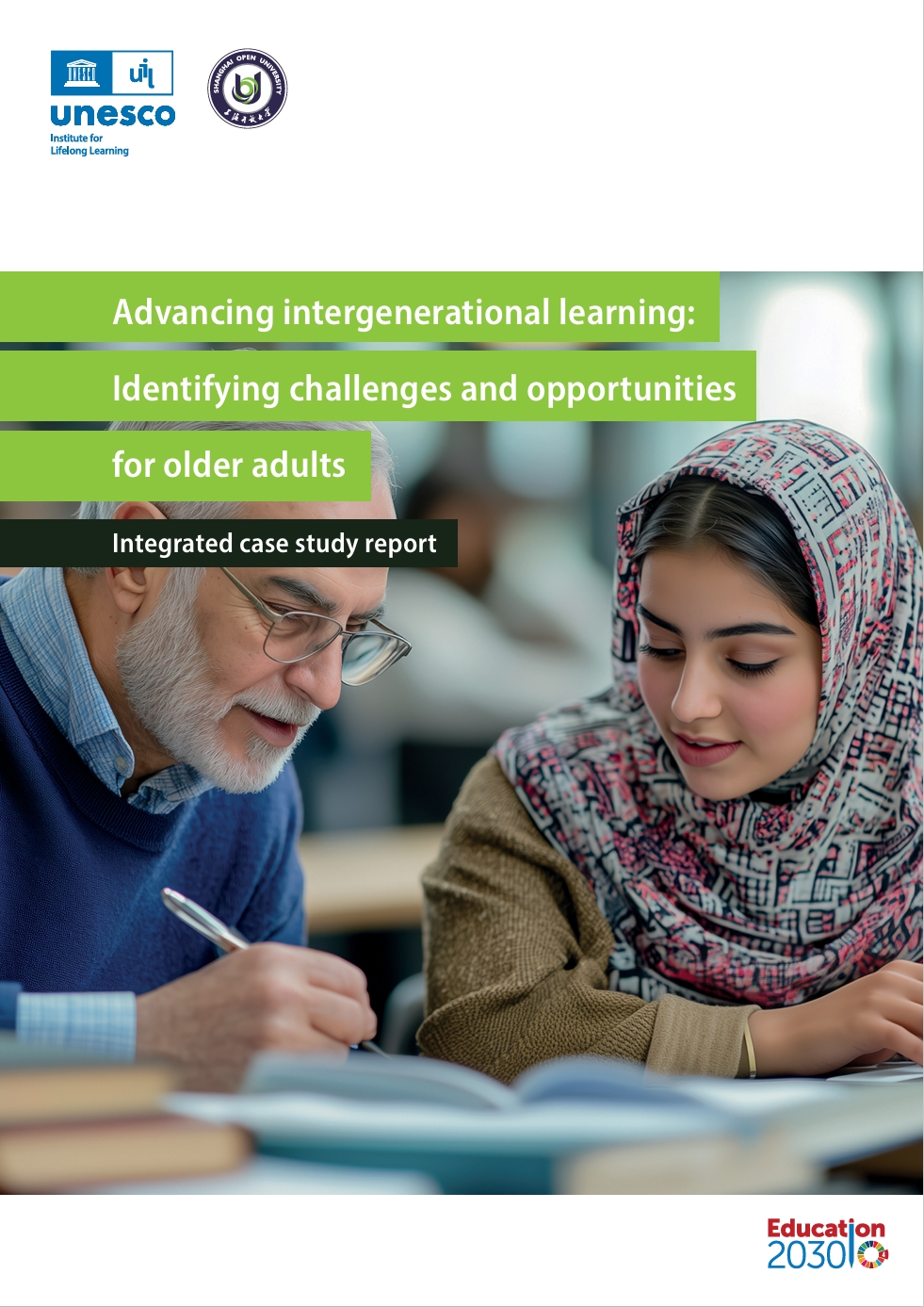 Advancing Intergenerational Learning: Identifying Challenges and Opportunities for Older Adults; Integrated Case Study Report
 -
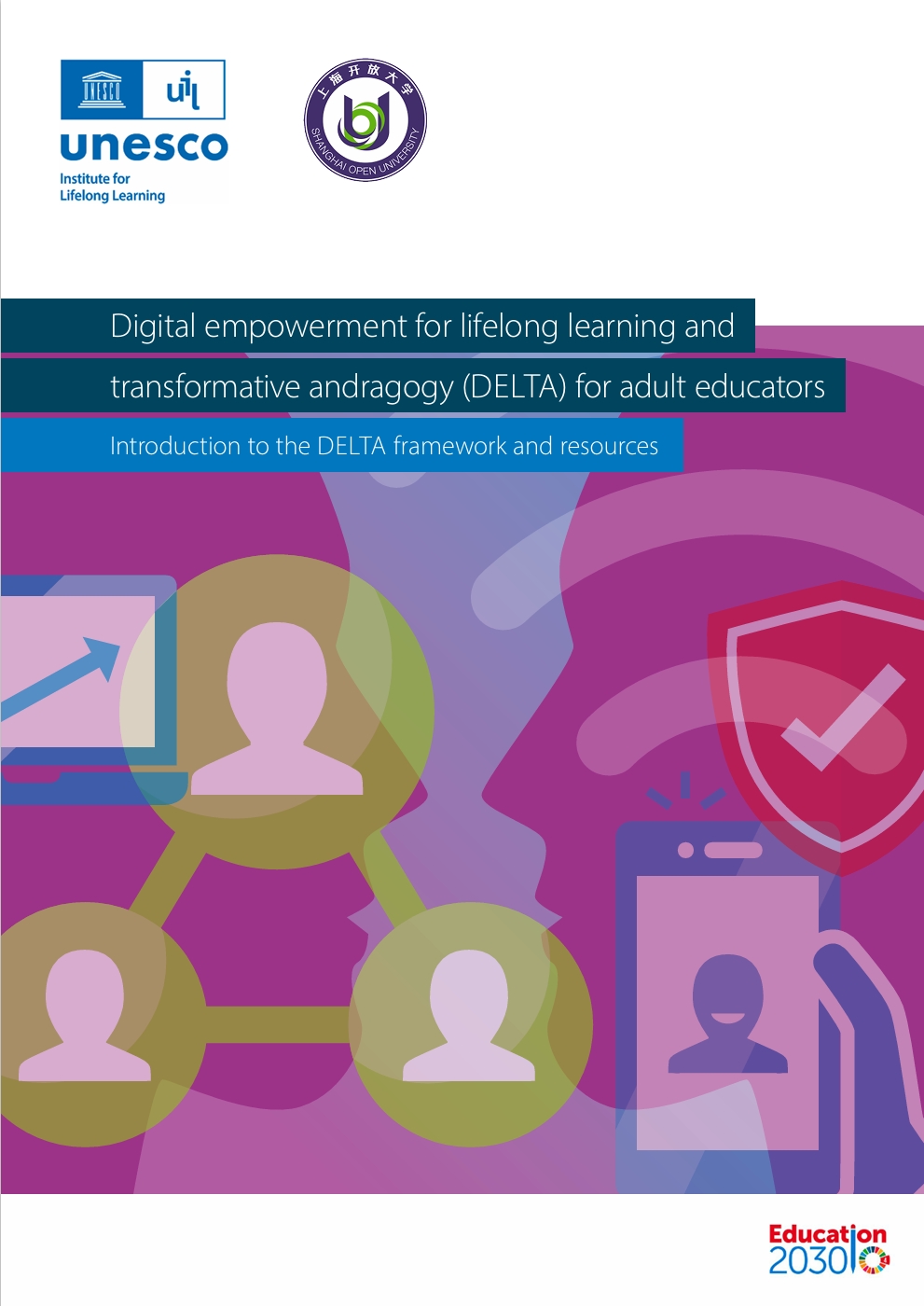 Digital Empowerment for Lifelong Learning and Transformative Andragogy (DELTA) for Adult Educators: Introduction to the DELTA Framework and Resources
 -
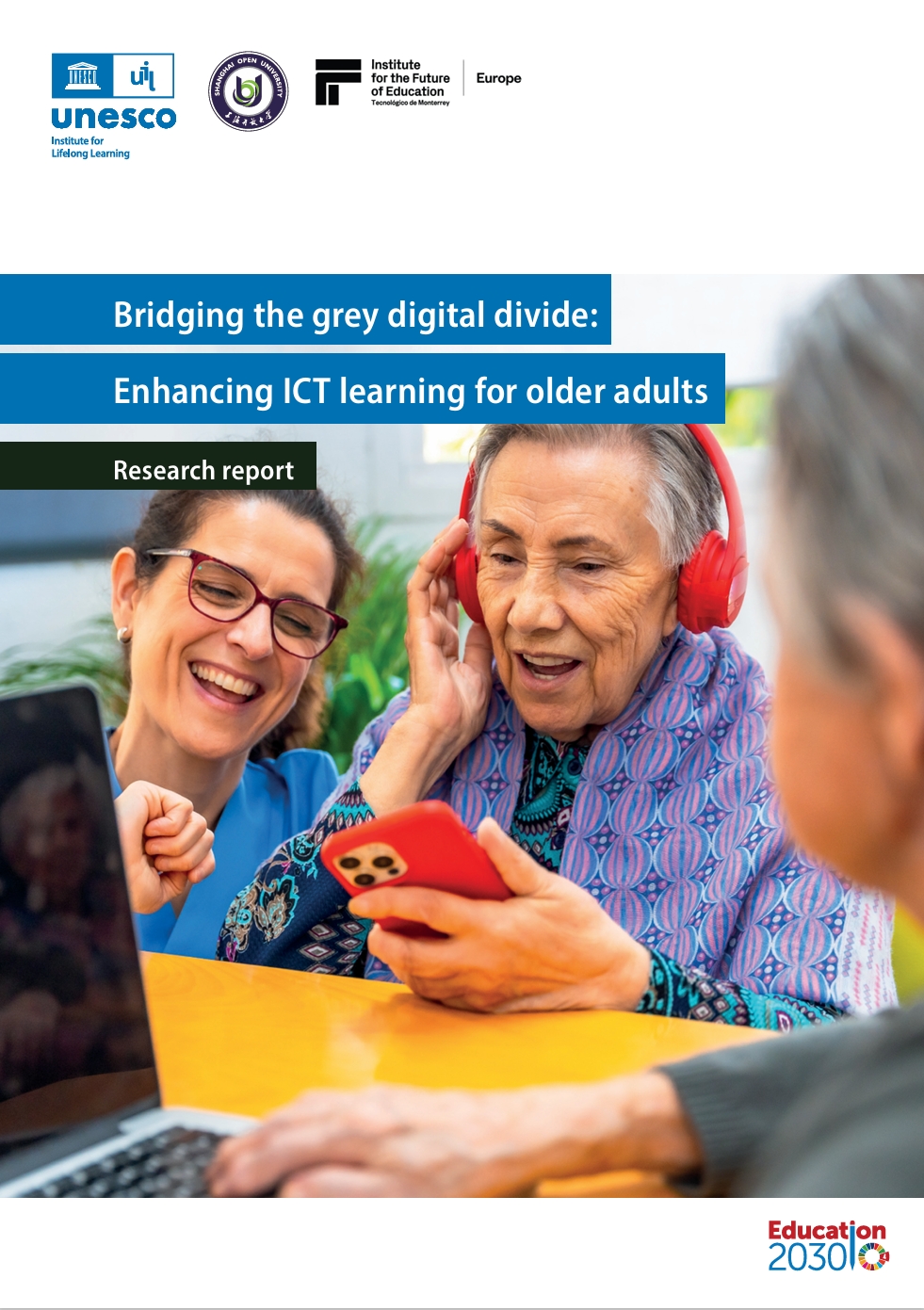 Bridging the Grey Digital Divide: Enhancing ICT Learning for Older Adults; Research Report