
Recursos
Exploren una amplia gama de recursos valiosos en GCED para profundizar su comprensión y promover su búsqueda, incidencia, enseñanza y aprendizaje.
1,187 resultados encontrados
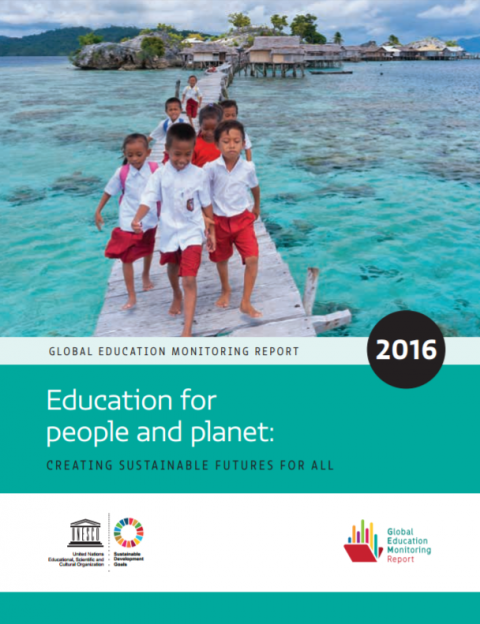 L'Education pour les peuples et la planète: créer des avenirs durables pour tous; Rapport mondial de suivi sur l'éducation, 2016 Año de publicación: 2016 Autor corporativo: Organisation des Nations Unies pour l'éducation, la science et la culture (UNESCO) | Global Education Monitoring Report Team The GEM Report provides an authoritative account of how education is the most vital input for every dimension of sustainable development. Better education leads to greater prosperity, improved agriculture, better health outcomes, less violence, more gender equality, higher social capital and an improved natural environment. Education is key to helping people around the world understand why sustainable development is such a vital concept for our common future. Education gives us the key tools – economic, social, technological, even ethical – to take on the SDGs and to achieve them. These facts are spelled out in exquisite and unusual detail throughout the report. Yet the report also emphasizes the remarkable gaps between where the world stands today on education and where it has promised to arrive as of 2030. Informe de Seguimiento de la Educación en el Mundo, 2016: La Educación al servicio de los pueblos y el planeta: creación de futuros sostenibles para todos Año de publicación: 2016 Autor corporativo: Organización de las Naciones Unidas para la Educación, la Ciencia y la Cultura (UNESCO) | Global Education Monitoring Report Team Education for People and Planet: Creating Sustainable Futures for All explores the complex relationship between education and the new 2030 Agenda for Sustainable Development, covering six fundamental pillars – Planet, Prosperity, People, Peace, Place and Partnerships. This report shows that education will not deliver its full potential unless participation rates increase dramatically and sustainable development guides education system reform. It also warns of the destructive impact that climate change, conflict, unsustainable consumption and the increasing gap between rich and poor have on education. A huge transformation is needed if we are to create sustainable futures for all.
 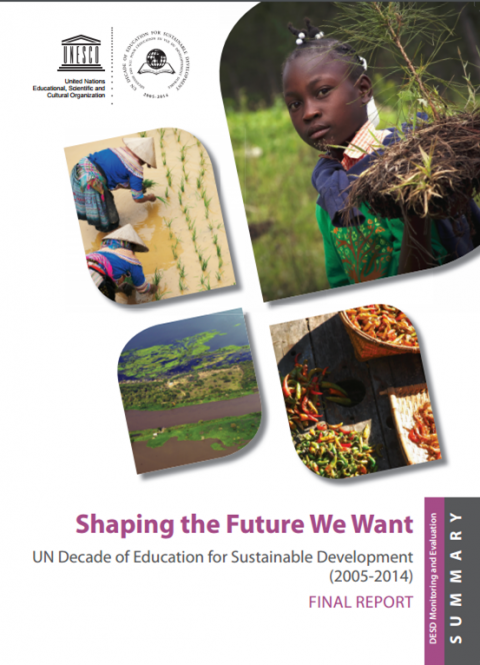 Shaping the future we want: UN decade of education for sustainable development (2005-2014); final report; summary Año de publicación: 2014 Autor: Carolee Buckler | Heather Creech Autor corporativo: UNESCO This summary for policy- and decision-makers provides a brief overview of the key findings and trends, a synopsis of highlights, challenges and actions across all levels and areas of education, and steps for scaling up actions presented in the UNESCO 2014 Global Monitoring and Evaluation Final Report, Shaping the Future We Want – UN Decade of Education for Sustainable Development (2005-2014). The Final Report provides an assessment of progress towards embedding education for sustainable development (ESD) into education systems and into sustainable development efforts. Building on the findings of the past two DESD Global Monitoring and Evaluation reports, and based upon Member States’ and other stakeholders’ assessments of the current state of ESD, the Final Report maps the achievements and challenges of a decade of progress and action on ESD at the global, national, regional and local levels, and within all areas and levels of education. The Final Report concludes that a solid foundation has been laid for ESD at the end of the DESD, achieved by raising awareness, influencing policies and generating significant numbers of good practice projects in all areas of education and learning. At the end of 10 years of work, 10 key findings and trends have emerged that will guide ESD into the future. The report also shows that despite the successes, a full integration of ESD into education systems has yet to take place in most countries. Façonner l’avenir que nous voulons: Décennie des Nations Unies pour l’éducation au service du développement durable (2005-2014) RAPPORT FINAL Año de publicación: 2014 Autor: Carolee Buckler | Heather Creech Autor corporativo: Organisation des Nations Unies pour l'éducation, la science et la culture (UNESCO) Destiné aux responsables politiques et aux décideurs, ce document résume les principales conclusions et les grandes tendances, présente une synthèse des points clés, des défis et des initiatives à tous les niveaux et dans tous les domaines de l’éducation, ainsi que les mesures à adopter pour intensifier les actions décrites dans le Rapport final de suivi et d’évaluation 2014, Façonner l’avenir que nous voulons − Décennie des Nations Unies pour l’éducation au service du développement durable (2005-2014). Le Rapport final de suivi et d’évaluation examine les progrès qui ont été accomplis afin d’intégrer l’Éducation au développement durable (EDD) aux systèmes éducatifs et aux efforts déployés en faveur du développement durable. À partir des conclusions des deux précédents rapports mondiaux de suivi et d’évaluation de la Décennie et de l’évaluation de l’état actuel de l’EDD par les États membres et autres parties prenantes, ce rapport final décrit les résultats obtenus et les problèmes rencontrés au terme de dix années de progrès et d’action sur le plan de l’EDD aux niveaux mondial, national, régional et local, ainsi que dans tous les domaines et à tous les niveaux de l’éducation. Le rapport note en conclusion qu’au terme de la Décennie, l’EDD repose désormais sur des fondements solides et ce, grâce à une prise de conscience renforcée, à l’influence exercée sur les politiques et à la réalisation d’un grand nombre de projets respectueux des bonnes pratiques dans tous les domaines de l’éducation et de l’apprentissage. Les dix conclusions et tendances clés qui se dégagent à l’issue de ces dix années de travail serviront à l’avenir de guide à l’EDD. Le rapport montre également qu’en dépit des progrès accomplis, dans la plupart des pays, l’EDD n’a toujours pas été pleinement intégrée aux systèmes éducatifs.
 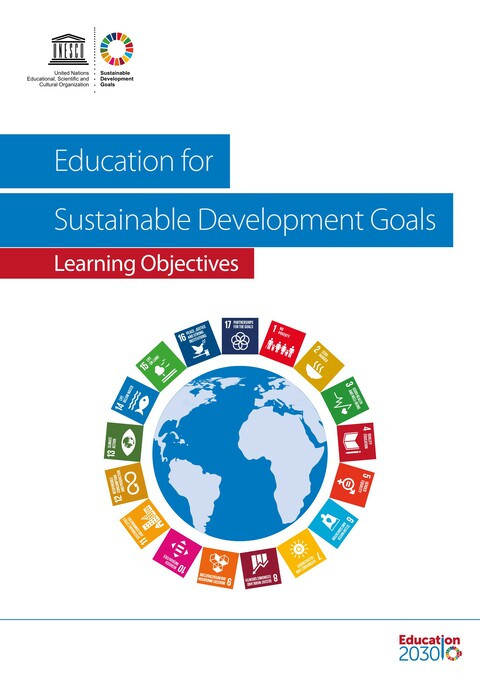 التعليم من أجل تحقيق أهداف التنمية المستدامة: أهداف التعلم Año de publicación: 2017 Autor corporativo: منظمة الأمم المتحدة للتربية والعلم والثقافة (UNESCO) تروج اليونسكو التعليم من أجل التنمية المستدامة منذ عام .١٩٩٢ وتولت اليونسكو قيادة عقد الأمم المتحدة للتعليم من أجل التنمية المستدامة بين عامي ٢٠٠٥ و٠١٤٢ وتقود حاليا الجهود الرامية إلى متابعة هذا العقد من خلال برنامج العمل العالمي للتعليم من أجل التنمية المستدامة. وثمة زخم لم يسبق له مثيل في مجال التعليم من أجل التنمية المستدامة. إن معالجة القضايا العالمية، كتغير المناخ مثلا، تتطلب تغيير أنماط عيشنا على نحو عاجل وإحداث تغيير جذري في طريقة تفكيرنا وتصرفنا. ولإحداث هذا التغيير، لا بد من توافر مهارات وقيم ومواقف جديدة تفضي إلى مجتمعات تنعم بقدر أكبر من الاستدامة. ويتعين على نظم التعليم تلبية هذه المتطلبات الملحة من خلال تحديد أهداف تعلم ومضامين تعليمية مجدية. وتطبيق أساليب تربوية هدفها تمكين الدارسين، وحث المؤسسات التعليمية على إدراج مبادئ الاستدامة في هياكلها الإدارية. وتتجلى هذه الرؤية التي تبرز أهمية اعتماد الحلول التعليمية المناسبة في جدول الأعمال الجديد للتنمية المستدامة لعام ٢٠٢٠ الذي يخصص للتعليم هدفا صريحا ومنفصلا يتمثل في الهدف ٤ من أهداف التنمية المستدامة، كما يتضمن العديد من الغايات والمؤشرات المتصلة بالتعليم التي تندرج في إطار أهداف التنمية المستدامة الأخرى. ويمثل التعليم هدفا في حد ذاته ووسيلة لبلوغ سائر أهداف التنمية المستدامة الأخرى. ولا يشكل التعليم جزءا لا يتجزأ من عملية التنمية المستدامة فحسب، بل هو أيضا عامل رئيسي يساعد على تحقيق التنمية المستدامة. وعليه، يمثل التعليم استراتيجية بالغة الأهمية لتحقيق سائر أهداف التنمية المستدامة. ويرمي هذا المنشور إلى توفير دليل يسترشد به المهنيون العاملون في حقل التعليم بشأن الاستعانة بالتعليم من أجل التنمية المستدامة لبلوغ مستويات التعلم الضرورية لتحقيق أهداف التنمية المستدامة، أي أنه يسعى للإسهام في بلوغ هذه الأهداف. ويحدد هذا الدليل عددا من أهداف التعلم الإرشادية ويقترح عددا من الموضوعات وأنشطة التعلم الخاصة بكل واحد من أهداف التنمية المستدامة، كما يعرض طائفة من أساليب التنفيذ على شتى المستويات، بدءأ بتصميم المساقات الدراسية ووصولا إلى رسم الاستراتيجيات الوطنية. ولا يسعى هذا الدليل لأن يكون ملزما بأي شكل كان، وإنما يرمي إلى توفير التوجيهات والاقتراحات التي يمكن للمربين الانتقاء منها وتكييفها لتلائم سياقات التعلم الفعلية السائدة لديهم. 教育促进实现可持续发展目标: 学习目标 Año de publicación: 2017 Autor corporativo: 联合国教科文组织 (UNESCO) 自1992年起,教科文组织一直致力于促进可持续发展教育(ESD)。教科文组织引领了联合国可持续发展教育十年(2005‒2014年),目前本组织正大力倡导其后续工作“全球可持续发展教育行动计划”(GAP)。 可持续发展教育的势头从未如此强劲。气候变化等全球问题迫切要求我们转变生活、思维和行动的方式。要实现这种改变,我们需要新的技术、价值观和态度,增加社会的可持续性。 面对这种迫切的需求,教育系统必须厘清相关的学习目标和学习内容,引进能增强学习者能力的教学法,敦促各教育机构在其管理结构中纳入可持续性原则。 新的《2030年可持续发展议程》清楚体现对适当教育重要性的认识。教育被单独作为一个明确的目标——可持续发展目标4。其他可持续发展目标(SDG)中也涵盖了多个与教育有关的具体目标和指标。 教育不仅本身是我们孜孜以求的目标,还是实现所有其他可持续发展目标的手段。它既是可持续发展的内在组成部分,也是推动实现可持续发展的关键因素。因此,教育是实现可持续发展目标的一项关键战略。 本出版物旨在为教育专家们提供一部指南,以便他们在学习过程中利用可持续发展教育促进实现可持续发展目标,从而为实现可持续发展目标作出贡献。对于每项可持续发展目标,这部指南都标明了指示性学习目标,并提出了拟议的专题和学习活动。指南中还介绍了从课程设计到国家战略等不同层级的实施方法。 这部指南不是为了作出任何硬性规定,而是要提供指导和建议,以便教育者根据具体的学习环境作出选择和调整。
 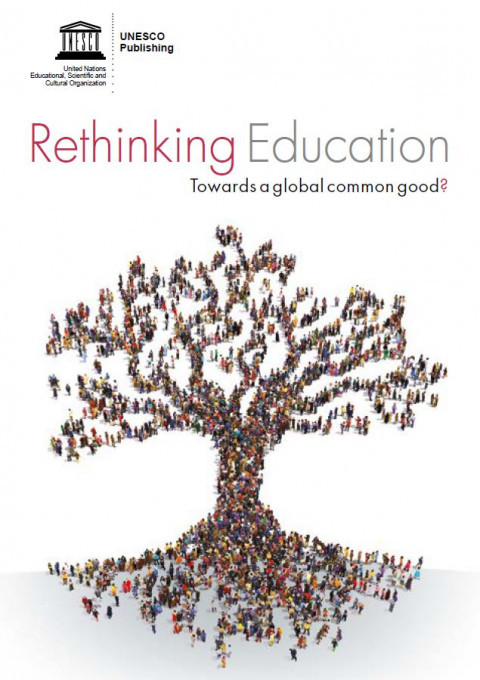 Rethinking Education: Towards a Global Common Good? Año de publicación: 2015 Autor corporativo: UNESCO The changes in the world today are characterized by new levels of complexity and contradiction. These changes generate tensions for which education is expected to prepare individuals and communities by giving them the capability to adapt and to respond. This publication contributes to rethinking education and learning in this context. It builds on one of UNESCO’s main tasks as a global observatory of social transformation with the objective of stimulating public policy debate.It is a call for dialogue among all stakeholders. It is inspired by a humanistic vision of education and development, based on respect for life and human dignity, equal rights, social justice, cultural diversity, international solidarity, and shared responsibility for a sustainable future. These are the fundamentals of our common humanity. This book enhances the vision provided by the two landmark UNESCO publications: Learning to Be: The world of education today and tomorrow (1972), the ‘Faure Report’, and Learning: The treasure within (1996), the ‘Delors Report’.
  Образование в области прав человека в школьной системе Европы, Центральной Азии и Северной Америки: сборник примеров успешных практик Año de publicación: 2009 Autor corporativo: Council of Europe | Организация Объединенных Наций по вопросам образования, науки и культуры (UNESCO) | UN. Office of the United Nations High Commissioner for Human Rights (UN. OHCHR) | OSCE. Office for Democratic Institutions and Human Rights (ODIHR) Сборник примеров успешных практик «Образование в области прав человека в школьной системе Европы, Центральной Азии и Северной Америки» включает 101 пример успешных практик в сфере образования в области прав человека в начальной, средней школе и в педагогических учебных заведениях в регионе ОБСЕ, на который также распространяются полномочия ЮНЕСКО, УВКПЧ ООН и, частично, географический мандат СЕ.Настоящее издание состоит из пяти основных разделов:Раздел I. Законодательные акты, руководящие принципы и стандарты; Раздел II. Подходы и практики улучшения учебной атмосферы; Раздел III. Учебные пособия для преподавателей и учащихся; Раздел IV. Повышение квалификации преподавателей; Раздел V. Методы оценки.Образование в области прав человека определяют как образование, обучение и информирование, направленное на формирование всеобщей культуры прав человека. Комплексное образование в области прав человека дает не только знания о правах человека и действующих механизмах их защиты, но и навыки, необходимые для продвижения, защиты и реализации прав человека в повседневной жизни. Воспитание демократической гражданственности нацелено на осуществление образовательных практик и мероприятий, призванных помочь молодым людям и взрослым принимать активное участие в жизни общества, основанного на принципах демократии, а также осуществлять свои права и обязанности в обществе. Воспитание в духе взаимного уважения и понимания подчеркивает важность самоуважения, уважения других людей и улучшения отношений между людьми, представляющими различные культурные традиции.Настоящая книга задумана как средство поддержки качества обучения в этих областях, как стимул для лиц, ответственных за формирование политики в области образования (сотрудников министерств образования и местных школьных советов), директоров, учителей, преподавателей педагогических учебных заведений, преподавателей, специалистов неформальной сферы образования и всех других заинтересованных лиц, а также как инструмент, содействующий формированию сетей и обмену опытом между специалистами в сфере образования. L'éducation aux droits de l'homme dans les systèmes scolaires d'Europe, d'Asie centrale et en Amérique du Nord: un recueil de bonnes pratiques Año de publicación: 2009 Autor corporativo: Conseil de l'Europe | Organisation des Nations Unies pour l'éducation, la science et la culture (UNESCO) | UN. Office of the United Nations High Commissioner for Human Rights (UN. OHCHR) | OSCE. Office for Democratic Institutions and Human Rights (ODIHR) “L'Éducation aux Droits de l'Homme dans les systèmes scolaires de l'Europe, l'Asie centrale et en Amérique du Nord: Un Recueil de Bonnes Pratiques" est une compilation de 101 exemples de bonnes pratiques dans l'éducation aux droits de l'homme dans les écoles primaires, les écoles secondaires et les établissements de formation des enseignants de l'Organisation pour Sécurité et la Coopération dans la zone Europe (OSCE), qui est également couvert par l'Organisation des Nations Unies pour l'éducation, la science et la culture (UNESCO), le Bureau du Haut Commissariat des Nations Unies aux Droits de l'Homme (HCDH) et, en partie, la situation géographique mandat du Conseil de l'Europe (CoE). Le terme «éducation aux droits de l'homme» est souvent utilisé dans cette ressource dans un sens plus large, pour inclure également l'éducation à la citoyenneté démocratique et l'éducation pour le respect et la compréhension mutuelle, qui sont toutes basées sur les normes des droits humains internationalement convenus. Ces trois domaines sont considérés comme interconnectés et essentiel dans les systèmes éducatifs afin de préparer les jeunes à être des participants actifs, responsables et dans leur communautés, ainsi qu'aux niveaux national et mondial. L'éducation aux droits de l'homme a été défini comme l'éducation, la formation et de l'information visant à la construction d'une culture universelle des droits de l'homme. Une formation approfondie dans les droits de l'homme fournit non seulement des connaissances sur les droits humains et les mécanismes qui les protègent, mais confère également les compétences nécessaires pour promouvoir, défendre et appliquer les droits de l'homme dans la vie quotidienne. L'éducation à la citoyenneté démocratique met l'aCECnt sur les pratiques et les activités visant à aider les jeunes et les adultes à jouer un rôle actif dans la vie démocratique et à exercer leurs droits et responsabilités dans la société de l'éducation. L'éducation pour le respect et la compréhension mutuelle met en évidence le respect de soi, respect des autres, et l'amélioration des relations entre les gens de différentes traditions culturelles. Ce livre vise à soutenir l'enseignement de qualité dans ces domaines et d'inspirer les décideurs éducatifs (ceux qui travaillent dans les ministères de l'éducation et les conseils scolaires locaux) et les administrateurs, les enseignants, les formateurs d'enseignants, les éducateurs non formels et tous les autres acteurs intéressés, ainsi que pour faciliter la mise en réseau et l'échange d'expériences entre les professionnels de l'éducation.
  Education 2030: Incheon Declaration and Framework for Action for the Implementation of Sustainable Development Goal 4: Ensure Inclusive and Equitable Quality Education and Promote Lifelong Learning Opportunities for All Año de publicación: 2016 Autor corporativo: UNESCO The Incheon Declaration articulates the collective vision and commitment of the international community on global education. The 2030 Framework for Action provides guidance for the implementation of Sustainable Development Goal 4.