
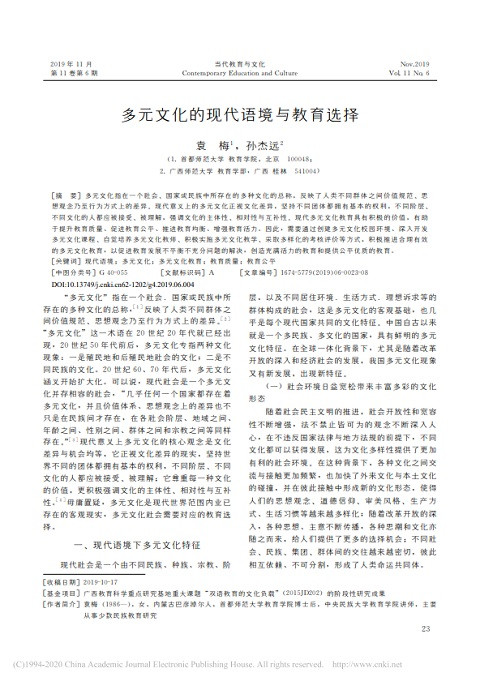
Modern Context and Education Choice of Multi-culture
- Auteur
- YuanmeiSun Jieyuan
- Auteur institutionnel
- Contemporary Education and Culture
- ISBN
- ISSN 1674-5779
- Collation
- p. 23-30
- Langue de la ressource
- Chinois
- Année de publication
- 2019
- Thème
- Diversité / Compétence culturelle / InclusionMondialisation et justice sociale / Compréhension internationale
- Type de ressource
- Research papers / journal articles
- Niveau d’éducation
- Enseignement primaireEnseignement secondaire
- Région
- Asie et Pacifique
- Lieu de publication
- Lanzhou
Multi-culture is a generic term for diverse cultures existing in a society, country or nation, which is a nation that reflexes differences in value standards, thoughts and ideas, and behaviors and actions among varied people. Multi-culture, in modern context, is to face cultural differences hold that different groups of people have basic rights and that people with different classes and cultures should all be accepted and understood, and highlight the main role, relatively and complementary of all quality, education fairness, a balanced education as well as educational dynamism. Therefore, we should create multicultural teachers. Besides, we should implement multicultural courses and positively foster more multicultural teaching, adopt diverse assessment and evaluation methods and promote appropriate and efficient multicultural education, thus addressing the problems of unbalanced and inadequate educational development, creation more dynamic education environment and delivering more fair and quality education.
Ressources associées
-
 Voices Against Violence: Middle Years
 -
 Study on the Historical Impact of the 1974 Recommendation concerning Education for International Understanding, Cooperation and Peace and Education relating to Human Rights and Fundamental Freedoms
 -
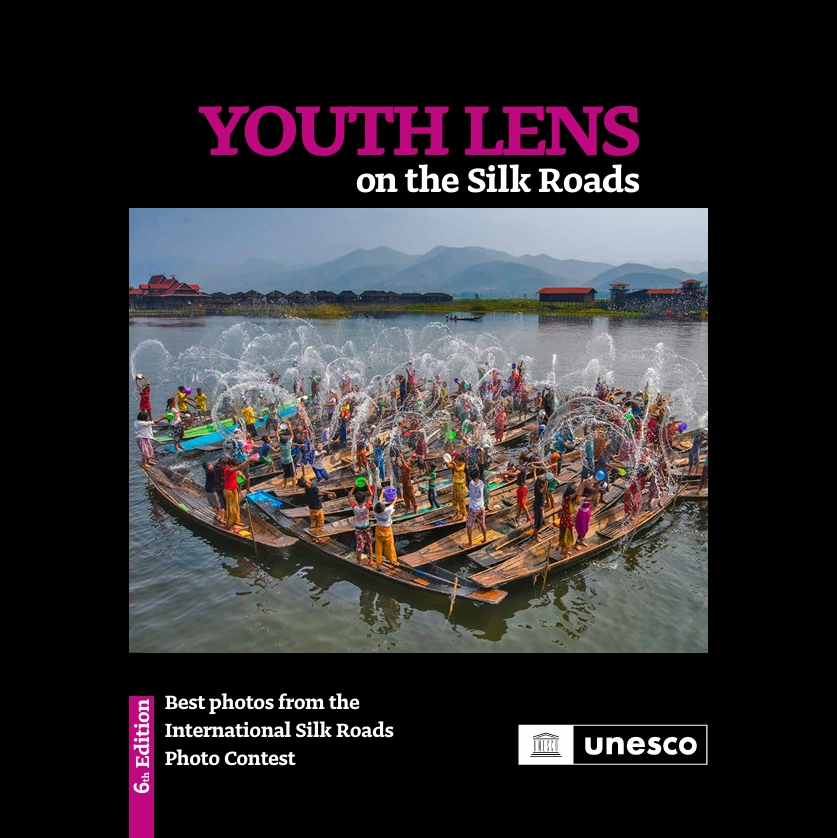 Youth Lens on the Silk Roads: Best Photos from the International Silk Roads Photo Contest; 6th Edition
 -
 More than Welcome: Intercultural Integration of Migrants in and Through Higher Education