
Ressources
Explorez une large gamme de ressources sur le GCED afin d’approfondir votre compréhension et de renforcer vos activités de recherche, de plaidoyer, d’enseignement et d’apprentissage.
6 résultats trouvés
 ESCWA Water Development Report 8: The Water-related Sustainable Development Goals in the Arab Region Année de publication: 2019 Auteur institutionnel: UN. Economic and Social Commission for Western Asia (UN. ESCWA) Water-related SDGs have a central role in achieving the 2030 Agenda for Sustainable Development and its interlinked Sustainable Development Goals (SDGs) and targets. While the dedicated goal on water (SDG6) aims to ensure availability and the sustainable management of water and sanitation for all, pursing this goal supports the achievement many other goals. Regional monitoring and reporting of the water-related SDGs thus supports a better understanding of water across the sustainable development agenda and provides insights on the progress and challenges facing the Arab region as it aims to achieve the SDGs and associated national targets under conditions of water scarcity and increasing water stress. This eighth issue of the Water Development Report of the Economic and Social Commission for Western Asia (ESCWA) examines the water-related SDGs from the perspective of water security and scarcity in the Arab region. It identifies ways to assess and address present and projected water scarcity at the regional and national levels for various climate change scenarios. It reviews regional and national water strategies and action plans coherency with global water-related goals and targets. The study analyses how the water-related SDG targets and indicators can guide the development of policy measures to tackle water challenges in the Arab region. Proposed policy interventions include measures to conserve and protect water resources and generate additional nonconventional water resources. Selected policy options are quantified and analysed for two climate scenarios for the future period 2030-2050 in view of informing sustainable planning and appropriate decision support systems to optimize and rationalize water use. The report also provides insights on institutional mechanisms in place for monitoring and implementing water-related SDGs at various scales. تقرير المياه والتنمية الثامن: أهداف التنمية المستدامة المتعلقة بالمياه في المنطقة العربية Année de publication: 2019 Auteur institutionnel: UN. Economic and Social Commission for Western Asia (UN. ESCWA) لأهداف التنمية المستدامة ذات الصلة بالمياه دور رئيسي في تحقيق خطة التنمية المستدامة لعام 2030 وأهداف التنمية المستدامة الأخرى ومقاصدها. ويسعى الهدف المكرّس للمياه (الهدف 6) إلى ضمان توفر المياه وإتاحة خدمات الصرف الصحي للجميع وإدارتهما بشكل مستدام. وفي العمل على بلوغه ما يدعم تحقيق العديد من الأهداف الأخرى. ويساهم رصد أهداف التنمية المستدامة ذات الصلة بالمياه والإبلاغ عنها على الصعيد الإقليمي في فهم أفضل لموقع المياه في خطة التنمية المستدامة، ويعطي فكرة عما حققته المنطقة العربية من تقدم وما واجهته من تحديات في سعيها إلى تحقيق أهداف التنمية المستدامة والغايات الوطنية المرتبطة بها، في ظل ندرة المياه وزيادة الإجهاد المائي. ويبحث العدد الثامن من تقرير اللجنة الاقتصادية والاجتماعية لغربي آسيا (الإسكوا) حول تنمية المياه في أهداف التنمية المستدامة ذات الصلة بالمياه من منظور الأمن المائي وندرة المياه في المنطقة العربية. ويحدّد طرقاً لتقييم ومعالجة ندرة المياه الحالية والمتوقعة على المستويين الإقليمي والوطني على ضوء سيناريوهات مختلفة لتغيُّر المناخ. ويستعرض مدى اتساق الاستراتيجيات وخطط العمل المائية الإقليمية والوطنية مع الأهداف والمقاصد العالمية ذات الصلة بالمياه. وتبيّن الدراسة كيف يمكن الاسترشاد بمقاصد ومؤشرات أهداف التنمية المستدامة ذات الصلة بالمياه في وضع تدابير في السياسة العامة لمواجهة تحديات المياه في المنطقة العربية. وتشمل التدخلات المقترحة على صعيد السياسات العامة تدابير للحفاظ على موارد المياه وحمايتها، وتوليد موارد مائية إضافية غير تقليدية. ويتم تقدير السياسات العامة المختارة وتحليلها ضمن سيناريوهين مناخيين للفترة المستقبلية 2030-2050 بهدف توجيه التخطيط المستدام والنُظُم الداعمة لعمليات اتخاذ القرارات بما يؤدي إلى تحسين استخدام المياه وترشيده. ويستعرض التقرير الآليات المؤسسية القائمة لرصد أهداف التنمية المستدامة ذات الصلة بالمياه وتنفيذها على مستويات مختلفة.
  Annual SDG Review 2023: The Private Sector and The SDGs in The Arab Region Année de publication: 2023 Auteur: Mario Jales | Jana El Baba | Hania Sabbidin Dimassi Auteur institutionnel: UN. Economic and Social Commission for Western Asia (UN. ESCWA) The ESCWA Annual SDG Review 2023, the second in the series, explores the contributions of the private sector to the realization of the 2030 Agenda and the SDGs in the Arab region. Building on limited available data on the subject, the report offers an indicative reading of existing trends and gaps in the region. The analysis is guided not only by the Agenda’s goals and targets, but also by the whole-of-society and rights-based approaches and the principles of universality, leaving no one behind, combating inequality and promoting gender equality and the empowerment of women.The Review examines the contributions of the private sector to sustainable development in the Arab region from three lenses: delivering the SDGs through business action, mobilizing private finance for the SDGs, and engaging the private sector in SDG planning and coordination. Each chapter assesses evidence for private sector engagement in the delivery of the SDGs in the region and provides guidance on actions needed to address current gaps. الاستعراض السنوي لأهداف التنمية المستدامة 2023: القطاع الخاص وأهداف التنمية المستدامة في المنطقة العربية Année de publication: 2023 Auteur: Mario Jales | Jana El Baba | Hania Sabbidin Dimassi Auteur institutionnel: UN. Economic and Social Commission for Western Asia (UN. ESCWA) يستكشف الاستعراض السنوي لأهداف التنمية المستدامة لعام 2023 الصادر عن الإسكوا، وهو الثاني ضمن سلسلة الاستعراضات هذه، مساهمات القطاع الخاص في تحقيق خطة عام 2030 وأهداف التنمية المستدامة في المنطقة العربية. يستند هذا الاستعراض إلى البيانات المتاحة في هذا الشأن، رغم محدوديتها، ليقدّم قراءة إرشادية لما تشهده المنطقة من اتجاهات وما يعوقها من ثغرات. ولا يسترشد التقرير في تحليله بأهداف وغايات خطة عام 2030 وحدها، بل يسترشد كذلك بمبادئ الخطة ولا سيما نَهج المجتمع بأسره وحقوق الإنسان والشمول، وعدم إهمال أحد، والتصدي لعدم المساواة، وتعميم منظور المساواة بين الجنسين، وتمكين المرأة.ويستعرض التقرير مساهمات القطاع الخاص في التنمية المستدامة في المنطقة العربية من حيث ثلاثة اعتبارات: تحقيق أهداف التنمية المستدامة من خلال أنشطة الأعمال التجارية؛ تعبئة التمويل الخاص خدمة لأهداف التنمية المستدامة؛ إشراك القطاع الخاص في التخطيط لأهداف التنمية المستدامة وتنسيق العمل عليها. يقيِّم كل فصل الأدلة على مشاركة القطاع الخاص في تحقيق أهداف التنمية المستدامة في المنطقة، ويقدم إرشادات بشأن الإجراءات اللازمة لتدارك الفجوات القائمة.
 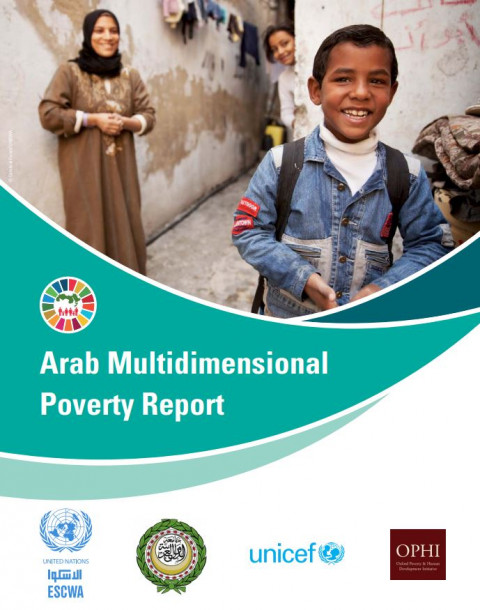 التقرير العربي حول الفقر المتعدد الابعاد Année de publication: 2017 Auteur institutionnel: UN. Economic and Social Commission for Western Asia (UN. ESCWA) | United Nations Children's Fund (UNICEF) | Oxford Poverty and Human Development Initiative (OPHI) التقرير العربي حول الفقر المتعدد الأبعاد هو الأول من نوعه منذ إطلاق خطة عام 2030. ونتج التقرير عن تعاون استمر لثلاثة أعوام بين المجلس الوزاري للشؤون الاجتماعية في جامعة الدول العربية، ولجنة الأمم المتحدة الاقتصادية والاجتماعية لغربي اسيا (الإسكوا)، ومنظمة الأمم المتحدة للطفولة (اليونيسف)، ومبادرة أكسفورد للفقر والتنمية البشرية. Arab Multidimensional Poverty Report Année de publication: 2017 Auteur institutionnel: UN. Economic and Social Commission for Western Asia (UN. ESCWA) | United Nations Children's Fund (UNICEF) | Oxford Poverty and Human Development Initiative (OPHI) The Arab Multidimensional Poverty Report, the first of its kind following the launch of the 2030 Agenda, is the result of three years of collaboration between the League of Arab States’ Council of Arab Ministers for Social Affairs, the Economic and Social Commission for Western Asia (ESCWA), the United Nations Children's Fund (UNICEF), and Oxford Poverty and Human Development Initiative (OPHI).