
Ressources
Explorez une large gamme de ressources sur le GCED afin d’approfondir votre compréhension et de renforcer vos activités de recherche, de plaidoyer, d’enseignement et d’apprentissage.
115 résultats trouvés
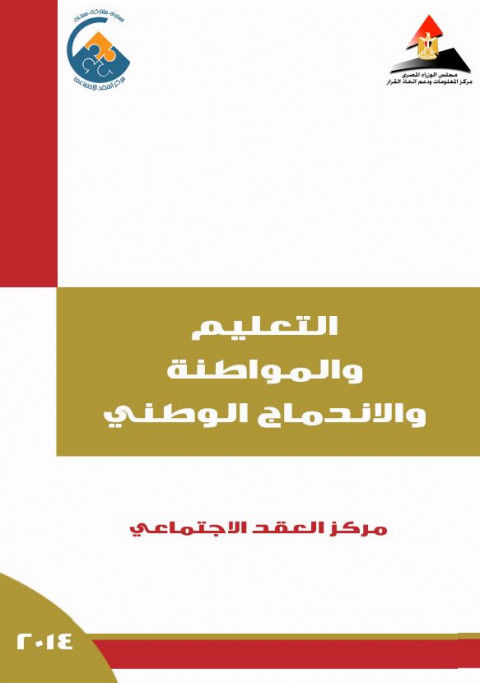 Education, Citizenship and National Integration Année de publication: 2014 Auteur: Radwa Ammar Auteur institutionnel: Social Contract Center This research paper is an introduction that explains the role of citizenship education as a basis for building a cohesive society capable of facing challenges. The paper reviews various international concepts and experiences to shed light on the importance of conducting in-depth field studies to discuss the relationship between citizenship education and national integration among members of society. It also aims to identify the most important topics, and ways of offering that It is compatible with the targeted communities by these educational programs, and to develop a strategy for educational institutions in the country to adopt this type of studies. التعليم والمواطنة والاندماج الوطني Année de publication: 2014 Auteur: Radwa Ammar Auteur institutionnel: Social Contract Center تعتبر هذه الورقة البحثية مقدمة توضح دور تعليم المواطنة كأساس لبناء مجتمع متماسك قادر على مواجهة التحديات من خلال استعراض مفاهيم وتجارب دولية مختلفة لإلقاء الضوء على أهمية إجراء دراسات متعمقة ميدانية لبحث العلاقة بين تعليم المواطنة والاندماج الوطني بين أفراد المجتمع، وتحديد أهم الموضوعات، وسُبل الطرح التي تتوافق مع المجتمعات المستهدفة من قبل هذه البرامج التعليمية، ووضع استراتيجية للمؤسسات التعليمية في الدولة لكي تتبنى هذا النوع من الدراسات.ولا تتعرض هذه الورقة بالرصد والتحليل للواقع المصري لأن أي دراسة وصفية دون البحث الميداني في الوقت الراهن لن تعرض سوى آراء مبنية بالأساس على انطباعات لا تُمكِّن من التصدي للأزمات التي يواجهها الواقع في ظل غياب دراسات متعمقة تتناول العلاقة بين تعليم المواطنة والتغييرات التي شهدها المجتمع مؤخرًا، وسُبل مواجهة التحديات.
 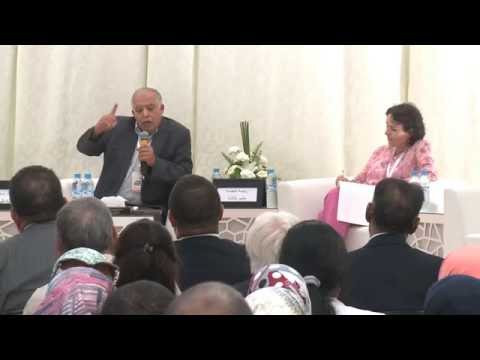 Education and Citizenship: Summer University 2016 Année de publication: 2016 Auteur: Abdullah Saaf Auteur institutionnel: General Delegation for Prison Administration and Reintegration (DGAPR) This video is a lecture given to women prisoners in Morocco, and it is a rehabilitation program. The lecture by Dr. Abdullah Sa`f talks about citizenship and inclusion in society, and discusses the relationship between education and citizenship. التعليم والمواطنة: الجامعة الصيفية 2016 Année de publication: 2016 Auteur: Abdullah Saaf Auteur institutionnel: General Delegation for Prison Administration and Reintegration (DGAPR) الفيديو عبارة عن محاضرة القت للسجينات في المغرب، وهو برنامج لاعادة التأهيل. المحاضرة للدكتور عبدالله ساعف يتحدث فيها عن المواطنة، والاندماج في المجتمع، ويناقش علاقة التعليم بالمواطنة.
 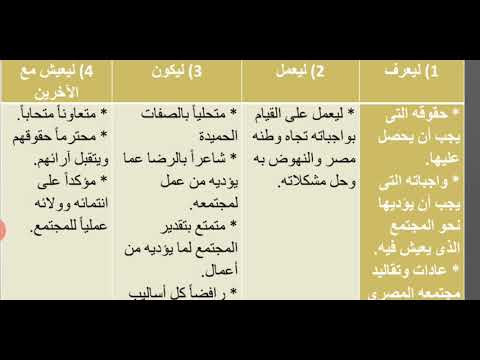 How to be a Good Citizen Année de publication: 2020 Auteur institutionnel: Helalia Language School This video is an educational lesson for the first year of middle school. The lesson focuses on what a good citizen is and how a student can be a good citizen. كيف تكون مواطن صالح Année de publication: 2020 Auteur institutionnel: Helalia Language School الفيديو عبارة عن درس تعليمي للصف الأول الاعدادي. ويركز الدرس على ماهية المواطن الصالح وكيف يمكن أن يكون الطالب مواطنا صالحا.
  Becoming Citizens in a Changing World: IEA International Civic and Citizenship Education Study 2016 International Report Année de publication: 2017 Auteur: Wolfram Schulz, John Ainley, Julian Fraillon, Bruno Losito, Gabriella Agrusti, Tim Friedman Auteur institutionnel: International Association for the Evaluation of Educational Achievement (IEA) The International Civic and Citizenship Education Study 2016 (ICCS 2016) investigated the ways in which young people are prepared to undertake their roles as citizens in a range of countries in the second decade of the 21st century. It studied students’ knowledge and understanding of civics and citizenship as well as students’ attitudes, perceptions, and activities related to civics and citizenship. Based on nationally representative samples of students, the study also examined differences among countries in relation to these outcomes of civic and citizenship education, and explored how cross-national differences relate to student characteristics, school and community contexts, and national characteristics. As the second cycle of this study, ICCS 2016 is a continuation and an extension of ICCS 2009.
 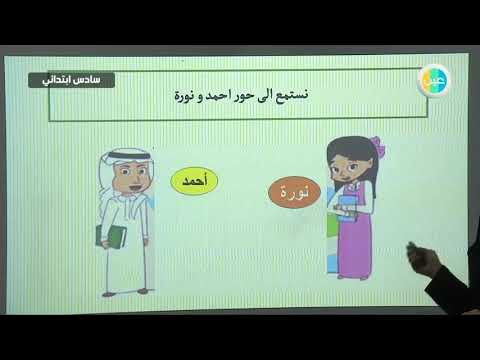 iEN Social Studies and Citizenship Lessons: Personality Enhancement Program - Sixth Primary Année de publication: 2020 Auteur: Fawzia Alghamdi Auteur institutionnel: iEN National Education Portal The teacher explains a sixth grade lesson on character development and enhancement. The lesson for students of the Kingdom of Saudi Arabia in a social studies course. With the Coronavirus pandemic, lessons explaining across platforms have emerged. دروس عين الدراسات الاجتماعية والمواطنة– برنامج تعزيز الشخصية - سادس ابتدائي Année de publication: 2020 Auteur: Fawzia Alghamdi Auteur institutionnel: iEN National Education Portal تقوم المعلمة بشرح درس للصف السادس الابتدائي في تنمية وتعزيز الشخصية. الدرس لطلاب المملكة العربية السعودية في مقرر الدراسات الاجتماعية. لقد ظهرت الدروس التي تشرح عبر المنصات مع جائحة كورونا.
 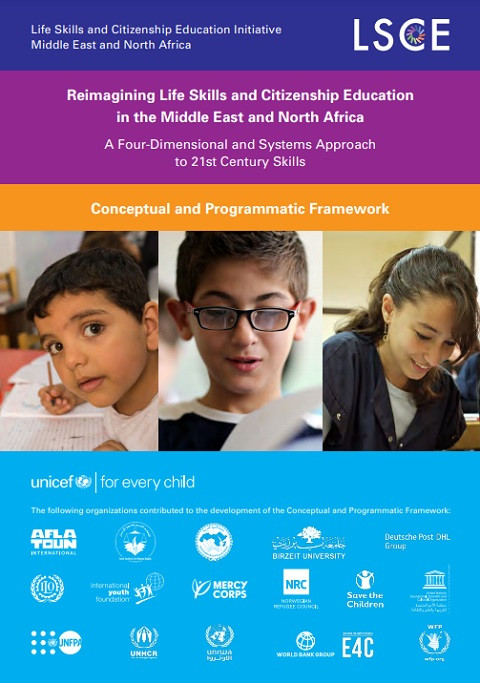 Reimagining Life Skills and Citizenship Education in the Middle East and North Africa: A Four-Dimensional and Systems Approach to 21st Century Skills; Conceptual and Programmatic Framework Année de publication: 2017 Auteur institutionnel: UNICEF Middle East and North Africa The situation of learning in MENA calls for a holistic, lifelong and rights-based vision of education that maximizes the potential of all children and youth in the region and better equips them to create meaning out of knowledge and to face the transitions from childhood to adulthood, from education to work, and from unreflective development to responsible and active citizenship. This is what drives the MENA Life Skills and Citizenship Education (LSCE) Initiative, kicked off in 2015 with the aim of supporting the countries of the region – conceptually, programmatically and technically – to improve learning and to better invest such learning in individual, social and economic development.The LSCE Conceptual and Programmatic Framework (CPF) puts forth a roadmap to guide policies, strategies and programmes on life skills and citizenship education supporting the region-wide efforts to provide children and youth with opportunities to learn, transition from childhood to adulthood, move from school to work settings, and become responsible and active citizens of their communities.A set of twelve core life skills for MENA has been identified using the four-dimensional learning model: ‘Learning to Know’ (Cognitive Dimension), ‘Learning to Do’ (Instrumental Dimension), ‘Learning to Be’ (Individual Dimension), and ‘Learning to Live Together’ (Social Dimension). The twelve core life skills are life-long, and they build on evidence that underlines the importance of skills acquisition from an early age. Furthermore, the twelve core life skills are acquired and sustained through all forms of learning in a systems approach that recognizes multiple pathways of learning, formal, non-formal and informal.