
Ressources
Explorez une large gamme de ressources sur le GCED afin d’approfondir votre compréhension et de renforcer vos activités de recherche, de plaidoyer, d’enseignement et d’apprentissage.
169 résultats trouvés
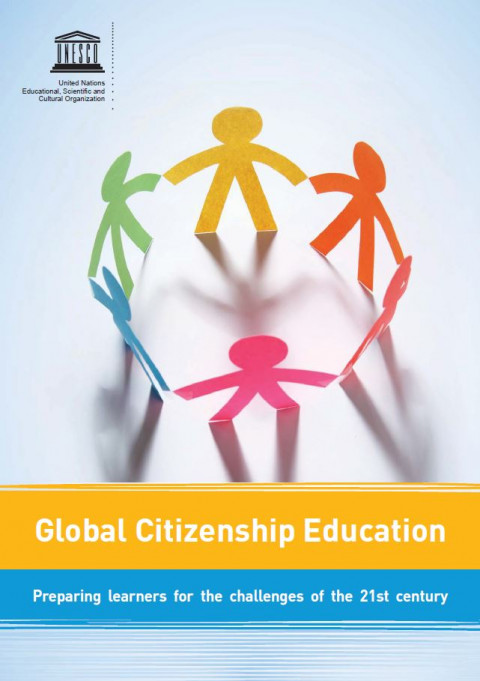 글로벌시민교육: 21세기 새로운 인재 기르기 Année de publication: 2014 Auteur institutionnel: 유네스코 이 보고서는 글로벌시민교육을 주제로 열렸던 두 차례의 국제회의 - 글로벌시민교육 전문가회의(2013년 9월 9-10일, 대한민국 서울)와 제1차 유네스코 글로벌시민교육 포럼(2013년 12월 2-4일, 태국 방콕) - 결과를 토대로 교육정책 입안자, 교육 실천가, 시민사회단체 및 청소년 리더들을 위해 만들어졌다. 글로벌시민교육을 처음 접하거나 이미 실천하고 있는 모든 독자들에게 유용한 지침서가 될 것이다.
 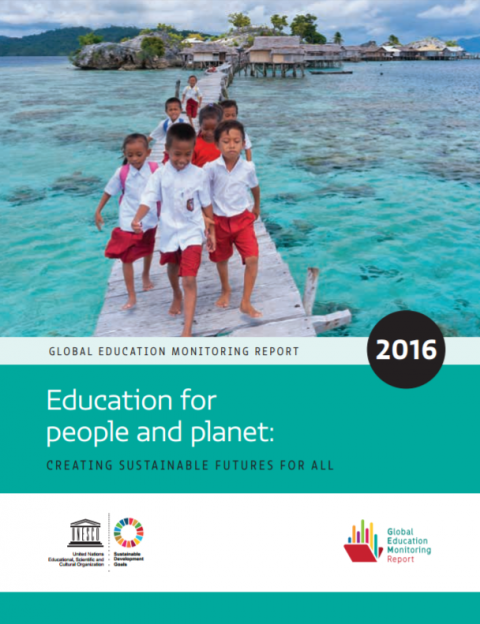 Образование в интересах людей и планеты: построение устойчивого будущего для всех 2016 г Année de publication: 2016 Auteur institutionnel: UNESCO | Global Education Monitoring Report Team Всемирный доклад по мониторингу образования (ВДМО), ранее известный как Всемирный доклад по мониторингу образования для всех, является независимым по содержанию, авторитетным и основанным на фактическом материале ежегодным докладом, который публикуется ЮНЕСКО, о ходе работы по осуществлению глобальных целей и задач в сфере образования, принятых международным сообществом в 2015 г. в качестве элемента целей в области устойчивого развития (ЦУР). Его цель – отслеживать ход работы по выполнению задач в сфере образования, которые являются элементами нового комплекса целей в области устойчивого развития (ЦУР). Подготовкой содержания ВДМО и обеспечением его качества занимается опытная группа сотрудников под руководством директора ВДМО.ВДМО – это единственное в своем роде, всеобъемлющее, аналитическое и авторитетное справочное издание для мониторинга и обзора сферы образования в глобальном масштабе. За период с 2002 г., в течение которого вышло в свет 12 изданий доклада, группа по его подготовке приобрела обширный опыт в вопросах мониторинга и стратегического анализа, а также снискала высочайшую общемировую репутацию за широкий тематический охват – от проблем неравенства, гендерных отношений и преподавания до конфликтов, грамотности, ухода за детьми младшего возраста и их обучения.Цель доклада – обеспечивать информацию и оказывать влияние на уровне национальной, региональной и международной политики в области образования, в том числе в сферах финансирования и оказания помощи, посредством авторитетного фактологического обзора прогресса и сбалансированного анализа наиболее острых проблем, стоящих перед странами и другими заинтересованными сторонами. В этой публикации тщательно рассматриваются детали масштабной повестки дня для проведения реформы образования; она рассчитана прежде всего на лиц, принимающих решения: министров, политиков, парламентариев, специалистов по планированию в сфере образования.Не менее значимым является более широкий спектр групп гражданского общества, включая ассоциации преподавателей, неправительственные организации, университетские исследовательские кадры, молодежные сети и средства массовой информации. Способствуя более широкому осмыслению вопросов образования, доклад открывает возможности для обсуждения, обмена опытом и просвещения.Презентации доклада на глобальном, региональном и национальном уровнях, организуемые в течение года во всех регионах мира, активно освещаются в прессе и вызывают большой интерес на местах. Помимо этих мероприятий, ознакомление с докладом все чаще сопровождается политическими семинарами для вовлечения руководящих должностных лиц и парламентариев в дискуссии, посвященные ключевым темам и рекомендациям доклада. Ознакомление с изложенными в докладе выводами происходит также в ходе министерских совещаний, международных ученых конференций, курсов профессиональной подготовки для практических специалистов в области образования и семинаров с участием представителей правительств, доноров, НПО, исследователей и преподавателей. Кроме того, они распространяются через средства массовой информации и социальные сети.Краткое изложение докладов ВДМО издается на всех шести языках ООН (английском, арабском, испанском, китайском, русском и французском), а также на ряде других языков (включая бангла, вьетнамский, индонезийский, кхмерский, немецкий, португальский, тайский, хинди и японский). Полный текст доклада также издается на официальных языках ООН. Все версии наряду со справочными документами и статистическими данными размещаются на этом веб-сайте. التقرير العالمي لرصد التعليم ٢٠١٦ - التعليم من أجل الناس والكوكب: بناء مستقبل مستدام للجميع Année de publication: 2016 Auteur institutionnel: UNESCO | Global Education Monitoring Report Team يستند هذا التقرير العالمي لرصد التعليم الذي أصدرته اليونسكو إلى تجربة وخبرة التقارير العالمية السابقة لرصد التعليم للجميع، كما تناط به مهمة جديدة وهي تقييم التقدم الذي يحرزه التعليم في إطار جدول أعمال 2030. وهذا التقرير العالمي لرصد التعليم لعام 2016، وهو الأول من هذه السلسلة التي ستتواصل على مدى 15 عاماً، يستكشف العلاقة المعقدة بين التعليم والجوانب الأخرى للتنمية المستدامة، إلى جانب رصد الآثار المترتبة على الهدف 4 للتنمية المستدامة. ويبين أن التعليم لن يجود بكامل إمكاناته لدفع العالم إلى الأمام ما لم تتحسن معدلات الالتحاق بالمدارس تحسُّناً كبيراً، ويصبح التعلم عملية متواصلة مدى الحياة، وتتماهى نُظم التعليم تماماً مع التنمية المستدامة. L'Education pour les peuples et la planète: créer des avenirs durables pour tous; Rapport mondial de suivi sur l'éducation, 2016 Année de publication: 2016 Auteur institutionnel: Organisation des Nations Unies pour l'éducation, la science et la culture (UNESCO) | Global Education Monitoring Report Team The GEM Report provides an authoritative account of how education is the most vital input for every dimension of sustainable development. Better education leads to greater prosperity, improved agriculture, better health outcomes, less violence, more gender equality, higher social capital and an improved natural environment. Education is key to helping people around the world understand why sustainable development is such a vital concept for our common future. Education gives us the key tools – economic, social, technological, even ethical – to take on the SDGs and to achieve them. These facts are spelled out in exquisite and unusual detail throughout the report. Yet the report also emphasizes the remarkable gaps between where the world stands today on education and where it has promised to arrive as of 2030. Informe de Seguimiento de la Educación en el Mundo, 2016: La Educación al servicio de los pueblos y el planeta: creación de futuros sostenibles para todos Année de publication: 2016 Auteur institutionnel: UNESCO | Global Education Monitoring Report Team Education for People and Planet: Creating Sustainable Futures for All explores the complex relationship between education and the new 2030 Agenda for Sustainable Development, covering six fundamental pillars – Planet, Prosperity, People, Peace, Place and Partnerships. This report shows that education will not deliver its full potential unless participation rates increase dramatically and sustainable development guides education system reform. It also warns of the destructive impact that climate change, conflict, unsustainable consumption and the increasing gap between rich and poor have on education. A huge transformation is needed if we are to create sustainable futures for all.
 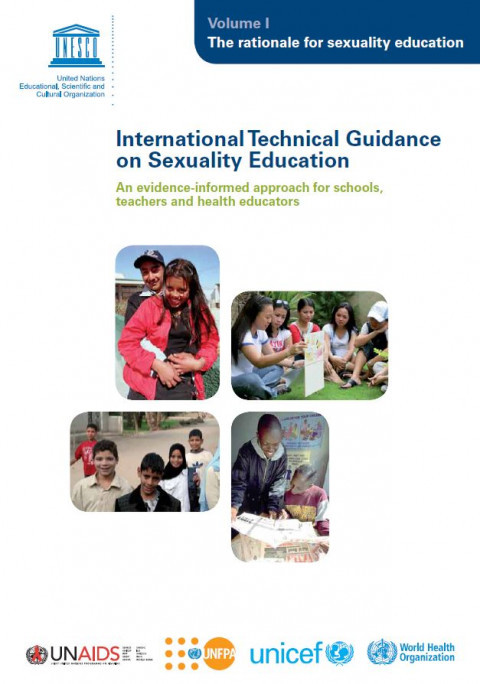 Orientaciones Técnicas Internacionales sobre Educación en Sexualidad: un enfoque basado en evidencia orientado a escuelas, docentes y educadores de la salud Année de publication: 2009 Auteur institutionnel: UNESCO El presente documento Orientaciones Técnicas Internacionales, basado en un riguroso análisis de la evidencia existente sobre programas de educación en sexualidad, está orientado a profesionales y a personas responsables de la toma de decisiones de los sectores salud y educación. Este documento (Volumen 1) se centra en aquellos elementos que justifican la educación en sexualidad y ofrece sólidas recomendaciones técnicas sobre las características que todo programa efectivo debe tener. El documento acompañante (Volumen 2) cubre los temas y objetivos de aprendizaje que se deben abordar en los diferentes tramos etarios en un programa básico de educación en sexualidad destinado a niños, niñas y jóvenes entre las edades de 5 a 18 y más años e incluye una bibliografía de referencias. El documento Orientaciones Técnicas Internacionales es relevante no sólo para los países más afectados por el VIH y el SIDA, sino también para los que exhiben una epidemia de baja prevalencia y alta concentración. Principes directeurs internationaux sur l'éducation sexuelle: une approche factuelle à l'intention des établissements scolaires, des enseignants et des professionnels de l'éducation à la santé Année de publication: 2009 Auteur institutionnel: UNESCO S’appuyant sur un examen rigoureux et actuel des donnees de programmes d’education sexuelle, ces Principes directeurs internationaux sur l’education sexuelle s’adressent aux decideurs et professionnels des secteurs de l’education et de la sante. Ils sont destines a aider les autorites en charge de ces deux secteurs et autres secteurs connexes a elaborer et mettre en oeuvre des programmes et des materiels d’education sexuelle en milieu scolaire. Le Volume I met l’accent sur le bien-fonde d’une education sexuelle et fournit des conseils techniques avises sur les caracteristiques des programmes efcaces. Il s’accompagne d’un document parallele (Volume II) qui decrit les themes a aborder et les objectifs d’apprentissage a atteindre dans le cadre d’un ‘cours de base minimum’ d’education sexuelle destine aux enfants et aux jeunes ages de 5 a 18 ans et plus, et qui contient une bibliographique de ressources utiles. Ces Principes directeurs internationaux sont d’une grande utilite non seulement pour les pays les plus affectes par le VIH et le SIDA, mais aussi pour les pays qui connaissent une prevalence faible et un contexte d’epidemie concentree. Education for People and Planet: Creating Sustainable Futures for All, Global Education Monitoring Report, 2016 Année de publication: 2016 Auteur institutionnel: UNESCO | Global Education Monitoring Report Team Education for People and Planet: Creating Sustainable Futures for All explores the complex relationship between education and the new 2030 Agenda for Sustainable Development, covering six fundamental pillars – Planet, Prosperity, People, Peace, Place and Partnerships. This report shows that education will not deliver its full potential unless participation rates increase dramatically and sustainable development guides education system reform. It also warns of the destructive impact that climate change, conflict, unsustainable consumption and the increasing gap between rich and poor have on education. A huge transformation is needed if we are to create sustainable futures for all.
 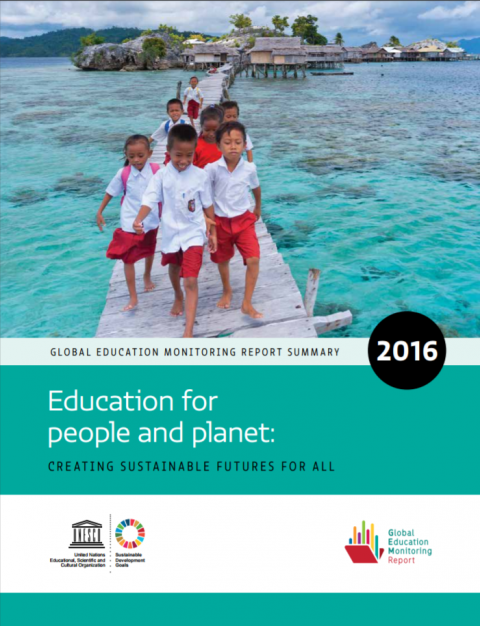 [Summary] Education for People and Planet: Creating sustainable Futures for All, Global Education Monitoring Report, 2016; Summary Année de publication: 2016 Auteur institutionnel: UNESCO Education for People and Planet: Creating Sustainable Futures for All explores the complex relationship between education and the new 2030 Agenda for Sustainable Development, covering six fundamental pillars – Planet, Prosperity, People, Peace, Place and Partnerships. This report shows that education will not deliver its full potential unless participation rates increase dramatically and sustainable development guides education system reform. It also warns of the destructive impact that climate change, conflict, unsustainable consumption and the increasing gap between rich and poor have on education. A huge transformation is needed if we are to create sustainable futures for all.
  Inclusión, educación para el desarrollo sostenible, aprendizaje de adultos, educación superior e investigación: cuatro conferencias internacionales para promover la equidad, la calidad, la pertinencia y la responsabilidad social en materia de educación Année de publication: 2008 Auteur institutionnel: UNESCO This cycle of conferences brings together a wide array of influential stakeholders in the common interest of creating education systems that serve the needs of all learners, address the challenges of today's world and make learning a springboard of development.