
Ressources
Explorez une large gamme de ressources sur le GCED afin d’approfondir votre compréhension et de renforcer vos activités de recherche, de plaidoyer, d’enseignement et d’apprentissage.
169 résultats trouvés
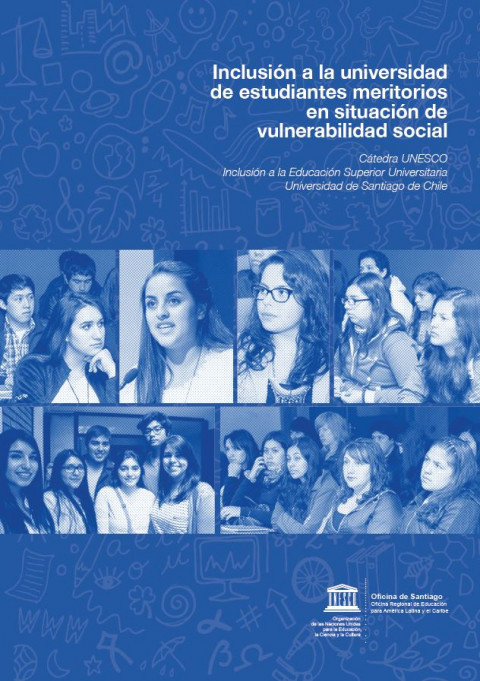 Inclusión a la universidad de estudiantes meritorios en situación de vulnerabilidad social Année de publication: 2015 Auteur: Marcela Orellana | Karla Moreno | Francisco Javier Gil Auteur institutionnel: UNESCO Santiago | UNESCO Chair on Inclusion in Higher Education La primera edición de este trabajo fue publicada por la OREALC/UNESCO Santiago para su difusión entre los asistentes a la Reunión Ministerial Educación para Todos en América Latina y el Caribe: Balance y desafíos post 2015, en el marco del Proyecto Regional de Educación para América Latina y el Caribe (PRELAC), realizada en Lima, Perú el 30 y 31 de octubre de 2014. En esta segunda edición, nos complace sumar otros mecanismos de inclusión que surgen del compromiso de la Cátedra UNESCO de Inclusión en la Educación Superior, el valioso apoyo de fundaciones privadas sin fin de lucro y el apoyo de la OREALC/UNESCO Santiago. La generación de estas alianzas constituye un aporte fundamental para el levantamiento de información relevante para el diseño de propuestas de políticas públicas tendientes a disminuir las brechas de desigualdad en la educación superior, a garantizar el derecho a una educación de calidad y a colaborar a la construcción de sociedades con mayor justicia social.
 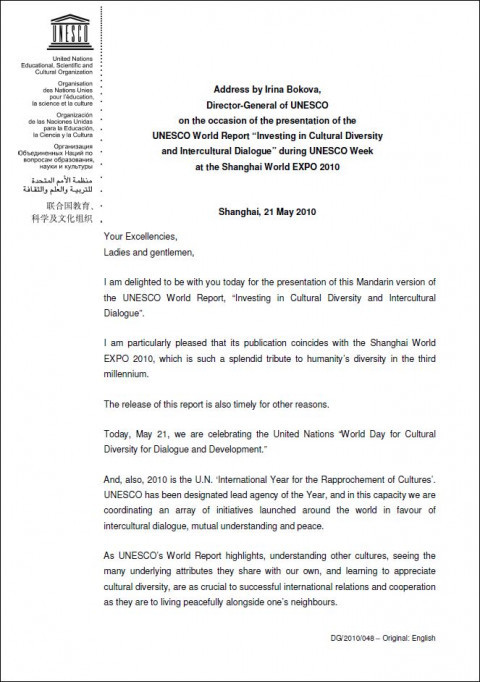 Address by Irina Bokova, Director-General of UNESCO on the occasion of the Presentation of the UNESCO World Report: Investing in Cultural Diversity and Intercultural Dialogue, during UNESCO Week at the Shanghai World EXPO 2010; Shanghai, 21 May 2010 Année de publication: 2010 Auteur institutionnel: UNESCO. Director-General, 2009-2017 (Bokova, I.G.) This address was delivered by Irina Bokova, Director-Geneeral of UNESCO on the occasion of the presentation of the UNESCO world report in investing in cultural diversity and intercultural dialogue during UNESCO week at the Shanghai World Expo 2010. In this address she highlited the importance of cultural diversity and intercultural communication, and requested the protection of Chinese cultural heritage by Chinese governments. Discours de Mme Irina Bokova, Directrice Générale de l'UNESCO à l'occasion de la Présentation du Rapport Mondial de l'UNESCO: Investir dans la Diversité Culturelle et le Dialogue Interculturel, au cours de la Semaine de l'UNESCO à l'EXPO Shanghai 2010 Année de publication: 2010 Auteur institutionnel: UNESCO. Director-General, 2009-2017 (Bokova, I.G.) Cette adresse a été prononcé par Irina Bokova, Directrice Geneeral de l'UNESCO à l'occasion de la présentation du rapport mondial de l'UNESCO à investir dans la diversité culturelle et le dialogue interculturel pendant la semaine de l'UNESCO à l'Exposition Universelle de Shanghai 2010. Dans cette adresse, elle a souligné l'importance de la diversité culturelle et la communication interculturelle, et a demandé la protection du patrimoine culturel chinois par les gouvernements chinois.
  Discours de Mme Irina Bokova, Directrice générale de l'UNESCO, à l'occasion de la Présentation du Rapport Mondial de l'UNESCO: Investir dans la Diversité Culturelle et le Dialogue Interculturel Année de publication: 2010 Auteur institutionnel: UNESCO. Director-General, 2009-2017 (Bokova, I.G.) This address was delivered by Irina Bokova, Director-Geneeral of UNESCO on the occasion of the presentation of the UNESCO world report in investing in cultural diversity and intercultural dialogue during UNESCO week at the Shanghai World Expo 2010. In this address she highlited the importance of cultural diversity and intercultural communication, and requested the protection of Chinese cultural heritage by Chinese governments.
 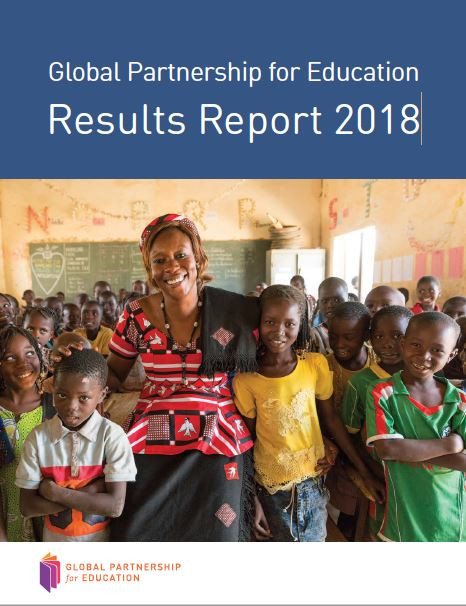 Global Partnership for Education Results Report 2018 Année de publication: 2018 Auteur institutionnel: Global Partnership for Education (GPE) The GPE Results Report 2018 shows progress against agreed-upon targets and identifies critical gaps that need to be addressed.
 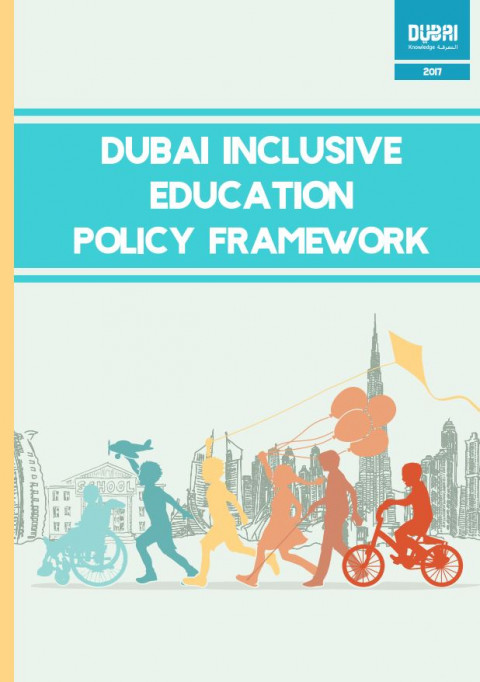 إطار سياسة التعليم الدامج في دبي Année de publication: 2017 Auteur institutionnel: Knowledge and Human Development Authority هذا الاطار لسياسة التعليم الدامج في إمارة دبي بهدف توفير كافة المعلومات المطلوبة عن الاجراءات والمعايير اللازمة لتحسين مقومات التعليم الدامج على مستوى الامارة، ولتعميم توجيهات وإرشادات محددة الى جميع المنشآت التعليمية في دبي، على النحو الذي يضمن تحقيق رؤية الامارة. Dubai Inclusive Education Policy Framework Année de publication: 2017 Auteur institutionnel: Knowledge and Human Development Authority The policy framework has been developed in partnership with a diverse range of stakeholders. It is based on international evidence of successful inclusive practices in education. It is also the culmination of an international benchmarking literature review, a participatory research process, based on extensive consultation with many stakeholders and an environmental scan of the enablers and barriers to inclusive education.Based on international best-practice and research, the policy framework purposefully offers definitions of key terms with the intention of informing a clear, common language and approach. This policy framework also takes into account the complexity and the uniqueness of the education landscape of Dubai, which hosts schools from all over the world, collectively delivering over 17 different curricula. This landscape is characterised by a diverse range of different education settings including schools, early learning centres, higher education providers and special education centres.
  Promoting inclusive teacher education: Introduction Année de publication: 2013 Auteur: Ian Kaplan | Ingrid Lewis Auteur institutionnel: UNESCO Bangkok ‘Promoting Inclusive Teacher Education’ is a series of five advocacy guides. The guides discuss challenges and barriers to inclusive education in different areas of teacher education and offer related strategies and solutions for effective advocacy towards more inclusive practices. The series begins with this introductory guide. It provides an overview of inclusive teacher education and of what advocacy means in this context. It also provides an introduction to the topics covered in the four other guides in the series. These are ‘Policy’, ‘Curriculum’, ‘Materials’, and ‘Methodology’.Advocacy Guide 1: Introduction – This introductory guide begins by providing a brief introduction to inclusive education. Readers should not, however, see this introductory guide as their only guide for understanding inclusive education. It is assumed that advocates will either have existing knowledge of inclusive education or will refer to other more comprehensive sources of information to learn about the concept. This guide goes on to explain the benefits of integrating awareness and understanding of inclusive education throughout pre-service teacher education. Finally, it provides a practical introductory guide to advocacy.
 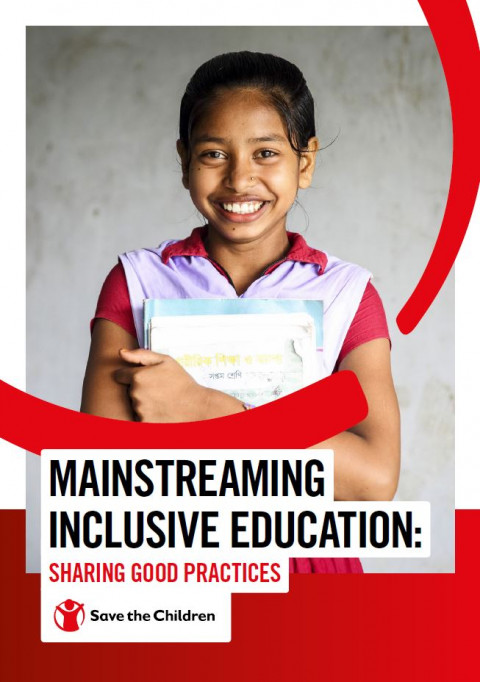 Mainstreaming Inclusive Education: Sharing Good Practices Année de publication: 2019 Auteur institutionnel: Save the Children The primary aim of this documentation is to provide a deeper understanding of how projects have applied more inclusive concepts in not only changing the lives of children with disabilities, those living in poverty or children from ethnic minority populations, their families and communities, but in catalysing changes in policies and practices to the education system to benefit all learners.The stories follow a common structure describing the background of the project, a description of an approach that has worked especially well in the project, followed by stakeholder and partner engagement, participation of children, key milestones and significant challenges, scalability and sustainability, recommendations for replication and contact links for project tools and materials. A selection of practical tools and models have been attached as annexes.
  Promoting inclusive teacher education: curriculum Année de publication: 2013 Auteur: Ian Kaplan | Ingrid Lewis Auteur institutionnel: UNESCO Bangkok ‘Promoting Inclusive Teacher Education’ is a series of five advocacy guides. The guides discuss challenges and barriers to inclusive education in different areas of teacher education and offer related strategies and solutions for effective advocacy towards more inclusive practices. The series begins with this introductory guide. It provides an overview of inclusive teacher education and of what advocacy means in this context. It also provides an introduction to the topics covered in the four other guides in the series. These are ‘Policy’, ‘Curriculum’, ‘Materials’, and ‘Methodology’.Advocacy Guide 3: Curriculum – changing the overall organization and sequencing of teacher education. Curriculum refers to the overall courses of study at pre-service teacher education institutions. A curriculum is a way of organizing and sequencing learning experiences with the aim of achieving specified learning outcomes. It guides what will be learned, and why, and how this learning is facilitated. The curriculum reflects connections between society, politics and schools/teachers, so the development of inclusive curricula reflects 2 ADVOCACY GUIDE 1 3 a desire to develop an equitable, non-discriminatory society1 through attention to the overall structuring of teaching and learning within teacher education.