
Ressources
Explorez une large gamme de ressources sur le GCED afin d’approfondir votre compréhension et de renforcer vos activités de recherche, de plaidoyer, d’enseignement et d’apprentissage.
5 résultats trouvés
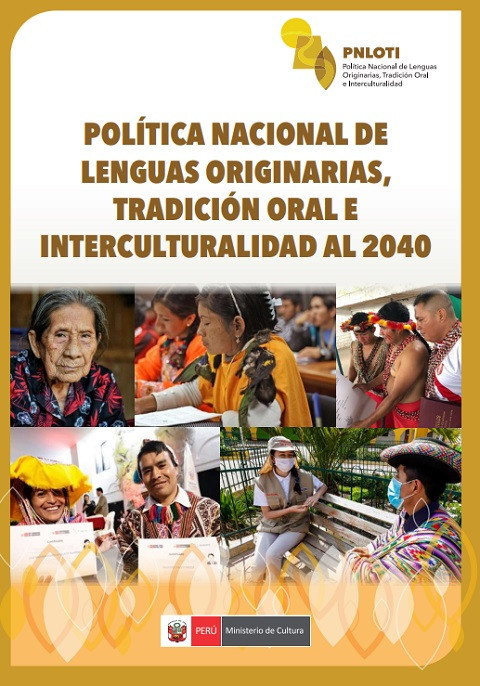 National Policy on Native Languages, Oral Tradition and Interculturality by 2040 Année de publication: 2021 Auteur institutionnel: Ministry of Culture of Peru The Ministry of Culture, in coordination with the different sectors of the State, has carried out the process of updating the National Policy on Native Languages, Oral Tradition and Interculturality by 2040 (PNLOTI), which will be the main instrument of guidance and attention in subject of indigenous languages. Seeking to guarantee the participation of citizens in public decisions, the Ministry of Culture makes the PNLOTI proposal for 2040 available to them, with the aim that they can access it and learn about the 41 services declared in charge of the different sectors. In this way, the PNLOTI ensures the full exercise of the linguistic rights of the more than 4 million citizens who speak one of the 48 indigenous or native languages of the country. Política nacional de lenguas originarias, tradición oral e interculturalidad al 2040 Année de publication: 2021 Auteur institutionnel: Ministry of Culture of Peru El Ministerio de Cultura, en coordinación con los diferentes sectores del Estado, han llevado a cabo el proceso de actualización de la Política Nacional de Lenguas Originarias, Tradición Oral e Interculturalidad al 2040 (PNLOTI), que será el principal instrumento de orientación y atención en materia de lenguas indígenas. Buscando garantizar la participación de la ciudadanía en las decisiones públicas, el Ministerio de Cultura pone a su disposición la propuesta de la PNLOTI al 2040, con el objetivo de que puedan acceder a él y conocer los 41 servicios declarados a cargo de los diferentes sectores. De esta manera, la PNLOTI asegura el ejercicio pleno de los derechos lingüísticos de los más de 4 millones de ciudadanos y ciudadanas hablantes de alguna de las 48 lenguas indígenas u originarias del país.
  Indigenous Languages: One Year After the Launch of the Decade by UNESCO Année de publication: 2024 Auteur institutionnel: Radio France International (RFI) One year on from the launch of the great cause dedicated to protecting the world's indigenous languages: what action has been taken? Are some languages more endangered than others? Langues autochtones : Un an après le lancement de la décennie par l'UNESCO Année de publication: 2024 Auteur institutionnel: Radio France International (RFI) Un an après le lancement de la grande cause dédiée à la protection des langues autochtones dans le monde : quelles actions ont été mises en place ? Certaines langues sont-elles plus menacées que d’autres ?
 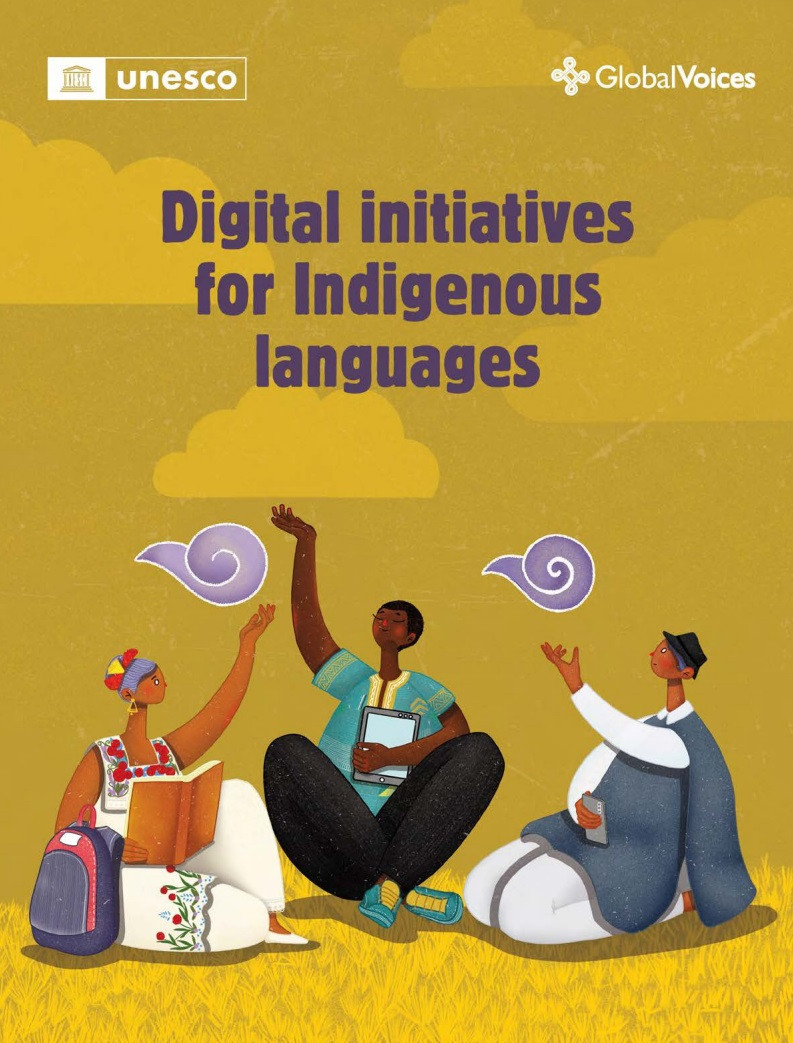 Digital initiatives for indigenous languages Année de publication: 2023 Auteur: Genner Llanes-Ortiz Auteur institutionnel: UNESCO | Global Voices (Amsterdam) <Short summary> Supported by UNESCO and Global Voices’ Rising Voices (RV), this toolkit extends the efforts of dedicated Indigenous digital practitioners. It illustrates how internet and other digital tools can be utilized to conserve, revive, and promote Indigenous languages, as well as other marginalized or minority languages.This toolkit has been co-designed in close partnership with both established and emerging networks of Indigenous digital practitioners, language advocates, and collaborators, within the framework of the International Decade of Indigenous Languages 2022-2032. The toolkit promotes the foundation of language preservation, revival, and promotion on eight key approaches:Facilitating, Multiplying, Normalizing, Educating, Reclaiming, Imagining, Defending and Protecting. It also offers a curated list of valuable resources, including guides, tutorials, and manuals for utilizing digital tools. In conjunction with the advisory group established for the toolkit’s preparation and other collaborating organizations, it presents a wealth of inspiring stories showcasing innovative projects that have made a significant impact on languages at local, national, or global levels.Finally, the toolkit is openly licensed as an Open Educational Resource. It is expected that the toolkit will continue to evolve and grow as the needs of language users and digital language defenders and promoters change alongside the introduction of new technological solutions, innovation and creativity.