
Ressources
Explorez une large gamme de ressources sur le GCED afin d’approfondir votre compréhension et de renforcer vos activités de recherche, de plaidoyer, d’enseignement et d’apprentissage.
14 résultats trouvés
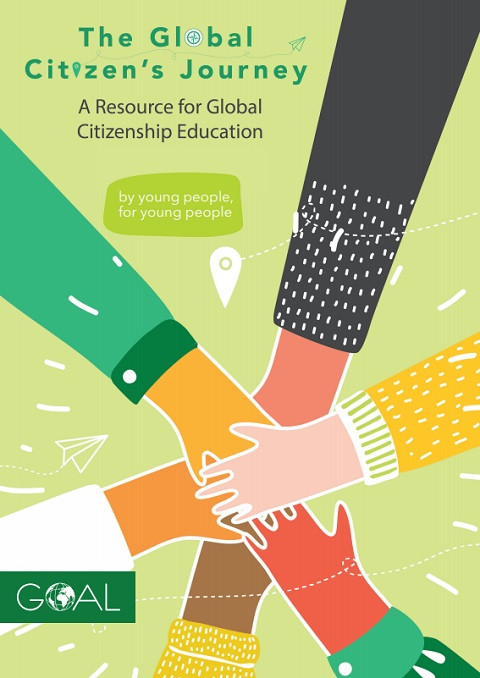 The Global Citizen's Journey: A Resource for Global Citizenship Education Année de publication: 2021 Auteur institutionnel: GOAL Global This resource for Global Citizenship Education is designed by our Global Youth Programme for educators and leaders of 14–18-year-olds all over the world. Centring on the themes of interconnectedness, development, power and inequality this free, downloadable booklet of activities encourages critical thinking, reflection, and empower the pursuit of positive change.To find out more, watch our introductory video here.
 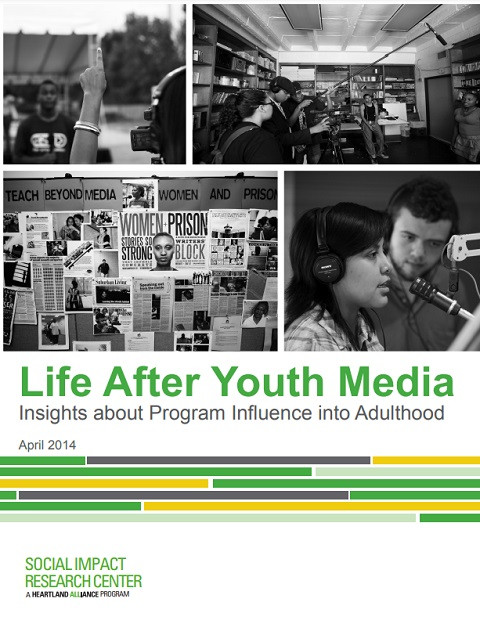 Life After Youth Media: Insights About Program Influence Into Adulthood Année de publication: 2014 Auteur: Suniya Farooqui | Amy Terpstra Auteur institutionnel: Social IMPACT Research Center * Do the skills, attitudes, and behaviors imparted in youth programs "stick" into adulthood? * If they do, how do they manifest in career, education, and life decisions? * How do the skills, attitudes, and behaviors that youth programs try to impart differ based on program intensity or levels of engagement? * Do these elements look different for people who went through youth media programs versus people who went through other types of youth programs? These are common questions that youth program providers, funders, public officials, and other leading thinkers regularly wrestle with. This report tells the story of a group in Chicago committed to providing quality youth media programming in the city and how, through a collective evaluation, they were able to begin to answer these critical questions.
  Engaging Girls, Boys and Youth as Active Citizens: Plan International’s Position Paper Année de publication: 2020 Auteur institutionnel: Plan International Plan International believes that every child and young person has the right to express their views freely and safely; influence decisions and take action on issues that matter to them. However, around the world children and young people – particularly girls and young women – face significant challenges in realising this right. They tend to be wrongly dismissed as insufficiently mature to participate in political and civic processes. They also tend to be stigmatised as potential perpetrators of disruption, not as valued citizens and contributors to society who can lead and drive positive change. Plan International is calling for a paradigm shift in the way the international community talks about, engages and partners with children and young people. Children and young people are not just the future. They are the present. Young people constitute almost half of the world’s population, yet they are dramatically underrepresented – even excluded – in political decision-making. It is critical that their views and needs are taken into account politically, socially, legally and economically. Promoting the voices and views of children and young people – especially girls and women – in all their diversity and supporting them to actively engage in decision-making on issues that affect their lives must be an urgent priority for the world’s power holders. Realising children and young people’s civil and political rights is a prerequisite for building sustainable and peaceful societies, and a gender just world envisioned in international human rights frameworks and the 2030 Agenda’s Sustainable Development Goals (SGDs).Across the 75+ countries Plan International works in, young people have consistently identified the denial of their political and civil rights as a priority issue. In March 2017, Plan International conducted consultations with young women and men aged 14 to 30 from 14 countries. In every country, young people reported a sense of “citizen responsibility” and an interest in public life, yet identified the lack of platforms to meaningfully engage with decision-makers and inability to ensure their opinions are taken seriously as key barriers. Girls and young women in particular have called for the removal of gendered norms that increase those barriers, silence their voices and disproportionately hold them back from leadership and active citizenship. Impliquer les filles, garçons et jeunes en tant que citoyens actifs : Prise de position de Plan International Année de publication: 2020 Auteur institutionnel: Plan International Ce rapport expose la position de Plan International sur le droit à la participation à la vie publique, ainsi qu’une analyse : du cadre juridique et politique ; de l’impact des normes sociales et genrées sur la participation ; et des problèmes spécifiques relatifs à l’émancipation politique et à la citoyenneté active. Ce rapport appuie 100 Millions de Raisons, la Stratégie Mondiale 2017-2022 de Plan International, dont la priorité principale est le soutien des filles, des garçons et des jeunes en tant qu’acteurs actifs du changement. Il défend notre travail en relation avec l’Agenda 2030 et les Objectifs de Développement Durable – plus spécifiquement les objectifs 5, 10 et 16. Un certain nombre de recommandations importantes sont incluses afin de guider le plaidoyer. Involucrar a niñas, niños y jóvenes como ciudadanos activos: Documento de Posición de Plan International Année de publication: 2020 Auteur institutionnel: Plan International En este documento se expone la posición de Plan International sobre el derecho a participar en la vida pública, así como el análisis del marco jurídico y político; las repercusiones de las normas sociales y de género en la participación; y aspectos específicos relacionados con el empoderamiento político y la ciudadanía activa. Este instrumento apunta a 100 Millones de Razones, la Estrategia Global de Plan International 2017-2022, que define como prioridad apoyar a las niñas, los niños y las/los jóvenes como motores del cambio. También apoya nuestra labor en relación con la Agenda 2030 y los Objetivos de Desarrollo Sostenible, en particular los Objetivos 5, 10 y 16. Para orientar las actividades de incidencia se incluyen varias recomendaciones de alto nivel.
 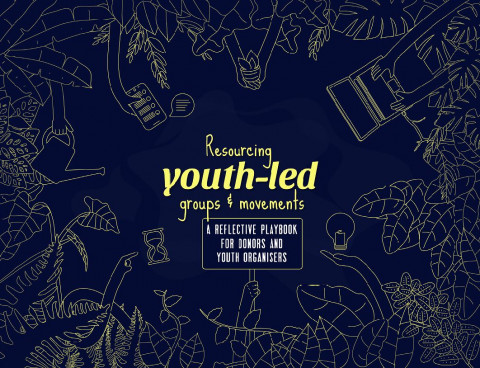 Resourcing Youth-led Groups & Movements: A Reflective Playbook for Donors and Youth Organisers Année de publication: 2020 Auteur: Gioel Gioacchino Auteur institutionnel: CIVICUS | Recrear International Are you part of a youth-led social movement and looking for ideas about how to resource your work? Or a donor, philanthropist, or institution championing youth power? If so - this space is for you! Here you will find tools, connections, and new ideas for both youth activists and their allies.This Resourcing Youth-led Groups and Movements playbook resulted from a year of research. We listened to what activists, donors, youth allies and other enabling organisation said about realities, trends and potential solutions for mobilising funding and non-financial resources for young activists, especially in the global south.Read or listen to the stories of Lebo, Amanda, Dumsio, Priscilla, Elena, Christian, and Bonnie, as they share their experiences and challenges sustaining their work, echoed by young leaders across Latin America and Africa. You will find creative exercises you can use, that invite youth and donors to rethink worldviews and principles around resourcing civil society in the 21st century. Obteniendo recursos para grupos y movimientos liderados por jóvenes: Guía de reflexión y prácticas para donantes y organizadores juveniles Année de publication: 2020 Auteur: Gioel Gioacchino Auteur institutionnel: CIVICUS | Recrear International Vous faites partie d'un mouvement social dirigé par des jeunes et vous cherchez des idées sur la façon de financer votre travail ? Ou bien un donateur, un philanthrope ou une institution qui défend le pouvoir des jeunes ? Si c'est le cas, cet espace est fait pour vous ! Vous y trouverez des outils, des liens et de nouvelles idées, tant pour les jeunes militants que pour leurs partenaires.Ce guide sur les ressources des groupes et mouvements de jeunes est le résultat d'une année de recherche. Nous avons écouté ce que des militants, des donateurs, des représentants de la jeunesse et d'autres organisations facilitatrices ont dit sur les réalités, les tendances et les solutions possibles pour mobiliser des fonds et des ressources non financières pour les jeunes militants, en particulier dans le Sud.Lisez les histoires de Lebo, Amanda, Dumiso, Priscilla, Elena, Christian et Bonnie, qui partagent leurs expériences et les défis qu'ils rencontrent dans leur travail, et dont les jeunes leaders d'Amérique latine et d'Afrique se font les porte-parole. Vous trouverez des exercices créatifs que vous pourrez utiliser, qui invitent les jeunes et les donateurs à repenser les visions du monde et les principes relatifs au financement de la société civile au 21ème siècle. L’accès aux ressources pour les groupes et mouvements dirigés par les jeunes: Un guide de réflexion destiné aux donateurs et membres d’organisations de jeunes Année de publication: 2020 Auteur: Gioel Gioacchino Auteur institutionnel: CIVICUS | Recrear International Vous faites partie d'un mouvement social dirigé par des jeunes et vous cherchez des idées sur la façon de financer votre travail ? Ou bien un donateur, un philanthrope ou une institution qui défend le pouvoir des jeunes ? Si c'est le cas, cet espace est fait pour vous ! Vous y trouverez des outils, des liens et de nouvelles idées, tant pour les jeunes militants que pour leurs partenaires.Ce guide sur les ressources des groupes et mouvements de jeunes est le résultat d'une année de recherche. Nous avons écouté ce que des militants, des donateurs, des représentants de la jeunesse et d'autres organisations facilitatrices ont dit sur les réalités, les tendances et les solutions possibles pour mobiliser des fonds et des ressources non financières pour les jeunes militants, en particulier dans le Sud.Lisez les histoires de Lebo, Amanda, Dumiso, Priscilla, Elena, Christian et Bonnie, qui partagent leurs expériences et les défis qu'ils rencontrent dans leur travail, et dont les jeunes leaders d'Amérique latine et d'Afrique se font les porte-parole. Vous trouverez des exercices créatifs que vous pourrez utiliser, qui invitent les jeunes et les donateurs à repenser les visions du monde et les principes relatifs au financement de la société civile au 21ème siècle.
  UNESCO 2018 Asia-Pacific Youth Evaluation Report Année de publication: 2020 Auteur: Rebecca Barr | Sue Vize Auteur institutionnel: UNESCO Bangkok In March 2019 UNESCO conducted the first ever “youth evaluation” of the youth programmes implemented during 2018. This evaluation is a pilot for integrating youth-led evaluation as part of UNESCO’s programming cycle as part of our commitment to meaningfully engaging with youth.This evaluation was developed by UNESCO staff in partnership with youth who have been involved in UNESCO’s work in a variety of ways. It consists of three parts: an online survey, focus group discussions and stories written by young people about their experiences being part of a UNESCO project.
  Education 21st Century Children: Emotional Well-being in the Digital Age (Educational Research and Innovation) Année de publication: 2019 Auteur institutionnel: Organisation for Economic Co-operation and Development (OECD) This report examines modern childhood, looking specifically at the intersection between emotional well-being and new technologies. It explores how parenting and friendships have changed in the digital age. It examines children as digital citizens, and how best to take advantage of online opportunities while minimising the risks. The volume ends with a look at how to foster digital literacy and resilience, highlighting the role of partnerships, policy and protection.