
Ressources
Explorez une large gamme de ressources sur le GCED afin d’approfondir votre compréhension et de renforcer vos activités de recherche, de plaidoyer, d’enseignement et d’apprentissage.
1,330 résultats trouvés
 Educate for Life: The Development of Socio-Emotional Skills and the Role of Teachers Année de publication: 2020 Auteur: Elena Arias Ortiz | Diana Hincapié | Diana Paredes Auteur institutionnel: Inter-American Development Bank This technical note presents a diagnosis on the incorporation of socio-emotional skills in 12 countries in Latin America and the Caribbean, and the training that teachers receive to develop these skills in students. Although progress has been made, we highlight the main challenges that must be faced to develop socio-emotional skills.
  Aboriginal Worldviews and Perspectives in the Classroom: Moving Forward Année de publication: 2015 Auteur institutionnel: Province of British Columbia This resource presents how the BC Ministry of Education is embedding Aboriginal perspectives into all parts of the curriculum in a meaningful and authentic manner. It will also help educators to move ahead with transformative practice in relation to Aboriginal education. Visions du monde et perspectives autochtones dans la salle de classe : Aller de l’avant Année de publication: 2015 Auteur institutionnel: Province of British Columbia Cette ressource présente comment le Ministère de l’Éducation de la Colombie-Britannique se propose d’intégrer, de manière significative et authentique, des perspectives autochtones à toutes les parties du programme d’études. Cela aidera également les éducateurs à essayer des pratiques transformatrices en matière d’éducation autochtone.
  2020 교육(누리)과정 연계 다문화교육 수업 도움자료: 다문화감수성 제고를 위한 세계시민 교수·학습 자료; 유치원(만3~5세) Année de publication: 2020 Auteur: 유준호 Auteur institutionnel: 국가평생교육진흥원 본 자료는 다문화교육 연구학교의 연차별 연구 과제 수행의 결과로 마련된 수업모델을 토대로 개발되었으며, 학교급별 교육과정과 연계한 다문화이해교육 및 세계시민교육 주제의 교수ㆍ학습과정안으로 구성되어 있다.
  International Principles of Practice for Educators Année de publication: 2020 Auteur institutionnel: Childhood Education International This document is a unique tool for educators that outlines how universally accepted beliefs about education can guide them in their work to help young people reach their full potential. By emphasizing the responsibilities and challenges that educators around the world share, it also helps to inspire them as members of a professional community that has inestimable value for promoting positive transformation.
 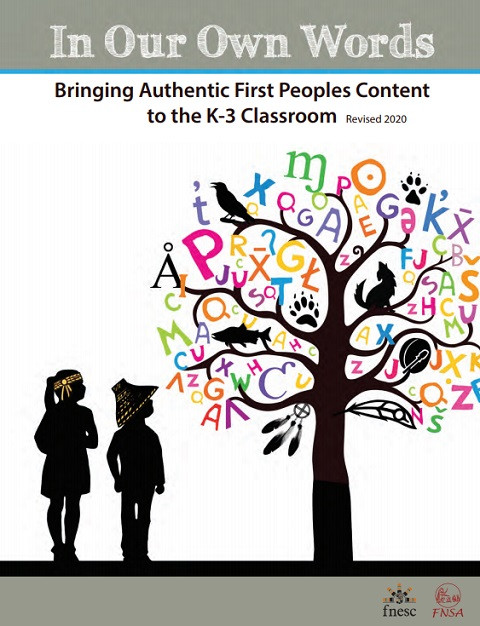 In Our Own Words: Bringing Authentic First Peoples Content to the K-3 Classroom Année de publication: 2020 Auteur: Jo Chrona | Heather Froste | Nadine McSpadden | Trena Lynn Sutton | Heidi Wood Auteur institutionnel: First Nations Education Steering Committee (FNESC) | First Nations Schools Association (FNSA) This teacher resource guide has been developed to offer teachers information and guidance about how to incorporate authentic First Peoples materials into their instruction and assessment practices. Inside, you will find lesson plans, curriculum connections, assessment resources and suggested texts.
 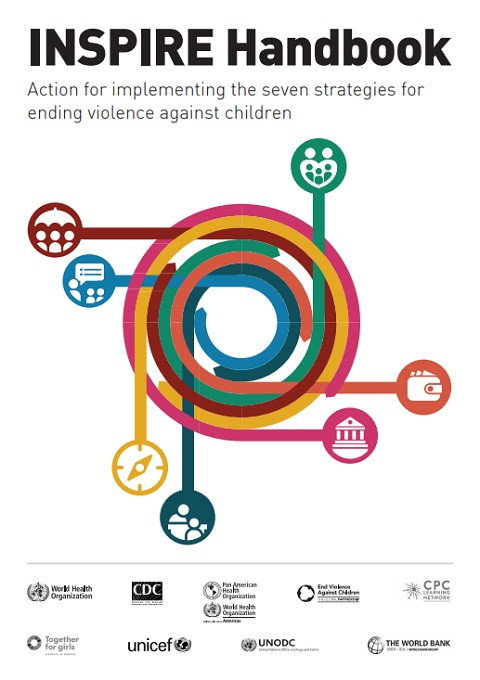 INSPIRE Handbook: Action for Implementing the Seven Strategies for Ending Violence Against Children Année de publication: 2018 Auteur institutionnel: World Health Organization (WHO) This handbook explains in detail how to choose and implement interventions that will fit your needs and context. The seven strategy-specific chapters address the Implementation and enforcement of laws; Norms and values; Safe environments; Parent and caregiver support; Income and economic strengthening; Response and support services; and Education and life skills. The handbook concludes with a summary of INSPIRE’s implementation and impact indicators, drawn from the companion INSPIRE indicator guidance and results framework. Manual INSPIRE: Medidas destinadas a implementar las siete estrategias para poner fin a la violencia contra los niños Année de publication: 2018 Auteur institutionnel: World Health Organization (WHO) El Manual INSPIRE: Medidas destinadas a implementar las siete estrategias para poner fin a la violencia contra los niños (en adelante denominado el Manual INSPIRE) se explica en él cómo escoger y llevar a cabo intervenciones acordes con sus necesidades y su entorno. Tras una exposición de carácter general, en los capítulos sucesivos se aborda cada una de las siete estrategias, a saber: Implementación y vigilancia del cumplimiento de las leyes; Normas y valores; Seguridad en el entorno; Padres, madres y cuidadores reciben apoyo; Ingresos y fortalecimiento económico; Respuesta de los servicios de atención y apoyo; y Educación y aptitudes para la vida. El manual concluye con un resumen de los indicadores de ejecución e impacto de INSPIRE, tomados de la publicación conexa INSPIRE Indicator guidance and results framework (Orientación sobre indicadores y marco de resultados de INSPIRE).
 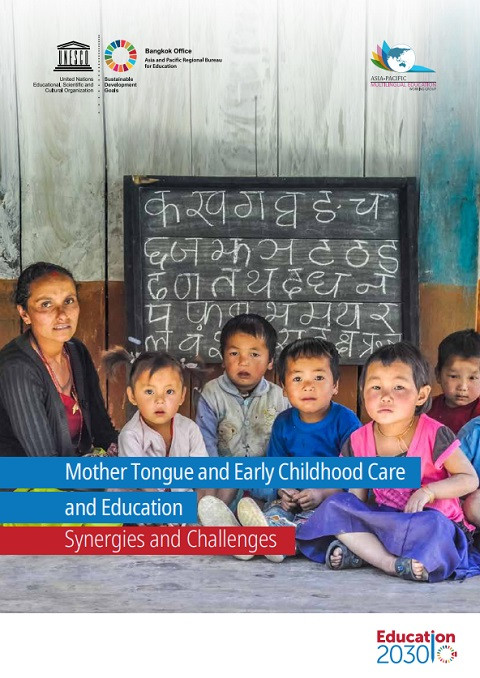 Mother Tongue and Early Childhood Care and Education: Synergies and Challenges Année de publication: 2020 Auteur: Sheldon F. Shaeffer Auteur institutionnel: UNESCO Bangkok Evidence tells us that learning first in one’s MT leads to better outcomes in the future – for individuals, cultures, and nations. But MT is used rarely in ECCE programmes and the early grades of primary school so that many children are forced to learn in a language they poorly understand, and in an environment which neglects and even represses their cultural identity and the language which “carries” it. Evidence also tells us that good quality ECCE programmes enhance the well-being of young children. But many governments spend few resources on ECCE and put very little effort into creating a developmentally and linguistically appropriate curriculum and pedagogy for young pre-school children. The challenge is that while the most disadvantaged children benefit the most from ECCE programmes, these children participate in them the least. Thus, for both cultural and educational reasons, and as a child’s right, ECCE and initial literacy should be provided in a child’s MT, and actions can be taken at both macro- and micro-levels to ensure that this is achieved. In other words, the long and often difficult process of revitalising, maintaining, and further developing endangered languages of indigenous peoples must begin first in families and communities – but then must continue into ECCE programmes and into the wider education system. Without this, indigenous, minority languages and cultures will never thrive – and many will not survive.
 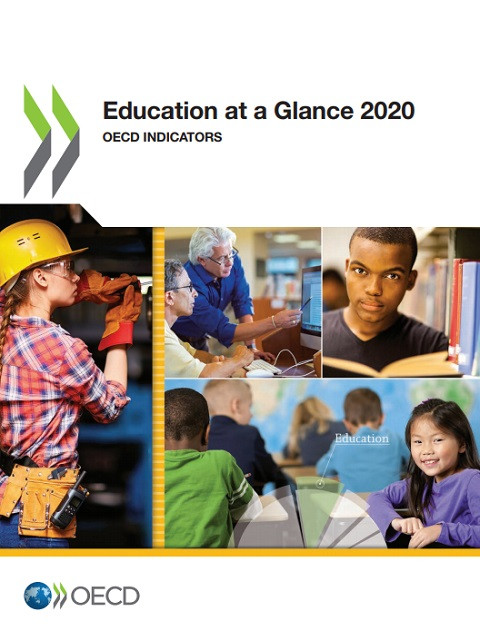 Education at a Glance 2020: OECD Indicators Année de publication: 2020 Auteur institutionnel: Organisation for Economic Co-operation and Development (OECD) Education at a Glance is the authoritative source for information on the state of education around the world. It provides data on the structure, finances and performance of education systems across OECD countries and a number of partner economies. More than 100 charts and tables in this publication – as well as links to much more available on the educational database – provide key information on the output of educational institutions; the impact of learning across countries; access, participation and progression in education; the financial resources invested in education; and teachers, the learning environment and the organisation of schools.The 2020 edition includes a focus on vocational education and training, investigating participation in vocational education and training at various levels of education, the labour market and social outcomes of vocational graduates as well as the human and financial resources invested in vocational institutions. Two new indicators on how vocational education and training systems differ around the world and on upper secondary completion rate complement this topic. A specific chapter is dedicated to the Sustainable Development Goal 4, and investigates the quality and participation in secondary education.