
Ressources
Explorez une large gamme de ressources sur le GCED afin d’approfondir votre compréhension et de renforcer vos activités de recherche, de plaidoyer, d’enseignement et d’apprentissage.
3,182 résultats trouvés
 코로나19와 교육: 교사전문성에 주는 시사점 Année de publication: 2020 Auteur: 조윤정 | 박휴용 Auteur institutionnel: 경기도교육연구원 코로나19는 우리 삶의 양태를 근본적으로 변화시키는 전환점이 되면서 교육적 위기와 사회적 위기를 빚어내고 있음. 교육에 있어서는 배움의 지체와 교육격차 현상이 심화되고 있으며, 코로나로 인해 자연과 자본 간 모순과 성장의 한계를 인식하게 되면서 생태의 중요성에 대해 눈을 뜨게 되었다. 또한 개인주의나 혐오와 차별이 횡행하고 국수주의로 회귀하는 현상이 나타나면서 인류는 고립과 연대 사이의 갈림길에 서 있다.코로나19는 우리가 당연시하였던 가치와 생활양식에 대해 성찰하는 계기로 작용하면서 우리에게 3가지 질문을 던져주고 있다. 첫째, 우리가 바라는 교육의 모습은 무엇인가? 둘째, 인간을 둘러싼 자연과 환경, 생태계와 어떻게 관계를 맺을 것인가? 셋째, 우리는 온라인 세상과 오프라인 세상에서 어떤 시민으로 살아가야 할 것인가?이 연구에서는 이상의 3가지 질문을 중심으로 포스트코로나 시대 학교교육의 방향과 교사전문성에 대해 고찰하였다. 첫째 우리가 바라는 교육의 모습은 배움과 성장의 지속성 확보이며, 이를 위해서 학습자 주도성을 살리는 교육, 학습동기를 높이고 상호작용과 소통을 강화하는 교육, 협력을 촉진하는 교육, 기초학력을 강화하고 교육격차를 완화하는 교육을 실천해야 한다. 둘째, 인간을 둘러싼 자연과 환경, 생태계와 어떻게 관계를 맺을 것인가?에 대해서는 생태적 전환을 실천하는 교육을 통해 인간과 생태계, 즉 모든 존재가 상호 창조하는 관계가 되어야 한다. 이를 위해서 교육자체가 생태적 전환이 되어야 하며, 학교를 생태적 전환의 리빙랩으로 전환하여야 하고, 지역사회를 순환경제로 전환하여야 하며 학교가 전환의 구심점이 되어야 한다. 셋째, 온라인 세상과 오프라인 세상에서 디지털 시민과 세계시민으로 살아가야 하며 이를 위해서 디지털 미디어 리터러시와 디지털 시민성을 키우는 교육, 범주 확장 교육, 글로벌 연대와 협력을 지향하는 세계시민교육을 실천해야 할 것이다.
 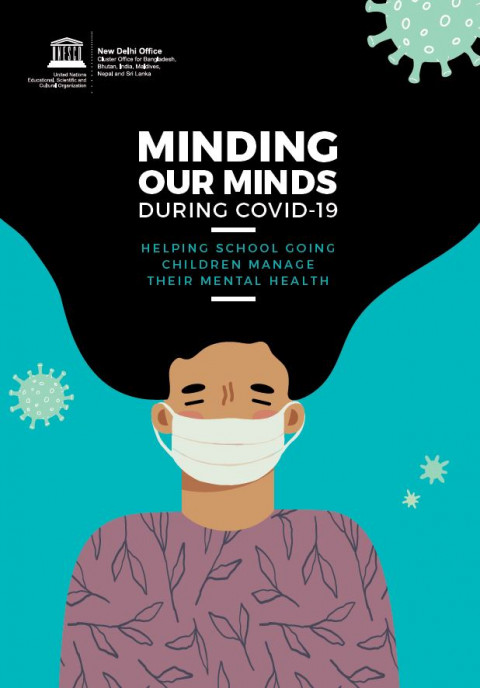 Minding Our Minds during COVID-19: Helping School Going Children Manage Their Mental Health Année de publication: 2020 Auteur: Huma Masood | Cynthia Saxena Auteur institutionnel: UNESCO New Delhi This guide provides an outline of how teachers and parents can address the issue of mental health amongst students. The sections in this guide cover basic information about coronavirus, explanation of anxiety in school going children, as well as ways by which students can take care of their mental health during this crisis. The sub-sections of the guide comprise guidelines outlining the duties and responsibilities that teachers and parents/ caregivers must follow to ensure students’ mental health is not negatively impacted by the COVID-19 pandemic. Additionally, sub-sections of the guide provide activities and exercises that teachers and parents can utilize to engage children with to ensure their wellbeing during these difficult times.
  Research on Civic Literacy Assessment Tools for Primary and Middle School Students (Journal of Shanghai Educational Research; No. 7) Année de publication: 2018 Auteur: Qin Jianping | Zhanf Hui | Chen Feipeng Auteur institutionnel: General Education Research Institute | Shanghai Academy of Educational Sciences Civic literacy is highly valued by international organizations and countries all over the world. China’s Ministry of Education has taken civic literacy as a key indicator for the comprehensive evaluation of the quality of primary and secondary education. Based on citizen, civic literacy connotation, civic education objective content, and common factors of civic literacy test, the dimensional structure hypothesis of civic literacy assessment for primary and middle school students was proposed, and the hypothesis was tested and corrected by using structural equation model, and the civic literacy test for primary and middle school students was developed. The reliability and validity meet the requirements of measurement and have a broad application prospect.
 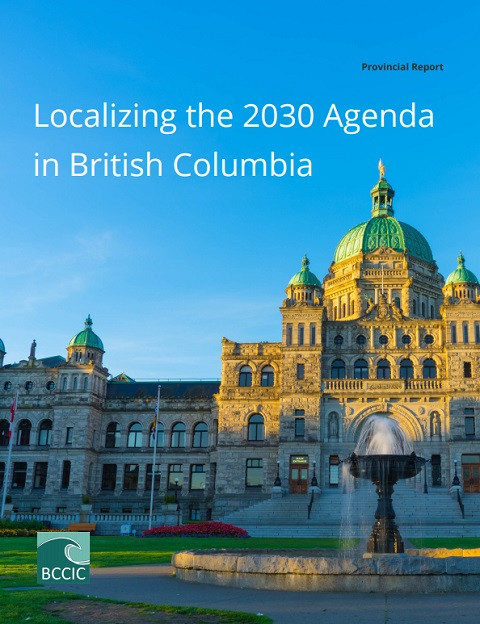 Localizing the 2030 Agenda in British Columbia Année de publication: 2020 Auteur: Zosa De Sas Kropiwnicki-Gruber | Dan Harris Auteur institutionnel: British Columbia Council for International Cooperation (BCCIC) This report details a British Columbian civil society response to the Government of Canada’s current interim national Sustainable Development Goals strategy. The report provides feedback on the interim strategy and Canada’s engagement with the United Nations Sustainable Development Goals (SDGs) including recommendations linked to the interim strategy’s key actions. At this time it represents the only provincial scale civil society consultation on the strategy in Canada. The report begins by introducing the origin of the interim national SDG strategy and the rationale for holding the consultation. While the following section on “What we heard” captures common themes on how to improve the strategy and Canada’s engagement with the SDGs, the report then concludes with recommendations synthesized from these suggestions on the ways in which we can strengthen and enact the interim national SDG strategy.
 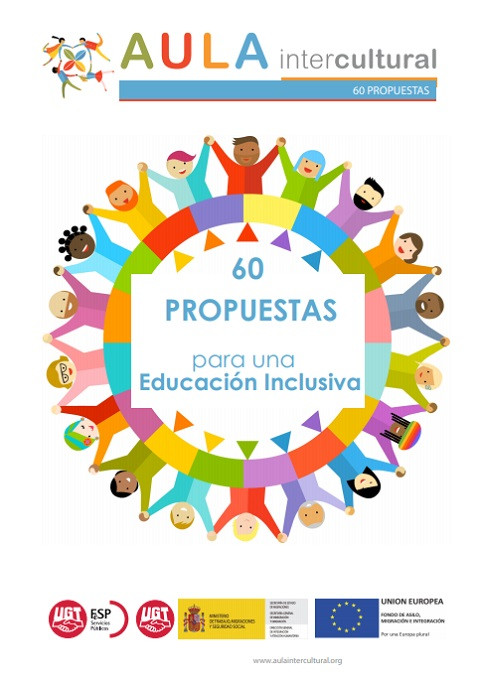 60 Proposals for Inclusive Education Année de publication: 2019 Auteur institutionnel: Secretaría de Mujer y Políticas Sociales FeSP UGT | European Union (EU) This publication presents 60 ideas for achieving an inclusive education. Although the concept has traditionally been associated with an educational response that integrates children with special abilities into schools; The term is broader, and refers to a progressive transformation of educational systems aimed at achieving a quality education that guarantees all students access to culture and provides them with basic training and education in equality and adapted to diversity that we are in the classrooms. 60 Propuestas para una educación inclusiva Année de publication: 2019 Auteur institutionnel: Secretaría de Mujer y Políticas Sociales FeSP UGT | European Union (EU) Esta publicación presenta 60 ideas para lograr una educación inclusiva. Aunque el concepto se ha asociado tradicionalmente a una respuesta educativa que integre en las escuelas a los niños y niñas con capacidades especiales; el término es más amplio, y hace referencia a una transformación progresiva de los sistemas educativos orientada a lograr una educación de calidad que garantice a todo el alumnado el acceso a la cultura y les proporcione una capacitación y formación básica en igualdad y adaptada a la diversidad que somos en las aulas.
  Claudio Keeps Calm Année de publication: 2020 Auteur institutionnel: Aulas en Paz This animation presents the story of Claudio and how he managed to stay calm in the face of a conflict situation. It is part of the tools of the Aulas en Paz program for the socio-emotional development of boys and girls. Claudio mantiene la calma Année de publication: 2020 Auteur institutionnel: Aulas en Paz Esta animación presenta la historia de Claudio y como logró mantener la calma frente a una situación de conflicto. Hace parte de las herramientas del programa Aulas en Paz para el desarrollo socioemocional de niños y niñas.
 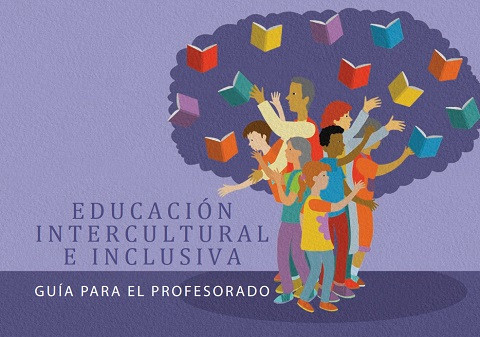 Intercultural and Inclusive Education: Guide for Teachers Année de publication: 2012 Auteur institutionnel: Federación de Trabajadores de la Enseñanza (FETE-UGT) This guide brings together some of the key questions and ideas of intercultural education, the aims of which are comprehensive training, equality and training for coexistence. Educación Intercultural e Inclusiva: Guía para el profesorado Année de publication: 2012 Auteur institutionnel: Federación de Trabajadores de la Enseñanza (FETE-UGT) Esta guía reúne algunas de las preguntas e ideas clave de la educación intercultural, cuyos fines son la formación integral, la igualdad y la formación para la convivencia.