
Ressources
Explorez une large gamme de ressources sur le GCED afin d’approfondir votre compréhension et de renforcer vos activités de recherche, de plaidoyer, d’enseignement et d’apprentissage.
3,182 résultats trouvés
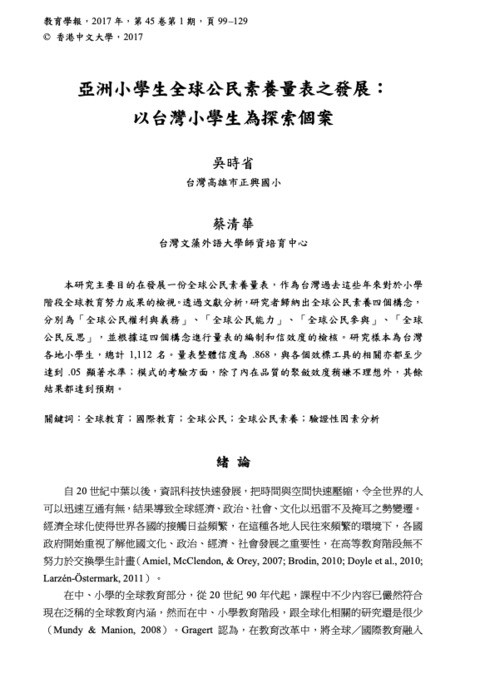 亚洲小学生全球公民素养量表之发展:以台湾小学生为探索个案 (教育学报; Vol.45, No.1) Année de publication: 2017 Auteur: 吴时省 | 蔡清华 本研究主要目的在发展一份全球公民素养量表,作为台湾过去这些年来对于小学阶段全球教育努力成果的检视。透过文献分析,研究者归纳出全球公民素养四个构念,分别为「全球公民权利与义务」、「全球公民能力」、「全球公民参与」、「全球公民反思」,并根据这四个构念进行量表的编制和信效度的检核。研究样本为台湾各地小学生,总计1,112名。量表整体信度为.868,与各个效标工具的相关亦都至少达到.05显着水准;模式的考验方面,除了内在品质的聚敛效度稍嫌不理想外,其余结果都达到预期。
 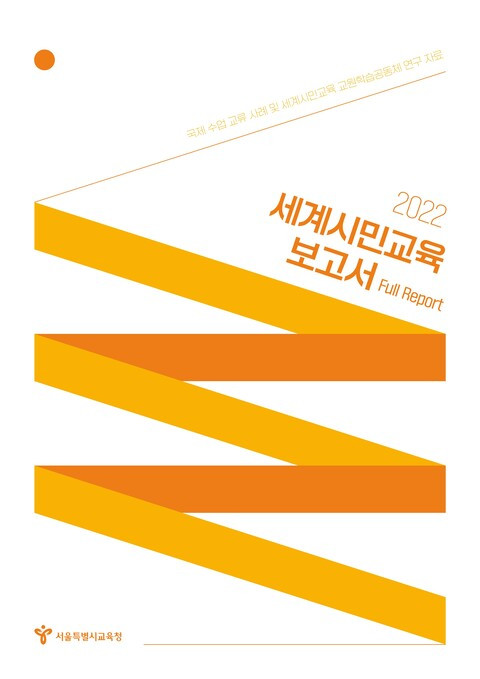 2022 세계시민교육 보고서: 국제 수업 교류 사례 및 세계시민교육 교원학습공동체 연구 자료 Année de publication: 2022 Auteur institutionnel: 서울특별시교육청 2022 세계시민교육 보고서는 크게 두 파트로 나누어 Part.1에서는 국내 12개 초·중·고등학교의 국제 수업 교류 사례와 수업설계, 학습지도안 활동사진 등을 담고 있고 Part. 2에서는 수달스, 더불어 평화 등 5개 세계시민교육 교원학습공동체의 연구 자료를 수록하고 있다.
 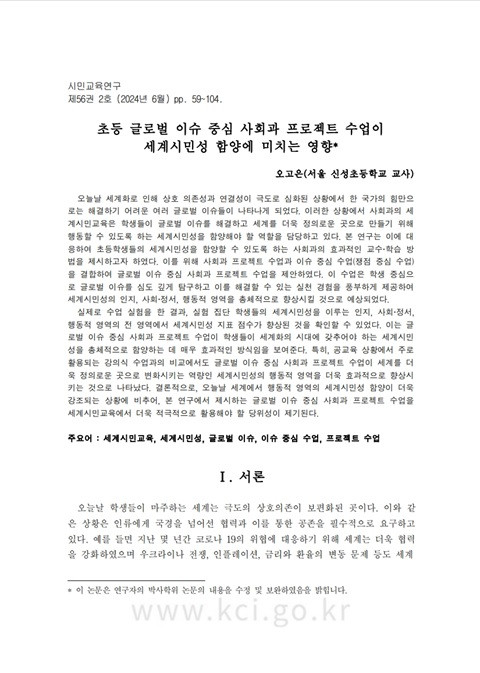 초등 글로벌 이슈 중심 사회과 프로젝트 수업이 세계시민성 함양에 미치는 영향 (시민교육연구; Vol. 56, No. 2) Année de publication: 2024 Auteur: 오고은 Auteur institutionnel: 한국사회과교육학회 오늘날 세계화로 인해 상호 의존성과 연결성이 극도로 심화된 상황에서 한 국가의 힘만으로는 해결하기 어려운 여러 글로벌 이슈들이 나타나게 되었다. 이러한 상황에서 사회과의 세계시민교육은 학생들이 글로벌 이슈를 해결하고 세계를 더욱 정의로운 곳으로 만들기 위해 행동할 수 있도록 하는 세계시민성을 함양해야 할 역할을 담당하고 있다. 본 연구는 이에 대응하여 초등학생들의 세계시민성을 함양할 수 있도록 하는 사회과의 효과적인 교수-학습 방법을 제시하고자 하였다. 이를 위해 사회과 프로젝트 수업과 이슈 중심 수업(쟁점 중심 수업)을 결합하여 글로벌 이슈 중심 사회과 프로젝트 수업을 제안하였다. 이 수업은 학생 중심으로 글로벌 이슈를 심도 깊게 탐구하고 이를 해결할 수 있는 실천 경험을 풍부하게 제공하여 세계시민성의 인지, 사회-정서, 행동적 영역을 총체적으로 향상시킬 것으로 예상되었다. 실제로 수업 실험을 한 결과, 실험 집단 학생들의 세계시민성을 이루는 인지, 사회-정서, 행동적 영역의 전 영역에서 세계시민성 지표 점수가 향상된 것을 확인할 수 있었다. 이는 글로벌 이슈 중심 사회과 프로젝트 수업이 학생들이 세계화의 시대에 갖추어야 하는 세계시민성을 총체적으로 함양하는 데 매우 효과적인 방식임을 보여준다. 특히, 공교육 상황에서 주로 활용되는 강의식 수업과의 비교에서도 글로벌 이슈 중심 사회과 프로젝트 수업이 세계를 더욱 정의로운 곳으로 변화시키는 역량인 세계시민성의 행동적 영역을 더욱 효과적으로 향상시키는 것으로 나타났다. 결론적으로, 오늘날 세계에서 행동적 영역의 세계시민성 함양이 더욱 강조되는 상황에 비추어, 본 연구에서 제시하는 글로벌 이슈 중심 사회과 프로젝트 수업을 세계시민교육에서 더욱 적극적으로 활용해야 할 당위성이 제기된다.
  Teaching Controversial Issues Année de publication: 2006 Auteur institutionnel: Oxfam GB Young people frequently face making decisions about a wide range of issues on which there are many different views. Issues like sexuality, religion, bullying, and war can evoke complicated emotions, both in and out of the classroom.Young people need to develop skills that allow them to discuss and come to their own views about these types of issues. Having a chance to engage with controversial topics in a constructive environment will help young people to develop as global citizens, and teachers have a key role to play in enabling this.This guide explores what controversial issues are, why they should be taught, and includes classroom strategies, existing guidance and practical teaching activities. Teaching Controversial Issues Année de publication: 2006 Auteur institutionnel: Oxfam GB Les jeunes sont souvent confrontés à des prises de décisions dans de nombreux domaines. Des sujets tels que la sexualité, la religion, le harcèlement scolaire et la guerre peuvent susciter des émotions compliquées, que ce soit au sein des salles de classe ou ailleurs.Il est nécessaire que les jeunes développent des compétences leur permettant d’échanger sur ces sujets et de se forger leur propre opinion. Avoir la possibilité d’échanger sur des sujets controversés dans un environnement constructif peut aider les jeunes à devenir des citoyens mondiaux ; les enseignants ont un rôle primordial à jouer dans ce processus.Ce guide s'interroge sur la nature des questions controversées et la nécessité d'en parler ; il comprend des conseils et des activités pratiques d'apprentissage.
 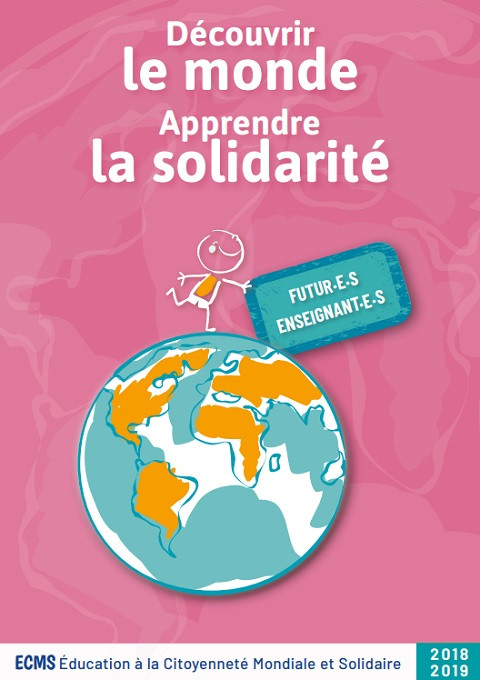 Découvrir le monde, apprendre la solidarité Année de publication: 2018 Auteur institutionnel: UNICEF Belgique | Croix-Rouge Belgique | Îles de Paix | Oxfam | Plan International Belgique Destinée aux futur.e.s enseignant.e.s des Hautes Écoles pédagogiques, la brochure "Découvrir le monde, apprendre la solidarité" a été développée par sept organisations: l’UNICEF Belgique, la Croix-Rouge Belgique, les Îles de Paix, Oxfam magasin du monde, Oxfam solidarités, Quinoa et Plan International Belgique pour aborder l’éducation à la citoyenneté mondiale et solidaire en classe avec les élèves.
  NISSEM Global Briefs (Volume II): Educating for the Social, the Emotional and the Sustainable; Pedagogy, Practice and Materials Année de publication: 2020 Auteur: Andy Smart | Margaret Sinclair Auteur institutionnel: Networking to Integrate SDG Target 4.7 and SEL skills into Educational Materials (NISSEM) The timeframe for achieving the Sustainable Development Goals (SDGs) is tight, and the world also faces the consequences of Covid-19. NISSEM Global Briefs aim to show how SDG Target 4.7 themes and social and emotional learning (SEL) can be embedded in education policies, programs, curricula, materials, and practice, to help make progress towards sustainable development.
 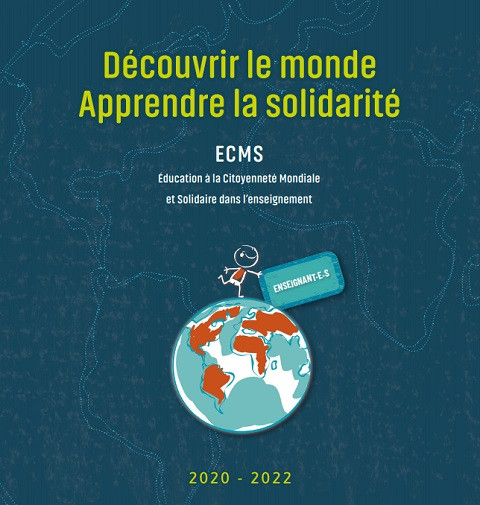 Découvrir le monde, apprendre la solidarité : Éducation à la citoyenneté mondiale et solidaire dans l’enseignement (ECMS) ; 2020-2022 Année de publication: 2020 Auteur institutionnel: Fédération Francophone et Germanophone des Associations de Coopération au Developpement (ACODEV) | Annoncer la Couleur (ALC) | Îles de Paix Cette publication explique ce qu’est l’ECMS et sa plus-value dans la formation de vos élèves, comment s’en emparer dans vos (futures) classes et présente les différents types d’appui que vous pouvez attendre des ONG et d’Annoncer la Couleur.
 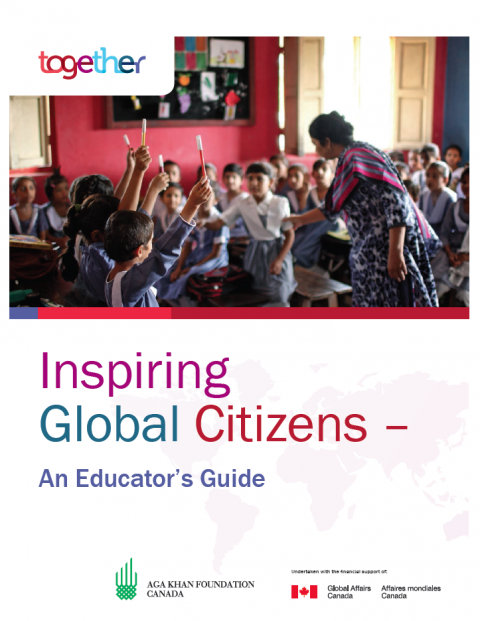 Inspiring Global Citizens - An Educator's Guide Année de publication: 2017 Auteur institutionnel: AGA Khan Foundation Canada This resource is intended for use by teachers of intermediate and secondary school grades to support education about global development and related themes such as global citizenship. The activities included in the resource are designed to assist students in increasing their understanding of the interconnectedness of the world, of the factors contributing to global inequalities, and of some effective and sustainable ways to help reduce global poverty. It is hoped that students will be inspired to take action to make their own contribution to improving lives everywhere.
  Global Citizenship in the Classroom: A guide for teachers Année de publication: 2015 Auteur institutionnel: Oxfam GB A practical and reflective guide full of practical tools and ideas that can be applied to almost any topic to develop learner participation and global learning.