
Ressources
Explorez une large gamme de ressources sur le GCED afin d’approfondir votre compréhension et de renforcer vos activités de recherche, de plaidoyer, d’enseignement et d’apprentissage.
3,530 résultats trouvés
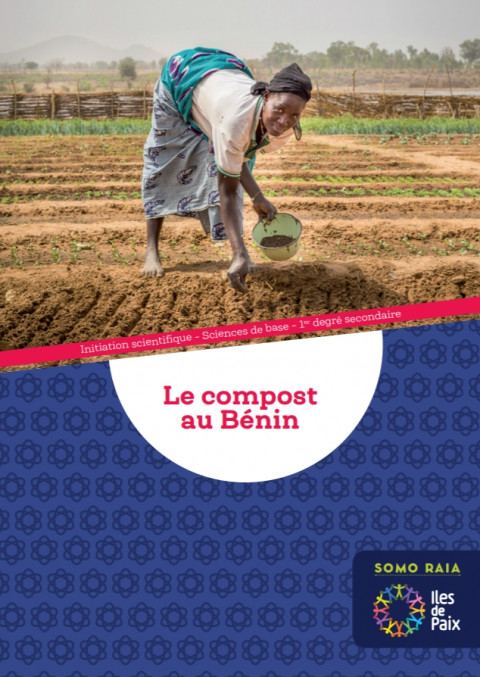 Le compost au Bénin Année de publication: 2018 Auteur institutionnel: Îles de Paix L’objectif de ce dossier est d’amener les élèves à découvrir ce qu’est le recyclage de la matière organique via le compost. En parallèle, ils pourront réfléchir à la manière dont le compost peut être utilisé pour remédier aux problèmes de fertilité des sols dans un pays en voie de développement tel que le Bénin. Au travers des activités, les élèves devront mettre en œuvre des savoir-faire, tels que la réalisation et l’analyse d’expériences, l’analyse de textes et de dessins, la réalisation de classements et de schémas. Une partie documentaire, destinée à l’enseignant, permet d’approfondir la thématique.
 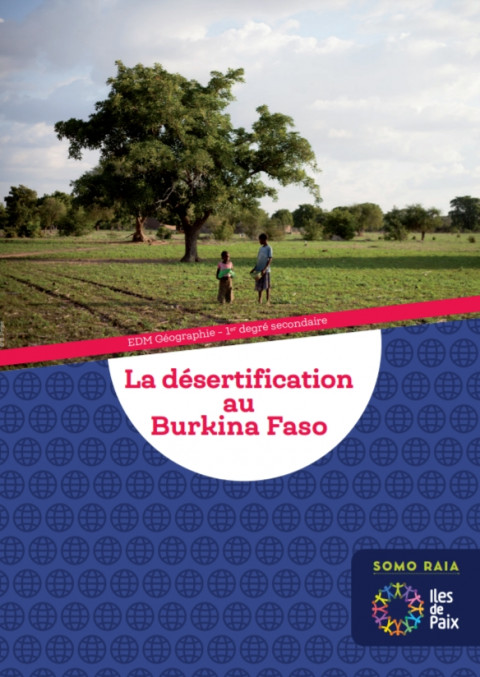 La désertification au Burkina Faso Année de publication: 2019 Auteur institutionnel: Îles de Paix Au Burkina Faso, les changements climatiques contribuent à accentuer le phénomène de désertification et à aggraver les problèmes alimentaires. L’objectif de ce dossier est que les étudiants puissent découvrir ce pays d’Afrique ainsi que les enjeux liés à la désertification. Au travers des activités, les élèves auront la possibilité d’exercer plusieurs compétences via des documents variés : chansons, documents écrits, iconographies, cartes, schémas, etc. Une partie documentaire, destinée à l’enseignant, permet d’approfondir la thématique.
  Language and education in post-Soviet Central Asia Année de publication: 2008 Auteur: Monica Perotto In the article, the author tries to assess the dynamics of the changing role of Russian and the titular languages in the post-Soviet republics of Central Asia with reference to demographic and geopolitical data, as well as to determine the consequences of the language policy pursued in these countries. Язык и образование в постсоветской Центральной Азии Année de publication: 2008 Auteur: Monica Perotto В статье автор пытается дать оценку динамике изменения роли русского и титульных языков в постсоветских республиках Центральной Азии со ссылкой на демографические, геополитические данные, а также определить последствия проводимой в этих странах языковой политики.
  مكافحة التطرف العنيف: كتيب تمهيدي للمفاهيم والبرامج وأفضل الممارسات Année de publication: 2019 Auteur institutionnel: Search for Common Ground ان مجال مكافحة التطرف العنيف يتطور وينمو سريعاً ونحن نتعلم من الممارسة والبحث. لذلك ، فإن هذه التغييرات السريعة جعلت من الصعب على الممارسين والعاملين في هذا المجال في الحكومة أو المجتمع المدني فهم أحدث الممارسات الجيدة والدروس المستفادة.هذا المنهج / الرزمة التدريبية هي محاولة للتغلب على هذه التحديات. لذا تم إعداد هذا المنهج لتدريب العاملين في مجال مكافحة التطرف العنيف في الحكومة والمجتمع المدني ، سواء كانت لديهم خبرة سابقة ام لا. تم تصميمه في عشر وحدات تعليمية مترافقة مع مواد تدريبية بما في ذلك دليل الميسرين ، وعروض الشرائح ، ومنشورات أخرى ، بالإضافة إلى ندوات مسجلة مسبقاً عبر الإنترنت للسماح للراغبين بالحصول على هذا التدريب. هذه المواد تشمل مجموعة من الأنشطة والروابط لمقاطع من الفيديوهات التوضيحية توفر مساحة للمناقشة والتفكير.يقدم هذا المنهاج برنامجًا تدريبيًا في سياق مكافحة التطرف العنيف ورفع الوعي ذات الصلة بسياقك بطريقة يمكن الوصول إليها. فهو يسلط الضوء على فوائد النهج التشاركي التي يتجاوز استخدام التدخل والاستجابة العسكرية في سياق التطرف العنيف، بالارتكاز على الممارسات الجيدة ، ويوفر الأدوات والإرشادات للتكيف بسهولة مع السياق والثقافات المحلية. أخيرًا ، يشجع هذا البرنامج على التحديد والإكتشاف المبكر للمخاطر وتخفيفها، فضلاً عن ضمان اتباع نهج عدم الإضرار.تم إنتاج هذا المنهج التدريبي من قبل منظمة البحث عن أرضية مشتركة بالتعاون مع هداية وبتمويل من قبل الاتحاد الأوروبي من خلال البرنامج العالمي STRIVE. Countering Violent Extremism: An Introductory Guide to Concepts, Programming, and Best Practices Année de publication: 2019 Auteur institutionnel: Search for Common Ground This curriculum aims to update the best practices and experience gained in the process of countering violent extremism. The anti-violent extremism program, adapted for Central Asia, is designed to train civil servants and civil society organizations. This curriculum delivers a contextually literate countering violent extremism and awareness-raising training program that is relevant to your context in an accessible way. It highlights the benefits of collaborative approaches beyond the use of military or securitized responses to violent extremism, drawing on good practices, and offers tools and guidance for easy adaptation to your local context and cultures. Finally, it encourages the early identification and mitigation of risks with programming, as well as ensuring a Do No Harm approach.While this curriculum will offer guidance around how to design, implement, and monitor constructive responses to violent extremism, an understanding of project management is assumed. Therefore, it is not a training program on general project management skills, monitoring and evaluation, or on fundraising.Since the problem of violent extremism is complex and highly context-specific, it is also not a guide to the drivers of violent radicalization in your local context, nor does it proscribe the programs and policies that would be most effective. Instead, it introduces you to the guiding questions and tools necessary to make informed and effective choices in your own efforts to counter violent extremism.
  Creating Global Citizens: The AFS Effect Année de publication: 2019 Auteur institutionnel: AFS Intercultural Programs The AFS global community has countless testimonials of how our alumni, students, volunteers, families, and others are making a positive change in their communities. These stories are a true inspiration and a testament to the important impact our organization is creating worldwide. Our hope is that our exchange students become changemakers through their study abroad experience with significant contributions to the global corporate and non-profit sectors, while benefiting from the intercultural learnings and meaningful connections long after they return home. All AFS participants are active global citizens in the making, representing their countries as cultural ambassadors, each helping drive the AFS mission forward - the mission of building a more just and peaceful world.While the impact of AFS and studying abroad in general have been examined in the past through various research projects, this report is the first large-scale, global survey of the AFS alumni community based on responses from over 10,500 former AFS participants. It aims to explore the effect an AFS experience can have on the lives and careers of our alumni while investigating the impact of secondary school mobility globally. The study also includes real-life examples from our former participants of changes alumni can bring to their local communities thereby furthering the AFS mission worldwide. The results of this global survey demonstrate that AFS alumni are making an impact across industries, working on social causes, and contributing to their home and host countries alike. That is what we call the #AFSEffect.
  INEE Guidance Note on Gender: Equality in and Through Education Année de publication: 2019 Auteur institutionnel: Inter-agency Network for Education in Emergencies (INEE) With the launch of the Global Goals for Sustainable Development (SDGs) in 2015, the international community committed to providing inclusive and equitable quality education for all (SDG4) as well as achieving gender equality and the empowerment of all women and girls (SDG5). The Global Goals also emphasize the need to “leave no one behind” by focusing on those furthest behind first, such as those affected by crisis. In line with this, the Education 2030 Framework for Action stresses the importance of providing education in “safe, supportive and secure learning environments free from violence” and recommends a stronger, better coordinated response to ensure the protective space of education is maintained during crises and subsequent recovery efforts.In response to these global commitments, the INEE Guidance Note on Gender provides strategies to ensure that girls, boys, women, and men in contexts of conflict and crisis equally enjoy the protection and learning outcomes that quality education can provide. It also outlines principles for gender-responsive programming, in alignment with the INEE Minimum Standards for Education in Emergencies. The Guidance Note on Gender shows how attention to gender dynamics and social constraints will result in better education for all crisis-affected populations and help build inclusive, equitable education systems for the future. This guidance note also responds to recent developments in the humanitarian context, including the historic commitment made by G7 partners to quality education for girls in crisis situations. The ensuing Charlevoix Declaration on Quality Education for Girls, Adolescent Girls, and Women in Developing Countries recognizes that quality education can contribute to peace and stability as well as positive health and life outcomes for all. It is critical that the development community now harnesses this global momentum by working together to break the particular barriers that prevent too many girls and boys in situations of crisis and conflict from accessing the education they need. It is our hope that this Guidance Note on Gender will help better equip those at the frontlines of this work to do just that.
 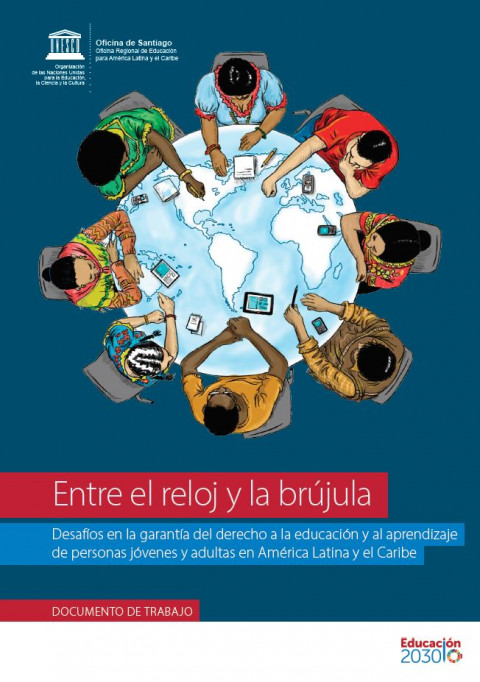 Entre el reloj y la brújula: desafíos en la garantía del derecho a la educación y al aprendizajede personas jóvenes y adultas en América Latina y el Caribe; documento de trabajo Année de publication: 2019 Auteur: Henry Renna Auteur institutionnel: UNESCO Santiago Este documento tiene por objetivo proporcionar una visión general de la educación y del aprendizaje de personas jóvenes y adultas como derecho humano y social. Los instrumentos de derecho vinculante y no vinculante que la sustentan son históricos y de larga data, como también contingentes, amplios y extensos en su alcance, con presencia regional e internacional. El documento muestra —sobre la base de los Indicadores del Objetivo de Desarrollo Sostenible 4 (ODS 4 Agenda 2030)— que los principales desafíos para los países de América Latina y el Caribe tienen relación con la lentitud de los progresos (el desafío del reloj) dejando a muchas y muchos jóvenes y adultos al margen de oportunidades educativas, de conocimientos, habilidades y aptitudes, y privados de alcanzar el bienestar integral. Este informe también sostiene —basado en los informes nacionales del Tercer Reporte Global de Educación y Aprendizaje de Adultos— que muchos desafíos están vinculados con la dirección de las políticas (el desafío de la brújula), con sentidos reduccionistas y homogeneizadores detrás de las instituciones y de la acción pública, lo que precariza y fragiliza la garantía del derecho a la educación y al aprendizaje de las personas jóvenes y adultas. Este documento es consistente con el llamado de la UNESCO a «repensar la educación» e invita a reconstruir en el siglo XXI un mundo y una educación sin muros, donde se difuminen las fronteras mentales e institucionales que reducen, dividen y aislan los sistemas educativos, con el fin de liberar su poder transformador para todos y todas.
  Achieving SDG 4 Together: Strategic Plan 2019 - 2022 Année de publication: 2018 Auteur institutionnel: Global Campaign for Education (GCE) The 2019-2022 strategic plan of the Global Campaign for Education was adopted during the 6th World Assembly of the movement in November 2018, Kathmandu. The plan identifies 4 priority strategic areas: Inclusivity and non-discrimination, Transformative education, Education in emergencies and Financing education. The plan also focus on strengthening the global movement and integrating youth voices.On the eve of celebrating its 20th anniversary, the Global Campaign for Education (GCE) is the largest civil society organisation movement working to promote the human right to education and to put pressure on governments and the international community to fulfil their commitments to provide free, inclusive, quality public education and lifelong learning for all, particularly for children. Our regional and national coalitions encompass many thousands of civil society organisations and represent millions of individuals across the world. Each is independent, and all are united by the commitment to the human right to education, and to achieving change through the mobilisation of citizens and civil society.