
Ressources
Explorez une large gamme de ressources sur le GCED afin d’approfondir votre compréhension et de renforcer vos activités de recherche, de plaidoyer, d’enseignement et d’apprentissage.
2,813 résultats trouvés
 Отчет об общественном мониторинге законодательства и правоприменительной практики местной полицейской службы в сфере предупреждения и профилактики бытового насилия в РК Année de publication: 2017 Auteur: S.V. Korneytchuk | N.S. Gladyr Auteur institutionnel: OSCE. Programme Office in Astana Основной целью настоящего мониторинга является деятельность по оценке и прогнозированию законодательства путем выявления противоречий в законодательстве, устаревших, коррупциогенных и неэффективно реализуемых норм права, а также выработка предложений по совершенствованию законодательства и механизмов его реализации подразделениями местной полицейской службы. Это издание опубликовано при финансовой поддержке Офиса программ ОБСЕ в Астане в рамках проекта «Общественный мониторинг законодательства и правоприменительной практики местной полицейской службы в сфере предупреждения и профилактики бытового насилия в РК».
 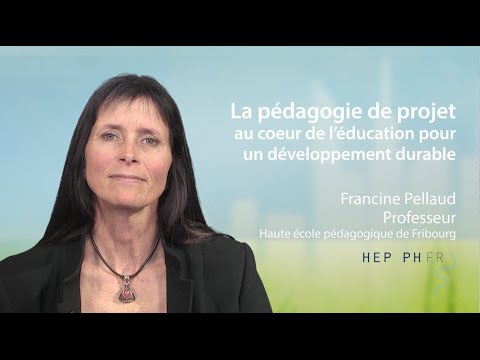 La pédagogie de projet au cœur de l'éducation pour un développement durable Année de publication: 2016 Auteur institutionnel: Université Virtuelle Environnement et Développement durable (UVED) Dans cette vidéo, Francine Pellaud discute des intérêts et des conditions de réussite de la pédagogie de projet, dans le cadre d'une éducation à l'environnement et au développement durable.
 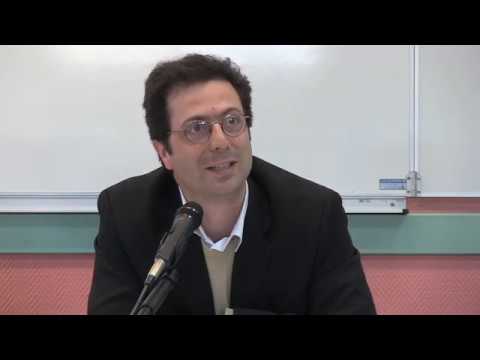 Qu'est ce qu'être citoyen du monde aujourd'hui? Année de publication: 2017 Auteur: Louis Lourme Auteur institutionnel: Rendez-vous Philosophiques Orléans-Tours Il y a des questions fondamentales à partir desquelles il devient possible de définir notre époque comme un nouvel âge de la citoyenneté mondiale. Quels sont les changements de l’époque contemporaine? Comment se manifeste cette citoyenneté mondiale? Et que reste-t-il de l’ancien idéal du cosmopolitisme lorsqu’il gagne ce nouveau sens politique?
  Towards Compassionate Global Citizenship: Educating the Heart through Development Education and Cognitively-Based Compassion Training (Vol. 19, Autumn, 2014) Année de publication: 2014 Auteur: Caroline Murphy | Brendan Ozawa-de Silva | Michael Winskel Auteur institutionnel: Centre for Global Education (CGE) The authors present an argument for developing emotional literacy which can be applied to critical development education to bring about active citizens who have capacity to take compassionate action for global justice. It is argued that both emotional skills and critical thinking skills are mutually essential, and in fact it is only by cultivating a symbiosis between these, can pedagogy be developed that presents a true transformational agency to people. The paper attempts to synthesise development education (DE) with Cognitively-Based Compassion Training (CBCT), and argues that these are potentially compatible to acquire such pedagogy. While DE can provide individuals with the skills to think critically and react to injustice, CBCT can provide the skills and emotional capacity to intervene for change, without giving in to despair, anger, or burnout. In short, it is argued that DE and CBCT can provide the emotional and intellectual skills necessary for productive social activism and change. Throughout this article it is highlighted how the international development organisation, Children in Crossfire (CIC), has been grappling with the above mentioned and related disciplines, and how it has been working, in partnership with researchers from Emory University and Life University’s Center for Compassion and Secular Ethics, to evolve its DE teacher training practice, Teachers in Development and Learning (TIDAL), towards such a transformative pedagogy, entitled ‘Educating the Heart for Compassionate Global Citizenship’.
 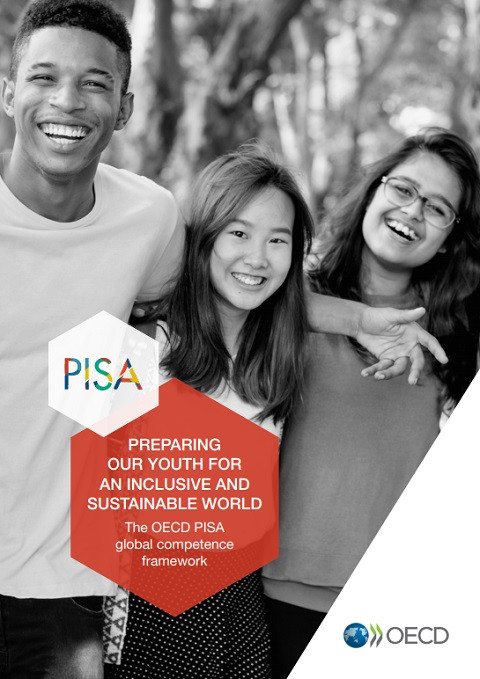 Preparing Our Youth for an Inclusive and Sustainable World: The OECD PISA Global Competence Framework Année de publication: 2018 Auteur institutionnel: Organisation for Economic Co-operation and Development (OECD) OECD Programme for International Student Assessment (PISA), the global yardstick for educational success, includes global competence in its metrics for quality, equity and effectiveness in education. The global competence assessment in PISA 2018 is composed of two parts: a cognitive assessment and a background questionnaire. The cognitive assessment is designed to elicit students' capacities to critically examine global issues; recognise outside influences on perspectives and world views; understand how to communicate with others in intercultural contexts; and identify and compare different courses of action to address global and intercultural issues. In the background questionnaire, students will be asked to report how familiar they are with global issues; how developed their linguistic and communication skills are; to what extent they hold certain attitudes, such as respect for people from different cultural backgrounds; and what opportunities they have at school to develop global competence. Answers to the school and teacher questionnaires will provide a comparative picture of how education systems are integrating global, international and intercultural perspectives throughout the curriculum and in classroom activities.
  One Youth Can: Changing Gender Norms and Promoting Gender Equality Année de publication: 2017 Auteur: Tapiwa Manyati | Remmy Shawa Auteur institutionnel: Sonke Gender Justice This manual is intended to be a resource for those working with youth on issues of citizenship, human rights, gender, health, sexuality and violence. The content is informed by a commitment to social justice, gender equality and engaged citizen activism. The activities encourage all youth to reflect on their own experiences, attitudes and values regarding sexuality; gender; what it means to be a boy/man or girl/woman; domestic and sexual violence; HIV/AIDS, democracy and human rights. They encourage all youth to take action to help prevent domestic and sexual violence, reduce the spread and impact of HIV and AIDS, and promote gender equality.
 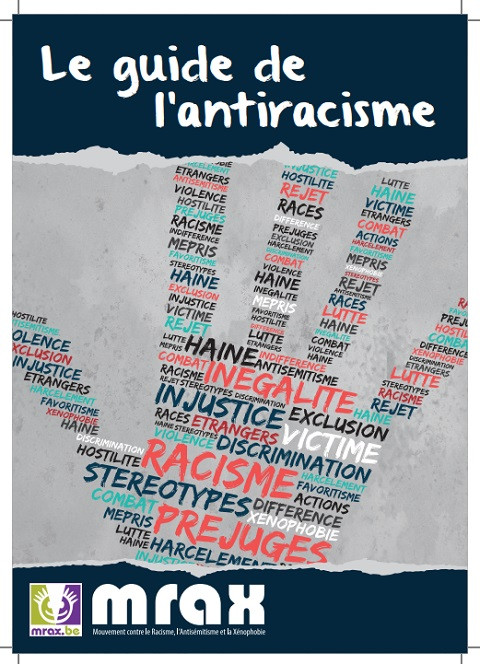 Le guide de l’antiracisme Année de publication: 2016 Auteur institutionnel: Movement contre le Racisme, l’Antisémitisme et la Xénophobie (MRAX) Ce guide est destiné aux personnes qui veulent vivre ensemble dans une société multiculturelle où chacun est égal en droit et en dignité, indépendamment de ses origines, de sa couleur de peau, de sa culture, de sa religion, de sa langue. Ce guide de l’antiracisme devrait vous aider à franchir le pas. De l’indifférence vers la volonté d’agir. De l’impuissance vers l’action. Il explore la réalité concrète du racisme et des discriminations. Il contient des informations utiles et pratiques, des explications synthétiques, des définitions clés, des témoignages, des réponses juridiques, des conseils, des pistes d’action, des outils pédagogiques pour lutter contre le racisme.
 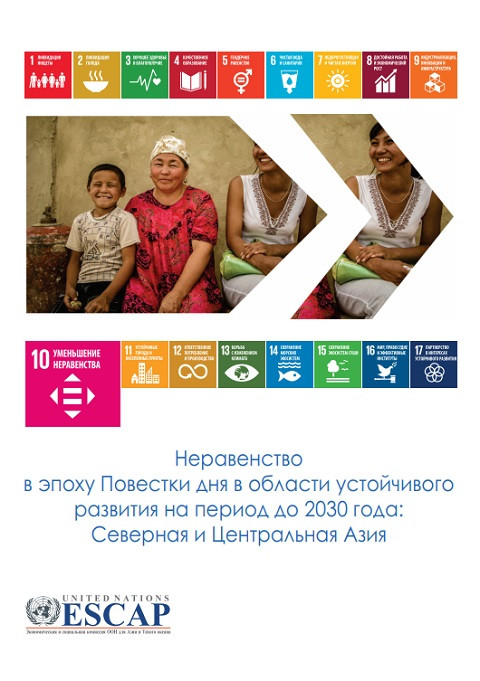 Inequality in the Era of the 2030 Agenda for Sustainable Development: North and Central Asia Année de publication: 2018 Auteur institutionnel: UN. Economic and Social Commission for Asia and the Pacific (UN. ESCAP) This study considers issues pertaining to inequality and its causes in North and Central Asia, based on multidimensional indicators that are now available. It reviews where these countries of North and Central Asia stand in terms of reducing both inequality of outcomes and opportunities through cross-country comparisons. Challenges surrounding inequality of opportunities for selected social groups, namely women, young and older people, rural population and migrant workers are examined. Several concerns come to light: (1) Women tend to be both underpaid and underrepresented in decision-making processes, even though they are economically active and educated; (2) Young people are more likely to be unemployed, which could lead to social displacement; (3) Aging population in selected countries could jeopardize current pension systems which currently cover almost all older persons; (4) a rural-urban divide in terms of access as well as quality of public services remain; and (5) working conditions of migrants are precarious. Неравенство в эпоху Повестки дня в области устойчивого развития на период до 2030 года: Северная и Центральная Азия Année de publication: 2018 Auteur institutionnel: UN. Economic and Social Commission for Asia and the Pacific (UN. ESCAP) В этом исследовании рассматриваются вопросы, касающиеся неравенства и его причин в Северной и Центральной Азии, на основе многомерных показателей, которые в настоящее время доступны. В нем рассматривается положение этих стран Северной и Центральной Азии с точки зрения сокращения как неравенства результатов, так и возможностей путем межстрановых сравнений. Рассматриваются проблемы, связанные с неравенством возможностей для отдельных социальных групп, а именно женщин, молодежи и пожилых людей, сельского населения и трудящихся-мигрантов. Выявляется ряд проблем: (1) женщины, как правило, недоплачивают и недопредставляются в процессах принятия решений, даже если они экономически активны и образованы; (2) молодые люди чаще становятся безработными, что может привести к социальному перемещению; (3) старение населения в отдельных странах может поставить под угрозу нынешние пенсионные системы, которые в настоящее время охватывают почти все пожилые люди; (4) сохраняется разрыв между городом и селом с точки зрения доступа, а также качества государственных услуг; и (5) условия труда мигрантов нестабильны.
 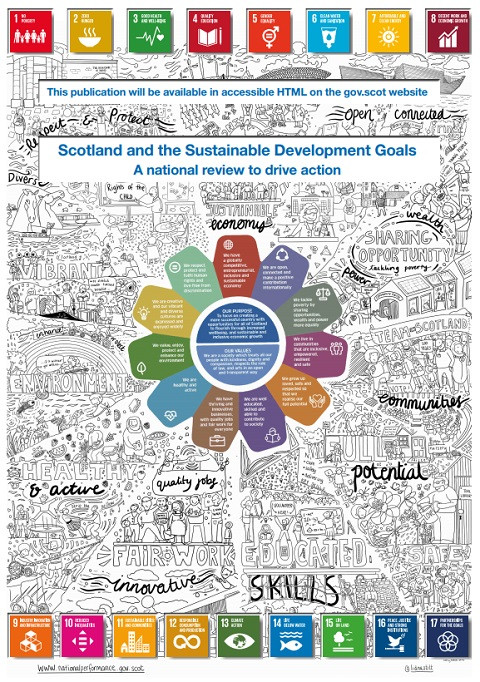 Scotland and the Sustainable Development Goals: A National Review to Drive Action Année de publication: 2020 Auteur institutionnel: Government of Scotland The 2030 Agenda for Sustainable Development provides a shared blueprint for peace and prosperity for people and the planet, now and into the future. As part of this, the Sustainable Development Goals (SDGs) are a universal call to action. Scotland signed up to the SDGs in 2015 and this review brings together evidence, actions and stories of how we are making progress to meet the Goals. It contains inspirational examples of how people across Scotland are taking action to make us a more successful country and to ensure we are at the forefront of this international agenda. It also highlights some of the challenges we face. This review, a collaborative effort between the SDG Network Scotland, Scottish Government and the Convention of Scottish Local Authorities (COSLA), scratches the surface of the depth of activity across Scotland. This review provides an overall picture of activity and performance based on the evidence currently available.