
Ressources
Explorez une large gamme de ressources sur le GCED afin d’approfondir votre compréhension et de renforcer vos activités de recherche, de plaidoyer, d’enseignement et d’apprentissage.
2,813 résultats trouvés
 깊은 자기이해에서 세계 알기를 시작하다: D대학의 ‘세계시민과 회복적 평화’ 교양 수업을 중심으로 (교양교육연구; Vol. 18, No. 1) Année de publication: 2024 Auteur: 신난희 | 유득규 | 박난희 Auteur institutionnel: 한국교양교육학회 본 논문은 회복적 평화 관점으로 설계된 수업 과정에서 학습자들이 어떻게 자기 내면과 연결하게 되고 자기에 대한 깊은 이해를 경험하게 되며 나아가 세계 알기로 인식의 확장을 시작하는지에 관하여 살펴보았다. 분석에 의하면, 학습자들은 관찰하기-느낌 표현-욕구 알기-핵심가치 찾기-부탁하기 활동을 통하여 이제까지 자기를 구성해 온 문화적 가치와 양식에 구속되어 있던 자기를 발견하고 표현하며 자유로움을 경험할 수 있었다. 자문화기술지 작성 활동은 이 작업을 수행하는데 중요한 전환점이 되었다. 조별 활동은 자기 내면에 대한 깊은 이해 과정의 힘든 순간을 함께 나누는 공감과 연대감을 생성하며 세계 알기의 힘든 작업을 해나가는 데 중요한 기반을 제공하였다. 본 교과목 활동은 본격적으로 세계시민으로서의 인식과 활동을 전개하는데 전제가 되는 깊은 자기이해를 경험하는 데 주안점이 놓인 것으로 이후 이러한 내적 역량을 성취한 학습자들이 보다 적극적으로 세계 알기에 관한 인식과 탐구를 어떻게 성취하는지에 관한 후속 작업의 필요성을 제기한다.
  세계시민 양성을 위한 교과 연계 인성교육 방안 탐색: 인문교양 읽기와 스토리텔링을 중심으로 (율곡학연구; Vol. 56) Année de publication: 2024 Auteur: 박영민 Auteur institutionnel: 율곡학회 이 연구는 자기 삶의 변혁을 바탕으로 세상의 변화를 이끌어 갈 수 있는 세계시민으로서 갖추어야 할 핵심역량을 강화하는 방안에 초점을 맞추었다. 이 연구의 목적은 교양 강좌에서 세계시민의식 함양을 위하여 ‘인문교양 읽기와 스토리텔링’을 적용한 인성교육 방안을 제안하는 것이다. 연구의 이론적 기초로서 미래 사회의 세계시민과 핵심역량, 교과 연계 인성교육을 통한 세계시민의식 강화의 가능성을 중점적으로 고찰하였다. 다음으로 이론적 토대를 바탕으로 미래 사회가 요구하는 역량 개발과 관련하여, 세계시민의식 강화를 위한 교양 교과목 연계 교육프로그램을 예시하였다. 연구 결과를 종합하면 다음과 같다. 첫째, 교양 강좌와 연계한 인성교육에서 세계시민 양성을 위한 ‘인문교양 읽기와 스토리텔링’의 필요성 및 방법을 이론적으로 검토한 후 수업에서의 적용 가능성을 확인하였다. 둘째, 교양 강좌에서 대학생의 세계시민의식 강화를 위한 ‘인문교양 읽기와 스토리텔링’을 적용한 인성교육 교수·학습과정안을 제시하였다. 결론적으로 ‘인문교양 읽기와 스토리텔링’을 적용한 인성교육 프로그램은 대학생의 세계시민의식 함양에 긍정적인 효과가 있을 것으로 판단된다.
  Установки молодежи современного Казахстана на проявление социальной активности Année de publication: 2018 Auteur: O.V. Kaldybayeva | F.M. Mussataeva | G.Ye. Okasova В статье поднимается проблема исследования социальной активности среди современной молодежи, от степени которой во многом зависит эффективность реализации многих государственных программ. Выводы основаны на результатах социологического исследования, реализованного Научно-исследовательским центром «Молодежь» во второй половине 2017 г. в Республике Казахстан.
  Analysis of Cultural Values of Russian Youth and Central Asian Migrants at the Present Stage (by G. Hofstede methodology) Année de publication: 2022 Auteur: A.I. Evdokimov | I.V. Ponomareva This paper is a summary analysis of cultural values in young Russians and migrants from Central Asian countries, conducted in 2019- 2021 according to the methodology of the Dutch scientist Geert Hofstede. In the sociological The study involved 404 people: 182 representatives of Russian youth and 222 representatives of the migration communities of the Central Asian states. Анализ культурынх ценностей Российской молодежи и мигрантов из стран Центральной Азии на современном этапе (по методике Г. Хофстеде) Année de publication: 2022 Auteur: A.I. Evdokimov | I.V. Ponomareva Данная работа является обобщающим анализом культурных ценностей у молодых россиян и мигрантов из стран Центральной Азии, проведенной в 2019– 2021 гг. по методике голландского ученого Герта Хофстеде. В проведенном социологическом исследовании принимали участие 404 человека: 182 представителя российской молодежи и 222 представителя миграционных сообществ государств Центральной Азии.
 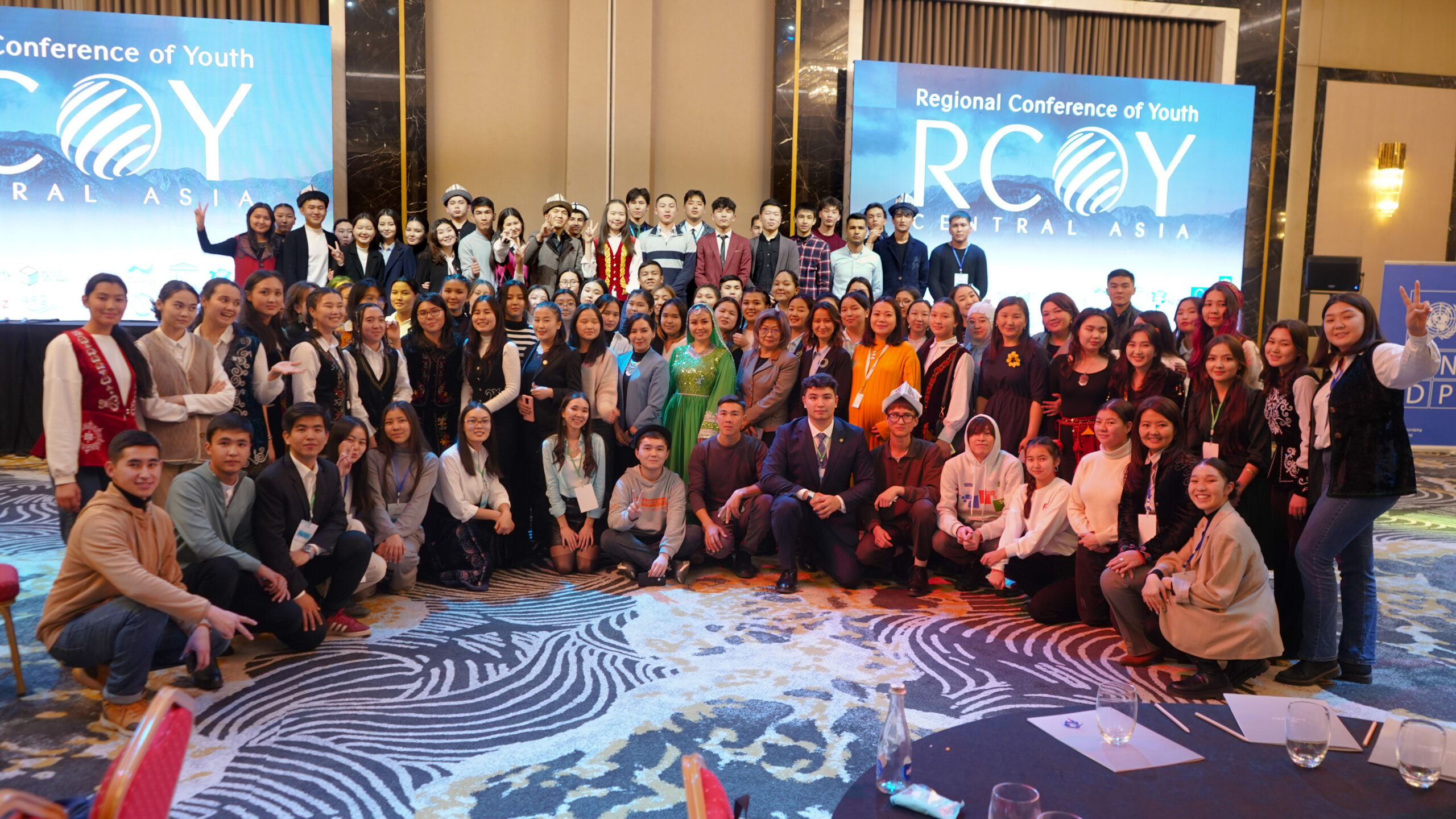 Youth Involvement in Climate Issues in Kazakhstan and Tajikistan: Illusion or Reality? Année de publication: 2024 Auteur: Anisa Abibulloyeva | Mukhtar Amanbayuly Auteur institutionnel: Central Asian Bureau for Analytical Reporting (CABAR) Government agencies in Central Asian countries and international organizations that deal with environmental issues, especially climate change, do not sufficiently take into account the opinions of young environmentalists, according to young experts from Tajikistan and Kazakhstan, Anisa Abibulloyeva and Mukhtar Amanbayuly. Вовлечение молодежи в климатические вопросы в Казахстане и Таджикистане: иллюзия или реальность? Année de publication: 2024 Auteur: Anisa Abibulloyeva | Mukhtar Amanbayuly Auteur institutionnel: Central Asian Bureau for Analytical Reporting (CABAR) Государственные органы стран Центральной Азии и международные организации, которые занимаются проблемами окружающей среды, особенно изменения климата, недостаточно учитывают мнения молодых экологов, считают молодые эксперты из Таджикистана и Казахстана Аниса Абибуллоева и Мухтар Аманбайулы.
  Case Studies in Action: Youth Empowerment for a Peaceful Caribbean Année de publication: 2024 Auteur: Gizem Kilinç Auteur institutionnel: UNESCO Kingston This compilation, titled “Case Studies in Action: Youth Empowerment for a Peaceful Caribbean” presents fourteen concise case studies highlighting (sub-)regional, national, and local initiatives that contribute to the operationalisation of the Youth, Peace, and Security (YPS) agenda. It features a combination of initiatives led by government, regional organisations, the United Nations, youth organisations, civil society, and multi-stakeholder groups across the Dutch and English-speaking Caribbean. The primary objective of this overview is to enrich the knowledge base on meaningful youth engagement in peace and security issues within the region, shedding light on successful approaches, obstacles encountered, and lessons learned. Organised into five sections aligned with the pillars of the YPS agenda—prevention, protection, disengagement and reintegration, partnership, and participation—the case studies are accompanied by an introduction and a summary of recommendations.
  Reaching the Youth: countering the Terrorist Narrative Année de publication: 2012 Auteur: Thomas Koruth Samuel This monograph studies the issue of the dynamics of youth and terrorism, paying close attention to the methods used by terrorists to entice the youth, the message or the narrative of the terrorists, and the possible counter-narrative that could be subsequently developed. Reaching the Youth: countering the Terrorist Narrative Année de publication: 2012 Auteur: Thomas Koruth Samuel Cette monographie étudie la dynamique entre la jeunesse et le terrorisme en accordant une attention particulière aux méthodes utilisées par les terroristes pour attirer les jeunes, leurs messages ou discours, et le contre-récit éventuel qui pourrait être développé par la suite.