
Ressources
Explorez une large gamme de ressources sur le GCED afin d’approfondir votre compréhension et de renforcer vos activités de recherche, de plaidoyer, d’enseignement et d’apprentissage.
2,813 résultats trouvés
 Development Strategy of Uzbekistan: Civil Society; Training and Methodology Complex Année de publication: 2019 Auteur: M.N. Primov | T. Norboev Auteur institutionnel: Uzbekistan. Ministry of Higher and Secondary-Specialized Education | Tashkent Institute of Finance The document is a collection of training materials on the conditions and prospects for the development of civil society in Uzbekistan, as well as the implementation of the main directions of the Action Strategy. The document also the role of local governments of citizens, non-governmental non-profit organizations in improving institutions civil society.A major role in this is played by new socio-political disciplines, which include the “Development Strategy of Uzbekistan. Civil society". This course reveals the basic scientific principles of the formation of civil society and the development strategy of Uzbekistan, analyzes the main stages of transformation, shows the irreversibility of the reforms carried out in the country, and helps to build the civic position of each member of the society. It is organically woven into the humanities system, forming a common logical chain with it; It helps to answer questions of modern policy of our state and to determine the place and role of each person in the grandiose transformations carried out in the country. Стратегия развития Узбекистана. Гражданское общество: Учебно-методический комплекс Année de publication: 2019 Auteur: M.N. Primov | T. Norboev Auteur institutionnel: Uzbekistan. Ministry of Higher and Secondary-Specialized Education | Tashkent Institute of Finance Документ является сборником учебных материалов, посвященных условиям и перспективам развития гражданского общества в Узбекистане, а также реализации основных направлений Стратегии действий. В документе также рассматривается роль органов местного самоуправления граждан, негосударственных некоммерческих организаций в совершенствовании институтов гражданского общества.Большую роль в этом играют новые социально-политические дисциплины, в число которых входит и «Стратегия развития Узбекистана. Гражданское общество». Данный курс раскрывает основные научные принципы формирования гражданского общества и стратегию развития Узбекистана, анализирует основные этапы преобразований, показывает необратимость проводимых в стране реформ, помогает формированию гражданской позиции каждого члена общества. Он органично вплетается в систему гуманитарных наук, образуя общую логическую цепь с ней; помогает ответить на вопросы современной политики нашего государства и определить место и роль каждого человека в грандиозных преобразованиях, проводимых в стране.
 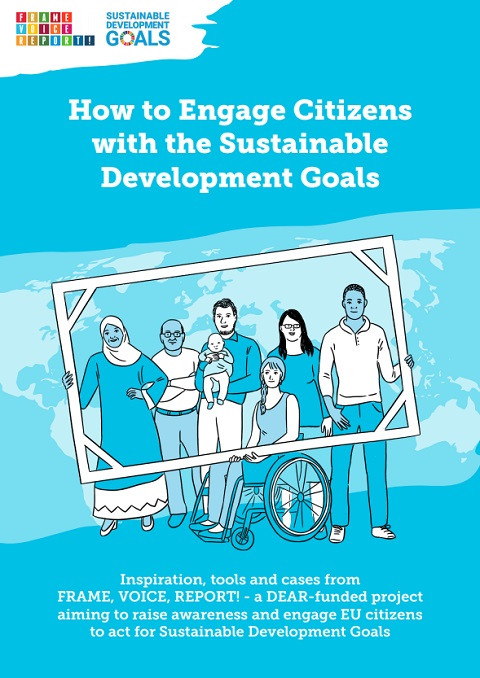 How to Engage Citizens with the Sustainable Development Goals Année de publication: 2020 Auteur institutionnel: Finnish Development NGOs Fingo The purpose of this booklet is to share reflections, successes and learning outcomes from the FRAME, VOICE, REPORT! (FVR) project.It can be used to find inspiration from other civil society organisations (CSOs) working on the same topics and themes you do, but also as a source for ideas for new ways of looking at old issues.This booklet covers both the more theoretical approaches and concrete cases from CSOs across Europe. These cases are examples of the many projects funded by the FVR.The project had its roots in the previous successes and tried and tested approaches of the partner organisations. The aim of FVR! was to secure resources and develop the value-based, high quality work of civil society organisations. The second aim was to enable smaller organisations to learn about EU project funding and to build capacity on how to conduct high quality global citizenship education and development communications. Finally, the overarching aim of the project was to engage EU citizens with the SDGs.
 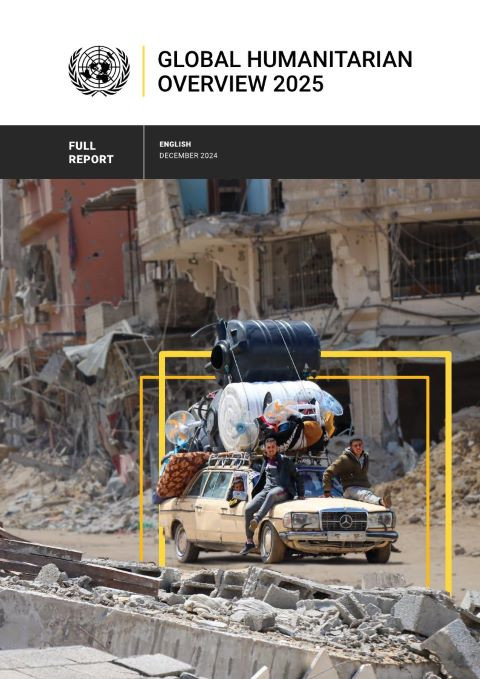 Global Humanitarian Overview 2025 Année de publication: 2024 Auteur institutionnel: UN. Office for the Coordination of Humanitarian Affairs (UN. OCHA) A snapshot of the global trends driving increased humanitarian needs in 2025, analysis from 2024 and an overview of where the system is delivering better to help those affected by crises. The Global Humanitarian Overview (GHO) is the world’s most comprehensive, authoritative and evidence-based assessment of humanitarian need. Through plans that prioritize those most in need, it aims to fight hunger, killer diseases, gender-based violence and displacement. The GHO 2025 presents an analysis of global crises and needs and the humanitarian plans to address them. In 2025, humanitarian partners are appealing for over US$47 billion to assist nearly 190 million people facing life-threatening and urgent needs across 72 countries. The report looks at response trends to strengthen, such as localization, cash, accountability and the changes needed to deliver aid effectively: security and funding. The GHO presents a collective picture of humanitarians' achievements and, conversely, what happens when humanitarians are unable to deliver aid. Explore the full report and interactive content through humanitarianaction.info.
 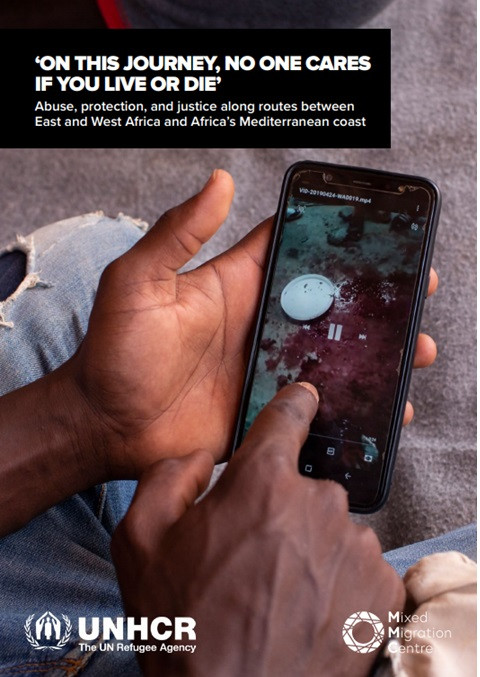 On This Journey, No One Cares If You Live or Die: Abuse, Protection, and Justice Along Routes Between East and West Africa and Africa’s Mediterranean Coast Année de publication: 2020 Auteur institutionnel: UN. Office of the United Nations High Commissioner for Refugees (UNHCR) | Mixed Migration Centre This report draws on data collected by the Mixed Migration Centre’s 4Mi monitors along the route to map the places where refugees interviewed in 2018 and 2019 most frequently reported deaths, sexual and gender-based violence (SGBV), physical violence, and kidnappings occurred. It illustrates how refugees and migrants using the route face a series of risks including as they cross into eastern Sudan, and when crossing the Sahara Desert, and then again in multiple places in Libya. Similarly, those traveling through West Africa reported multiple incidents of physical violence, SGBV, as well as deaths at various points. Refugees and migrants have reported being subjected to brutal violence, including being burnt with hot oil, melted plastic, or heated metal objects, being electrocuted, tied in stress positions, and experiencing and witnessing repeated sexual violence, often in the context of ransom demands. UNHCR staff and partners continue to witness the severe impact these abuses have had on the mental health of many men, women, and children.
 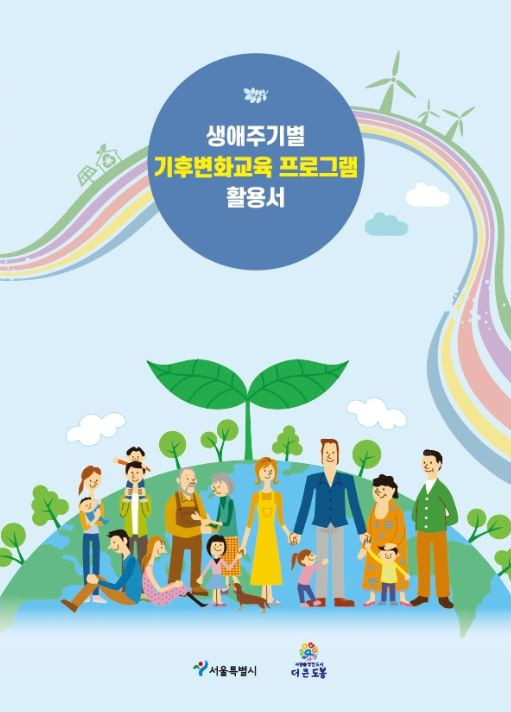 생애주기별 기후변화교육 프로그램 활용서 Année de publication: 2020 Auteur: 장미정 | 권보경 | 박수진 | 안창연 | 이혜진 | 지혜성 | 최지선 Auteur institutionnel: 도봉구 | 도봉환경교육센터 | 모두를위한환경교육연구소 본 교재는 생애 각 지점에서 지구적 환경의제인 기후변화를 이해하고, 지역에서 기후위기를 극복할 수 있도록 생애주기별로 개발한 기후변화교육 프로그램을 담고 있습니다. 2021년에서 2025년까지의 환경교육 정책을 아우르는 “제3차 국가환경교육종합계획”과 “제3차 서울환경교육종합계획”에서는 평생학습 차원의 정책을 주요하게 다루고 있습니다. 국가 수준의 생애주기 맞춤형 환경교육 프로그램의 정책방안을 적용하되, 도봉 지역의 환경과 교육 여건을 고려해서 지역에 보다 적합한, 지역적 행동을 이끌어 낼 수 있는 프로그램을 개발하고자 했습니다. 따라서 도봉환경교육센터가 기존에 해오던 기후변화교육의 방향성을 되짚어보고, 한발 더 나아가 지역 주민들의 의식조사 결과를 삼았습니다.이 사례가 도봉환경교육센터뿐만 아니라 옆 마을에서, 도봉구 전역에서, 또 서울시 곳곳에 서도 각 지역에 맞게 적용 및 활용될 수 있기를 기대합니다. [자료 출처: (사)환경교육센터]
 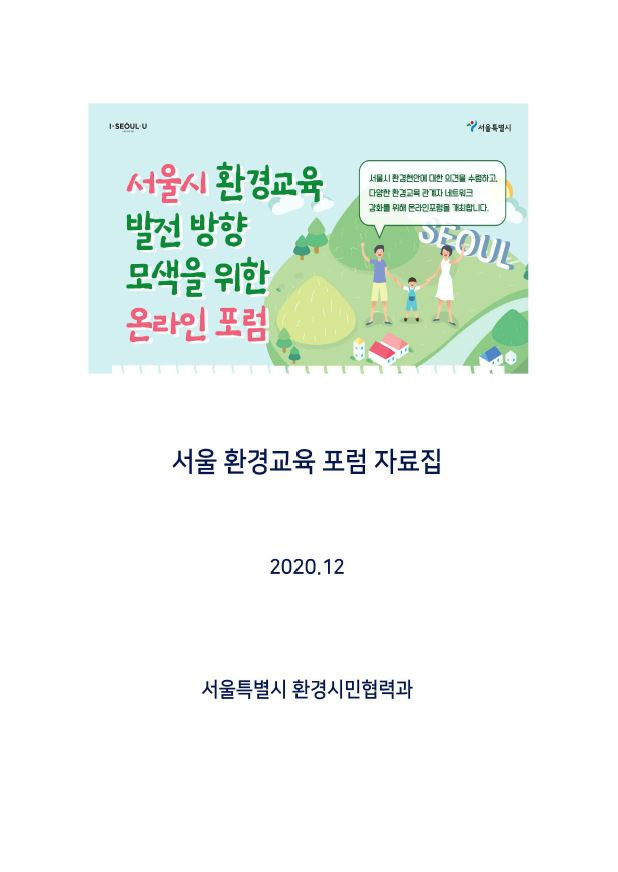 서울시 환경교육 발전 방향 모색을 위한 온라인 포럼: 서울 환경교육 포럼 자료집 Année de publication: 2020 Auteur: 장미정 | 권보경 | 박수진 | 안창연 | 이혜진 | 지혜성 | 최지선 Auteur institutionnel: 서울시 환경시민협력과 | 모두를위한환경교육연구소 이 자료집은 <서울시 환경교육 발전 방향 모색을 위한 온라인 포럼>의 일환으로 제작되었습니다. 포럼 동영상은 유튜브(www.youtube.com)에서 ‘서울시 환경교육 발전 방향 모색을 위한 온라인 포럼’을 검색하면 보실 수 있습니다. [자료출처: (사)환경교육센터]
 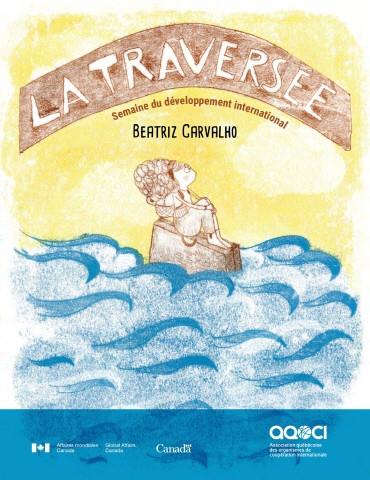 The Journey: International Development Week Année de publication: 2021 Auteur: Beatriz Carvalho Auteur institutionnel: Quebec Association of International Cooperation Organizations (AQOCI) Each year, International Development Week (IDW) highlights an international issue of concern to society. In Quebec, the Association québécoise des organismes de coopération internationale (AQOCI) organizes this public awareness week. CRÉDIL plays an active role in this campaign, and has participated in the production of comic strips as educational tools, such as "La Traversée" in 2021, that attempts to rehumanize our view of border issues and challenges, and offer questions and reflections that touch on the universal. What are we? What is our identity made of? Who gives us the right to have rights? La Traversée: Semaine du développement international Année de publication: 2021 Auteur: Beatriz Carvalho Auteur institutionnel: Association québécoise des organismes de coopération internationale (AQOCI) La Semaine du développement international (SDI) permet chaque année de souligner un enjeu international qui interpelle les sociétés. Au Québec, c’est l’Association québécoise des organismes de coopération internationale (AQOCI) qui organise cette semaine de sensibilisation auprès du public. Le CRÉDIL participe activement à cette campagne et a participé à la production de bandes dessinées comme outil pédagogique comme “La Traversée” en 2021 qui tente de réhumaniser nos regards sur les questions et enjeux de frontières; et offrir des questionnements et des réflexions qui touchent l’universel. Qui sommes-nous? De quoi est faite notre identité? Qui donne le droit d’avoir des droits?
  Introductory News Literacy: Adapted from High Five 2012; The Integrated Language Arts and Journalism Curriculum for Middle School Students Année de publication: 2013 Auteur institutionnel: American Press Institute The American Press Institute’s Introductory News Literacy Units are lightweight general usage lesson plans for introducing middle school students to how to read and understand news media and current events. While the Institute offers more specific and in-depth materials and ideas for promoting news literacy, these new units provide a resource for the time-pressed teacher working with students at an important age. Split into three units of one-to-two weeks each, the curriculum briefly overviews critical elements in news understanding and healthy processes for determining source information and bias. Individual lessons can be adapted and used to fit specific classroom needs.