
Ressources
Explorez une large gamme de ressources sur le GCED afin d’approfondir votre compréhension et de renforcer vos activités de recherche, de plaidoyer, d’enseignement et d’apprentissage.
2,813 résultats trouvés
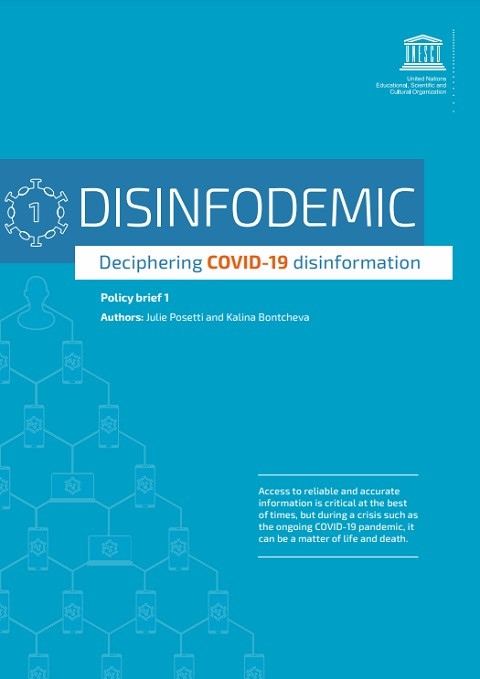 Disinfodemic: Deciphering COVID-19 Disinformation (Policy Brief; 1) Année de publication: 2020 Auteur: Julie Posetti | Kalina Bontcheva Auteur institutionnel: UNESCO The purpose of this brief is to provide a structure for understanding the COVID-19 disinfodemic and the responses to it, highlighting practices which have a bearing on the UN Sustainable Development Goals (SDGs), the right to health and the right to freedom of expression. SDG 16.10 calls for “public access to information and fundamental freedoms”. Desinfodemia: Descifrando la desinformación sobre el COVID-19 (Policy Brief; 1) Année de publication: 2020 Auteur: Julie Posetti | Kalina Bontcheva Auteur institutionnel: Organización de las Naciones Unidas para la Educación, la Ciencia y la Cultura (UNESCO) El propósito de este resumen es presentar una estructura para comprender la ‘desinfodemia’ del COVID-19 y las respuestas respectivas, resaltando las prácticas pertinentes a los Objetivos de Desarrollo Sostenible de la ONU, al derecho a la salud y al derecho a la libertad de expresión. EL ODS16.10 subraya la necesidad de “acceso público a la información y libertades fundamentales”. Désinfodémie: Déchiffrer la désinformation sur le COVID-19 (Note d’orientation; 1) Année de publication: 2020 Auteur: Julie Posetti | Kalina Bontcheva Auteur institutionnel: Organisation des Nations Unies pour l'éducation, la science et la culture (UNESCO) Le but de cette note d’orientation est de présenter une structure pour comprendre la désinfodémie sur le COVID-19 et les réponses possibles, en mettant en évidence les pratiques liées aux Objectifs de développement durable (ODD) des Nations Unies, le droit à la santé et le droit à la liberté d’expression. L’ODD 16.10 appelle à « un accès public à l’information et aux libertés fondamentales ».
 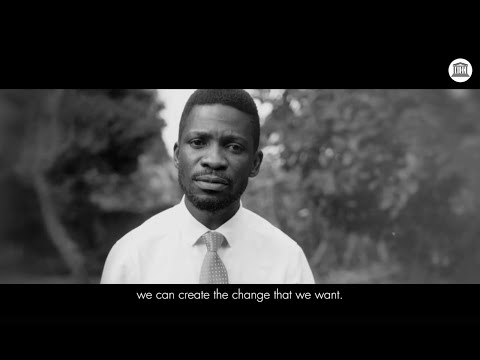 United Against Racism Année de publication: 2020 Auteur institutionnel: UNESCO We all can do something against racism. You too. Join UNESCO and leading personalities from all over the world in denouncing mounting racial discrimination.This video features messages by the following prominent women and men from the worlds of cinema, the media, music, sport and science alongside UNESCO Director-General Audrey Azoulay: Charlotte Gainsbourg, Freida Pinto, Naomi Campbell, UNESCO Goodwill Ambassador Jean-Michel Jarre, UNESCO Artist for Peace Marcus Miller, Jorge Ramos, UNESCO Goodwill Ambassador Yalitza Aparicio, Rossy de Palma, UNESCO Goodwill Ambassador Sumaya bint Al Hassan, Bobi Wine, UNESCO Goodwill Ambassador Herbie Hancock, UNESCO Goodwill Ambassador Forest Whitaker, UNESCO Champion for Girls’ and Women’s Education Nadia Nadim, Amadou Gallo Fall, Ada Hegerberg and UNESCO Artist for Peace Gilberto Gil.UNESCO has been on the forefront of the fight against racism since its creation in 1945. In 1978, it adopted the Declaration on Race and Racial Prejudice which reaffirms that “All human beings belong to a single species and are descended from a common stock. They are born equal in dignity and rights and all an integral part of humanity.”Learn more: Fight against Racism and Discrimination
  可持续发展教育: 路线图 Année de publication: 2022 Auteur institutionnel: 联合国教科文组织 (UNESCO) 本文是联合国教科文组织实施可持续发展教育所制定的路线图,旨在阐明地球面临的紧迫挑战,探讨教科文组 织通过教育应对这些挑战的下一步工作,并详细梳理新的侧重点和行动。
 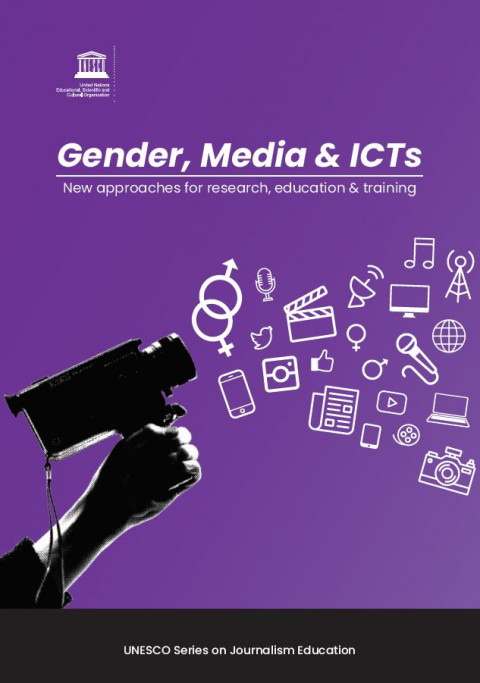 Gender, Media and ICTs: New Approaches for Research, Education & Training Année de publication: 2019 Auteur: Lisa French | Aimée Vega Montiel | Claudia Padovani Auteur institutionnel: UNESCO Higher education has to grapple with intense change in communications technologies, genres and business models - and with stubborn continuities in gender inequalities. This publication helps to navigate and transform the conundrum. It provides seven structured and practical modules, and a treasure trove of links to further resources. The book’s contents can empower its readers to advance gender equality in and through communications.
  Culture | 2030 Indicators: Thematic Indicators for Culture in the 2030 Agenda Année de publication: 2019 Auteur institutionnel: UNESCO The Culture|2030 Indicators is a framework of thematic indicators whose purpose is to measure and monitor the progress of culture’s enabling contribution to the national and local implementation of the Goals and Targets of the 2030 Agenda for Sustainable Development (SDGs). The methodology is developed to assist countries and cities with very different capacities regarding the collection of data and cultural statistics. The evidence gathered will inform policies and decisions as well as operational actions enabling greater investments in culture as a sector of activity and a greater recognition of its transversal role across other sectors.
  Survey on Privacy in Media and Information Literacy With Youth Perspectives Année de publication: 2017 Auteur: Sherri Hope Culver | Alton Grizzle Auteur institutionnel: UNESCO This report aims to provide conceptual, development and policy recommendations to foster privacy in MIL, while enabling the critical engagement of people, including young women and men, in an environment conducive to sustainable development and to freedom of expression online and offline. It seeks to provide clarity on the complex issue of how MIL and privacy intersect.
  Media Literacy in Finland: National Media Education Policy Année de publication: 2019 Auteur institutionnel: European Training and Research Centre for Human Rights and Democracy (Austria) | UNESCO Media literacy in Finland is the media literacy policy and the national media education policy document, published by the Ministry of Education and Culture in 2019. The document updates and extends the cultural policy guidelines for media literacy published in 2013. The need to update the policy arose from the changes that have taken place in media culture and the broader than before target groups of media education in particular. The Program of the Government also highlights the need for media skills for all age groups, from children to seniors. The vision of the policy is to improve everyone’s opportunities to develop their media literacy. 핀란드의 미디어 리터러시: 국가 미디어교육 정책 Année de publication: 2019 Auteur institutionnel: Finand. Ministry of Education and Culture 《핀란드의 미디어 리터러시》는 교육문화부에서 2019년 발간한 미디어 리터러시 정책 및 국가 미디어교육 정책 문서를 한국어로 번역한 자료이다. 이 문서는 2013년에 발간된 미디어 리터러시 가이드라인을 개정하고 확장한 것이다. 미디어 문화가 변화하고 미디어교육 대상 집단이 이전보다 확대되면서 정책 개정의 필요성이 대두됐다. 정부 정책 프로그램(The Program of the Government) 역시 아동에서부터 노년까지 모든 연령 집단에서 미디어 기량(media skills)이 필요함을 강조했다. 이 정책의 목표는 모든 사람이 미디어 리터러시를 개발할 기회를 늘리는 것이다.