
Ressources
Explorez une large gamme de ressources sur le GCED afin d’approfondir votre compréhension et de renforcer vos activités de recherche, de plaidoyer, d’enseignement et d’apprentissage.
1,951 résultats trouvés
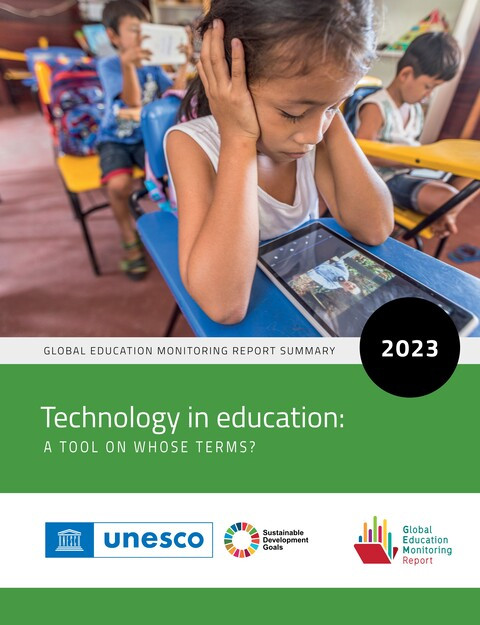 [摘要] 《全球教育监测报告》摘要 2023: 技术运用于教育; 谁来做主? Année de publication: 2023 Auteur institutionnel: UNESCO | Global Education Monitoring Report Team 技术在教育中的角色长期以来一直引发激烈的争论。它是民主化知识的推动者,还是通过允许少数人控制信息而威胁民主?它提供无限机会,还是导致依赖技术的未来无法回头?它能够实现平等竞争,还是加剧不平等?应该在教授幼儿时使用,还是存在对其发展的风险?这场辩论受到了COVID-19疫情导致的学校关闭以及生成人工智能的出现的影响。 但由于开发者往往领先于决策者一步,教育技术的研究变得复杂。坚实、公正的证据相当稀缺。在将技术视为解决方案之前,社会是否正在就教育问题提出正确的问题?在追求技术的好处时是否意识到其中的风险? 信息和通信技术有潜力支持平等和包容,以实现与弱势学习者的接触和以引人入胜且经济实惠的方式传播更多知识。在某些情况下,对于某些类型的学习,它可以提高教学质量和学习基本技能。无疑,数字技能已成为基本技能包的一部分。数字技术还可以支持管理并提高效率,帮助处理更大量的教育数据。 然而,技术也可能造成排斥,并且可能是无关紧要且繁重的,甚至是有害的。政府需要确保创造适当的条件,为所有人提供公平的教育机会,对技术使用进行监管,以保护学习者免受其负面影响,并为教师做好准备。 本报告建议,在基于证据表明其适当、公平、可扩展和可持续的情况下引入技术到教育中。换句话说,其使用应符合学习者的最佳利益,并应与教师的面对面互动相辅相成。应将其视为一种工具,以这些条件来使用。 到2023年全球教育监测报告截止期限的中途,评估了实现2030年教育目标仍需走多远。教育是实现其他发展目标的关键,尤其是技术进步的目标。
  التربية والتعليم والتعلم والمعرفة في عالم ما بعد كوفيد- 19 : تسع أفكار للعمل العام Année de publication: 2020 Auteur institutionnel: UNESCO ستكون للقرارات التي یجري اتخاذھا الآن في سیاق جائحة فیروس كورونا (كوفید-19 (عواقب طویلة الأجل على مستقبل التربیة والتعلیم. وتقدم اللجنة الدولیة المعنیة بمستقبل التربیة والتعلیم في ھذا التقریر تسع أفكار رئیسیة لمواجھة الأزمة الناجمة عن جائحة كوفید-19 وعواقبھا، مع التمسك بالمبادئ الأساسیة ومواطن القوة ُ ُظم التعلیم. ویجب إیلاء ً غیر مسبوق في الاقتصادات والمجتمعات وكذلك في ن المعروفة بینما نواجھ اضطرابا التفاعل بین البشر ورفاھھم الأولویة عند العمل على وضع تصور جدید للتربیة والتعلیم وتحدیثھما، ویجب أن ُفسح یتزامن ذلك مع الالتزام بالتضامن على الصعید العالمي ورفض استمرار أوجھ ومستویات التفاوت التي أ المجال لبروزھا في عالمنا المعاصر. Education in a Post-COVID World: Nine Ideas for Public Action Année de publication: 2020 Auteur institutionnel: UNESCO Decisions made today in the context of the COVID-19 pandemic will have longterm consequences for the futures of education. In this report the International Commission on the Futures of Education presents nine key ideas for navigating through the COVID-19 crisis and its aftermath, contending that we must build on core principles and known strengths as we face unprecedented disruption to economies, societies and education systems. In the renewal and reimaging of education human interaction and wellbeing must be given priority. This must also be accompanied by a commitment to global solidarity that does not accept the levels of inequality that have been permitted to emerge in the contemporary world La educación en un mundo tras la COVID: Nueve ideas para la acción pública Année de publication: 2020 Auteur institutionnel: UNESCO Las decisiones que se tomen en este momento en el contexto de la pandemia de COVID-19 tendrán consecuencias a largo plazo para los futuros de la educación. En este informe, la Comisión internacional sobre Los futuros de la educación presenta nueve ideas clave para sortear la crisis de la COVID-19 y sus secuelas, partiendo de la premisa de que debemos basarnos en los principios básicos y en los puntos fuertes con los que ya contamos al enfrentarnos a una perturbación sin precedentes de las economías, las sociedades y los sistemas de educación. En la renovación y el replanteamiento de la educación se debe otorgar prioridad a la interacción y el bienestar humanos. Esto ha de ir también acompañado de un compromiso con una solidaridad mundial que no acepte los niveles de desigualdad que se ha dejado surgir en el mundo contemporáneo. L’éducation dans un monde post-Covid: Neuf idées pour l’action publique Année de publication: 2020 Auteur institutionnel: UNESCO Les décisions prises aujourd’hui dans le cadre de la pandémie du Covid-19 auront des conséquences à long terme sur les futurs de l’éducation. Dans ce rapport, la Commission internationale sur Les futurs de l’éducation présente neuf idées essentielles pour dépasser la crise de Covid-19 et appréhender ses répercussions. Rapport dans lequel elle affirme également que nous devons nous appuyer sur des principes fondamentaux et des atouts connus alors que nous sommes confrontés à des perturbations sans précédent des économies, des sociétés et des systèmes éducatifs. Dans le renouvellement et le réaménagement de l’éducation, la priorité doit être donnée à l’interaction humaine et au bien-être. Cela doit également s’accompagner d’un engagement en faveur d’une solidarité mondiale qui refuse les niveaux d’inégalité qui caractérisent le monde actuel. Образование в мире, пережившем пандемию COVID-19: Девять идей для коллективных действий Année de publication: 2020 Auteur institutionnel: UNESCO Решения, принимаемые сегодня в контексте пандемии Covid-19, будут иметь долгосрочные последствия для будущего образования. В этом докладе Международная комиссия по перспективам образования представляет девять ключевых идей для преодоления вызванного пандемией COVID-19 кризиса и его последствий, будучи убеждена в том, что в этот период беспрецедентных потрясений, затронувших экономику, общество и системы образования, мы должны опираться на основополагающие принципы и известные нам преимущества. В ходе обновления и переосмысления системы образования первоочередное внимание должно уделяться человеческим взаимоотношениям и благополучию. Необходима также приверженность глобальной солидарности, которая не будет мириться со сложившимися в современном мире показателями неравенства. 后疫情世界的教育: 推进公共行动的九个构想 “教育的未来”国际委员会 Année de publication: 2020 Auteur institutionnel: UNESCO 在冠状病毒病(Covid-19)疫情背景的当下作出的决定,将对教育的未来产生深远的影响。在本报告中,“教育的未来”国际委员会提出了应对Covid-19危机及其后果的九个关键构想。报告认为,当面临经济、社会以及教育体系遭到前所未有破坏的情况时,我们必须坚持核心原则,继续发挥固有优势。在振兴和重塑教育时,必须优先考虑人际互动和人的福祉问题。同时,还必须致力于全球团结,不能接受当今世界出现如此程度的不平等。
 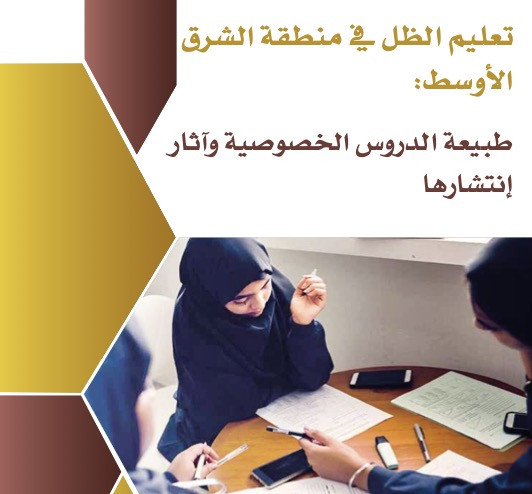 Shadow education in the Middle East: private supplementary tutoring and its policy implications Année de publication: 2023 Auteur: Mark Bray | Anas Hajar Auteur institutionnel: UNESCO An increasing number of students around the world are receiving private lessons to supplement their school education. In much academic literature, this is called shadow education; Because the content of private lessons closely mimics the content of school education, as its content changes with the change in the curriculum in schools. Private lessons can take many forms. They can be offered one-on-one, in small groups, in large classes, or online. Some private lessons are provided by the Ministry’s teachers in order to obtain additional income, and some commercial institutions also provide these lessons. As for the categoryThe third group of private lesson providers includes university students, retirees, and seasonal workers.While much research and policy has focused on the shadow education system in East Asia and some other regions of the world, there has been less interest in the topic in the Middle East. However, the topic deserves greater focus because of its far-reaching implications for prevailing social structures and education systems. This study begins with the global picture before comparing patterns within and between 12 Arabic-speaking countries in the Middle East.
 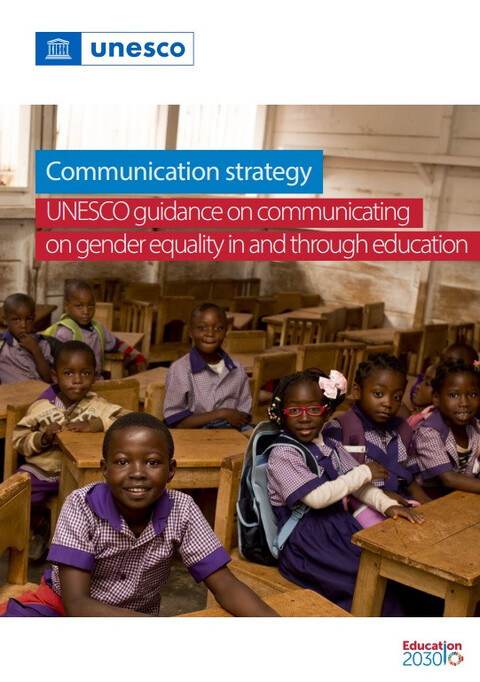 Communication Strategy: UNESCO Guidance on Communicating on Gender Equality in and through Education Année de publication: 2022 Auteur institutionnel: UNESCO About 259 million children and youth are out of school according to the UNESCO Institute for Statistics, including 127 million girls and 132 million boys. Twothirds of the 750 million non-literate adults around the world are women. This gender disparity remains one of the persistent challenges in adult literacy and education. The COVID-19 pandemic has exacerbated existing challenges, disrupting the education of over 1.5 billion learners. UNESCO estimates that close to 24 million children and youth, including over 11 million girls and 13 million boys, may drop out of school due to the pandemic’s economic impact. A window of opportunity is now more than ever open to build back equal. This communication strategy is designed to provide strategic guidance on communicating on gender equality in and through education. While prepared for UNESCO Education Sector staff, including those at Headquarters, in Field/Regional/Cluster Offices and in Institutes as well as for implementing partners, a broader audience of gender focal points, partners, Member States and others with an interest in and commitment to gender equality in and through education may also find this strategy particularly useful. Estrategia de comunicación: Orientaciones de la UNESCO sobre la comunicación en materia de igualdad de género en y a través de la educación Année de publication: 2022 Auteur institutionnel: UNESCO Según el Instituto de Estadística de la UNESCO, aproximadamente 259 millones de niños y jóvenes no están escolarizados, entre los cuales 127 millones de niñas y 132 millones de niños. Asimismo, dos tercios de los 750 millones de adultos analfabetos de todo el mundo son mujeres. Esta disparidad de género sigue siendo uno de los desafíos persistentes en la alfabetización de adultos y la educación. La pandemia de COVID-19 ha exacerbado los desafíos existentes, interrumpiendo la educación de más de 1 500 millones de alumnos. La UNESCO calcula que aproximadamente 24 millones de niños y jóvenes, incluyendo más de 11 millones de niñas y 13 millones de niños, pueden llegar a abandonar la escuela debido al impacto económico de la pandemia. Ahora más que nunca se abre la posibilidad de reforzar la igualdad. Esta estrategia de comunicación está diseñada para proporcionar una orientación estratégica sobre la comunicación de la igualdad de género en y a través de la educación. Aunque se ha preparado teniendo en cuenta al personal del Sector de la Educación de la UNESCO en la Sede, las oficinas fuera de la Sede, regionales y multipaís y los institutos, así como a los asociados en la ejecución, esta estrategia también puede resultar especialmente útil a un público más amplio de coordinadores en cuestiones de género, socios, Estados Miembros y otras personas interesadas y comprometidas con la igualdad de género en y a través de la educación.