
Ressources
Explorez une large gamme de ressources sur le GCED afin d’approfondir votre compréhension et de renforcer vos activités de recherche, de plaidoyer, d’enseignement et d’apprentissage.
980 résultats trouvés
 The Attitudes of Mathematics Teachers towards the use of e-learning at Secondary Schools in Tulkarm District Année de publication: 2021 Auteur: Husam Tawfiq Herzallah Basem Shalash Auteur institutionnel: Al-Quds Open University This study aimed to identify the attitudes of math teachers towards the use of electronic education in the secondary schools in Tulkarm Governorate, the study also identified the impact of the study variables (gender, educational qualification, experience, and the ability to use the computer) on the attitudes of teachers. The researchers used the descriptive analytical method, the study sample consisted of (83) male and female teachers (36) of them are female teachers and the remaining others (47) are male teachers, the researchers used a questionnaire which consists of (35) items, which were applied in the second semester of the academic year (2019/2020) ).The results of the study showed that the attitudes of the sample members towards e-learning were medium average, the results of the study showed that there were many differences in the attitudes according to the gender variable and in favor of males, and no differences appeared or emerged according to other variables. The researchers presented many recommendations and suggestions, the most important of them are: holding scientific courses, and seminars with the aim of spreading awareness and knowledge of e-learning and its benefits on the educational process and encouraging teachers to practice different types of e-learning, as well as studying students' attitudes toward using e-learning.
  مستوى توظيف استراتيجية التعليم المعكوس للمرحلة الأساسية في مديرية التربية والتعليم للواء عين الباشا في ظل جائحة كورونا من وجهة نظر مشرفيها وعلاقتها ببعض المتغيرات Année de publication: 2022 Auteur: Mervat Shehadeh تهدف هذه الى دراسة لأجل التعرف على مستوى توظيف استراتيجية التعليم المعكوس لمعلمي المرحلة الأساسية في ظل جائحة كورونا خلال العام 2021، وذلك من وجهة نظر المشرفين التربويين بمديرية التربية والتعليم للواء عين الباشا. هذا واتبعت الدراسة منهج المسح الاجتماعي؛ حيث تكون حقل الدراسة من )25( مشـرفًا تربويـًا، تـم توزيع استبانة موحدة عليهم جميعًا، هذا وقد خَلُصت الدراسة إلى أن مسـتوى توظيـف اسـتراتيجية التعلـيم المعكـوس كـان متوسـطًا، كـذلك خلصـت الدراسـة بعـدم وجـود فـروق عنـد مسـتوى دلالـة فيمـا يتعلق بمتغيرات ) النـوع الاجتمـاعي والخبـرة العمليـة، هـذا وتوصـي الدراسـة بضـرورة تكثيـف الأبحـاث ذات الصلة بموضوع استراتيجية التعليم المعكوس، وبالأخص في ظل جائحة كورونا، إذ تبين بـأن الأبحـاث قليلـةبمجال الإشراف التربــوي. الكلمات المفتاحية: التعليم المعكوس، جائحة كورونا، المشرفون التربويون، المرحلـة الأساسـية، لـواء عـين الباشـا. The Level of Employment of a Reverse Education Strategy for the Basic Stage in the Directorate of Education for the Ain Al-Basha District in Light of the Corona Pandemic from the Point of View of its Supervisors & Its Relationship to Some Variables Année de publication: 2022 Auteur: Mervat Shehadeh This study aims to identify the level of employment of the Reverse education strategy for primary school teachers in light of the Corona pandemic during the year 2021, from the point of view of educational supervisors in the Directorate of Education of the Ain Al-Basha Brigade.The study followed the social survey method. Where the field of study consisted of (25) educational supervisors, a standardized questionnaire was distributed to all of them, and the study concluded that the level of employing the Reverse learning strategy was average, the study also concluded that there are no differences at the level of significance (α≤ 0.05) with regard to the variables (Gender, practical experience), and the study recommends the need to intensify research related to the issue of the Reverse education strategy, especially in light of the Corona pandemic, as it was found that there are few researches in the field of educational supervision.
  Tout savoir sur le référundum d'initiative citoyenne Année de publication: 2021 Auteur institutionnel: RIC France Cette page présente le réferundum d'initiative citoyenne en détaillant son fonctinnement. Vous trouverez : la définition du réferundum d'initiative citoyenne, les différentes formes de réferundum d'initiative citoyenne, ses étapes, ses effets bénéfiques, les points de vigilances et pleins de vidéos diverses explicatives This page introduces the citizens' initiative referendum and explains how it works. You'll find: the definition of the citizens' initiative referendum, the different forms of the citizens' initiative referendum, its stages, its beneficial effects, points to watch out for, and lots of different explanatory videos.
  Methodical Manual for Teachers on Non-formal Education Année de publication: 2015 Auteur: Albana Markya Auteur institutionnel: International Labour Organization (ILO) The methodological manual has been adapted to help teachers of secondary schools who will be involved in working in classes (groups) of informal education. With the help of this manual, they will be able to present the curriculum of basic education in a more accessible way, use the teaching methodology to better assimilate it for children in difficult life situations, and fill in the gaps in knowledge that have arisen due to their non-attendance at school. In this manual, attention is focused on working children who lagged behind their peers in school due to the fact that they were forced to earn a living for themselves and their families. Методическое пособие для учителей по неформальному образованию Année de publication: 2015 Auteur: Albana Markya Auteur institutionnel: International Labour Organization (ILO) Методическое пособие было адаптировано в помощь учителям общеобразовательных школ, которые будут вовлечены для работы в классах (группах) неформального образования. С помощью данного пособия они смогут более доступно изложить учебную программу базового образования, использовать методику обучения для лучшего ее усвоения для детей, находящихся в трудной жизненной ситуации, и восполнить те пробелы в знаниях, которые возникли по причине их непосещения школы. В данном пособии внимание сфокусировано на работающих детях, которые отстали от своих сверстников в учебе в силу того, что были вынуждены зарабатывать на жизнеобеспечение себя и своей семьи.
  Juvenile Justice: Analysis of Legislation and Judicial Practice of the Republic of Uzbekistan Année de publication: 2015 Auteur institutionnel: UNICEF Uzbekistan This publication was prepared within the framework of cooperation between UNICEF, the Supreme Court of the Republic of Uzbekistan, and the Research Center on Democratization and Liberalization of Judicial Legislation and Ensuring the Independence of the Judicial System under the Supreme Court of the Republic of Uzbekistan. This report contains an analysis of the current legislation and judicial practice on the administration of juvenile justice for compliance with international standards and best practices. Правосудие в отношении несовершеннолетних: Анализ законодательства и судебной практики Республики Узбекистан Année de publication: 2015 Auteur institutionnel: UNICEF Uzbekistan Данная публикация подготовлена в рамках сотрудничества между ЮНИСЕФ, Верховным судом Республики Узбекистан и Исследовательским центром по демократизации и либерализации судебного законодательства и обеспечению независимости судебной системы при Верховном суде Республики Узбекистан. Данный отчет содержит анализ действующего законодательства и судебной практики по отправлению правосудия в отношении несовершеннолетних на предмет соответствия международным стандартам и передовой практике.
 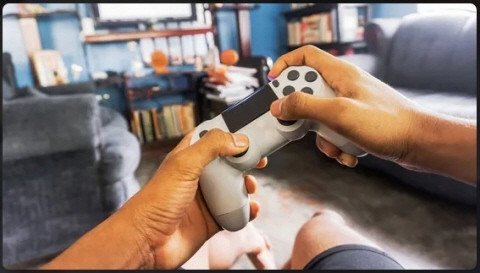 Les clichés du gaming, comment chasser le racisme ou le patriarcat des jeux vidéos ? Année de publication: 2024 Auteur institutionnel: France Inter Produit phare de l’industrie culturelle, le jeu vidéo a, au même titre que le cinéma, une dimension politique et sociale. Certains titres, ont été jugés comme étant racistes. Alors, comment décoloniser le jeu vidéo ?A flagship product of the cultural industry, video games have, like cinema, a political and social dimension. Some titles, like Resident Evil 5, have been deemed racist. So how do we decolonize video games?
  être citoyen numérique, ça te dit ? Année de publication: 2022 Auteur institutionnel: TRALALERE Vinz est très excité, il a été sélectionné pour participer au concours du meilleur citoyen numérique ! En effet, dans les vidéos qu’il a déjà réalisées, il respecte, sans le savoir, la Charte pour l’éducation à la culture et à la citoyenneté numériques. Une belle occasion pour Vinz de nous expliquer les notions de charte et de citoyenneté numérique. Vinz is very excited - he's been selected to take part in the best digital citizen competition! In fact, in the videos he's already made, he unknowingly respects the Charter for Education in Digital Culture and Citizenship. This is a great opportunity for Vinz to explain the concepts of the Charter and of digital citizenship.