
Ressources
Explorez une large gamme de ressources sur le GCED afin d’approfondir votre compréhension et de renforcer vos activités de recherche, de plaidoyer, d’enseignement et d’apprentissage.
2,275 résultats trouvés
 세계시민의식 함양을 위한 청소년활동 활성화 방안 Année de publication: 2017 Auteur: 황세영 | 최정원 | 문지혜 | 최윤 Auteur institutionnel: 한국청소년정책연구원 본 연구는 최근 국제사회 의제와 우리나라 교육정책에서 강조되고 있는 세계시민의식의 함양을 위하여 청소년 활동 활성화 방안을 제시하는데 목적이 있다. 이를 위해 본 연구에서는 기존 국제교류 활동 위주의 청소년 활동에서 확장된 개념으로서, 청소년 세계시민의식 함양을 목표로 하는 글로벌 청소년 활동의 필요성을 제기하였다. 연구내용으로는 먼저 세계시민의식 개념에 대한 국제사회와 학계의 논의, 인접 교육 분야와의 관련성 등을 살피고, 모든 청소년들이 지향하고 내재화할 수 있는 시민의식의 관점에서 세계시민의식에 대해 고찰하였다. 또한 전문가 델파이 조사를 통하여 세계시민의식의 정의 및 구성요소에 대한 합의를 도출하였다. 그리고 국내 세계시민교육, 국제교류, 다문화 이해교육, 국제개발협 력 등의 정책 사업과 민간 청소년 단체 및 개발 NGOs 등의 현황을 살펴보았다. 그 결과 아직까지 청소년 세계시민의식 함양을 위한 종합적인 정책체계가 미진하고, 민관 협력이 강조되고 있지만 청소년 분야에서의 지원과 협력은 미약하다는 점을 알 수 있었다. 이와 관련하여 영국의 글로벌 청소년 활동 역사와 아일랜드의 청소년 정책 사례를 살펴보았는데, 이를 통해 청소년 분야에서 국제개발협력의 접근을 모색하고, 한국형 글로벌 청소년 활동 개념 및 모델 정립의 필요성을 제기하였다. 한편 우리나라 청소년 3,000명을 대상으로 한 설문 조사를 진행하고, 세계시민 정체성과 관련 교육 경험이 전반적인 세계시민의식 형성에 영향을 미치는 주요 변수임을 밝혔으며, 관련 프로그램의 다각화와 양질의 경험 제공이 필요함을 제안하였다. 또한 다섯 가지 청소년 프로그램 사례 및 참여자 경험 분석을 통해 향후 청소년 활동 프로그램의 실행 전략 개발에 시사점을 도출하였다. 마지막으로 전문가 델파이 조사를 통하여 청소년의 세계시민의식 함양에 필요한 교사와 청소년지도자의 필수 역량을 10가지로 제안하고, 향후 전문가 양성과정에 활용할 수 있도록 하였다. 이러한 연구 결과에 따라 본 연구에서는 세계시민의식 함양을 위한 청소년 주도의 활동에 대한 높은 수요에 비해 청소년 활동정책의 추진 동력이 부족하다는 점을 지적하고, 청소년계의 역량에만 의존하기보다는 추진 주체 간 네트워크가 중요함을 강조하였다. 또한 청소년의 세계시민의식 함양을 목표로 하는 한국형 글로벌 청소년활동의 개념과 정책 영역 정립을 제안하였다. 이를 위한 정책 비전으로 “글로벌 청소년활동을 통한 청소년 세계시민의식 함양”을 제시하고, 이를 달성하기 위하여 1) 글로벌 청소년활동 기반구축, 2) 글로벌 청소년활 동 사업 추진, 3) 글로벌 협력 네트워크 구축 등의 정책과제와 17개 세부과제를 제시하였다.
  청소년문화 활성화를 위한 소셜 미디어 활용 연구 Année de publication: 2015 Auteur: 배상률 Auteur institutionnel: 한국청소년정책연구원 본 연구는 청소년 문화라는 키워드에 함축된 교육, 여가, 참여 등 청소년들의 전반적인 삶의 실태와 이들이 가지는 문제의식과 가치를 살펴보고, 청소년들을 위한 소셜미디어의 활용범위와 가능성을 탐구하는데 일차적인 목적을 두고 있다. 이를 통해, 청소년의 건전한 문화형성을 위한 효과적인 수단(tool)이자 소통의 장(field)으로 기여할 수 있는 무한한 잠재력을 갖고 있는 소셜미디어의 활용을 위해 우리 사회와 정부가 마련해야 할 정책 방안을 제시하는 것이 본 연구가 가지는 궁극적인 목적이다. 유해콘텐츠가 소셜미디어를 통해 급속히 확산되고 있는 상황에서, 청소년들은 선별적 규제를 위한 엄격한 기준 마련과 함께 집단지성이란 소셜미디어의 대표적 장점이 사회에 제대로 발현될 수 있도록 디지털 리터러시 역량을 키우는 것이 필요하다. 이를 위해, 본 보고서는 청소년의 디지털 리터러시 함양을 위한 학교단위의 미디어교육의 제도화 및 건전한 소셜미디어 사용을 위한 인터넷드림마을과 같은 캠프의 증설 및 운영의 확대를 제언하였다. 또한 부모 교육 확대 및 정부 차원의 홍보노력도 개선될 필요가 있다. 본 저작물은 '한국청소년정책연구원'에서 '2015년' 작성하여 공공누리 제4유형으로 개방한 '청소년문화 활성화를 위한 소셜 미디어 활용 연구(배상률)'를 이용하였으며, 해당 저작물은 '한국청소년정책연구원 홈페이지(www.nypi.re.kr)'에서 무료로 다운받으실 수 있습니다.
 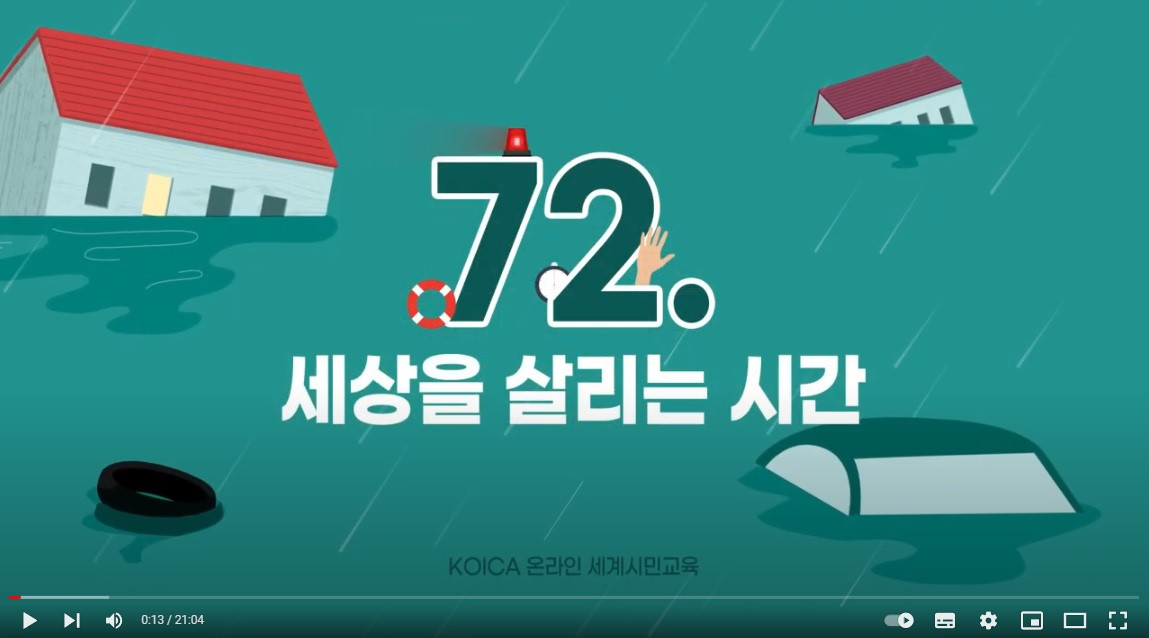 세계시민교육 시리즈 2편: 72, 세상을 살리는 시간 Année de publication: 2021 Auteur institutionnel: 한국국제협력단 KOICA는 SDGs, 긴급구호, 환경, 평화, 성평등, 난민에 대한 국민들의 이해를 높이고자, 6개의 세계시민교육 동영상을 만들어 유튜브로 공유하고자 합니다.2. 72, 세상을 살리는 시간
 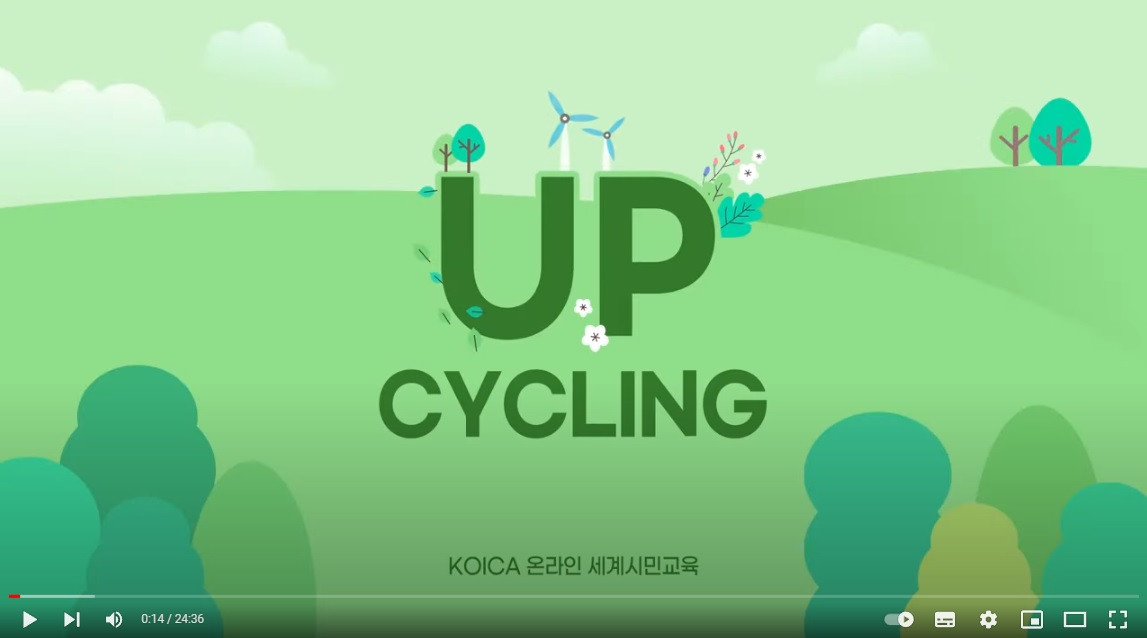 세계시민교육 시리즈 3편: UP CYCLING Année de publication: 2021 Auteur institutionnel: 한국국제협력단 KOICA는 SDGs, 긴급구호, 환경, 평화, 성평등, 난민에 대한 국민들의 이해를 높이고자, 6개의 세계시민교육 동영상을 만들어 유튜브로 공유하고자 합니다.3. UP CYCLING
  세계시민교육 시리즈 4편: DR 콩고 소녀의 행복 찾기 Année de publication: 2021 Auteur institutionnel: 한국국제협력단 KOICA는 SDGs, 긴급구호, 환경, 평화, 성평등, 난민에 대한 국민들의 이해를 높이고자, 6개의 세계시민교육 동영상을 만들어 유튜브로 공유하고자 합니다.4. DR 콩고 소녀의 행복 찾기
  세계시민교육 시리즈 5편: 젠더렌즈로 보는 세상 Année de publication: 2021 Auteur institutionnel: 한국국제협력단 KOICA는 SDGs, 긴급구호, 환경, 평화, 성평등, 난민에 대한 국민들의 이해를 높이고자, 6개의 세계시민교육 동영상을 만들어 유튜브로 공유하고자 합니다.5. 젠더렌즈로 보는 세상
  세계시민교육 시리즈 6편: 난, 민이라고 해 Année de publication: 2022 Auteur institutionnel: 한국국제협력단 KOICA는 SDGs, 긴급구호, 환경, 평화, 성평등, 난민에 대한 국민들의 이해를 높이고자, 6개의 세계시민교육 동영상을 만들어 유튜브로 공유하고자 합니다.6. 난, 민이라고 해
 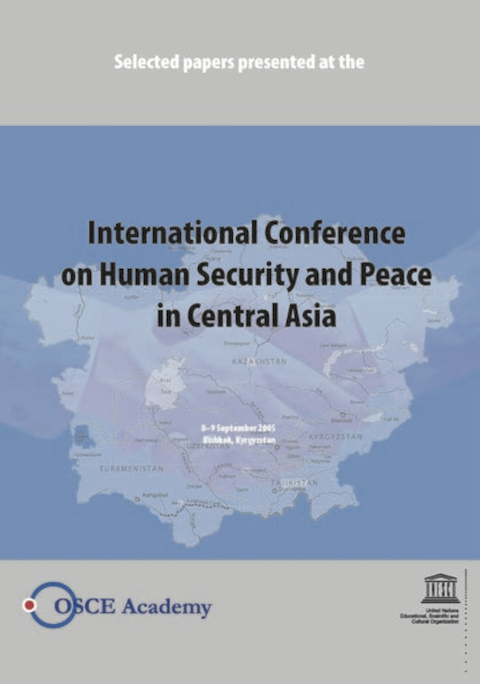 Международной конференции Гуманитарная безопасность и мир в Центральной Азии Année de publication: 2007 Auteur institutionnel: Организация Объединенных Наций по вопросам образования, науки и культуры (UNESCO) | Академия ОБСЕ в Бишкеке В перспективе противостояния угрозам и поощрения развития в Центральной Азии, на основе сотрудничества ЮНЕСКО и Академией ОБСЕ была организована международная конференция «Гуманитарная безопасность и мир в Центральной Азии». Эти две организации целенаправленно занимаются вопросами укрепления международной безопасности и взаимопонимания путем выявления и развития разнообразных гуманитарных и культурных ценностей мира и поощрения диалога на основе признания и уважения разнообразия и соблюдения прав человека.
  وضع تصورات جديدة لمستقبلنا معاً Année de publication: 2021 Auteur institutionnel: International Commission on the Futures of Education | منظمة الأمم المتحدة للتربية والعلم والثقافة (UNESCO) تتسّم أحوال العالم في الوقت الراهن أن الظروف باتت ناضجة لإحداث تغيير. وقد بدأت التشققات في النموذج الإنمائي القائم على استغلال كوكب الأرض مفرطًا للخطر، وظهرت أوجه هشاشته من خلال الأزمات المتراكبة والمترابطة عالميًا مثل أزمة المناخ التي يفاقم من حدتها الفقر وعدم المساواة والإقصاء. ولا بد لنا من إحكام التصرف لمواجهة التحديات التي تهدّد السلم وتؤثّر في الحقوق والفرص، بما في ذلك الجائحة، والحروب، والعنف، وتفاقم أوجه اللامساواة، والتمييز، وانتشار خطاب الكراهية.ويمثّل التعليم اليوم مفترق طرق حاسمًا، فإننا نواجه خيارًا يتمثّل إما في مواصلة السير على النهج نفسه الذي سلكناه حتى الآن، أو تغيير المسار جذريًا، ولا يمكن لهذا الخيار إلا أن يكون جماعيًا، فلنتخيّل مستقبلًا للتعليم يعزّز السلام، والعدالة الاجتماعية، والاهتمام بالطبيعة، ويعزز القدرة على الإنعكاس، والعمل، والتغيير المشترك.ويجب أن يتجسّد هذا المستقبل في صورة مدرسة منفتحة ومتجددة وتشاركية تتيح الوقت والمجال لتعلّم القيم، والمعارف، والمهارات اللازمة للتعاون والمشاركة في إحداث التغيير.وتحتاج عملية التعلّم إلى أن تتمحور حول الطفولة، والشباب، وحياتهم، وأن ترتكز على الثقة، والاحترام المتبادل، والتعاون، ولا يمكن فصل مستقبل التعليم عن مستقبل العمل، والتكنولوجيا، والديموقراطية، وكوكب الأرض، ويجب أن يساعدنا التعليم في فهم عالمنا المتغيّر وفي التصرف بشأن ما نواجهه من تحدّيات على نحو تعاوني.إن هذا التقرير ثمرة مشاورات عالمية جديدة بين الجهات المعنية بالتعليم جميعها، ويقترح مجموعة من التوصيات الأساسية من أجل إصلاح التعليم وتحويله، وهو يدعونا إلى إعتماد مقاربة جديدة في التفكير والعمل - مقاربة تتجاوز الحلول المجزّأة، ومقاربة تبني على التطلعات الجماعية وعلى التضامن، وتسترشد بالإنسانية وبالحقوق، وتتخذ شكل التزام عالمي مشترك.وينبغي لنا أن نعتمد الآن نهجًا جديدًا إزاء التعليم، نهجًا يعكس واقعنا الحالي ويستجيب لما نتطلّع إليه من آمال، ويتطلّب هذا النهج الجديد بذل جهود جماعية متجددة من جانب الحكومات، والمجتمع المدني، والمنظمات الإقليمية، والمؤسسات، والأطراف الفاعلة في الميدان التربوي، والمعلمين، والطلاب، والشباب، والأطفال.وليس ثمّة توصية واحدة أو مشروع واحد يُحقق التغيير في جميع أنحاء العالم، وإنما لا بدّ من تحديد مجموعة واسعة من التدابير على الصعيدين المحلي والعالمي.ويأمل هذا التقرير أن يشكّل مرجعًا مفيدًا يوفّر مبادئ توجيهية من منظور إنساني بشأن السياسات، والتخطيط، والممارسات التعليمية، ويساعد على بلورة رؤية جديدة للتعليم ومستقبلنا المشترك، فلكي نتمكّن من إعادة تصوّر التعليم، لا بدّ من مبادرة واسعة النطاق تتجاوز قطاع التعليم، ولا بدّ من عمل جماعي في سبيل الصالح العام.ولا خطة أفضل طويلة الأجل من التعليم لمساعدتنا في بناء عالم عادل، وسلمي، ومستدام. 一起重新构想我们的未来:为教育打造新的社会契约 Année de publication: 2021 Auteur institutionnel: International Commission on the Futures of Education | 联合国教科文组织 (UNESCO) 我们人类和地球正遭受着威胁。新冠肺炎疫情只不过证明了我 们的脆弱性和相互关联性。我们现在需要采取紧急行动,一起改变 方向,重新构想我们的未来。“教育的未来”国际委员会的这份报 告认可教育可以带来深刻变革。我们目前面临着双重挑战,即兑现 尚未实现的承诺,确保每位儿童、青少年和成年人都有权接受优质 教育,以及把教育当作我们通往可持续共同未来的路径, 充分实现其变革潜力。为了做到这一点,我们需要一 份能够在改变未来的同时, 修复现有不公正的新的教育社会契约。这一新的社会契约必须以人权为依据, 以 非歧视性、 社会正义、 尊重生命、 人的尊严和 文化多样性等原则为基础。 它必须包含关怀、 互惠和团结的伦理。 它必须加强教育作为公共事 业、 共同利益的地位。这份报告建立在历时两年、约100万人参与的全球协商过程的基 础之上,它邀请世界各地政府、机构、组织和公民为教育订立一份 新的社会契约,帮助我们为所有人创造和平、公正和可持续的未来。这份报告所提出的愿景、原则和建议只是一个起点。对其进行 解读和本土化实践,是我们需要共同努力完成的事业。目前的工作 中已经存在许多亮点,本报告试图捕捉这些亮点,同时也以其为基 础进行构建。本报告既不是一部指南,也不是一幅蓝图,而是一场 至关重要的对话的起点。