
Ressources
Explorez une large gamme de ressources sur le GCED afin d’approfondir votre compréhension et de renforcer vos activités de recherche, de plaidoyer, d’enseignement et d’apprentissage.
2,275 résultats trouvés
 Youth, Peace and Security: A Programming Handbook Année de publication: 2021 Auteur institutionnel: United Nations Population Fund (UNFPA) | United Nations Development Programme (UNDP) | UN. Peacebuilding Support Office (UN. PBSO) | Folke Bernadotte Academy (FBA) Youth, Peace and Security: A Programming Handbook seeks to contribute to the operational readiness and capacity of United Nations practitioners to implement the youth, peace and security (YPS) agenda.The handbook is intended to be used by country, regional and global teams in the United Nations system, but it can also provide insights and guidance to field practitioners beyond the United Nations, including other international or regional organizations, national counterparts, youth-led and youth-focused organizations, movements and networks, and peacebuilding organizations.The handbook builds on recent evidence and increasing momentum to prioritize youth-inclusive and youth-sensitive peace and security programming, as a core element of more sustainable and long-lasting peacebuilding efforts.
  SDG Good Practices: A Compilation of Success Stories and Lessons Learned in SDG Implementation (2nd Edition) Année de publication: 2022 Auteur institutionnel: UN. Department of Economic and Social Affairs (UN. DESA) In 2021, building on the success of the first open call in 2018-2019, the United Nations Department of Economic and Social Affairs (UNDESA) launched a second open call for SDG Good Practices, Success Stories and Lessons Learned by governments, the UN system entities and other stakeholders. More than 700 submissions were received and reviewed by an inter-agency team of UN experts and over 460 have been made publicly available in a dedicated online platform.This publication has been curated to highlight a sample of selected initiatives during the second open call. The 21 SDG Good Practices contained in the publication shared their lessons learned and identify how the practices can be scaled and replicated worldwide. Bringing this global expertise to scale will be critical to support recovery efforts from the COVID-19 pandemic and to accelerate progress towards the Decade of Action to deliver the SDGs. Through this publications, global readers from all sectors could find out how different stakeholders are building partnerships to find innovative solutions to achieve a better and more sustainable future for all. 지속가능발전목표(SDG) 우수 사례: SDG 구현의 성공 사례 및 교훈 모음(개정판) Année de publication: 2022 Auteur institutionnel: UN. Department of Economic and Social Affairs (UN. DESA) 2021년 2018-19년 1차 공개 요청의 성공에 힘입어 유엔 경제사회부(United Nations Department of Economic and Social Affairs, UNDESA)는 지속가능발전목표(Sustainable Development Goal, SDG) 우수 사례 및 성공 사례, 정부, UN 기관 및 기타 이해 관계자가 배운 교훈에 대한 2차 공개 요청에 착수했다. 출판물에 포함된 이 문서는 이들이 배운 교훈을 공유하고 이 관행을 전 세계로 확장하고 모방할 수 있는 방법을 제공한다. 이러한 세계 전문 지식을 널리 보급하는 일은 코로나바이러스감염증-19(COVID-19) 대유행으로부터의 회복 노력을 지원하고 SDG를 실현하기 위한 10년간의 행동 진전을 가속화하는 데 무엇보다 중요하다. 이를 통해 세계 독자들은 모두를 위한 지속 가능한 미래를 구축하기 위해 혁신적인 해결책을 찾는 데 다양한 이해 관계자가 어떻게 협력하는지를 확인할 수 있다.
  Amnesty International Report 2021/22: The State of the World’s Human Rights Année de publication: 2022 Auteur institutionnel: Amnesty International The Amnesty International Report 2021/22 highlights the human rights situation in 154 countries in 2021. It presents Amnesty International’s documented concerns and recommendations for governments and others. From a human rights perspective, 2021 was largely a story of betrayal and hypocrisy in the corridors of power. But hopes for a better post-pandemic world were kept alive by courageous individuals, social movements and civil society organizations. Their efforts and limited hard-won victories should prompt governments to live up to their promises.
 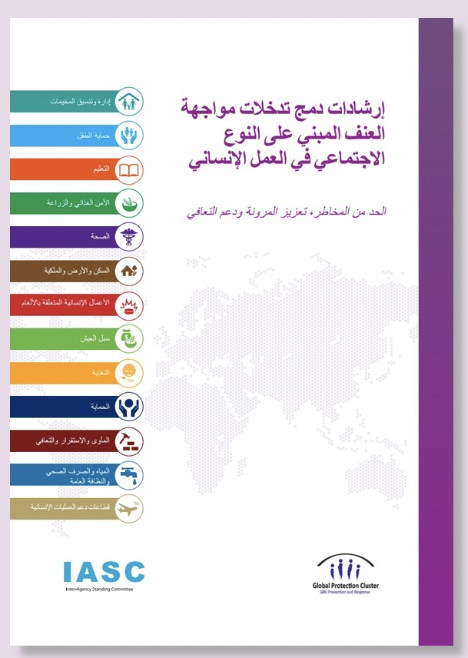 Guidelines for Integrating Gender-Based Violence Interventions in Humanitarian Action Année de publication: 2015 Auteur: Jeanne Ward | Julie Lafrenière Auteur institutionnel: Inter-Agency Standing Committee (IASC) The file is the Guidelines on Gender-Based Violence issued in 2005 by the Special Inter-Agency Task Force, led by UNICEF and the United Nations Population Fund, and endorsed by the Inter-Agency Standing Committee in 2015. The purpose of these Guidelines is to assist humanitarian actors and communities affected by armed conflict, natural disasters, and other humanitarian emergencies to coordinate, plan, implement, monitor and evaluate essential actions to prevent and reduce gender-based violence in all sectors of the humanitarian response.The overall goal of the Guidelines is to support humanitarian stakeholders in fulfilling their responsibility to protect all those affected by crises, by:- Reducing risk of GBV by implementing GBV prevention and mitigation strategies from pre-emergency to recovery stages of humanitarian action.- Promoting resilience by strengthening national and community-based systems that prevent and mitigate GBV, and by enabling survivors and those at risk of GBV to access specialized care and support.- Aiding recovery of communities and societies by supporting local and national capacity to create lasting solutions to the problem of GBV.
 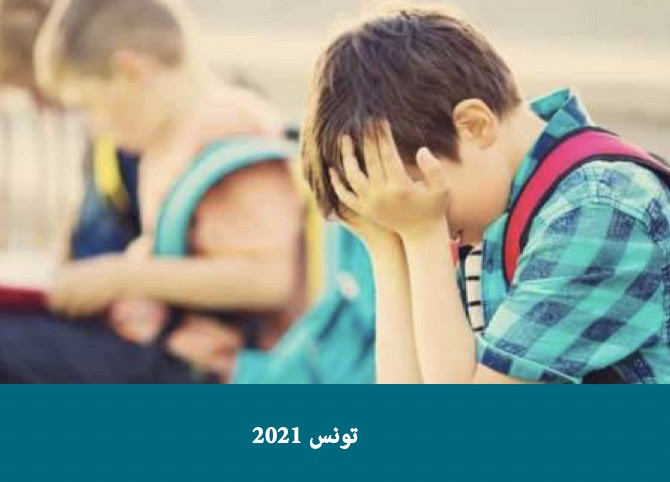 الرسوب والتسرب في مرحلة التعليم الأساسي في الدول العربية Année de publication: 2021 Auteur: Noor Aldeen Alsasi Auteur institutionnel: Arab League Educational, Cultural and Scientific Organization (ALECSO) الملف هو تقرير أنتجته المنظمة العربية للتربية والثقافة والعلوم (الألكسو) عن التسرب والرسوب في مرحلة التعليم الأساسي بالوطن العربي. ويهدف التقرير للإجابة عن الأسئلة التالية:- ما الأسباب التي حالت، وقد تحول في قادم السّنوات، دون تحقيق إلزاميّة التّعليمحتى سنّ السّادسة عشر، على الأقلّ في البلدان التي يدخل هذا البند ضمن أهدافهاالاستراتيجية في مجال التربية والتعليم؟ - ما الأسباب الجوهريّة لرسوب طلبة التّعليم الأساسيّ وتسرّبهم من الدّراسة قبلإتمام هذه المرحلة أو بقاء البعض منهم خارج المنظومة التربوية دون نيل حقهم في التعلّم؟- ما المقترحات الكفيلة بالسير قُدُما إلى ما يفضي إلى معالجة ظاهرة الهدر المدرسيّبالنّجاعة المطلوبة، في مرحلة مفصليّة في تكوين الشّخص وبناء ذاته وخدمة المجتمع؟ Repetition and Dropout in Basic Education in the Arab Countries Année de publication: 2021 Auteur: Noor Aldeen Alsasi Auteur institutionnel: Arab League Educational, Cultural and Scientific Organization (ALECSO) The file is a report produced by the Arab Organization for Education, Culture and Science (ALECSO) on dropout and repetition in basic education in the Arab world. The report aims to answer the following questions:What are the reasons that have prevented, and may prevent in the coming years, from achieving compulsory education?Until the age of sixteen, at least in the countries for which this clause falls within their objectivesStrategy in the field of education?- What are the main reasons for basic education students failing and dropping out of school beforeCompleting this stage or keeping some of them outside the educational system without their right to education?What are the proposals to move forward towards addressing the phenomenon of school wasting?With the required efficiency, at a critical stage in the formation of the person, building himself and servingthe society?
  التنمية المستدامة في دولة قطر: الإنجازات والتحديات Année de publication: 2008 Auteur: Nuzad Alhiti | Mohammed Almahindi Auteur institutionnel: Standing Committee for Housing يتناول هذا الكتاب الأطر النظرية للتنمية المستدامة وتطبيقاتها في دولة قطر، وقد قسم إلى أربعة فصول، يتناول الفصل الأول بيان مفهوم التنمية المستدامة وأبعادها والتطور الذي شهدته، فضلاً عن توضيح مؤشرات التنمية المستدامة الاجتماعية والاقتصادية والبيئية والمؤسسية. ويستعرض الفصل الثاني التطورات المؤسسية والتشريعية للتنمية المستدامة في دولة قطر، وأهم المبادرات التي قامت بها الدولة لتحقيق التنمية المستدامة، علاوة على بيان أهم الاستراتيجيات والسياسات التي وضعتها الدولة في المجالات الاجتماعية والاقتصادية والبيئية والمؤسسية للتنمية المستدامة. أما الفصل الثالث، فإنه يتناول تحليل أهم مؤشرات التنمية المستدامة الاجتماعية والاقتصادية والبيئية والمؤسسية، وبيان جوانب القوة والضعف فيها، في حين يستعرض الفصل الرابع والأخير أهم التحديات التي تواجه التنمية المستدامة في دولة قطر. إرشادات دمج تدخلات مواجهة العنف المبني على النوع الاجتماعي في العمل الإنساني Année de publication: 2015 Auteur: Jeanne Ward | Julie Lafrenière Auteur institutionnel: Inter-Agency Standing Committee (IASC) الملف عبارة عن " الإرشادات حول العنف المبني على النوع الاجتماعي" الصادرة عام 2005 من قبل فريق العمل الخاص بين الوكالات، بقيادة اليونيسيف وصندوق الأمم المتحدة للسكان، وأقرتها اللجنة الدائمة المشتركة بين الوكالات في عام 2015. إن الهدف من هذه الإرشادات هو مساعدة الجهات الفاعلة الإنسانية والمجتمعات المتأثرة بالنزاع المسلح، والكوارث الطبيعية، وغيرها من حالات الطوارئ الإنسانية من أجل التنسيق، والتخطيط، والتنفيذ، ورصد وتقييم الإجراءات الأساسية للوقاية والحد من العنف المبني على النوع الاجتماعي في جميع قطاعات الاستجابة الإنسانية.ويمكن الإشارة بأنه الإرشادات هي دعم صناع القرار في مجال العمل الإنساني في الوفاء بمسؤوليتهم في حماية جميع أولئك المتضررين من الأزمات، من خلال:- مساعدة المجتمعات المحلية والمجتمعات وذلك من خلال دعم القدرات المحلية والوطنية لإيجاد حلول دائمة لمشكلة العنف المبني على النوع الاجتماعي.- تعزيز المرونة من خلال تعزيز النظم الوطنية والمجتمعية التي تعمل على الوقاية والحد من العنف المبني على النوع الاجتماعي، وأيضاً من خلال تمكين الناجين والمعرضين لخطر العنف المبني على النوع الاجتماعي للوصول للرعاية المتخصصة والدعم.- الحد من مخاطر العنف المبني على النوع الاجتماعي وذلك من خلال تنفيذ استراتيجيات الوقاية والحد في مراحل العمل الإنساني من قبل حصول حالة الطوارئ وحتى مرحلة التعافي.
  Citizenship Education at Regional Conflict Zones Année de publication: 2020 Auteur: Nazarii Boiarskyi | Aleksey Telichkin | Nikolay Nazarov | Yuriy Petrushenko | Alexandru Postica | Sasha Delemenchuk | Valery Balaian | Oleksandr Voitenko | Rauf Rajabov Auteur institutionnel: Human Rights Vector This publication is prepared by ‘Human Rights Vector’ NGO (Ukraine) as part of ‘Citizenship Education at Regional Conflict Zones’ projects that is being implemented by a ‘Citizenship Education at Regional Conflict Zones’ working group within EENCE network with the support of the Federal Agency for Civic Education (Bundeszentrale für politische Bildung) using funds appropriated by the Federal Foreign Office. This publication is the result of the activities of “Citizenship Education at Regional Conflict Zones” working group within EENCE network in 2020. The manual presents an understanding of conflicts in the modern world, as well as an overview of regional conflicts in the countries of the Eastern Partnership and Russia; it contains the analysis of the condition of formal and non-formal education in the conflict-affected areas; information on the specifics of planning and implementing citizenship education programs in the conflict-affected areas and for people from such areas, examples of the best educational practices.