
Ressources
Explorez une large gamme de ressources sur le GCED afin d’approfondir votre compréhension et de renforcer vos activités de recherche, de plaidoyer, d’enseignement et d’apprentissage.
2,275 résultats trouvés
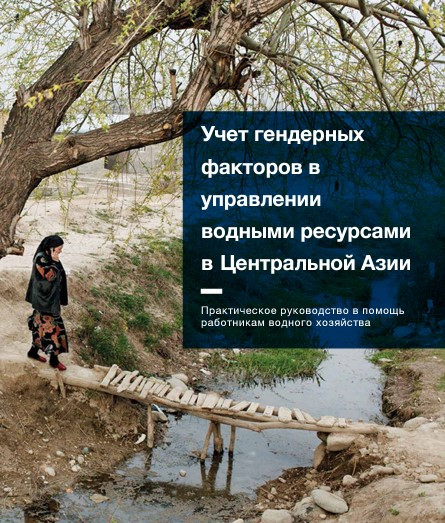 Учет гендерных факторов в управлении водными ресурсами в Центральной Азии Année de publication: 2020 Auteur institutionnel: Organization for Security and Co-operation in Europe (OSCE) БКЭЭД разработало это руководство по учету гендерной проблематики в управлении водными ресурсами в Центральной Азии для специалистов-водников региона. Учет гендерных аспектов в управлении водными ресурсами способствует стабильности и безопасности, поскольку может привести к более эффективной политике и уменьшить социальные диспропорции и напряженность. Когда женщины и мужчины в равной степени принимают решение о том, как использовать воду, решения становятся более целенаправленными и в большей степени отражают потребности всего населения.
  Report on the Results of the Assessment of the Needs of Youth and Women in the Use of Civil Technologies to Solve Social Problems Année de publication: 2022 Auteur: Kamila Kovyazina | Damesh Satova Auteur institutionnel: Paperlab Research Center (Kazakhstan) Despite the proclaimed equality of opportunities and rights, certain groups of the population in Kazakhstan have privileges compared to others. It is essential to increase the capacity and capacity of women and youth to participate in decision making and change. In modern conditions, one of the most promising ways to increase the participation of these two groups in the life of the country is civilian technology and self-organization. Отчет по результатам оценки потребностей молодежи и женщин в вопросе использования гражданских технологий для решения социальных проблем Année de publication: 2022 Auteur: Kamila Kovyazina | Damesh Satova Auteur institutionnel: Исследовательский центр Paperlab (Казахстан) Несмотря на провозглашаемое равенство возможностей и прав, отдельные группы населения в Казахстане обладают привилегиями по сравнению с другими. Крайне важно повысить потенциал и возможности женщин и молодежи для участия в процессе принятия решений и проведения изменений. В современных условиях одним из наиболее перспективных способов повысить участие этих двух групп в жизни страны являются гражданские технологии и самоорганизация.
 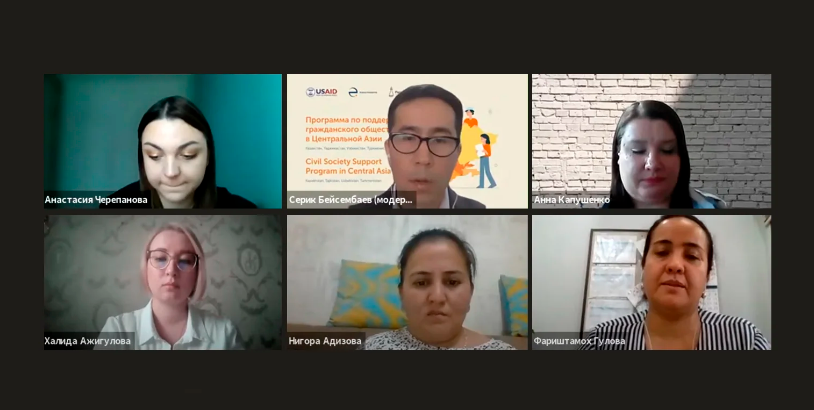 Борьба с насилием в отношении женщин в Центральной Азии: Новые законы, старые практики Année de publication: 2021 Auteur institutionnel: Исследовательский центр Paperlab (Казахстан) Проблема насилия в отношении женщин все еще остается острой проблемой в странах Центральной Азии. Согласно ООН, 18% женщин из стран этого региона сообщили, что лично сталкивались с бытовым насилием и дискриминацией. На дискуссионной онлайн-площадке PaperLab эксперты и исследователи вместе с представителями гражданского общества и государственных органов обсудили тему борьбы с гендерным насилием в контексте законодательных и программных мер, которые реализуются в странах Центральной Азии.
  Political Participation of Young People in Kazakhstan: The Role of Digital Technologies Année de publication: 2022 Auteur institutionnel: Paperlab Research Center (Kazakhstan) At the end of July, the PaperLab Research Center held a discussion on "Political participation of youth in Kazakhstan: the role of digital technologies". Experts say that after the January events, Kazakhstanis became more interested in politics. But the real political participation of young people is still limited. Политическое участие молодежи в Казахстане: Роль цифровых технологий Année de publication: 2022 Auteur institutionnel: Исследовательский центр Paperlab (Казахстан) В конце июля исследовательский центр PaperLab провел дискуссию «Политическое участие молодежи в Казахстане: роль цифровых технологий». Эксперты говорят, что после январских событий казахстанцы стали больше интересоваться политикой. Но реальное политическое участие молодежи пока ограничено.
  دليل استرشادي لصياغة سياسات حماية حقوق الطفل في المنطقة العربية وفق النهج الحقوقي Année de publication: 2015 Auteur: Adel Azar | Ahmed Abd al manaem | Abdul Latif Mahmoud | Ibtisam Al-Jafarawi | Mahmoud Bastami Auteur institutionnel: Arab Council for Childhood and Development (ACCD) هذا العمل يهدف إلى بناء دليل استرشادي لسياسات الحماية في إطار تعزيز الانتقال من نهج النموذج التجزيئي الذي يتعامل مع احتياجات الطفل في إطار الأوضاع القائمة بل وإعادة إنتاجها، أي باعتبار ما يحتاجه الطفل من خدمات، للانتقال من هذا النهج، إلى نهج النموذج العلمي الذي يتطلع إلى التغيير الشامل. اهتم هذا الدليل بتوفير رؤية شاملة ومتكاملة لسياسات حقوق الطفل، وصياغة معايير ودلالات هذه الحقوق وبرمجتها لضمان إنفاذها، وبناء سياسات فاعلة تكفل حقوق ورفاه الطفل في المنطقة العربية. A Guideline for Formulating Child Rights Protection Policies in the Arab Region according to the Human Rights Approach Année de publication: 2015 Auteur: Adel Azar | Ahmed Abd al manaem | Abdul Latif Mahmoud | Ibtisam Al-Jafarawi | Mahmoud Bastami Auteur institutionnel: Arab Council for Childhood and Development (ACCD) This work aims to build an indicative guide for children protection policies in the context of promoting the transition from the approach of the fragmented model that deals with the needs of the child within the framework of the existing conditions and even its reproduction. It also considers the services that the child needs, to move from this approach, to the approach of the scientific model that aspires to comprehensive change. This guide is concerned with providing a comprehensive and integrated vision of children's rights policies, formulating standards and implications for these rights and programming them to ensure their enforcement, and building effective policies that guarantee the rights and well-being of children in the Arab region.
 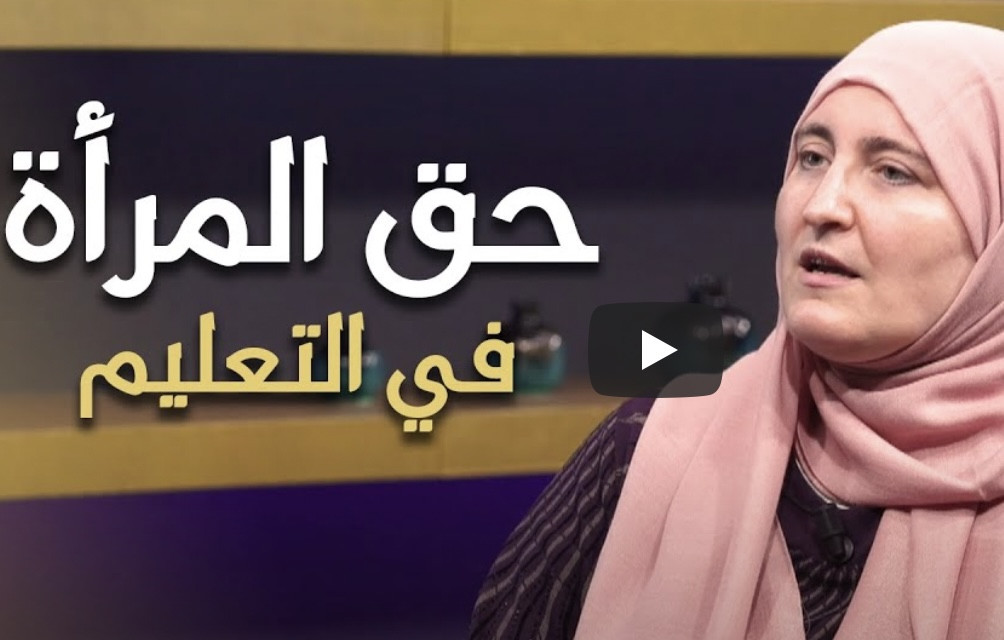 حق المرأة في التعليم Année de publication: 2021 Auteur: Alya Shaker Auteur institutionnel: Qaf TV الفيديو عبارة عن حلقة من برنامج "دولة النساء" في قناة قاف التفاعلية. الحلقة بعنوان "المرأة محقها في التعليم". تناولت فيها المذيعة الموضوع مع الدكتورة "نسيبة جلال". الحلقة ناقشت نظرة الدين الإسلامي الحنيف في حق المرأة في التعليم والأسباب الاجتماعية والاقتصادية التي كانت تمنع المرأة من التعلم وواقعها اليوم وما هي الآثار الإيجابية الكثيرة في حال تعليم المرأة من الناحية الشخصية والاجتماعية والاقتصادية. وأيضا تناقش الأسباب المساعدة على تيسير وتطبيق هذا الحق في أيامنا الحالية.
 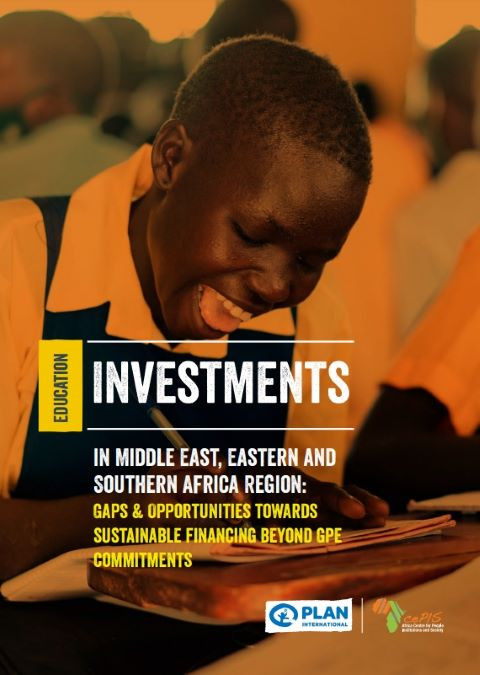 Education Investments in Middle East, Eastern and Southern Africa: Gaps & Opportunities Towards Sustainable Financing Beyond GPE Commitments Année de publication: 2022 Auteur institutionnel: Plan International To achieve the goals of the global and continental agendas of repositioning access, equity, quality education and skills development as key drivers of inclusive growth and sustainable development, African governments must provide a level of predictable and sustainable investment in education. With these strategic investments, African countries can change the status quo, accelerate the pace of catching up with the developed countries and be able to compete in an increasingly technology and knowledge-based world where skills have become the “global currency of the 21st century”. Plan International in Middle East, Eastern and Southern Africa commissioned a study to assess the extent to which the Education Sector budget is adequate, gender-responsive and inclusive and to analyse education budget trends between 2019 and 2021. The focus was to generate concrete evidence regarding trends in education sector budget allocations and expenditure. Furthermore, due to the recent pandemic, the study aimed to compare current and previous allocations to detect trends/patterns in allocations and any reallocations due to COVID-19. Specifically, the study sought to: Analyse allocations (and expenditure) to the education sector with a particular focus on initiatives aimed at supporting the provision of gender-responsive and disability-inclusive education in line with the country policies; Assess the efficiency of resource allocation and use against planned expenditure; and Recommend effective strategies for CSOs and citizens to advocate for education budget increase to or above 20% of the national budget and 6% of GDP. The study focused on 10 countries in the region – Kenya, Uganda, Zambia, Malawi, Zimbabwe, South Sudan, Tanzania, Egypt, Somalia and Rwanda. With a multi-pronged research process of budget tracking and analysis, policy analysis, political economy analysis and varied data collection methods – the research findings and recommendations are ready for wider dissemination and use.