
Ressources
Explorez une large gamme de ressources sur le GCED afin d’approfondir votre compréhension et de renforcer vos activités de recherche, de plaidoyer, d’enseignement et d’apprentissage.
1,852 résultats trouvés
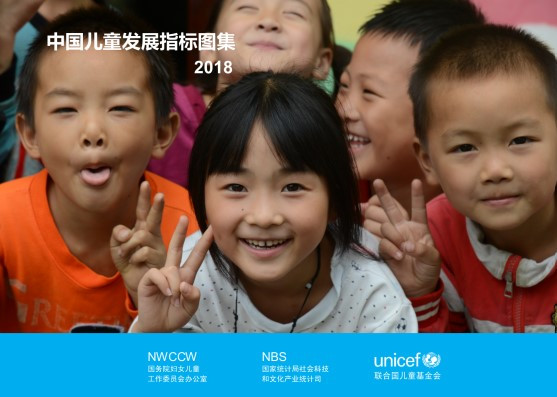 An Atlas of Social Indicators of Children in China 2018 Année de publication: 2018 Auteur institutionnel: United Nations Children's Fund (UNICEF) | National Working Committee on Children and Women (NWCCW) | National Bureau of Statistics (NBS). Department of Social, Science, Technology and Cultural Statistics By bringing together the latest authoritative, official data on the main indicators of child survival, development and protection and presenting them in a visual manner, the Atlas has faithfully reflected the achievements, as well as issues and challenges in realizing children’s rights in China. 中国儿童发展指标图集 2018 Année de publication: 2018 Auteur institutionnel: United Nations Children's Fund (UNICEF) | National Bureau of Statistics (NBS). Department of Social, Science, Technology and Cultural Statistics | National Working Committee on Children and Women (NWCCW) 本图集汇集了有关中国儿童生存、发展、保护状况的主要指标和最新权威数据信息,以可视化图表的形式,集中展现了中国儿童发展取得的成就,客观反映了中国实现儿童权利所面临的问题和挑战。
 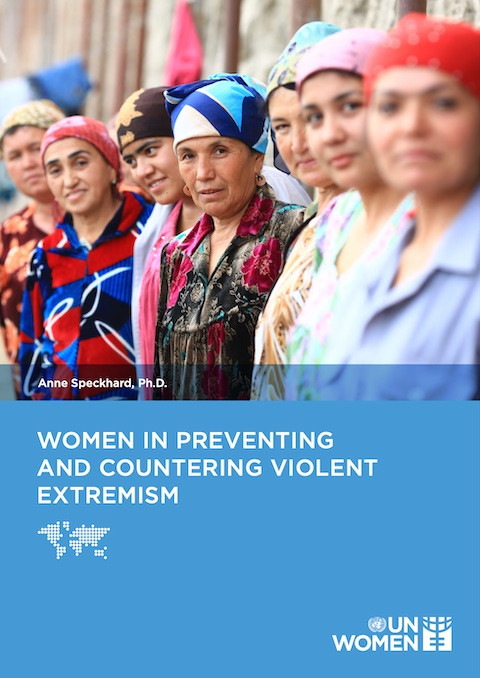 A Training Manual: Women in Preventing and Countering Violent Extremism Année de publication: 2021 Auteur: Anne Speckhard Auteur institutionnel: United Nations Entity for Gender Equality and the Empowerment of Women (UN Women) This publication serves as guidance for actors involved in the prevention and countering of violent extremism (P/CVE) in Europe and Central Asia including state officials, members of non-governmental organizations, community activists, staff of UN agencies, international and regional organizations to help them understand violent extremism’s gender dimensions. It is designed as a training guide, for staff and trainers who are working with different counterparts engaged in P/CVE, and want to help create more effective and gender-sensitive responses. Participants may for example include civil society activists, women leaders, teachers, journalists, lawyers, social workers, religious authorities, youth, police, local and national governmental officials. The five modules in this guide include learning objectives, explanatory text, warm-up activities, practical exercises, references for further reading and empirical experiences from the region of Europe and Central Asia. Modules may be used all together or one-by-one. The ideal timeframe for delivering the training using all the modules is at least two and a half days (half day per unit). The training is suitable for groups of five to twenty-five people. When organizing the workshop consider gender, age and diversity factors to have the richest learning experience possible. Participants should feel that they are in a safe space where they can openly share their ideas and experiences. Needed materials are indicated for the different exercises. As the guide is aimed at increasing the awareness of persons with different levels of sensitivity and knowledge on violent extremism and gender equality, across Europe and Central Asia, it is an introduction which readers should complement with other resources for deeper and more technical insights. The training should also be tailored to the participants’ interests and needs and to the local context.
 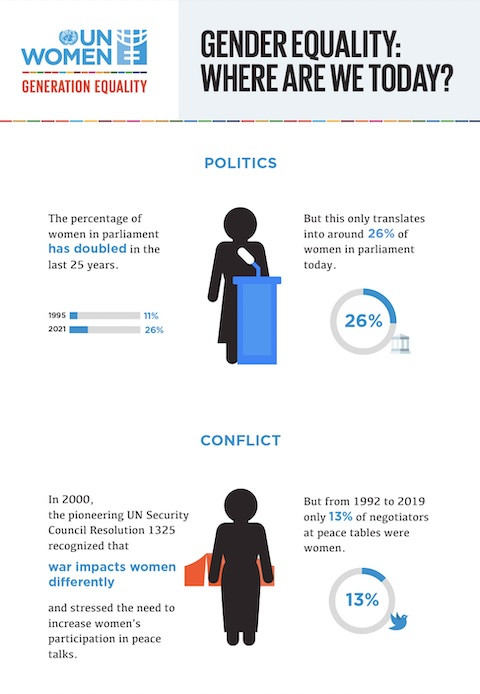 Gender Equality: Where Are We Today? Année de publication: 2021 Auteur institutionnel: United Nations Entity for Gender Equality and the Empowerment of Women (UN Women) This infographic highlights progress and remaining challenges for women in a range of areas, from politics, to literacy, to wages and media representation. Égalité des sexes : Où en sommes-nous actuellement? Année de publication: 2021 Auteur institutionnel: United Nations Entity for Gender Equality and the Empowerment of Women (UN Women) Cette infographie souligne les avancées réalisées à ce jour ainsi que les nombreux défis restant à affronter pour achever l'égalité des sexes. Igualdad de género : ¿Dónde nos encontramos hoy? Année de publication: 2021 Auteur institutionnel: United Nations Entity for Gender Equality and the Empowerment of Women (UN Women) Esta infografía resalta todo el camino recorrido y los numerosos retos pendientes de superar para lograr la igualdad.
 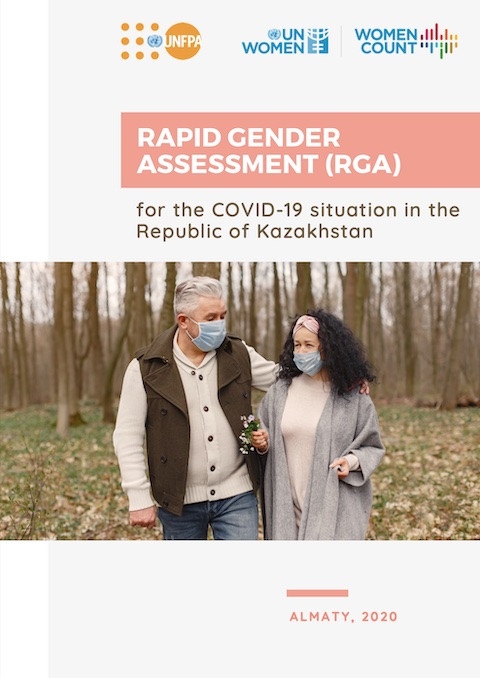 Rapid Gender Assessment: For the COVID-19 Situation in the Republic of Kazakhstan Année de publication: 2020 Auteur institutionnel: The Center for Social and Political Studies "Strategy" | United Nations Population Fund (UNFPA) | United Nations Entity for Gender Equality and the Empowerment of Women (UN Women) The Rapid Gender Assessment on COVID-19 in the Republic of Kazakhstan was prepared by the CFSPI "Strategy" for UN Women and the UN Population Fund. It provides important information about gender roles and responsibilities, opportunities and vulnerabilities that have emerged in society in light of the COVID-19 outbreak. Быстрая гендерная оценка (бго): В отношении COVID-19 в республике Казахстан Année de publication: 2020 Auteur: The Center for Social and Political Studies "Strategy" Auteur institutionnel: The Center for Social and Political Studies "Strategy" | United Nations Population Fund (UNFPA) | United Nations Entity for Gender Equality and the Empowerment of Women (UN Women) Быстрая Гендерная Оценка в отношении COVID-19 в Республике Казахстан подготовлена ОФ ЦСПИ «Стратегия» для Структуры «ООН- женщины» и Фонда ООН в области народонаселения. Он предоставляет важную информацию о гендерных ролях и обязанностях, возможностях и уязвимостях, которые появились в обществе в свете вспышки COVID-19.
  Handbook on Gender Mainstreaming for Gender Equality Results Année de publication: 2022 Auteur institutionnel: United Nations Entity for Gender Equality and the Empowerment of Women (UN Women) This handbook identifies the key concepts, principles, and approaches underlying gender mainstreaming. It outlines opportunities to apply gender analyses across different contexts and manage for gender equality results. It also illustrates how to identify opportunities for organizational change, enhance financing for gender equality, and strengthen monitoring and evaluation for the oversight of the results of gender mainstreaming.While the Handbook is focused specifically on the more traditional areas of development policy and practice, the discussions, findings, and recommendations are equally applicable in the context of humanitarian responses and programmes in conflict and peace-building contexts.
  Women’s Meaningful Participation in Transitional Justice: Advancing Gender Equality and Building Sustainable Peace Année de publication: 2022 Auteur: Lorena Mellado | Emily Kenney | Hariwa Adil Auteur institutionnel: United Nations Entity for Gender Equality and the Empowerment of Women (UN Women) | United Nations Development Programme (UNDP) This detailed research paper explores what women’s meaningful participation in transitional justice means and “looks like” in policy and practice. It focuses specifically on women and addressing the unique barriers to women’s meaningful participation in transitional justice processes as a result of gender-based discrimination.This publication reviews the current policy framework and assertions for women’s meaningful participation in transitional justice and highlights critical gaps between policy and practice. The research paper suggests a definition for women’s meaningful participation in transitional justice, as well as typologies of women stakeholders and roles that women play within transitional justice.