
Ressources
Explorez une large gamme de ressources sur le GCED afin d’approfondir votre compréhension et de renforcer vos activités de recherche, de plaidoyer, d’enseignement et d’apprentissage.
1,828 résultats trouvés
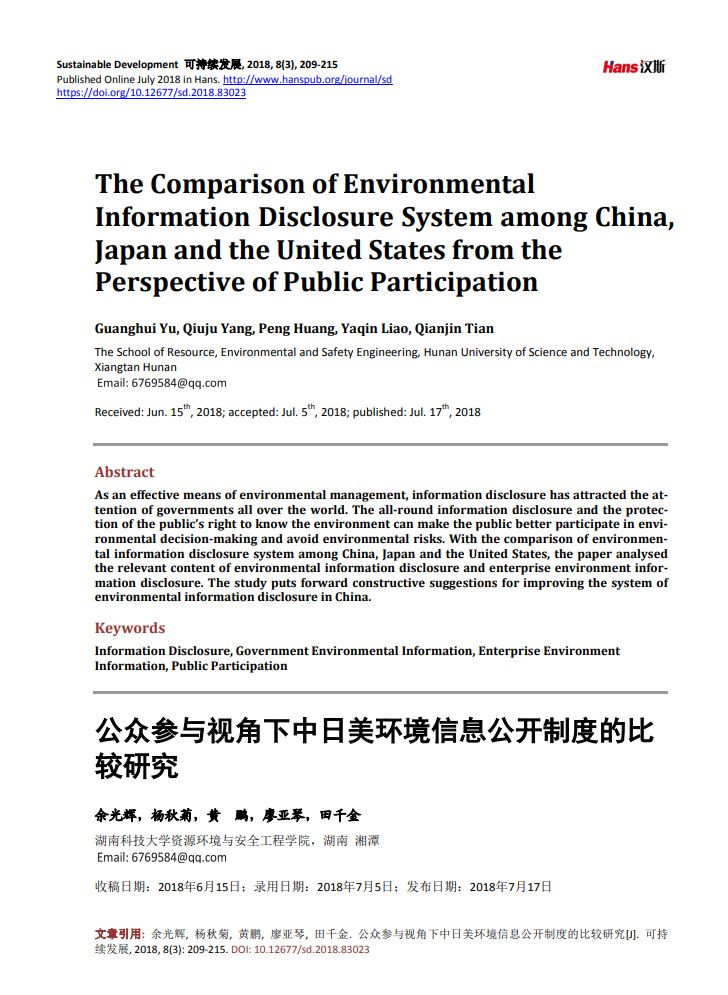 公众参与视角下中日美环境信息公开制度的比较研究 Année de publication: 2018 Auteur: Yu Guanghui | Yang Qiuju | Huang Peng | Liao Yaqin | Tian Qianjin 本文比较了中国、日本、美国三个国家对环境信息的公开情况,并对中国提高环境信息公开、提高公众参与提出相关建议。
 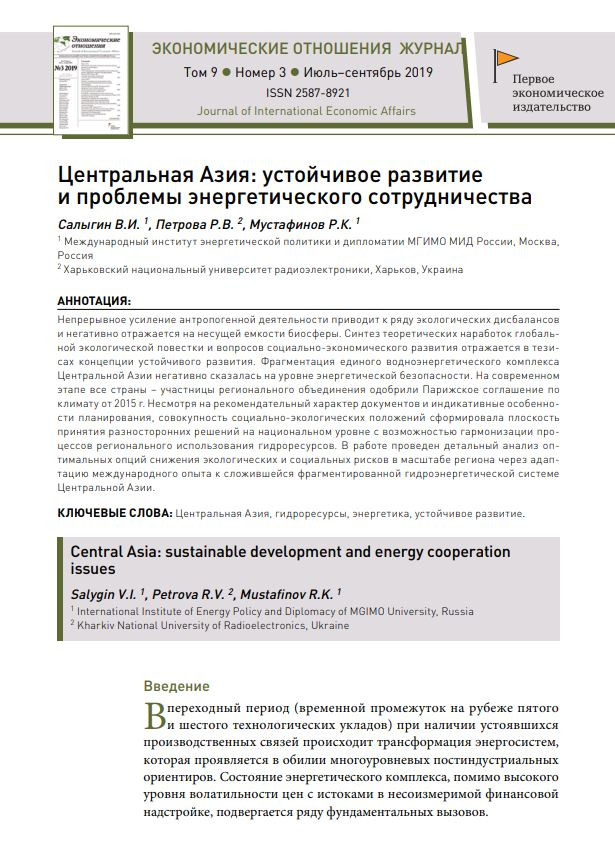 Central Asia: Sustainable Development and Energy Cooperation Issues Année de publication: 2019 Auteur: Salygin V.I. | Petrova R.V. | Mustafinov R.K. The continuous intensification of anthropogenic activities leads to a number of ecological imbalances and negatively affects the carrying capacity of the biosphere. Synthesis of theoretical developments of the global environmental agenda and issues of socio-economic development is reflected in the theses of the concept of sustainable development. The paper provides a detailed analysis of optimal options for reducing environmental and social risks on a regional scale by adapting international experience to the existing fragmented hydro-energy system Central Asia.
 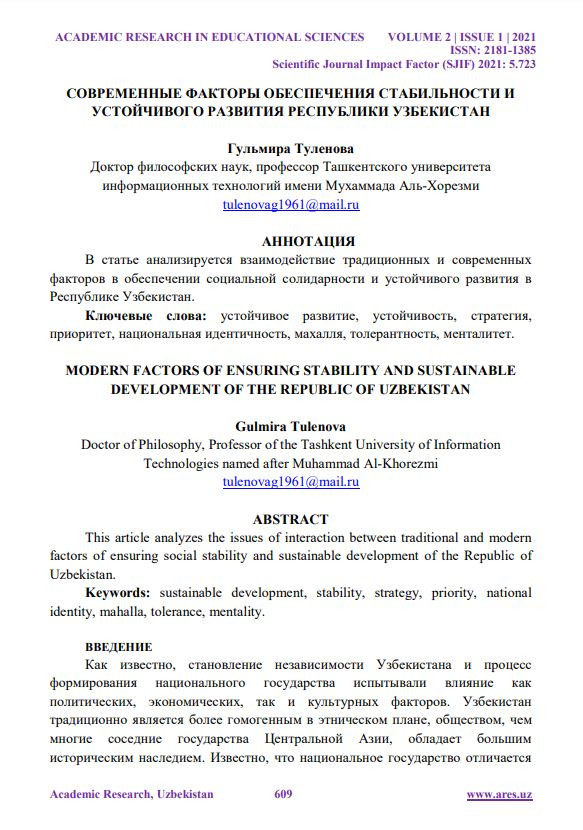 Modern Factors of Ensuring Stability and Sustainable Development of the Republic of Uzbekistan Année de publication: 2021 Auteur: Gulmira Tulenova This article analyzes the issues of interaction between traditional and modern factors of ensuring social stability and sustainable development of the Republic of Uzbekistan. Современные факторы обеспечения стабильности и устойчивого развития республики Узбекистан Année de publication: 2021 Auteur: Gulmira Tulenova В статье анализируется взаимодействие традиционных и современных факторов в обеспечении социальной солидарности и устойчивого развития в Республике Узбекистан.
 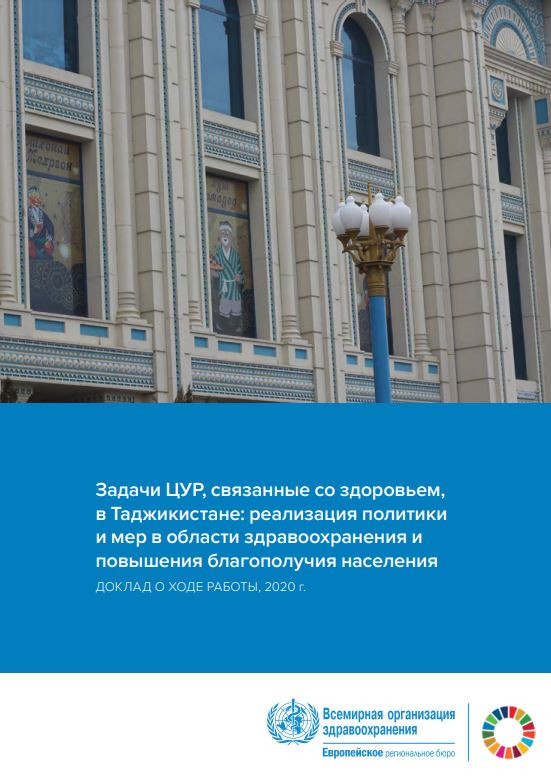 Health-related SDG Targets in Tajikistan: Implementation of Policies and Measures for Health and Well-being Année de publication: 2020 Auteur institutionnel: World Health Organization (WHO) This report reviews and assesses the achievements towards SDG 3 and its targets as well as health-related targets of other SDGs to date in Tajikistan. This is the first step of the GAP process (engage, assess, align, accelerate and account) and will clarify priorities for action to accelerate the achievement of SDG 3 in Tajikistan and alignment of development partners’ support. Задачи ЦУР, связанные со здоровьем, в Таджикистане: реализация политики и мер в области здравоохранения и повышения благополучия населения Année de publication: 2020 Auteur institutionnel: World Health Organization (WHO) В этом отчете проводится обзор и оценка достижений в достижении ЦУР 3 и связанных с ней задач, а также связанных со здоровьем задач других ЦУР на сегодняшний день в Таджикистане. Это первый шаг процесса ГПД (вовлечение, оценка, согласование, ускорение и учет), который прояснит приоритеты действий для ускорения достижения ЦУР 3 в Таджикистане и согласования поддержки партнеров по развитию.
  Guidance Note on Uzbekistan Green Taxonomy Année de publication: 2023 Auteur institutionnel: World Bank This Guidance Note serves to support the government of Uzbekistan in the design of a national Green Taxonomy. A green taxonomy sets out rules for classifying environmentally sustainable activities and can be instrumental inthe transition to a Green Economy by guiding policies and public resource flows, and influencing the private sector’s investment response. The Guidance Note discusses methodological choices for the taxonomy and their policy implications, reviews existing international practices, and recommends a model taxonomy and roadmap for further development of the taxonomy. A key message in the note is the importance of setting clear strategic goals that will inform the selection of the taxonomy’s environmental objectives and its other features. Also discussed are theinstitutional arrangements to coordinate the actions and inputs of multiple stakeholders during the development process of the taxonomy, and the importance of strong oversight and consistent enforcement of taxonomy rules by a competent regulatory body. Методические рекомендации по «зеленой» таксономии для Узбекистана Année de publication: 2023 Auteur institutionnel: World Bank Настоящие Методические рекомендации призваны оказать содействие правительству Узбекистана в разработке национальной «зеленой» таксономии. «Зеленая» таксономия устанавливает правила классификации экологически устойчивых видов деятельности и может сыграть важную роль в переходе к «зеленой» экономике, определяя политику и потоки государственных ресурсов, а также влияя на инвестиционную активность частного сектора. В Методических рекомендациях обсуждаются методологические варианты таксономии и их политические последствия, рассматривается существующая международная практика, а также даются рекомендации по модельной таксономии и «дорожной карте» ее дальнейшей разработки. Одним из ключевыхтезисов Рекомендаций является важность постановки четких стратегических целей, на основе которых будут определяться экологические цели таксономии и другие ее характеристики. Кроме того, рассматриваются институциональные механизмы координации действий и участия многочисленных заинтересованных сторон в процессе разработки таксономии, а также отмечается важность обеспечения компетентным регулирующиморганом надежного надзора и последовательного соблюдения правил таксономии.
 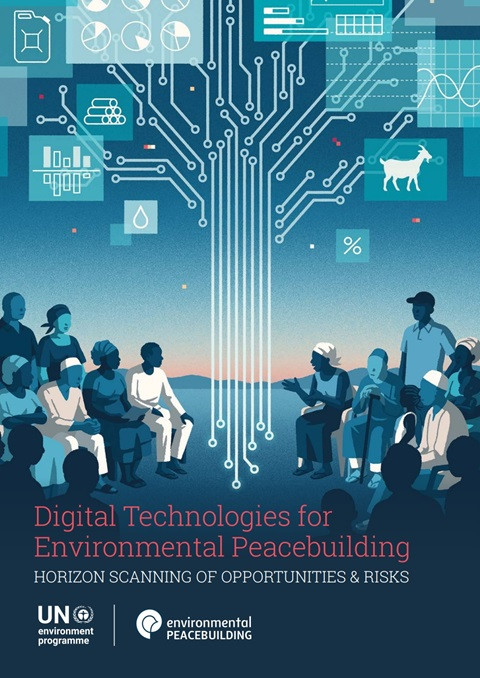 Digital Technologies for Environmental Peacebuilding: Horizon Scanning of Opportunities and Risks Année de publication: 2024 Auteur institutionnel: United Nations Environment Programme (UNEP) This report specifically delves into how digital technologies can be harnessed to manage environmental and natural resource risks that contribute to insecurity and social conflict, as well as the opportunities they present for peacebuilding, cooperation, and social cohesion. It examines relevant use cases spanning the peace and security continuum and concludes with a set of important policy and governance recommendations. The report is designed to inform and contribute to significant upcoming frameworks addressing digital technologies, including the Summit of the Future and the Global Digital Compact.
  Основные направления воздействия изменения климата в Центральной Азии (Oriental Renaissance; № 4(2) Année de publication: 2024 Auteur: Нарзуллаев Комилжон Собиржонович В настоящей статье анализируется глобальная проблема - изменения климата в Центрально-Азиатском регионе. В перспективе данная глобальная проблема найдет свое отражение в повышении температуры, экстремальных погодных явлениях, опустынивании, оползнях и нехватке водных ресурсов. Наряду с этим, в статье указываются основные направления воздействия изменения климата в регионе в целом.