
Ressources
Explorez une large gamme de ressources sur le GCED afin d’approfondir votre compréhension et de renforcer vos activités de recherche, de plaidoyer, d’enseignement et d’apprentissage.
1,912 résultats trouvés
 A New Era of Social Justice: International Labour Conference, 100th Session, 2011 Année de publication: 2011 Auteur institutionnel: International Labour Organization (ILO) This report specifically presents to the conference what the Director believes are the fundamental problems the ILO faces as it oversees a century of its inception in 2019. These problems are the remnants of an ineffective growth pattern that has increased inequality around the world over the past 30 years. The mission of the organization is to continue to work together to develop effective responses to these challenges - within the ILO itself, with national bodies such as governments, employers and workers, and through ILO cooperation with others.
 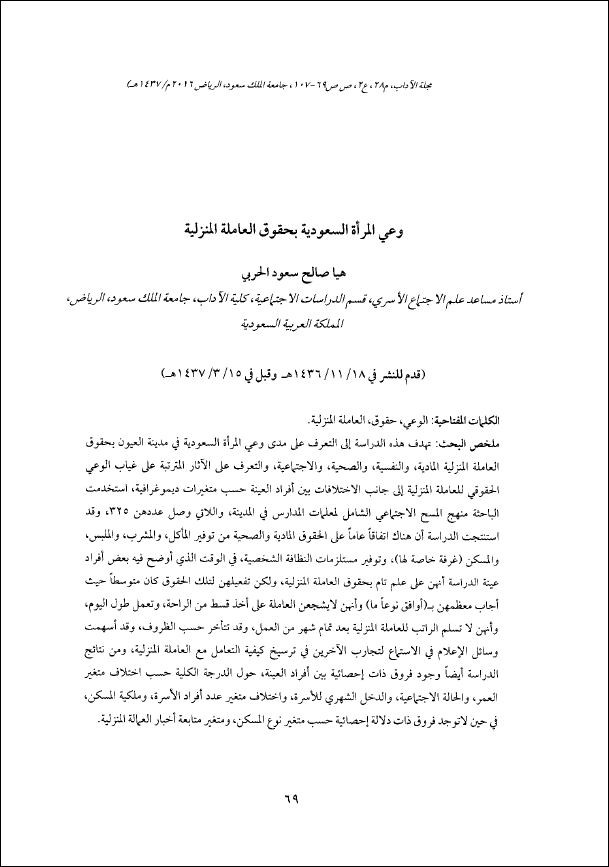 وعي المرأة السعودية بحقوق العاملة المنزلية Année de publication: 2016 Auteur: Haya Saleh Saud Al Harbi Auteur institutionnel: King Saud University تهدف الدراسة على التعرف على مدى وعي المرأة السعودية بحقوق العاملة المنزلية المادية والنفسية والحية والاجتماعية. توصلت الدراسة الى اتفاق بأن العاملة يجب أن تحصل على غرفة مناسبة للإقامة وعلى المأكل الصحي، ومعاملتها بالطريقة الصحيحة. الدراسة تعطى فكرة واضحة لمدى فهم المرأة السعودية لاحتياجات العاملة المنزلية. The Saudi Woman Awareness about the Rights of the Housemaid Année de publication: 2016 Auteur: Haya Saleh Saud Al Harbi Auteur institutionnel: King Saud University The study aims to identify the extent of Saudi women's awareness of the physical, psychological, live and social rights of the domestic worker. The study reached an agreement that the worker should get a suitable room for accommodation and a healthy food, and treat her in the right way. The study gives a clear idea of the extent to which Saudi women understand the needs of the domestic worker.
 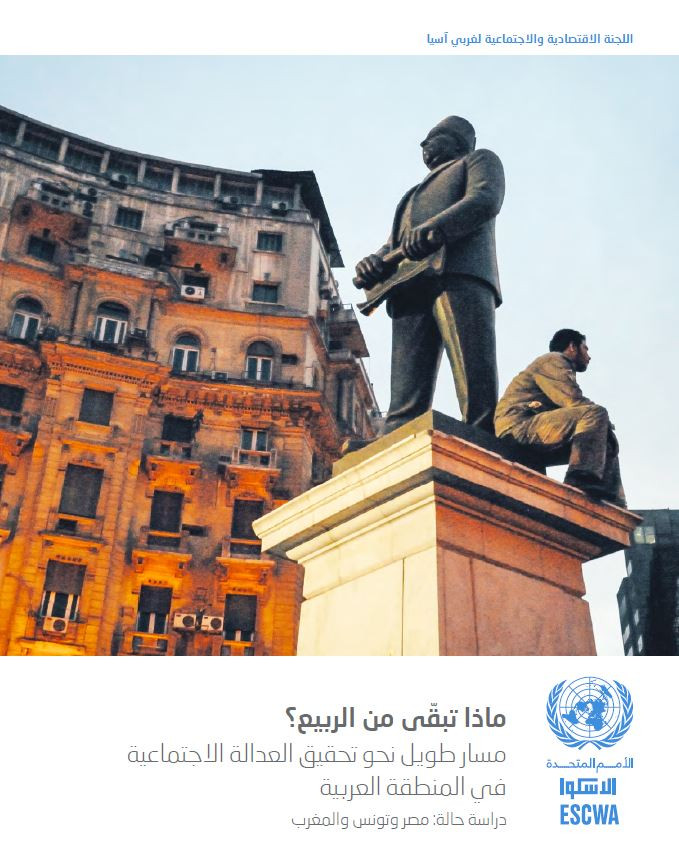 ماذا تبقّى من الربيع ؟ : مسار طويل نحو تحقيق العدالة الاجتماعية في المنطقة العربية : دراسة حالة : مصر وتونس والمغرب Année de publication: 2015 Auteur institutionnel: United Nations Economic and Social Commission for Western Asia (ESCWA) "ماذا تبقّى من الربيع؟ مسار طويل نحو تحقيق العدالة الاجتماعية في المنطقة العربية" هو التقرير الأول من سلسلة تقارير عن التنمية الاجتماعية تعتزم الإسكوا إصدارها. وهو يأتي بعد مرور سنتين على إصدار "وعود الربيع: المواطنة والمشاركة المدنية في مسارات التحول الديمقراطي"، الدراسة التي استعرضت السياق العام الذي أحاط بما سُمي الربيع العربي وتناولت التحديات التي تواجه تحقيق العدالة الاجتماعية والتوافق في الآراء والحفاظ على التماسك الاجتماعي أثناء التحولات السياسية. آما يصدر هذا التقرير غداة اعتماد المجتمع الدولي مساراً عالمياً جديداً للتنمية هو خطة التنمية المستدامة لعام 2030 التي تشكل العدالة الاجتماعية ركيزتها الأساسية. What's Left of Spring? A Long Path towards Social Justice In the Arab Region; Case Study: Egypt, Tunisia, and Morocco Année de publication: 2015 Auteur institutionnel: United Nations Economic and Social Commission for Western Asia (ESCWA) “What is left of the spring? A long path towards achieving social justice in the Arab region” is the first in a series of social development reports that ESCWA intends to publish. It comes two years after the publication of “Spring Promises: Citizenship and Civic Participation in the Paths of Democratic Transition,” the study that reviewed the general context surrounding the so-called Arab Spring and addressed the challenges facing achieving social justice, consensus and maintaining social cohesion during political transitions. This report is also issued the day after the international community adopts a new global path for development, which is the 2030 Agenda for Sustainable Development, of which social justice is the main pillar.
  What is Media Literacy? Année de publication: 2017 Auteur institutionnel: Media Literacy Now Intended as a tool for advocates, the video introduces the concept of media literacy as a key that unlocks meaning behind the messages that we see, and allows us to be more thoughtful and deliberate as we create our own messages such as those we create and share on social media.
  Building Healthy Relationships With Media: A Parent’s Guide to Media Literacy Année de publication: 2020 Auteur institutionnel: National Association for Media Literacy Education (NAMLE) | Trend Micro This guide gives a few examples of how to incorporate questions into the conversation when discussing media and related topics with your children. It is vital for parents to model curiosity and skepticism in their discussions with their children. Teaching the next generation to be critical thinkers allows them to hone this important skill for navigating life in a digital world. Construyendo relaciones saludables con los medios de comunicación: Guía para los padres sobre la alfabetización mediática Année de publication: 2020 Auteur institutionnel: National Association for Media Literacy Education (NAMLE) | Trend Micro Esta guía ofrece ejemplos de cómo incorporar en una conversación con sus hijos preguntas sobre los medios de comunicación y otros temas relacionados. Es vital que en conversaciones con sus hijos los padres sean modelos de curiosidad y precaución. Enseñar a la próxima generación de jóvenes a hacer preguntas y ser pensadores críticos les permite desarrollar esta importante habilidad para navegar la vida en un mundo digital.
  Global Media and Information Literacy Assessment Framework: Country Readiness and Competencies Année de publication: 2013 Auteur institutionnel: UNESCO The MIL Assessment Framework can foster lifelong learning initiatives by building on the relationship between information, media, digital, and ICT literacies, along with societal transformations, education, workforce, policy and decision making processes, economic growth and democracy. The overall goal of the publication is to guide UNESCO’s Member States throughout the assessment of country readiness and competencies regarding the media and information literacy of citizens, in particular teachers in service and in training. The document is particularly aimed at the following stakeholders: policy makers and decision makers; national officers responsible for statistical data collection and analysis; educational policy makers and planners working in formal and informal education settings; teacher training institutions and teachers. It is also of relevance to the professional information and communication community, and has wide applicability for civil society at large.
 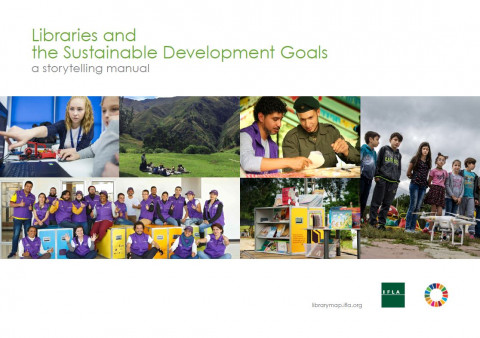 Libraries and the Sustainable Development Goals: A Storytelling Manual Année de publication: 2018 Auteur institutionnel: International Federation of Library Associations and Institutions (IFLA) The Libraries and the Sustainable Development Goals (SDGs) – a storytelling manual is a guide for librarians and library advocates to support you in your advocacy efforts. The Library Map of the World (LMW) team have compiled some tips and useful information to help you write compelling stories about your library activities, projects and programmes, and their impact on communities. Consequently, we would like to share your story about your library’s contribution to the SDGs through the LMW website.International Federation of Library Associations and Institutions’s (IFLA) Library Map of the World (LMW) provides you with a unique digital space to share the story of your library’s activities, projects, and programmes as well as their impact on your community, and how that contributes to the United Nations (UN) Sustainable Development Goals (SDGs) . By sharing your story, you are engaging and empowering libraries all over the world.