
Ressources
Explorez une large gamme de ressources sur le GCED afin d’approfondir votre compréhension et de renforcer vos activités de recherche, de plaidoyer, d’enseignement et d’apprentissage.
1,851 résultats trouvés
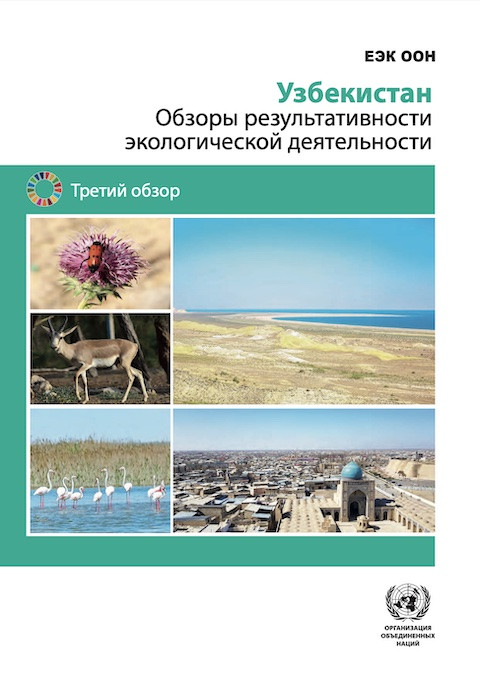 Обзоры результативности экологической деятельности: Узбекистан; Третий обзор Année de publication: 2020 Auteur institutionnel: United Nations Economic Commission for Europe (UNECE) Третий Обзор результативности экологической деятельности (ОРЭД) Узбекистана опирается на солидный опыт, накопленный Европейской экономической комиссией Организации Объединенных Наций (ЕЭК) и ее странами-членами в использовании данного инструмента для регулярной оценки прогресса, достигнутого в вопросах согласования национальных экономических и экологических задач.
  Achieving the Sustainable Development Goals in North and Central Asia Année de publication: 2017 Auteur institutionnel: UN. Economic and Social Commission for Asia and the Pacific (UN. ESCAP) This report examines the immediate, medium-, and long-term challenges facing the SCC subregion in achieving the SDGs, especially in the event of sudden shocks to key fiscal drivers such as growth, interest rates, and government revenues. Достижение целей устойчивого развития в Северной и Центральной Азии Année de publication: 2017 Auteur institutionnel: UN. Economic and Social Commission for Asia and the Pacific (UN. ESCAP) В настоящем исследовании определены приоритетные области для устранения разрывов в потенциале, необходимом для оказания поддержки осуществлению Повестки дня в области устойчивого развития на период до 2030 года с учетом имеющихся данных и рамочных концепций, существующих в странах Северной и Центральной Азии. В настоящей публикации также подчеркивается роль ЭСКАТО и ее текущих инициатив, направленных на развитие статистического потенциала в государствах-членах для определения исходных условий достижения прогресса в осуществлении Повестки дня в области устойчивого развития на период до 2030 года и его измерения, а также для содействия региональной интеграции посредством многостороннего сотрудничества и укрепления соединяемости.
  Act: Action for Community Transformation; Global Goals for Change Année de publication: 2021 Auteur: Julia Haimlinger | Aine Ferris | Alex Whyatt Auteur institutionnel: Global Action Plan (GAP) This toolkit introduces a programme based on the United Nations Sustainable Development Goals, whereby together, through active, transformational learning, we explore the interconnected nature of poverty, inequality and climate change, and imagine new solutions. The core focus of this toolkit is to help communities to understand how the goals are interlinked and how the fight against climate change helps to address poverty eradication locally and globally.
  Keeping the Promise: Ending Violence Against Children by 2030 Année de publication: 2019 Auteur institutionnel: United Nations (UN) This report aims to help us keep that promise to children. It documents what has been achieved to date through collective action, reminds us of the prevalence and nature of violence, sets out the evidence on solutions, and charts a course for accelerated progress.
 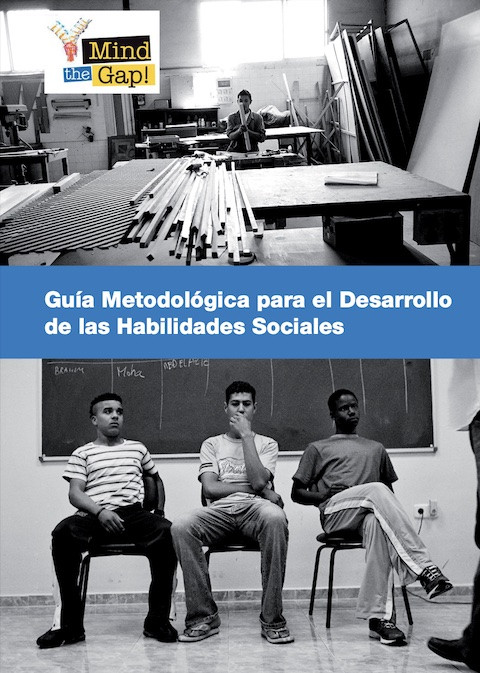 Methodological Guide for the Development of Social Skills Année de publication: 2013 Auteur institutionnel: Mind the Gap This guide establishes some parameters to prevent the social exclusion of adolescents. It includes methods, techniques and activities to teach social skills and facilitate the social and labor inclusion of young people, as well as their social participation as European citizens in a democratic society. Guía metodológica para el desarrollo de las habilidades sociales Année de publication: 2013 Auteur institutionnel: Mind the Gap En esta guía se establecen algunos parámetros para prevenir la exclusión social de los adolescentes. Incluye métodos, técnicas y actividades para enseñar habilidades sociales y facilitar la inclusión social y laboral de los jóvenes, así como su participación social como ciudadanos europeos en una sociedad democrática.
  New Uzbekistan and Human Rights: Uzbekistan’s Progress Towards Compliance With International Obligations on Human Rights Année de publication: 2019 Auteur institutionnel: National Human Rights Center (NHRC) The present information briefly highlights the basic directions of state policy on the implementation of personal, political, economic and social rights in 2018-2019. It also underlines the development of national human rights institutions, the role of civil society institutions in protecting human rights, as well as Uzbekistan’s human rights initiatives at the international arena and the implementation of international human rights treaties. Новый Узбекистан и права человека: Информация о состоянии соблюдения международных обязательств республики узбекистан в области прав Человека Année de publication: 2019 Auteur institutionnel: National Human Rights Center (NHRC) В данной информации освещаются основные направления государственной политики за период 2018-2019 гг. по имплементации личных, политических, экономических и социальных прав, развитию национальных институтов по правам человека и роли институтов гражданского общества в защите прав человека, инициативах Узбекистана в области прав человека на международной арене, выполнению положений международных договоров в области прав человека.
  Citizen Participation and Participatory Research in the Field of Social Inequalities (Nouvelles pratiques sociales; vol. 30, no. 1) Année de publication: 2018 Auteur: Baptiste Godrie | Guillaume Ouellet | Robert Bastien | Sylvia Bissonnette | Jean Gagné | Luc Gaudet | Audrey Gonin | Isabelle Laurin | Chrisopher McAll | Geneviève McClure | François Régimbal | Jean-François René | Mireille Tremblay Auteur institutionnel: University of Quebec at Montreal This article analyzes the effect of citizen participation on social inequalities, based on research conducted by a multidisciplinary team of researchers and community partners. Citizen participation may ensure comments and knowledge that have been completely or partially left out of the public space to emerge, and can help participants to get rid of a pre-established look towards people living in poverty. The analysis also focuses on power relations build during participatory research processes.