
Ressources
Explorez une large gamme de ressources sur le GCED afin d’approfondir votre compréhension et de renforcer vos activités de recherche, de plaidoyer, d’enseignement et d’apprentissage.
1,322 résultats trouvés
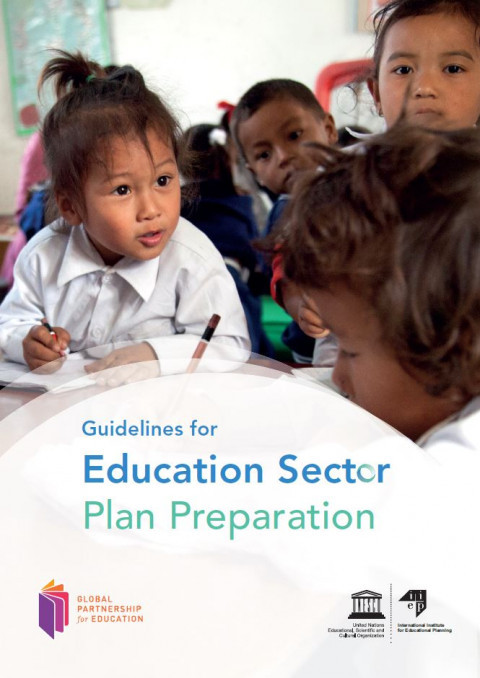 Guidelines for education sector plan preparation Année de publication: 2015 Auteur institutionnel: UNESCO International Institute for Educational Planning (IIEP) | Global Partnership for Education (GPE) At the World Education Forum, in Dakar in 2000, the international community pledged that no country with a credible plan to achieve the Education for All goals would be thwarted by a lack of resources. Since then, the development of an education sector plan (ESP) has become a priority in many countries. ESPs present the policies and strategies for national education reform, and are a powerful tool for coordinating partners and for mobilizing additional domestic and external resources. They have become a critical instrument for governments to signal to all potential investors that their education policies are credible, sustainable, and worthy of investment. The consensus on the need for credible ESPs is strong. However, what does a credible plan require in terms of government leadership, knowledge and data, institutional and human capacities, and dialogue among the education stakeholders? What are the criteria that establish the credibility of a plan?The purpose of these guidelines is to assist countries in preparing credible education sector plans. A second document, Guidelines for Education Sector Plan Appraisal, can be utilized to check whether the plan responds to the expected requirements. In certain contexts of vulnerability, confl ict, or crisis, countries may also consider the development of a transitional education plan, more short-term and action-oriented, and adjusted to the context and available capacities for situation analysis and data requirements. Specifi c guidelines are being prepared. However references to fragile contexts or vulnerability situations are streamlined in these guidelines. These guidelines are not exhaustive. They should be adapted to country contexts and needs. They present an overview of sector analysis, consultative processes, policy reform, strategy development, plan implementation, and monitoring. They do not replace technical manuals on specific tools and methodologies that are used at the various steps of the development of a plan.
  Guide pour la préparation d'un plan sectoriel d'éducation Année de publication: 2015 Auteur institutionnel: UNESCO International Institute for Educational Planning (IIEP) | Global Partnership for Education (GPE) At the World Education Forum, in Dakar in 2000, the international community pledged that no country with a credible plan to achieve the Education for All goals would be thwarted by a lack of resources. Since then, the development of an education sector plan (ESP) has become a priority in many countries. ESPs present the policies and strategies for national education reform, and are a powerful tool for coordinating partners and for mobilizing additional domestic and external resources. They have become a critical instrument for governments to signal to all potential investors that their education policies are credible, sustainable, and worthy of investment. The consensus on the need for credible ESPs is strong. However, what does a credible plan require in terms of government leadership, knowledge and data, institutional and human capacities, and dialogue among the education stakeholders? What are the criteria that establish the credibility of a plan? The purpose of these guidelines is to assist countries in preparing credible education sector plans. A second document, Guidelines for Education Sector Plan Appraisal, can be utilized to check whether the plan responds to the expected requirements. In certain contexts of vulnerability, confl ict, or crisis, countries may also consider the development of a transitional education plan, more short-term and action-oriented, and adjusted to the context and available capacities for situation analysis and data requirements. Specifi c guidelines are being prepared. However references to fragile contexts or vulnerability situations are streamlined in these guidelines. These guidelines are not exhaustive. They should be adapted to country contexts and needs. They present an overview of sector analysis, consultative processes, policy reform, strategy development, plan implementation, and monitoring. They do not replace technical manuals on specifi c tools and methodologies that are used at the various steps of the development of a plan.
 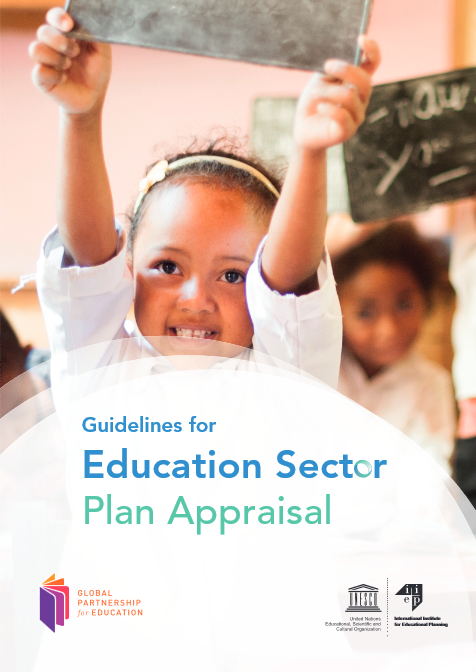 Guidelines for education sector plan appraisal Année de publication: 2015 Auteur institutionnel: UNESCO International Institute for Educational Planning (IIEP) | Global Partnership for Education (GPE) At the World Education Forum, in Dakar in 2000, the international community pledged that no country with a credible plan to achieve the Education for All goals would be thwarted by a lack of resources. Since then, the development of an education sector plan (ESP) has become a priority in many countries. ESPs present the policies and strategies for national education reform, and are a powerful tool for coordinating partners and for mobilizing additional domestic and external resources. They have become a critical instrument for governments to signal to all potential investors that their education policies are credible, sustainable, and worthy of investment.The consensus on the need for credible ESPs is strong. However, what does a credible plan require in terms of government leadership, knowledge and data, institutional and human capacities, and dialogue among the education stakeholders? What are the criteria that establish the credibility of a plan? The purpose of these guidelines is to assist education stakeholders in appraising the soundness, relevance, and coherence that form the credibility of ESPs. The primary objective of an appraisal report is to support the finalization of a credible ESP. It provides a fair review of the ESP strengths and areas in need of improvement before the endorsement by partners which signifies their commitment to support the implementation of the ESP. These guidelines are meant to be adapted to national contexts and needs. The stakeholders should discuss the scope and the methodology of the appraisal to be used, and develop a common vision of the whole process. The appraisal process should be participatory, and grounded in the political and technical dialogue for ESP development. It should involve consultations, interviews with key stakeholders, and field visits, in addition to a desk review of the ESP and any other relevant documents. It is good practice to organize a validation workshop of the appraisal report’s findings, conclusions, and recommendations to feed into the ESP finalization. The appraisal process should occur early enough in the ESP development process to allow time for decision-makers to open consultations on these conclusions and recommendations in order to improve the final version of the ESP. Guide pourl’évaluation d’un plan sectoriel d’éducation Année de publication: 2015 Auteur institutionnel: UNESCO International Institute for Educational Planning (IIEP) | Global Partnership for Education (GPE) Le Partenariat mondial pour l’éducation (GPE, du sigle anglais) est le seul mécanisme mondial et multilatéral visant à ce que tous les enfants puissent aller à l’école et y recevoir une éducation de qualité. Rassemblant près de 60 gouvernements de pays en développement, ainsi que des gouvernements donateurs, des organisations de la société civile, des fondations privées, des institutions internationales, des enseignants et le secteur privé, il propose un soutien financier pour l’élaboration et la mise en œuvre de plans sectoriels d’éducation de qualité dans les pays les plus pauvres. Le GPE réunit dirigeants nationaux et mondiaux pour concevoir des stratégies coordonnées, donnant à chaque enfant l’opportunité d’apprendre dans un contexte éducatif stimulant et sûr. En soutenant des programmes de développement qui visent à atteindre les objectifs éducatifs d’un pays (parité, bons résultats d’apprentissage, accès universel à l’enseignement primaire), le Partenariat veille à ce que les investissements dans le secteur de l’éducation portent leurs fruits. Le GPE a contribué à améliorer les résultats des pays en matière d’éducation, non seulement en réunissant ses partenaires pour élaborer des plans sectoriels d’éducation, dont la qualité est quantifiable, mais aussi en investissant dans des domaines stratégiquement essentiels mais sous-financés de ces plans, et en mobilisant l’expertise des partenaires nationaux pour tirer le meilleur parti de leurs atouts respectifs. Le GPE a alloué 3,9 milliards de dollars EU au cours des dix dernières années, en soutien aux réformes éducatives dans certains des pays les plus pauvres du monde. En 2014, près de la moitié de ses financements a été attribuée à des pays fragiles ou touchés par des conflits. Guía para la evaluación de un plan sectorial de educación Année de publication: 2015 Auteur institutionnel: UNESCO International Institute for Educational Planning (IIEP) | Global Partnership for Education (GPE) La Alianza Mundial para la Educación (GPE, por sus siglas en inglés) es la única alianza multilateral global cuya misión es conseguir que todos los niños y niñas estén escolarizados en un sistema educativo de calidad. La Alianza Mundial para la Educación engloba a alrededor de 60 gobiernos de países en desarrollo, así como a gobiernos socios, organizaciones de la sociedad civil, instituciones internacionales, profesores, fundaciones privadas y sector privado. Proporciona financiación para apoyar el diseño y la ejecución de planes sectoriales de educación de calidad en los países más pobres del mundo. La GPE reúne a líderes mundiales y nacionales para apoyar estrategias coordinadas que ofrezcan a todos los niños y niñas la oportunidad de aprender en un entorno de aprendizaje seguro y adecuado. La Alianza Global, mediante el apoyo a programas de desarrollo enfocados a alcanzar las metas educativas de cada país, tales como la paridad de género, resultados de aprendizaje de calidad y acceso universal a la educación primaria, garantiza que la inversión en educación valga la pena. Hemos ayudado a mejorar los resultados nacionales en educación gracias al trabajo conjunto de socios en la elaboración de planes sectoriales de educación, medibles y de calidad, a la inversión en componentes del plan que eran estratégicamente importantes y que no estaban suficientemente financiados y a la activación del expertise de socios en el país que han aportado su ventaja comparativa. La Alianza Mundial para la Educación ha asignado 3.900 millones de dólares en los últimos diez años para apoyar reformas educativas en los países más pobres de mundo. Prácticamente lamitad de la financiación de 2014 se destinó a estados frágiles o países en situación de conflicto. Guidelines for education sector plan appraisal (prs) Année de publication: 2015 Auteur institutionnel: UNESCO International Institute for Educational Planning (IIEP) | Global Partnership for Education (GPE) مشارکت جهانی برای تعلیم و تربیهیگانه تفاهمنامه چند جانبه جهانی است که جهت فراخواندن تمام اطفال در مکاتب با کیفیت وقف گردیده است. مشارکت جهانی برای تعلیم و تربیه حدودأ شامل دولت 60کشور رو به ترقی و همچنان کشور های حمایت کننده،نهاد های جامعه مدنی، نهاد های بین المللی، اتحادیه های خصوصی و معلمان، و سکتور خصوصی میباشد. این مشارکت منابع مالی را جهت حمایت انکشاف و تطبیق پلان های استراتیژیک با کیفیت در فقیر ترین کشور های جهان میباشد.مشارکت جهانی برای تعلیم و تربیه رهبری های ملی و بین المللی را دور هم جمع می نماید تا از آموزش هر طفل در یک فضای مصئون و مؤثر آموزشی حمایت گردد. با حمایت برنامه های انکشافی جهت رسیدن به اهداف تعلیمی یک کشور، مانند تساوی جنسیتی، نتایج با کیفیت آموزشی، و دسترسی همگانی به مکاتب ابتدائیه، مشارکت جهانی تعلیم وتربیه تضمین می کند که به قدر کافی در تعلیم و تربیه سرمایه گذاری میشود. ما از بهبود رسیدن به نتایج آموزشی از طریق گردهم آوردن شرکا میان هم تا پلان های استراتیژیک با کیفیت را ترتیبنمایند، از طریق سرمایه گذاری بالای بخش های مهم استراتیژیکی و نیازمند بودجه پلان استراتیژیک کشور ها و از طریق بسیج نمودن شرکای داخلی در کشور ها تا از مزیت نسبی شان استفاد بتوانند حمایت نموده ایم.مشارکت جهانی برای تعلیم و تربیه در دهه گذشته مبلغ 3.9میلیارد دالر را برای حمایت اصلاحات در تعلیم و تربیه بعضی فقیر ترین کشور های جهان تخصیص داده است. در سال 2014تقریبأ نیم از این سرمایه گذاری به کشور های نا امن و متاثر از جنگ داده شد. Guide pour l'évaluation d'un plan sectoriel d'éducation Année de publication: 2015 Auteur institutionnel: UNESCO International Institute for Educational Planning (IIEP) | Global Partnership for Education (GPE) At the World Education Forum, in Dakar in 2000, the international community pledged that no country with a credible plan to achieve the Education for All goals would be thwarted by a lack of resources. Since then, the development of an education sector plan (ESP) has become a priority in many countries. ESPs present the policies and strategies for national education reform, and are a powerful tool for coordinating partners and for mobilizing additional domestic and external resources. They have become a critical instrument for governments to signal to all potential investors that their education policies are credible, sustainable, and worthy of investment.The consensus on the need for credible ESPs is strong. However, what does a credible plan require in terms of government leadership, knowledge and data, institutional and human capacities, and dialogue among the education stakeholders? What are the criteria that establish the credibility of a plan? The purpose of these guidelines is to assist education stakeholders in appraising the soundness, relevance, and coherence that form the credibility of ESPs. The primary objective of an appraisal report is to support the finalization of a credible ESP. It provides a fair review of the ESP strengths and areas in need of improvement before the endorsement by partners which signifies their commitment to support the implementation of the ESP. These guidelines are meant to be adapted to national contexts and needs. The stakeholders should discuss the scope and the methodology of the appraisal to be used, and develop a common vision of the whole process. The appraisal process should be participatory, and grounded in the political and technical dialogue for ESP development. It should involve consultations, interviews with key stakeholders, and field visits, in addition to a desk review of the ESP and any other relevant documents. It is good practice to organize a validation workshop of the appraisal report’s findings, conclusions, and recommendations to feed into the ESP finalization. The appraisal process should occur early enough in the ESP development process to allow time for decision-makers to open consultations on these conclusions and recommendations in order to improve the final version of the ESP.
 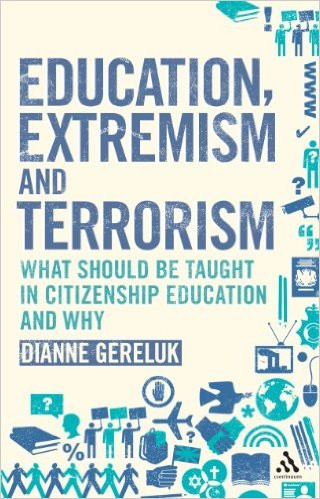 Education, Extremism and Terrorism: What should be Taught in Citizenship Education and Why Année de publication: 2012 Auteur: Dianne Gereluk Should educators be exploring terrorism and extremism within their classrooms? If so, what should they be teaching, and how? Dianne Gereluk draws together the diverging opinions surrounding these debates, exploring and critiquing the justifications used for why these issues should be addressed in schools. She goes on to consider the ways in which educators should teach these topics, providing practical suggestions. Education, Extremism and Terrorism: What should be Taught in Citizenship Education and Why Année de publication: 2012 Auteur: Dianne Gereluk Les enseignants doivent-il aborder les questions du terrorisme et de l'extrémisme au sein des salles de classe ? Dans ce cas, que doivent-ils enseigner, et comment ? Dianne Gereluk réunit au sein d'un même ouvrage les opinions divergentes autour de ces débats, elle explore et interroge les arguments mis en avant pour démontrer de l’importance du traitement de ces thèmes par les écoles. Elle envisage la façon dont ces sujets devraient être enseignés, et propose quelques conseils pratiques. Case Study - Pakistan: Education, Religion and Conflict Année de publication: 2015 Auteur: Raza Rumi Auteur institutionnel: Tony Blair Faith Foundation | McGill University Pakistan is in the midst of crisis. It is threatened by virulent extremist groups and is suffering from a failing education system that is poorly funded and politically manipulated. It promulgates an undefined Islamo-nationalist ideology that lays the foundations for widespread acceptance of ideologically motivated violence. Reforms to the curriculum have been legislated but are badly implemented by the country's politicians; the international community has largely turned a blind eye to these shortcomings. Unless aid and advocacy are specifically focused on far-reaching educational reform that directly tackles extremism, the long-term consequences will be extremely severe.