
Ressources
Explorez une large gamme de ressources sur le GCED afin d’approfondir votre compréhension et de renforcer vos activités de recherche, de plaidoyer, d’enseignement et d’apprentissage.
882 résultats trouvés
 Communication Strategy and Addressing the Phenomenon of Child Abduction in Algeria Année de publication: 2023 Auteur: Saeed Abdul Razzaq The study aimed to identify the role of the communication strategy in treating one of the communication strategy of the General Directorate of National Security in the process of protecting children, and the role of various communication tools and activities in treating and reducing the phenomenon of abduction of children in Algeria . We found that the communication strategy of the Directorate General of National Security plays an important role in the process of reducing the risk of child abduction in Algeria through the preventive communication strategy aimed at protecting children from abduction. الاستراتيجية الاتصالية ومعالجة ظاهرة اختطاف الأطفال في الجزائر Année de publication: 2023 Auteur: Saeed Abdul Razzaq هدفت الدراسة إلى معرفة دور الاستراتيجية الاتصالية في معالجة احدى الظواهر الاجتماعية المتمثلة في ظاهرة اختطاف الأطفال في الجزائر، من خلال عرض الاستراتيجية الاتصالية الخاصة بالمديرية العامة للأمن الوطني في عملية حماية الأطفال، ودور الوسائل والأنشطة الاتصالية المختلفة في معالجة والحد من ظاهرة اختطاف الأطفال في الجزائر. وقد وتوصلنا من خلال دراستنا أن للاستراتيجية الاتصالية للمديرية العامة للأمن الوطني دور مهم في عملية الحد من خطورة ظاهرة اختطاف الأطفال في الجزائر عبر الاستراتيجية الاتصالية الوقائية التي تهدف لحماية الأطفال من الاختطاف.
 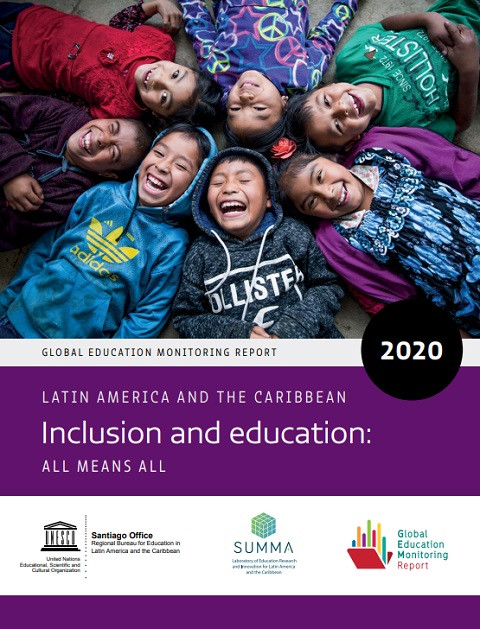 Latin America and the Caribbean 2020: Inclusion and Education; All Means All (Global Education Monitoring Report) Année de publication: 2020 Auteur institutionnel: Global Education Monitoring Report Team | UNESCO | Laboratory of Education Research and Innovation for Latin America and the Caribbean (SUMMA) Latin America and the Caribbean has the largest and most challenging socio-economic inequalities in the world, which have shaped its education systems over the decades. This report looks at everyone both in and excluded from education in the region, pinpointing barriers facing learners, especially when multiple disadvantages intersect. The report also explores challenges in education posed by COVID-19 and the need for urgent action to prevent an exacerbation of inequalities. Produced by the Global Education Monitoring (GEM) Report team, in partnership with the UNESCO Regional Bureau for Education in Latin America and the Caribbean (OREALC) and the Laboratory of Education Research and Innovation for Latin America and the Caribbean (SUMMA), the report assesses key solutions for greater inclusion through several case studies from the region. It provides in-depth analysis on challenges to inclusion in education arising from migration and displacement in Colombia and Costa Rica; remoteness in Brazil and Suriname; disability in Cuba and Nicaragua; gender in Peru and Jamaica; sexual orientation, gender identity and expression in Chile and Mexico; poverty in the Dominican Republic and Honduras; ethnicity in Bolivia and Ecuador; and incarceration in El Salvador and Uruguay. Building on the 2020 Global Education Monitoring Report, this regional edition concludes that strong laws and policies in Latin America and the Caribbean demonstrate a commitment to inclusion, but that the daily realities faced by learners suggest implementation is lagging. Recommendations are aimed at promoting more inclusive education systems to benefit all children and youth, no matter their background, identity or ability. The recommendations provide a systematic framework for identifying and dismantling barriers for vulnerable populations, according to the principle that ‘every learner matters and matters equally’. América Latina y el Caribe 2020: Inclusión y educación; Todos y todas sin excepción (Informe de seguimiento de la educación en el mundo) Année de publication: 2020 Auteur institutionnel: Global Education Monitoring Report Team | UNESCO | Laboratory of Education Research and Innovation for Latin America and the Caribbean (SUMMA) América Latina y el Caribe es la región con las mayores y más tenaces desigualdades socioeconómicas del mundo. Durante decenios estas desigualdades se han reflejado en sus sistemas educativos. El presente informe examina a quiénes incluyen y a quiénes excluyen estos sistemas y llama la atención sobre las barreras que enfrentan los educandos, especialmente cuando están expuestos a múltiples desventajas. El informe también explora los nuevos retos educativos que plantea la pandemia de la Covid-19 y la necesidad de actuar sin dilación para evitar que se agraven las desigualdades. El informe, elaborado por el equipo del Informe de Seguimiento de la Educación en el Mundo (Informe GEM), en colaboración con la Oficina Regional de Educación para América Latina y el Caribe (OREALC/ UNESCO Santiago) y el Laboratorio de Investigación e Innovación en Educación para América Latina y el Caribe -SUMMA, evalúa algunas de las principales iniciativas emprendidas para mejorar la inclusión, basándose en varios estudios de casos de la región. Analiza en profundidad algunos ejemplos de los grandes desafíos que amenazan la inclusión en la educación: migración y desplazamiento en Colombia y Costa Rica; aislamiento rural en el Brasil y Suriname; discapacidad en Cuba y Nicaragua; discriminación de género en el Perú y Jamaica; orientación sexual e identidad y expresión de género en Chile y México; pobreza en la República Dominicana y Honduras; etnicidad en Bolivia y el Ecuador; y jóvenes en situación de privación de libertad en El Salvador y el Uruguay. Esta edición regional del Informe de Seguimiento de la Educación en el Mundo 2020 concluye que, si bien las leyes y políticas de América Latina y el Caribe demuestran la firme determinación de promover la inclusión, la realidad cotidiana de los alumnos y las alumnas sugiere que la aplicación práctica lleva retraso. Se formulan recomendaciones con el objeto de promover sistemas de educación más inclusivos en beneficio de todos los niños, niñas y jóvenes, sin distinción de origen, identidad o capacidad. Las recomendaciones brindan un marco sistemático que permite identificar y eliminar barreras para las poblaciones marginadas, conforme al principio de que “cada alumno es importante y todos los alumnos importan por igual”.
  ‘Hate Speech’ Explained: A Toolkit Année de publication: 2015 Auteur institutionnel: ARTICLE 19 In this toolkit, ARTICLE 19 provides a guide to identifying ’hate speech‘ and how effectively counter it, while protecting the rights to freedom of expression and equality. It responds to a growing demand for clear guidance on identifying “hate speech,” and for responding to the challenges ‘hate speech’ poses within a human rights framework.The toolkit is guided by the principle that coordinated and focused action taken to promote the rights to freedom of expression and equality is essential for fostering a tolerant, pluralistic and diverse democratic society in which all human rights can be realised for all people.As such, it addresses three key questions: How do we identify ‘hate speech’ that can be restricted, and distinguish it from protected speech?What positive measures can States and others take to counter ‘hate speech’? Which types of ‘hate speech’ should be prohibited by States, and under which circumstances? The toolkit is guided by the principle that coordinated and focused action taken to promote the rights to freedom of expression and equality is essential for fostering a tolerant, pluralistic and diverse democratic society in which all human rights can be realised for all people. It is informed by, and builds upon, ARTICLE 19’s existing policy work in this field.In Part I, we outline that there is no uniform definition of ‘hate speech’ under international human rights law, rather, it is a broad concept which captures a wide range of expression. The toolkit advances a typology for identifying and distinguishing different forms of ‘hate speech’ according to their severity, guided by states’ international human rights law obligations. In Part II, we provide guidance on what policy measures State and non-state actors can undertake to create an enabling environment for freedom of expression and equality that addresses the underlying causes of ‘hate speech’ while maximising opportunities to counter it.Finally, in Part III, we outline the exceptional circumstances in which the State is obliged by international law to prohibit the most severe forms of ‘hate speech’, and where also States may under international law place other restrictions on ‘hate speech’. This includes guidance on ensuring that such prohibitions are not abused, and to ensure that where sanctions are imposed they are appropriate and proportionate, as well as ensuring support and redress for victims.ARTICLE 19 believes that ensuring that responses to ‘hate speech’ comply with international human rights law is crucial. Prohibitions that censor offensive viewpoints are often counter-productive to the aim of promoting equality, as they fail to address the underlying social roots of the kinds of prejudice that drive ‘hate speech’. In most instances, equality is better-promoted through positive measures which increase understanding and tolerance, rather than through censorship.This toolkit is not a definitive version, and will be continuously updated to reflect the developing case law and best practices in this area.
 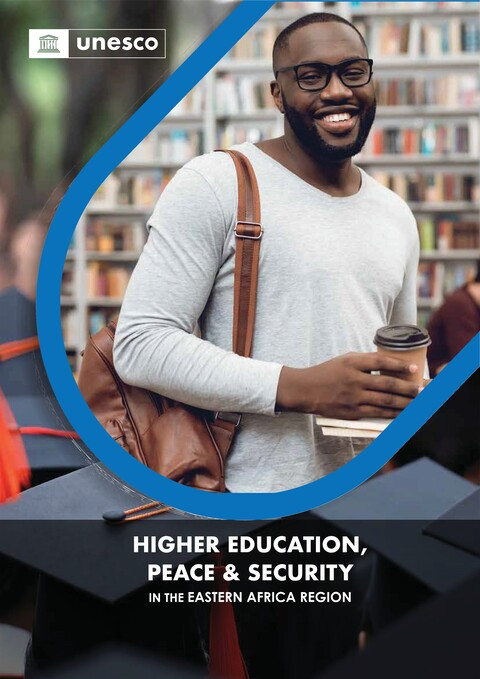 Higher Education, Peace & Security in the Eastern Africa Region Année de publication: 2023 Auteur: Sabiti Makara Auteur institutionnel: UNESCO Nairobi This paper stems from issues that were deliberated on at a regional conference titled, Emerging Issues in the Sciences, Climate Change, Peace and Security and Information and Communication Technologies (ICTs), organized in Djibouti, in May 2017 by UNESCO Regional Office for Eastern Africa. The paper examines the issues and challenges of peace and security in Eastern Africa region. It puts into perspective higher education in the region, in terms of assess, quality, relevance, knowledge and skill products, and capacity to solve social challenges of society. The May 2017 Djibouti Conference on Higher Education, Peace and Security aimed at placing higher education at the center of understanding the complex regional challenges with regard to peace and security in a broad context, including poverty, climate change and environment, intergenerational transfer of knowledge, colonial/neo-colonial heritage, regional integration, cultural resources, and unemployment. The centrality of education as a tool for social transformation in Africa, and elsewhere is a critical element of transforming society, however that very element is up for debate. Specifically, the impact of higher education as a means of accelerating the sciences (natural and social sciences) is due for robust debate, as to whether or not, it is leading to innovations, creativity, and research-led solutions to challenges of society. The critical issue for the Djibouti Conference deliberations was: could Science, technology and in more recent years, information and communications technology, lead to transformation of society in the region? The other issue was: is it only the natural sciences that have the greatest potential for that transformation, or that the social sciences and humanities are relevant in this context? Besides, since issues of peace and security are complex, could multidisciplinary approaches be appropriate? This paper is not a rapporteur's report of the Djibouti conference. It is a set of reflection and reframing of issues for further debate and discussion.
 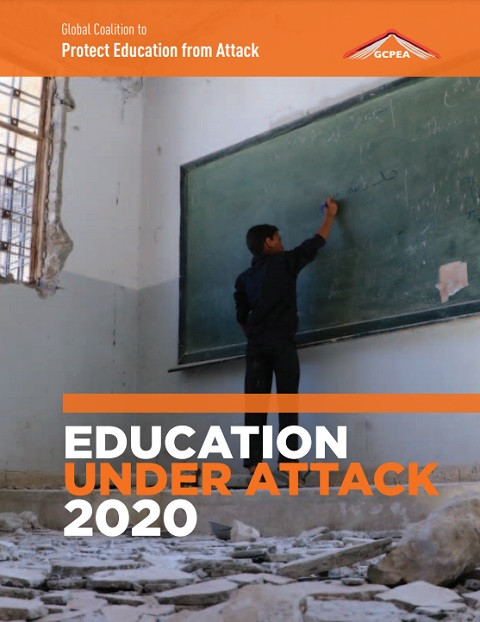 Education Under Attack 2020 Année de publication: 2020 Auteur institutionnel: Global Coalition to Protect Education from Attack (GCPEA) This study is published by the Global Coalition to Protect Education from Attack (GCPEA), which was formed in 2010 by organisations working in the fields of education in emergencies and conflict-affected contexts, higher education, protection, and international human rights and humanitarian law that were concerned about ongoing attacks on educational institutions, their students, and staff in countries affected by conflict and insecurity.GCPEA is a coalition of organizations that includes: co-chairs Human Rights Watch and Save the Children, the Council for At-Risk Academics (Cara), the Institute of International Education (IIE), the Office of the United Nations High Commissioner for Refugees (UNHCR), the Education Above All Foundation (EAA), Plan International, the United Nations Children’s Fund (UNICEF) and the United Nations Educational, Scientific and Cultural Organization (UNESCO). GCPEA is a project of the Tides Center, a non-profit 501(c)(3) organization. Education under Attack 2020 is the result of independent research conducted by GCPEA. It is independent of the individual member organizations of the Steering Committee of GCPEA and does not necessarily reflect the views of the Steering Committee member organizations.
 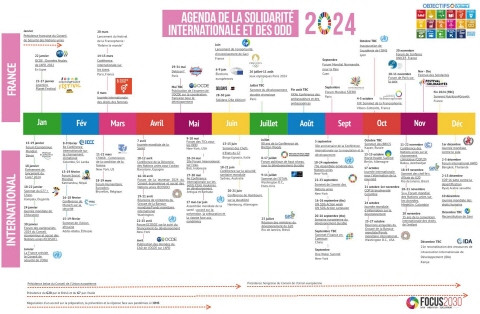 Solidarité Internationale 2024: Les grandes étapes à venir Année de publication: 2023 Auteur institutionnel: Focus 2030 2024 : fin du multilatéralisme ou renouveau ? Les Objectifs de développement durable en suspens. L’année à venir sera l’occasion de mobiliser de manière régulière la communauté internationale autour de nombreux sommets internationaux et rencontres dont les résultats seront susceptibles de changer la face du monde. 2024: End of Multilateralism or Renewal? Sustainable Development Goals in Limbo. The upcoming year will provide a regular platform for mobilizing the international community through numerous international summits and meetings, the outcomes of which have the potential to reshape the world.
 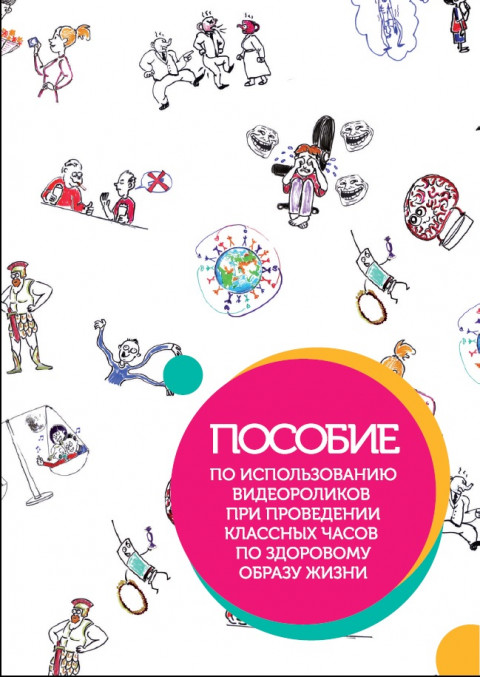 Development of classroom hour for a healthy lifestyle for students of 6-11 grades: Methodical guide for teachers Année de publication: 2014 Auteur institutionnel: UNESCO Institute for Information Technologies in Education (IITE) | Joint United Nations Programme on HIV/AIDS (UNAIDS) This manual has been developed to help pedagogical workers of educational institutions (class teachers, subject teachers) to conduct class hours in a healthy lifestyle using educational videos on the following basic topics: (1) the characteristics of adolescence, (2) the concept of "gender ", “Gender” and “gender equality”, (3) prevention of the consumption of psychoactive substances, (4) decision making and resistance to peer pressure, (5) love and sexual relations, (6) reproductive health and contraception, (7) HIV prevention, (8) interpersonal relationships and conflict resolution, (9) trolling and cyberbulling. Пособие по использованию видеороликов при проведении классных часов по здоровому образу жизни для учащихся 6-11 классов. Методическое руководство для учителей Année de publication: 2014 Auteur institutionnel: Институт ЮНЕСКО по информационным технологиям в образовании (ИИТО) | Объединенная программа ООН по ВИЧ/СПИДу (ЮНЭЙДС) Данное пособие разработано в помощь педагогическим работникам общеобразовательных организаций (классным руководителям, учителям-предметникам) для проведения классных часов по здоровому образу жизни с использованием образовательных видеороликов по следующим базовым темам: (1) особенности подросткового возраста, (2) понятия «пол», «гендер» и «гендерное равенство», (3) профилактика потребления психоактивных веществ, (4) принятие решения и противостояние давлению со стороны сверстников, (5) любовь и сексуальные отношения, (6) репродуктивное здоровье и контрацепция, (7) профилактика ВИЧинфекции, (8) межличностные отношения и разрешение конфликтов, (9) троллинг икибербуллинг.